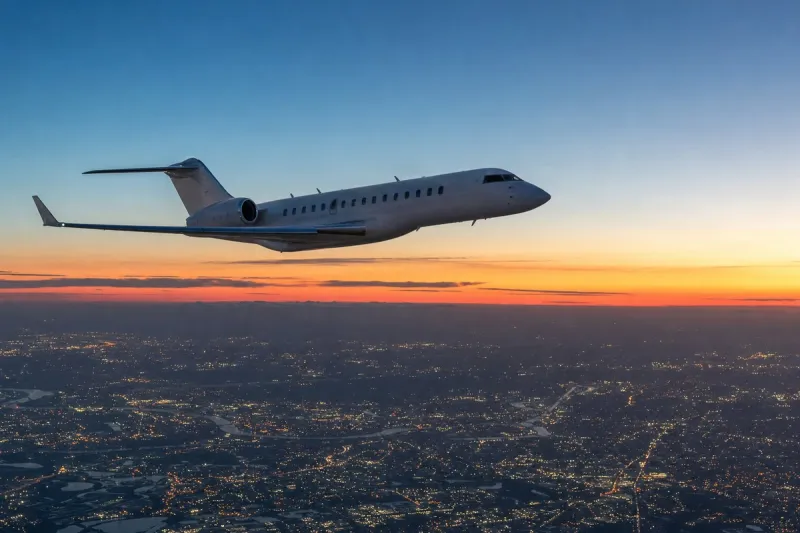
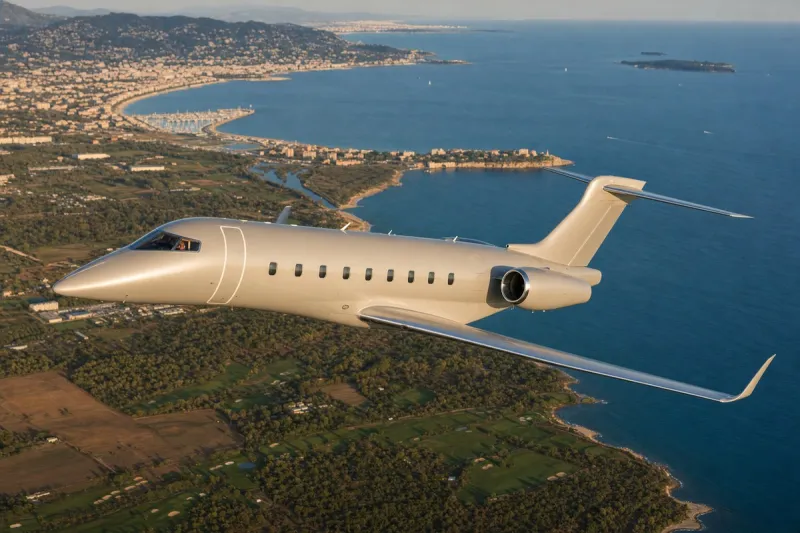
Coca-Cola Gulfstream G600 N886RW Flies Richmond to Baltimore in 24 Minutes
Why It MattersA 24-minute, 120-nautical-mile hop in a 6,600 nm jet shows how corporate flight departments price time over efficiency, putting short-sector fuel burn and emissions in the spotlight for flight-department sustainability reporting.
What happened
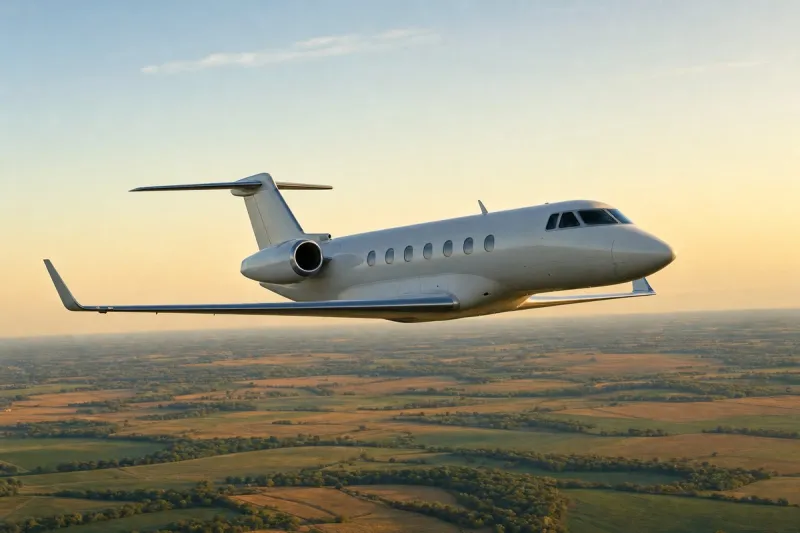
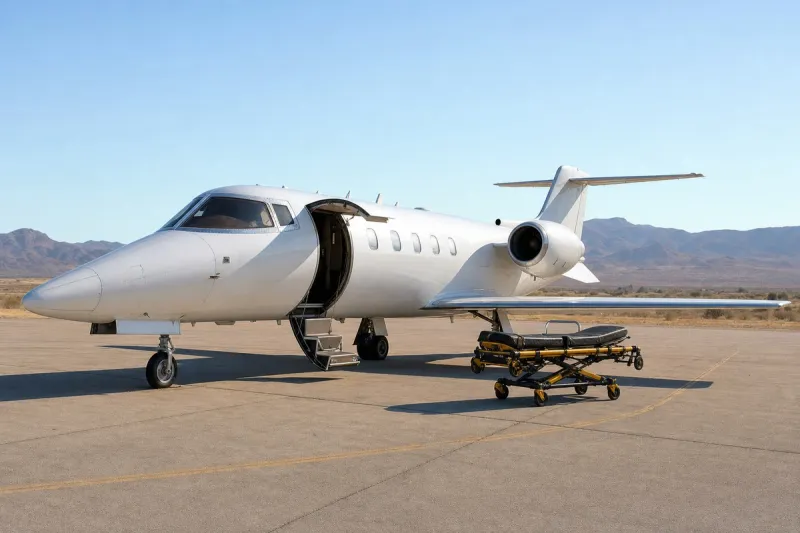
Coca-Cola's Gulfstream G600, registration N886RW, flew from Richmond International Airport to Baltimore, departing at 21:37 UTC and landing at 22:01 UTC. The flight lasted 24 minutes over a great-circle distance of 120 nautical miles (138 miles). The aircraft averaged a ground speed of 296 knots and peaked at 398 knots.
Estimates put fuel burn at about 178 US gallons and CO2 emissions at about 1,712 kg, roughly equivalent to driving a car 4,237 miles. The flight used about 2 percent of the G600's 6,600 nm range. Richmond's longest runway is 9,003 feet at 167 feet elevation.
It was the first landing at Baltimore by any of Coca-Cola's three tracked aircraft in the window from October 19 to November 6. The fleet's home base is Fulton County Airport Brown Field in Atlanta, 513 nautical miles from Baltimore. Earlier on November 6, the same aircraft flew from Roanoke to Richmond, 136 nautical miles in 27 minutes.
The owner's recent flying
In the 30 days before the flight, the owner's aircraft made 19 flights totaling 35.3 hours in the air, emitting about 149,343 kg of CO2. The longest leg in that period was a 2,117 nm flight from Monterey to Richmond on October 22 by N886RW.
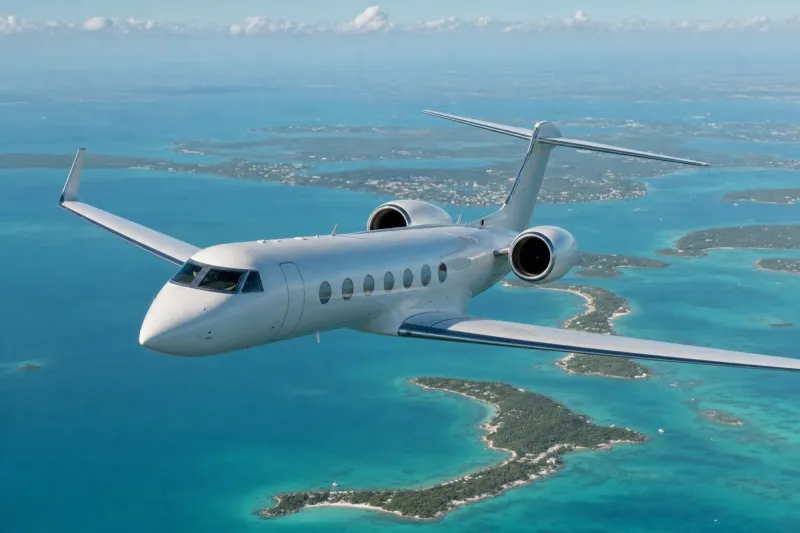
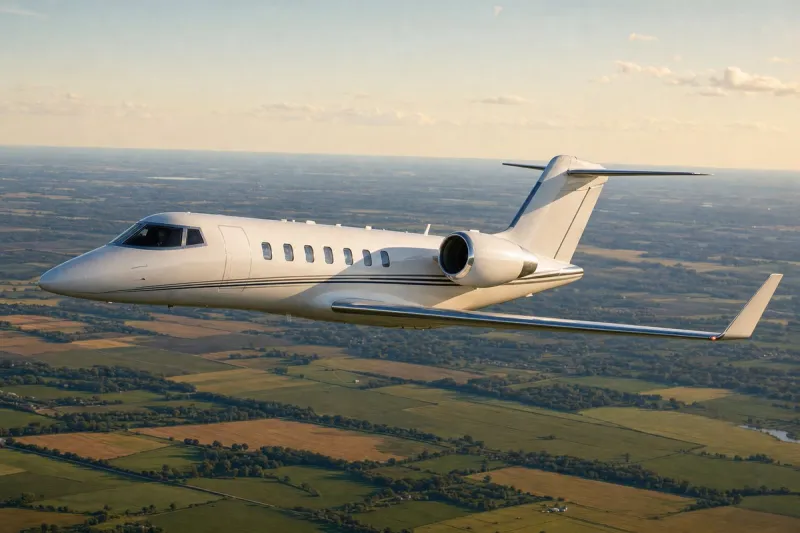
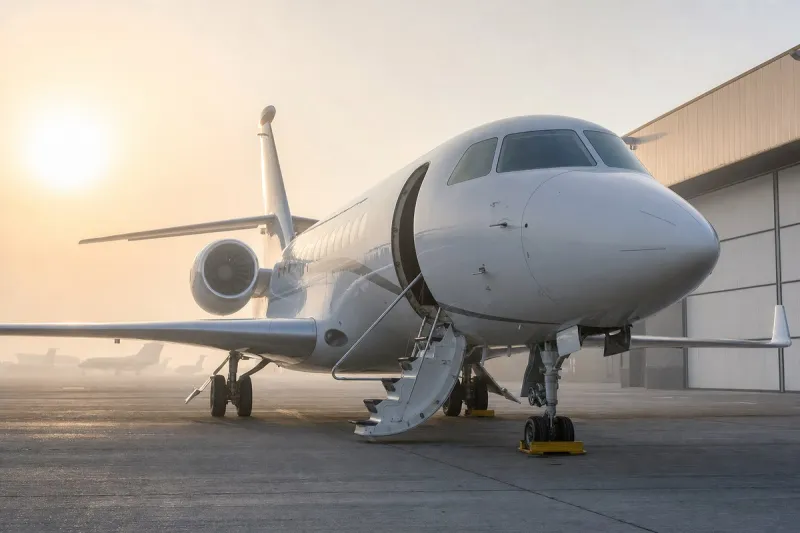
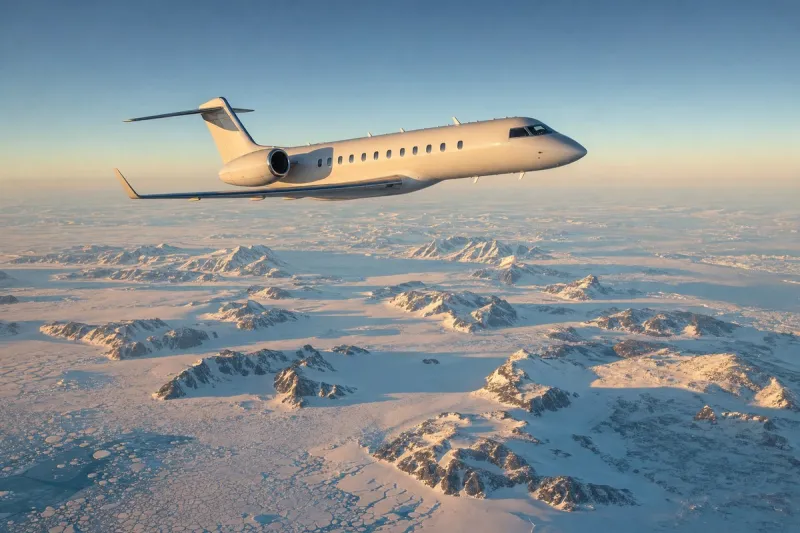
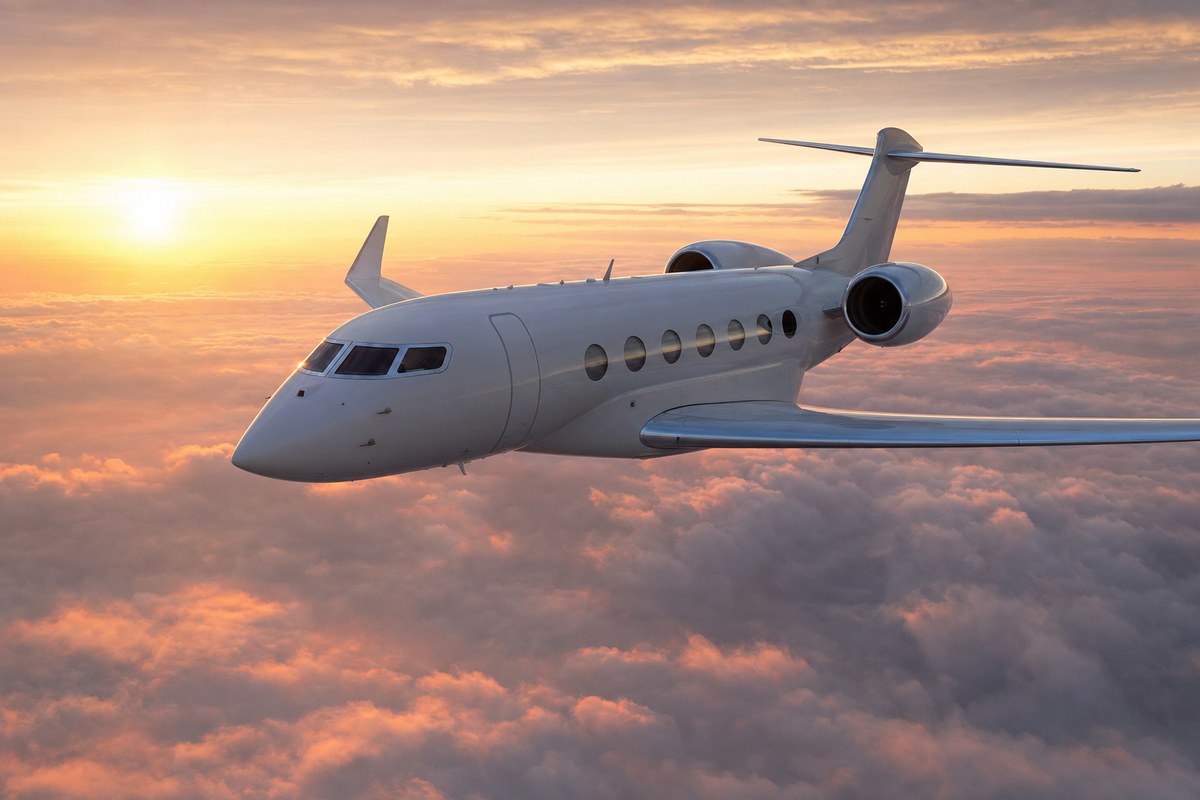
The Gulfstream G600 is an ultra-long-range jet with a 6,600 nm range, a 51,000-foot ceiling, seating for up to 19 passengers and a top speed of Mach 0.925 (515 knots). A stretched version of the G500 with four passenger zones, it burns an estimated 440 US gallons of fuel per hour.
Coca-Cola has bought Gulfstreams since the 1960s and operates its flight department from Fulton County Airport Brown Field on Atlanta's west side. The registration N886RW carries company history: RW stands for Robert W. Woodruff, who ran Coca-Cola from 1923 to 1954, and 886 refers to 1886, the year the formula was created.
Industry impact & what to watch
Short regional sectors flown by ultra-long-range jets are a routine feature of corporate flight departments, where the aircraft is positioned around executive schedules rather than around the efficiency of any single leg. A 120 nm sector uses about 2 percent of the G600's range, and the 24-minute flight sits against a block of ground handling, crew duty and positioning that a commercial itinerary of similar length would not require.
Fuel burn and emissions per flight are the figures that draw outside scrutiny of such operations. Trackers publish per-leg CO2 estimates, as in this case, and a month of 19 flights and roughly 149,343 kg of CO2 shows how quickly short legs accumulate across a fleet. For flight departments, the reporting question is increasingly one of how corporate aviation accounts for this usage internally and publicly.
The next data point is the aircraft's activity in the days that follow, which would show whether Baltimore becomes a recurring destination for the three tracked aircraft or remains a one-off.