Gogo Nears 300 Active LEO Terminals as ATG Base Shrinks by 332 in Q3
Why It MattersThe quarter shows business-aviation connectivity shifting from ground-based air-to-ground networks toward satellite service, with growth in new terminals still failing to offset the loss of legacy installations and revenue.
What happened
Gogo's move from air-to-ground (ATG) connectivity to low Earth orbit (LEO) and geostationary (GEO) satellite service for business aviation gained pace in the third quarter, even as revenue continued to decline. Installations of its HDX antenna neared 300 by the end of Q3.
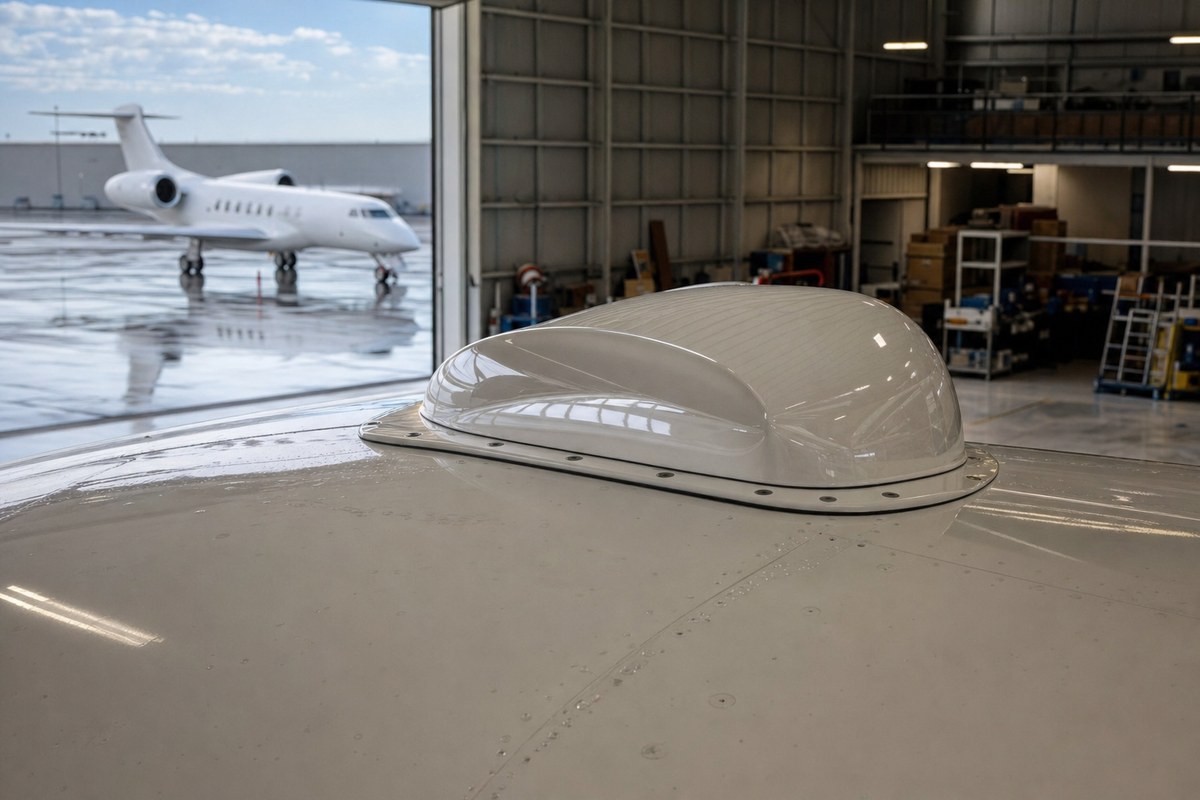
In the quarter, Gogo shipped another 172 Galileo terminals for installation and brought 113 online. The earnings release put cumulative Gogo Galileo equipment shipments at 372 units, while CEO Chris Moore said on the earnings call that the figure was 690 at the end of Q3, with another 70 shipped since the quarter closed.
Over the same period, the ATG base shrank by 332.
Industry impact & what to watch
The quarter illustrates the economics of a connectivity transition. A provider moving its business-aviation customers from a terrestrial network to satellite service has to install new hardware on each aircraft while the older base runs off, so new terminals brought online and legacy units retired can move in opposite directions at once. Here, 113 terminals came online while the ATG base fell by 332, and revenue still declined.
The two cumulative shipment figures for Galileo equipment also differ: 372 in the earnings release against 690 on the call. Which of the two the company treats as the reference count will determine how the transition's progress is measured in coming quarters.
The next earnings release, set against the 70 units shipped since quarter end, will show whether terminals brought online start to outpace the shrinking ATG base.