MWAA, United and US DOT Announce $20 Billion-Plus Dulles Redevelopment, Triple the Earlier $7 Billion Plan
Why It MattersA hub carrier co-committing to billions at its main gateway shows how capacity at constrained airports is increasingly secured through airline-backed infrastructure rather than left to airport authority budgets alone.
What happened
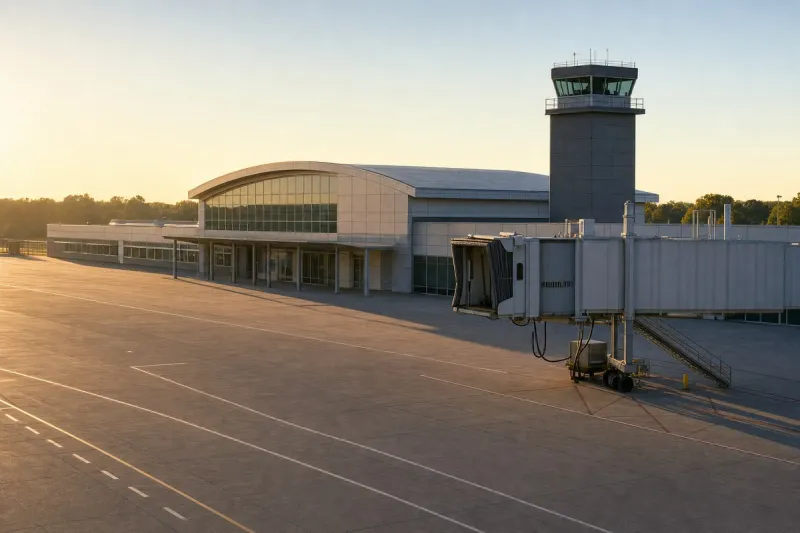
The Metropolitan Washington Airports Authority (MWAA), United Airlines and the US Department of Transportation announced on July 29 a redevelopment program at Washington Dulles International Airport valued at more than $20 billion. It covers more than 5 million square feet (464,515 square meters) of new or renovated space over the next decade: new and modernized concourses, expanded passenger processing, a new baggage handling system, and additional retail and lounge space.
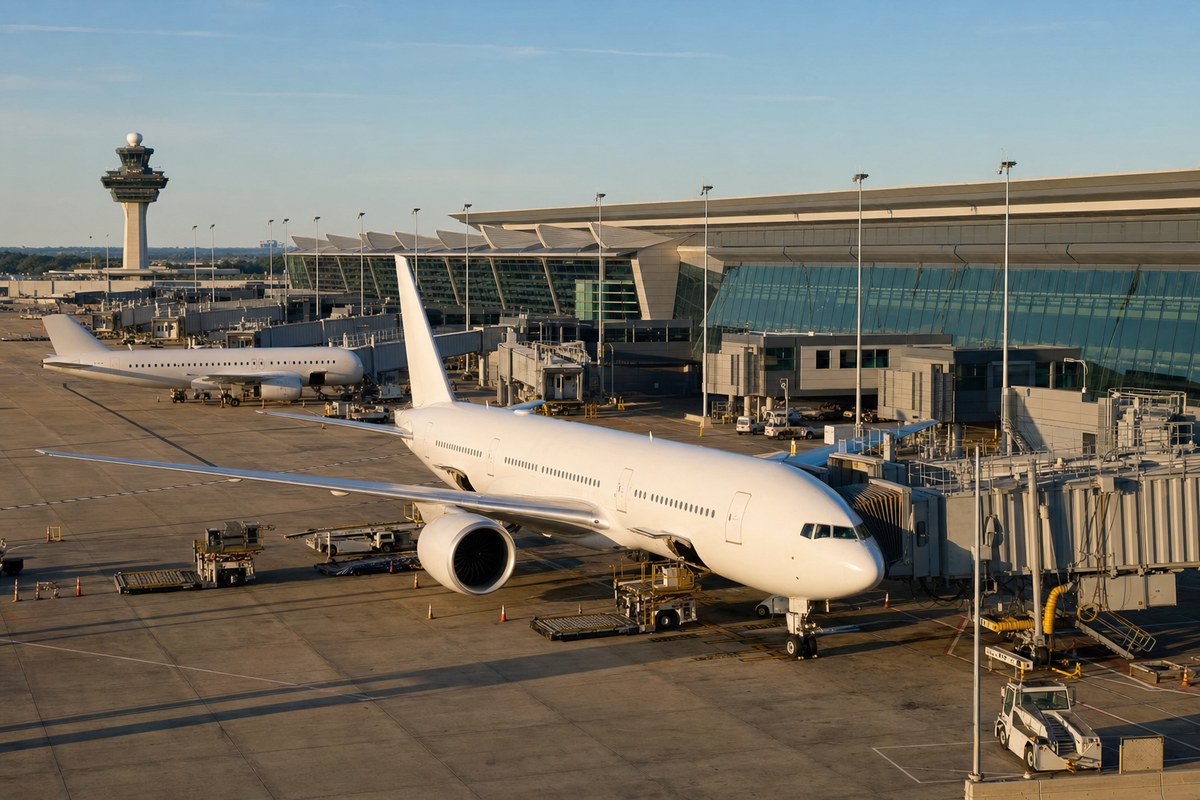
The figure roughly triples the $7 billion modernization outlined in MWAA's May 2025 master plan. Concourses C and D, which house the core of United's Dulles hub, are slated for replacement, while architect Eero Saarinen's Main Terminal design is to be preserved. The first section of Concourse E opens later in 2026 with 14 new United gates, direct access to the AeroTrain, concessions and new lounges, including an expanded United Club and a new United Polaris Lounge. United says the gates will help it expand its international network and describes Concourse E as the start of multiple phases.
MWAA also has an active design-build procurement, Package A, valued at $4.5 billion to $5 billion. It covers expansion of the Saarinen-designed main terminal, new gates, a post-security connector to Concourse A, redevelopment of the A-B concourse, and replacement of its regional-gate section. HOK has been selected to design the expansion.
MWAA CEO Jack Potter said Dulles was the fastest-growing large airport in the country in 2024 and 2025. Under a new agreement with MWAA, United and its Dulles competitors have committed to billions of dollars of investment at the airport. Detailed funding, procurement and construction sequencing for the full program has not yet been published.
Industry impact & what to watch
Hub airports that have outgrown their original facilities tend to unlock expansion only when the dominant carrier and the airport authority commit money together. Dulles fits that mechanic: aging concourses limited how efficiently United could grow there, and the new agreement ties United and its competitors to investment alongside MWAA. For the wider segment, gate and lounge capacity at a major gateway becomes something airlines help finance, which shapes who can add international frequencies and when.
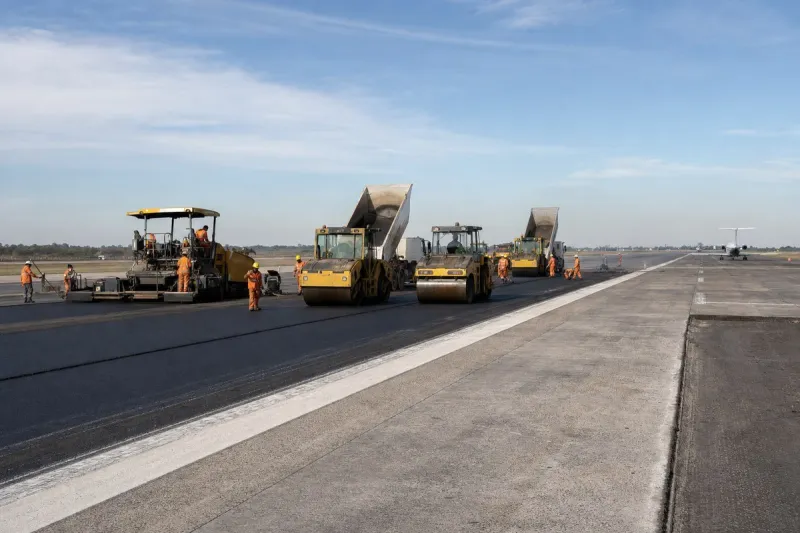
For business aviation, a program of this scale usually reshapes the airfield's construction footprint and airside logistics for years, even though the announcement says nothing about general aviation facilities. How that interacts with ramp access and ground handling is a question the program's phasing will eventually answer.
The next settling point is the publication of detailed funding, procurement and construction sequencing for the full program. Until that appears, the $20 billion figure describes ambition, while the Package A procurement and the Concourse E opening later in 2026 are the pieces with concrete shape.