Afghanistan Charges $700 Overflight Fee as Pilots Self-Separate in Airspace Without Air Traffic Control
Why It MattersOverflight in Afghan airspace shows how a state-fee, document-heavy permission regime can coexist with pilot-managed separation, shifting risk and compliance burden from air traffic services onto individual operators and their flight planning.
What happened
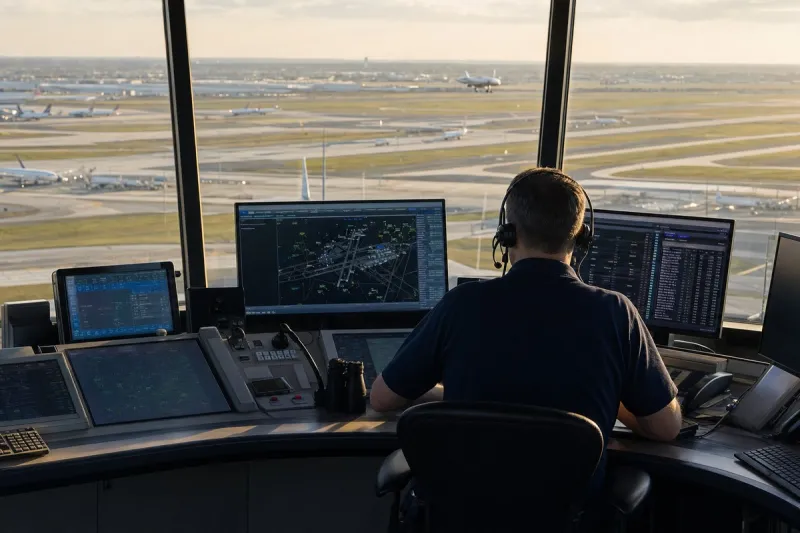
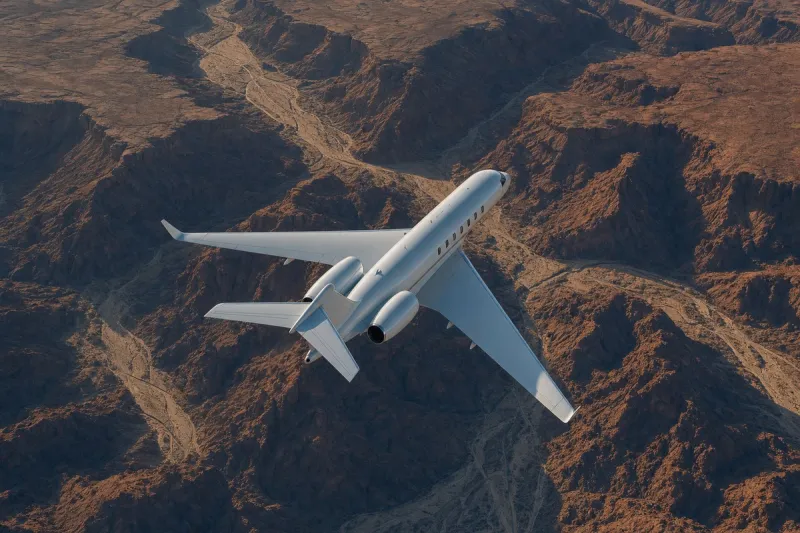
Airlines flying over Afghanistan must obtain prior permission and pay a $700 fee, while pilots are responsible for coordinating their movements by radio because air traffic control services are unavailable along the country's main flight routes.
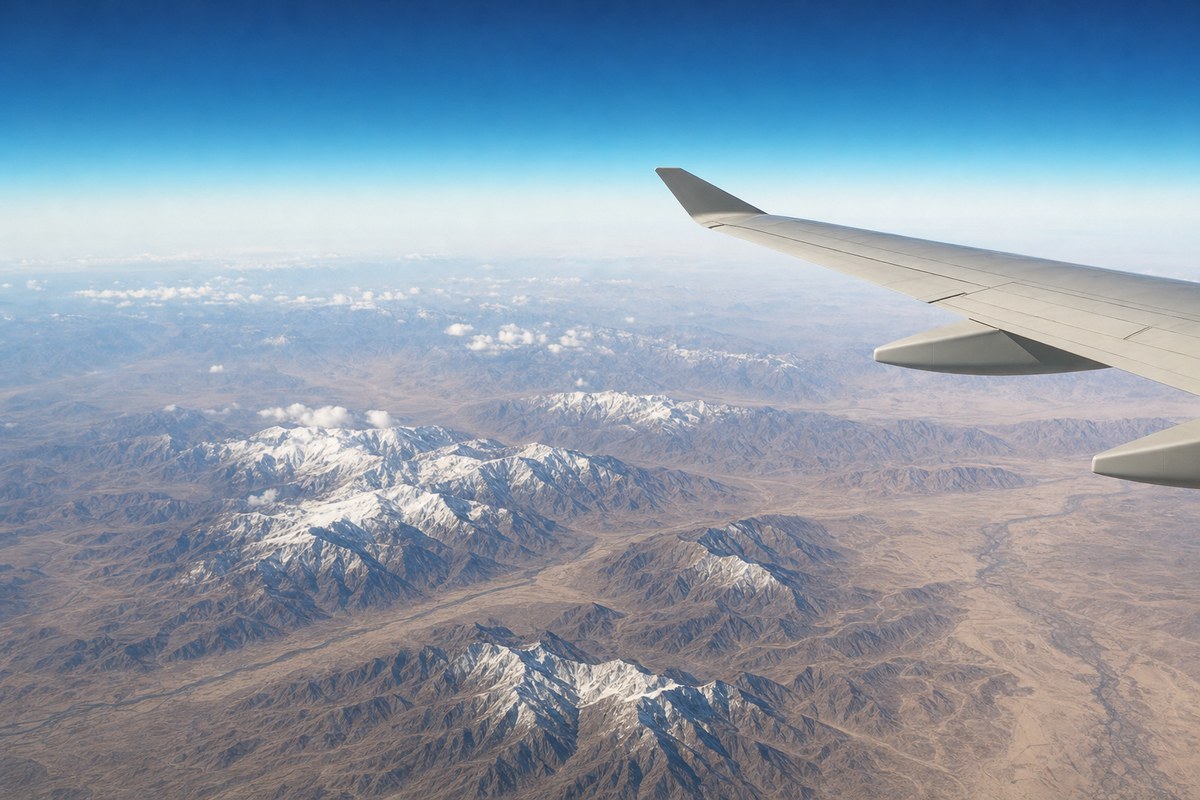
World of Statistics highlighted the procedures in a post on X, saying airlines must request permission through a Gmail account at least 48 hours before entering Afghan airspace. The aviation industry organization OPSGROUP reported that operators must pay the $700 overflight fee and submit documents including aircraft registration, airworthiness and insurance certificates. Commercial operators must also provide their air operator certificates.
With conventional en-route air traffic control services unavailable, pilots are required to broadcast their positions and intentions over designated radio frequencies and maintain separation from other aircraft themselves. The procedures rely on Traffic Information Broadcasts by Aircraft (TIBA), through which pilots share information about their movements to reduce the risk of conflicts in the air.
Afghanistan's air traffic management system was disrupted after the Taliban returned to power in August 2021. International aviation authorities and neighboring countries subsequently developed contingency procedures to allow some international flights to continue using Afghan airspace. The U.S. Federal Aviation Administration has permitted certain American civil aircraft to overfly Afghanistan at specified altitudes and on designated routes, subject to approval from Afghan authorities.
The European Union Aviation Safety Agency renewed its warning on Afghanistan's airspace in July 2026, citing security threats and the absence or limited availability of air traffic services. It advised airlines to avoid flying below Flight Level 320 in the Kabul Flight Information Region. The warning is valid until Jan. 31, 2027, unless reviewed earlier.
Industry impact & what to watch
Afghan airspace illustrates a recurring trade-off in international flight planning: a short routing that avoids longer detours across parts of the Middle East, set against a regime where the usual safety net of en-route air traffic control is absent. Overflight of this kind works as a cost-and-risk calculation, with the $700 fee and the document package forming only the visible part of the expense. Flight planning effort, crew briefing and contingency fuel decisions sit behind it.
In pilot-managed airspace, separation depends on every aircraft following the same radio discipline. That shifts responsibility from a service provider to each operator, and it makes the quality of an operator's procedures, crew training and communication equipment a direct part of its safety case. Insurers, charterers and corporate flight departments weigh that against the time and fuel saved, and the decision can differ between a scheduled airline and a one-off business jet movement.
The revenue side also matters at the segment level. Overflight fees are income for the Taliban administration, which has remained internationally isolated since taking power, so routing choices carry a policy dimension alongside the operational one. The next fixed point is the EASA warning's validity date of Jan. 31, 2027, unless it is reviewed earlier; any change to that guidance would be the clearest signal of how the major regulators are reading the risk.