Fatal U.S. Passenger Charter and Fractional Jet Accidents Remain Rare, Data Shows
Why It MattersSafety statistics for private flying hinge on which regulatory category is counted, so blended figures drawn from Part 91, helicopters and air ambulances distort how the charter and fractional segments are judged.
What happened
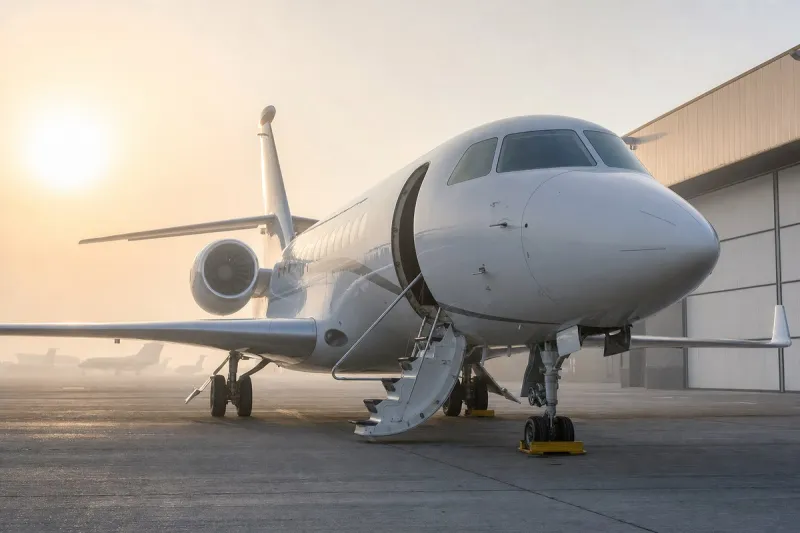
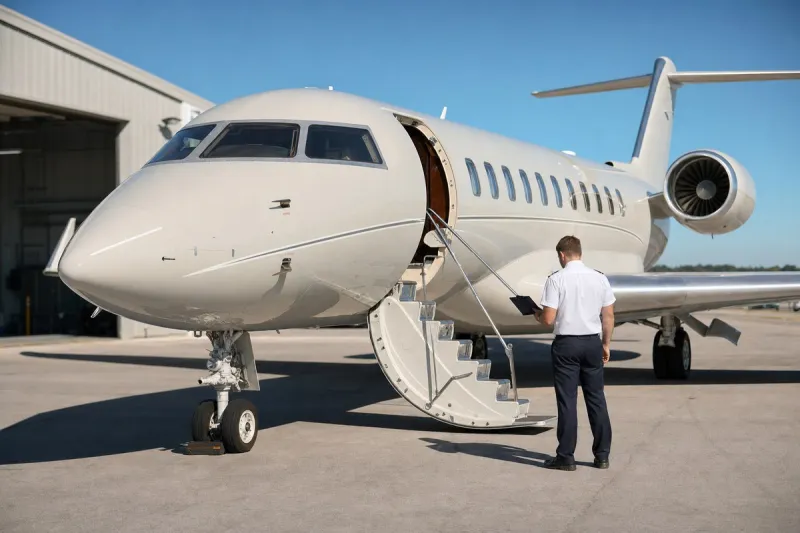
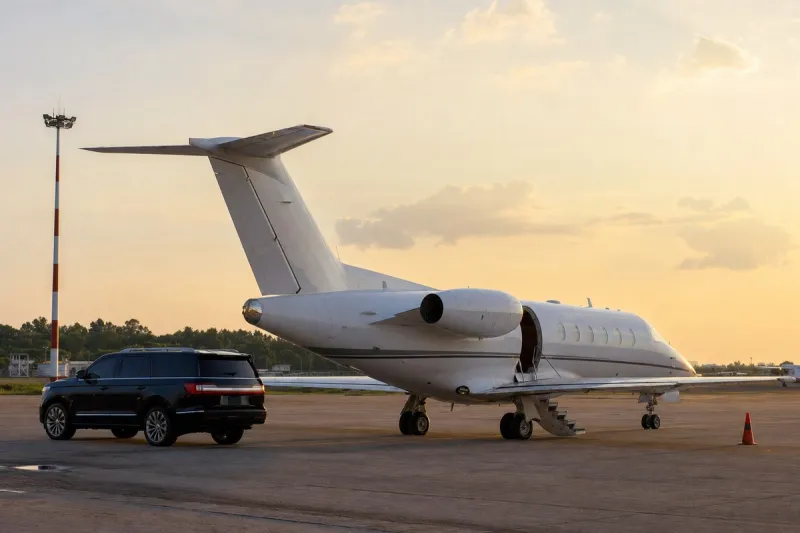
Fatal accidents involving U.S.-registered passenger private jet charters and fractional ownership flights have been rare. Since 2010, five accidents involving passenger charter jet flights have resulted in fatalities, the most recent being a Learjet flying from Austin, Texas, to the Bahamas.
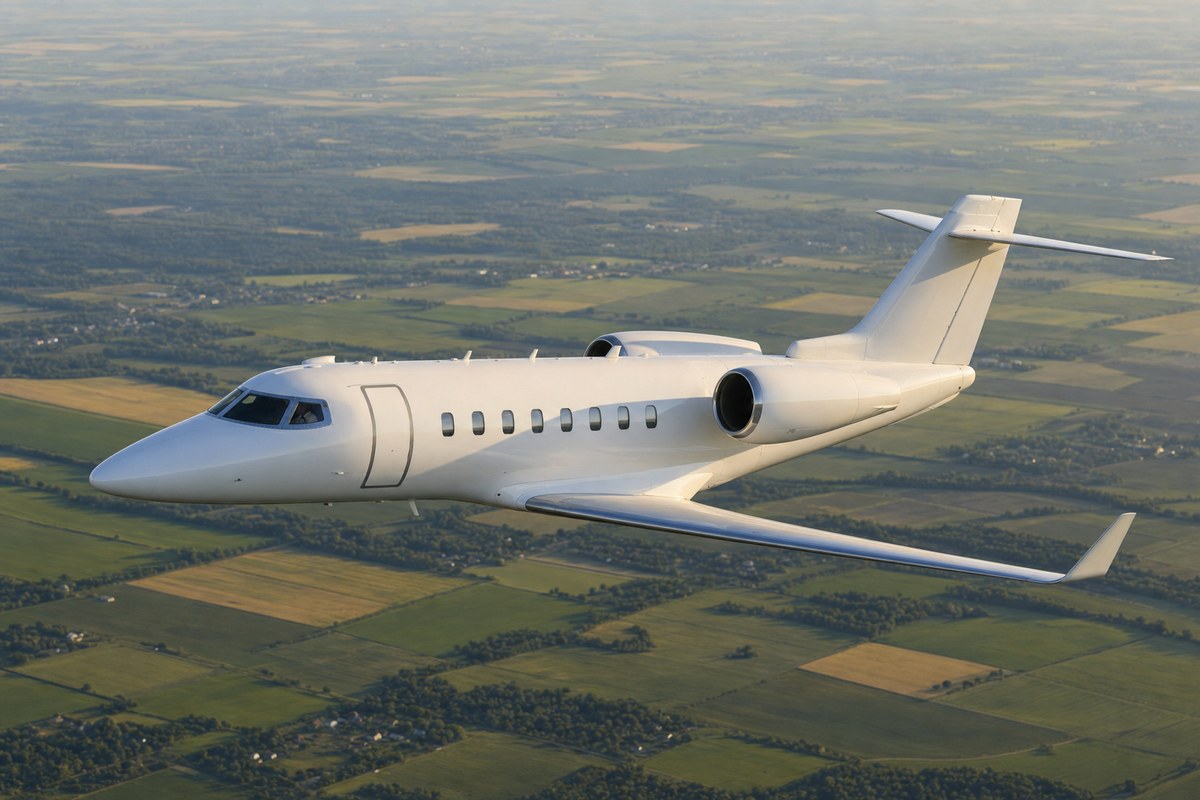
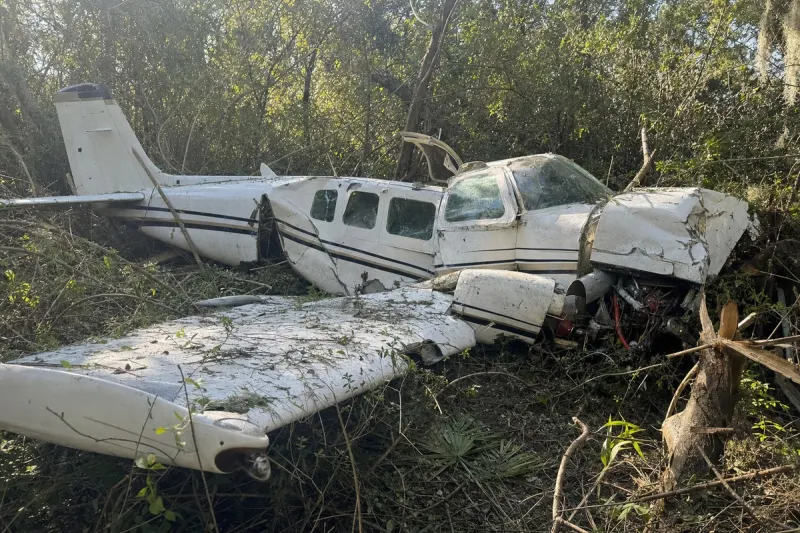
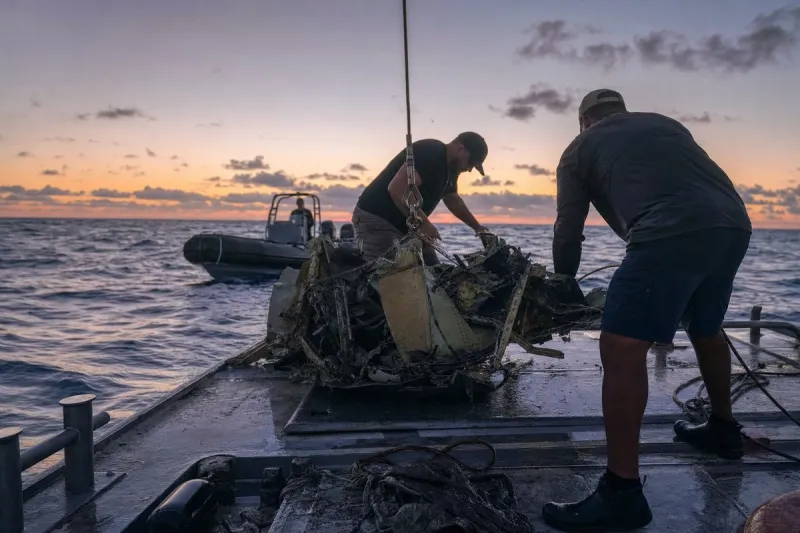
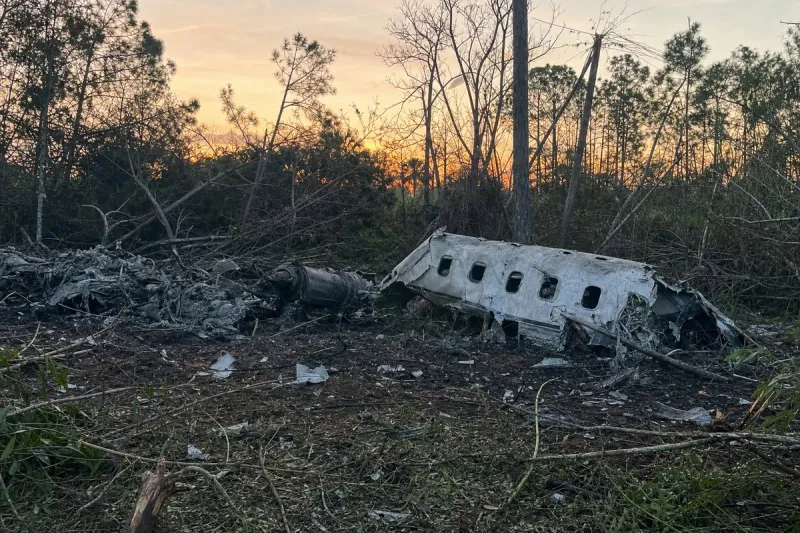
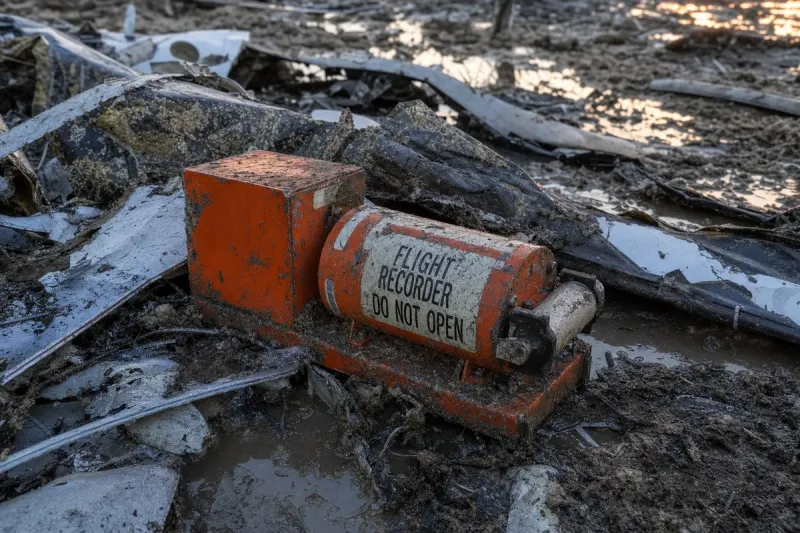
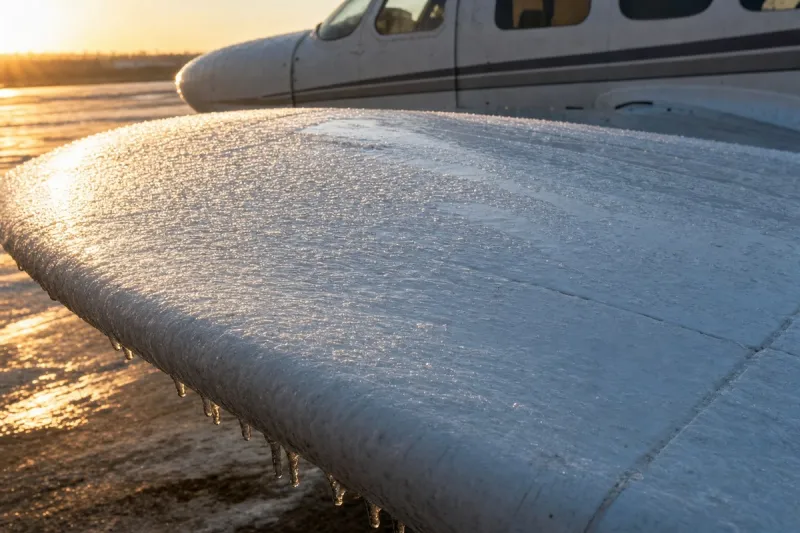
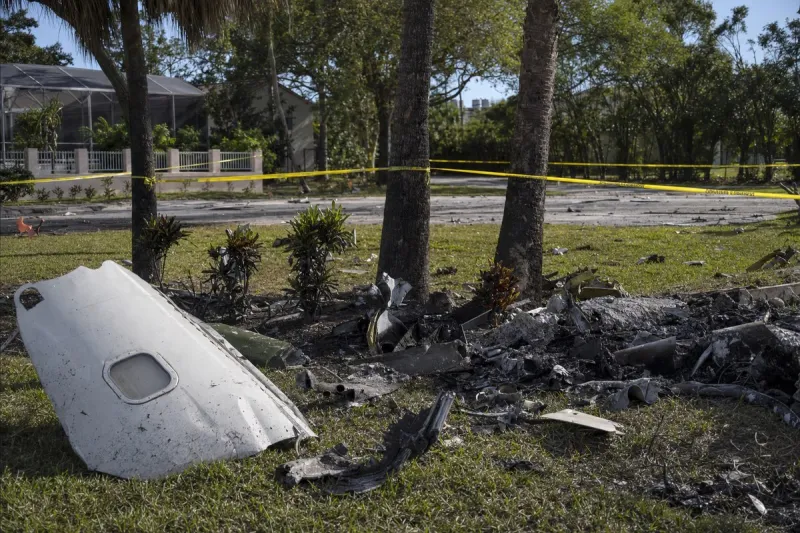
That charter jet, registered N722BD, crashed in Greenacres, Florida, shortly after the co-pilot told air traffic controllers the airplane was experiencing a buildup of ice amid turbulence while navigating severe weather over South Florida. Seven passengers and both pilots died. The aircraft was listed on the Part 135 D-085 charter certificate, an FAA list of aircraft available for charter. Fort Lauderdale-based Aurora Aviation, Inc. operated the flight under the Upper Jets banner. The FAA charter list contains more than 11,500 aircraft.
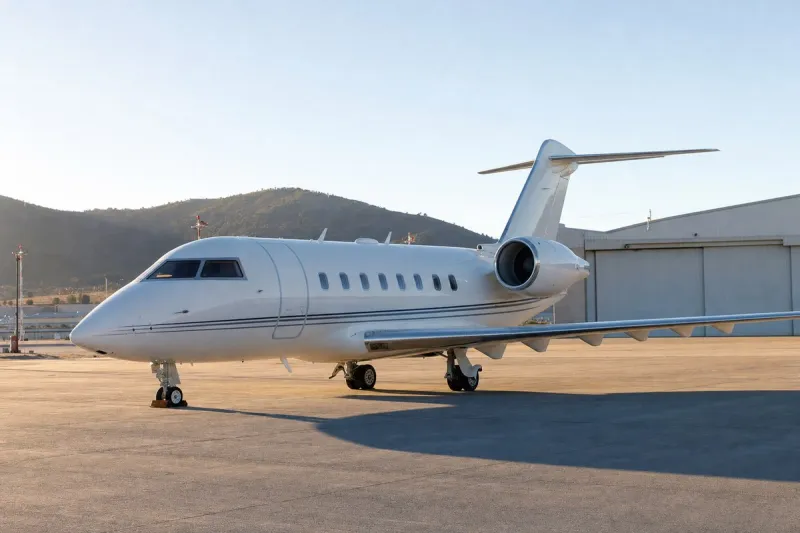
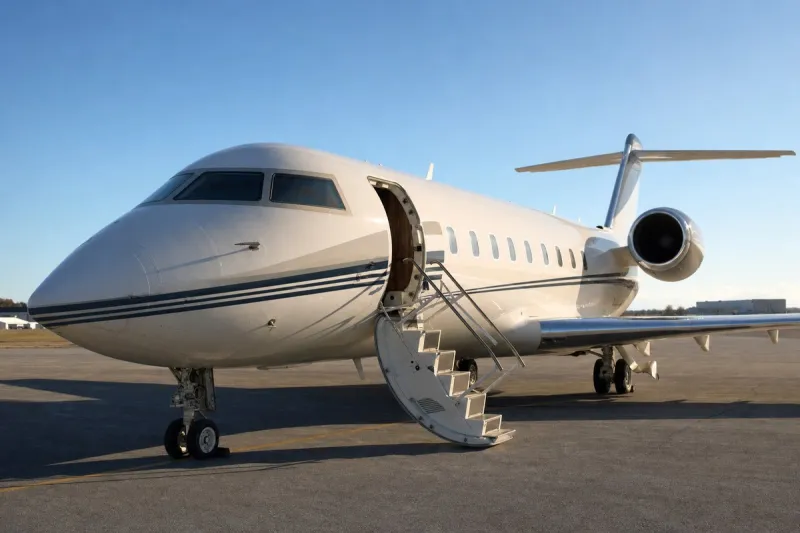
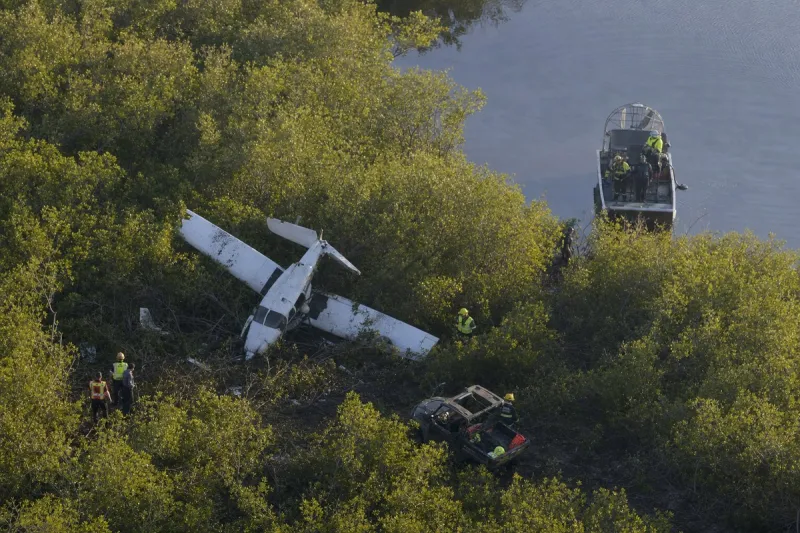
A 2021 Aviation International News report found just three fatal accidents involving U.S.-registered passenger charter jets operating under Part 135 between 2010 and 2020: a 2012 Learjet 25 crash on a flight between Monterrey and Toluca, Mexico; a 2015 Hawker 700A crash after departing Akron Regional Airport; and a September 2018 Falcon 50 runway excursion in South Carolina. Since then, two more fatal accidents have occurred on the same basis: the recent Learjet crash and the February 2024 crash of a Bombardier Challenger 604 onto Interstate 75 near Naples, Florida, which killed both pilots.
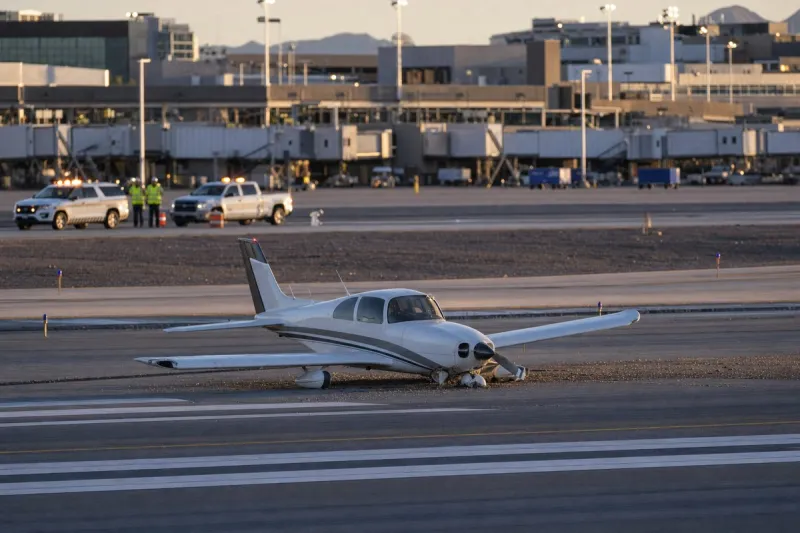
Part 91K, which covers fractional ownership programs, has recorded one fatality in tracking dating to 2006. That accident, earlier this year, involved a NetJets-operated Citation Latitude that attempted to land on a highway short of the runway in El Paso, Texas, after engine failure. One passenger died, while the crew and other passengers escaped. It was the first fatal accident in NetJets' 60-year history.
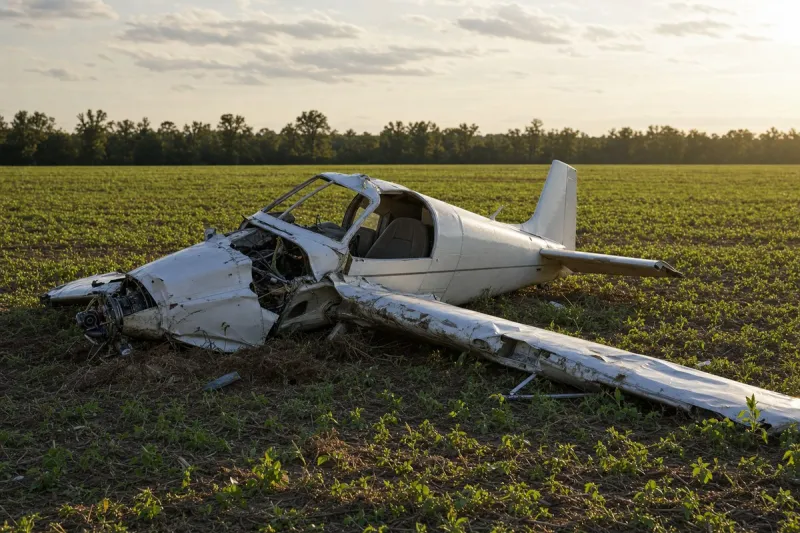
The crash that killed former NASCAR driver Greg Biffle in Statesville, North Carolina, last December, and a January Challenger 650 crash in Bangor, Maine, that killed all six aboard, both occurred under the less stringent Part 91 rules. Aviation International News counted 31 Part 91 business jet accidents with 114 fatalities between 2010 and 2020. One New York Post headline claimed private flying is up to 80 times more deadly than commercial airlines, and charter brokers say they are receiving many safety questions from customers but have not yet seen a pullback in flying.
Industry impact & what to watch
The numbers show why the regulatory category matters more than the label "private jet." Part 135 charter and Part 91K fractional operations carry more stringent crew training, medical, rest, maintenance-reporting and operator-oversight requirements than Part 91, and the accident counts above track that split: five fatal charter accidents since 2010 and one fractional fatality since 2006, against 31 Part 91 business jet accidents with 114 deaths in the 2010-2020 window alone.
Media coverage tends to blend helicopters, air ambulances and owner-flown Part 91 flights into a single "private flying" figure. For charter and fractional operators, that blending is a reputational problem: customers buying a Part 135 seat or a Part 91K share are asking about a different risk profile than the headline statistics describe, and brokers are fielding those questions now.
What would settle the matter is the investigation into the Greenacres crash, where icing and severe weather over South Florida are part of the account so far. Until findings are published, the case sits as one data point in a short series of charter fatalities, and whether customer concern turns into reduced bookings is not yet visible in broker reports.