Gulf Airspace Closures Push Middle Eastern Airlines Toward $4.3bn Net Loss in 2026
Why It MattersHub-and-spoke economics in the Gulf depend on uninterrupted overflight and transfer flows, so a prolonged airspace closure shifts the question from lost seats to whether Europe-Asia traffic permanently re-forms around other routings.
What happened
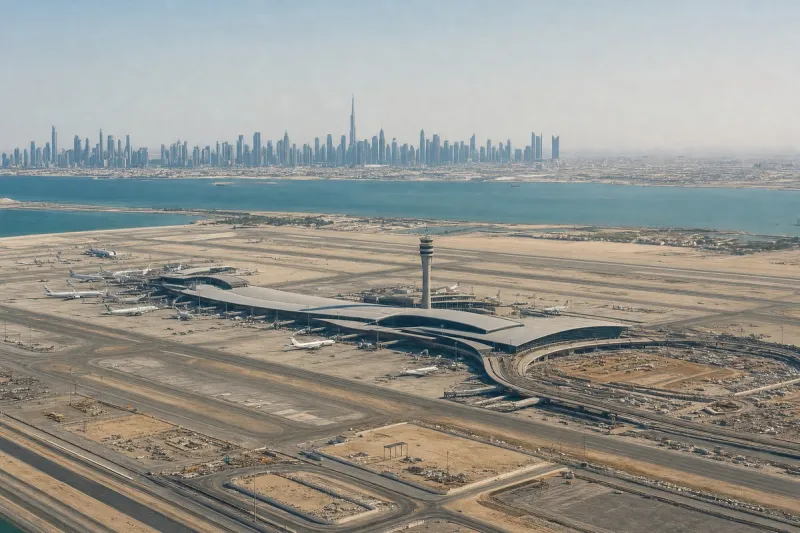
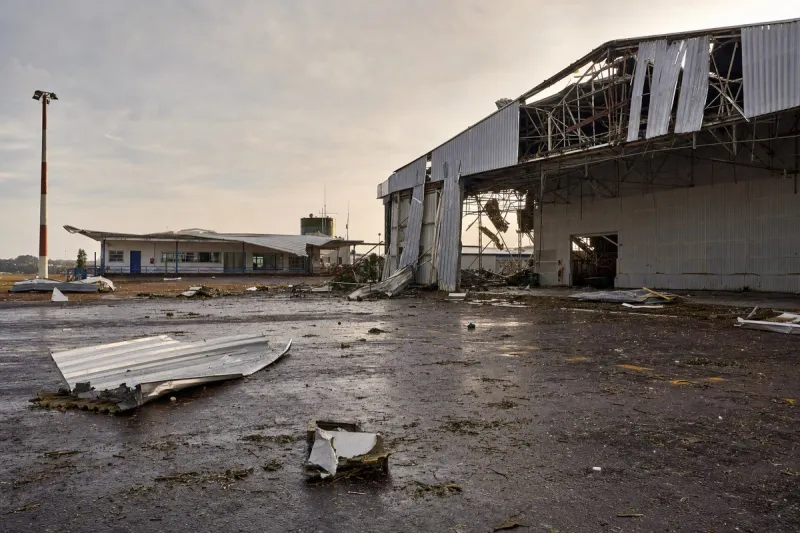
Airlines based in the Middle East are projected to swing from a $7.2bn net profit in 2025 to a $4.3bn net loss in 2026, according to IATA's June outlook. The disruption began on 28 February 2026, when the United States and Israel launched air strikes on Iran. Iranian forces then targeted areas near US military installations in Qatar and the UAE, and airports at Dubai, Abu Dhabi, Kuwait and Bahrain were hit. Qatar, the UAE, Kuwait and Bahrain closed their airspaces, reopening gradually about a week later.
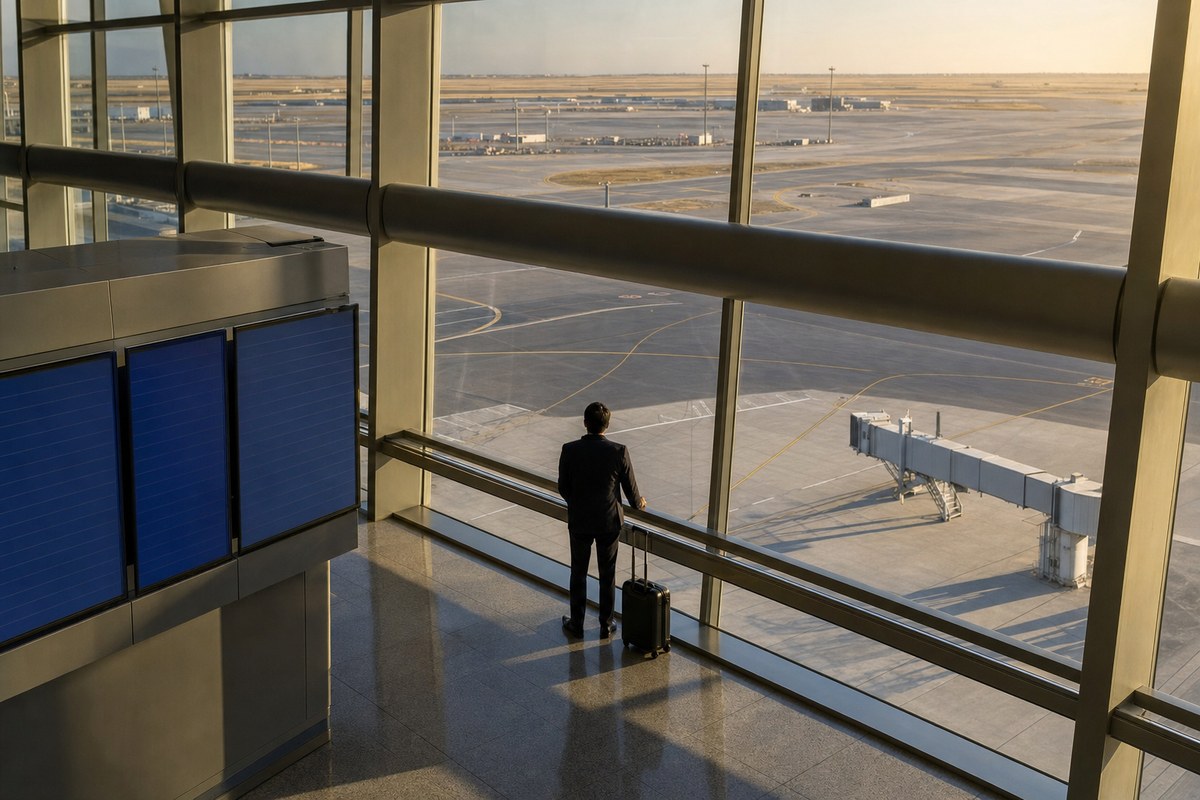
Between February and late October 2026, airlines cancelled 26,500 flights across Dubai International, Hamad International and King Khalid, a figure five times higher than in the prior year. At King Khalid, about 94% of an estimated 4,400 scheduled departures were cancelled between 10 and 27 October after missile attacks. Dubai International handled 31.5 million passengers in the first half of 2026, down 31.3% year-on-year; monthly volumes recovered from a low of 3.5 million in April to 5 million in June.
IATA data showed Middle Eastern passenger demand fell 13.9% year-on-year in June, while direct Europe-Asia traffic rose 11%. Most major regional carriers, including Emirates, Etihad and Qatar Airways, have resumed operations at reduced capacity; Emirates CEO Tim Clark said in June that his aircraft were flying at three-quarters capacity. Many European and Asian carriers have suspended regional flights, with restart targets ranging from late August to mid-January 2027.
The EU Aviation Safety Agency advised operators to avoid the airspace of Bahrain, Kuwait, Qatar and other states in the region. Emirates has introduced travel insurance covering conflict-related cancellation, with Clark saying the airline would get passengers home 'irrespective [of whether it's] on Emirates or not'. MENA geopolitical risk consultant Amandeep Kaur Ahuja described the impact as likely short-term but warned airports could expand faster than fleets are added.
Industry impact & what to watch
The Gulf carriers' model concentrates connecting traffic between Europe, Asia and Africa through a small number of hubs, which makes it unusually sensitive to airspace status. When those hubs close or operate below normal levels, the loss is not confined to local demand; it removes the transfer flows that fill long-haul aircraft on both legs. The swing from profit to a projected loss across the whole regional carrier group, rather than at a single airline, reflects that shared dependence on the same corridor.
The June figures point in two directions at once. Middle Eastern passenger demand fell 13.9% while direct Europe-Asia traffic rose 11%, which is the pattern expected when passengers who would normally connect in the Gulf are routed around it. Whether that shift is a temporary workaround or the start of a durable change in routing depends on how long foreign carriers keep their regional suspensions in place; the restart targets run from late August to mid-January 2027, so some airlines have set horizons well beyond the current year.
The next point of resolution is traffic data from competing hubs for the same period, which would show where the rerouted flows landed and how much of it carriers elsewhere are likely to retain. A second marker is whether the reopened airspaces stay open: the late-October cancellations at King Khalid show that capacity restored in one month can be lost again within weeks.