Flights Halted at King Fahd International Airport in Dammam, Inbound Aircraft Circling, Flight-Tracking Data Shows
Why It MattersA full stop at a regional gateway pushes diversions, crew-duty and slot costs onto every operator, and shows how quickly airspace risk in the Gulf becomes an operational problem.
What happened
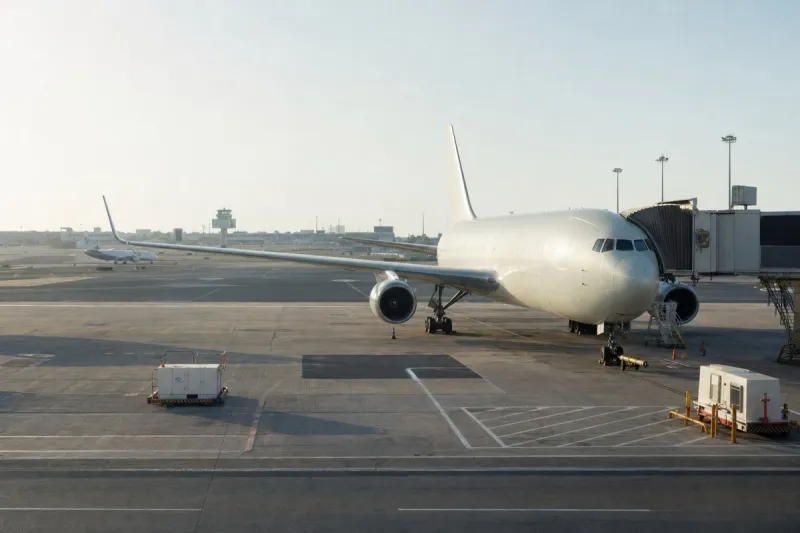
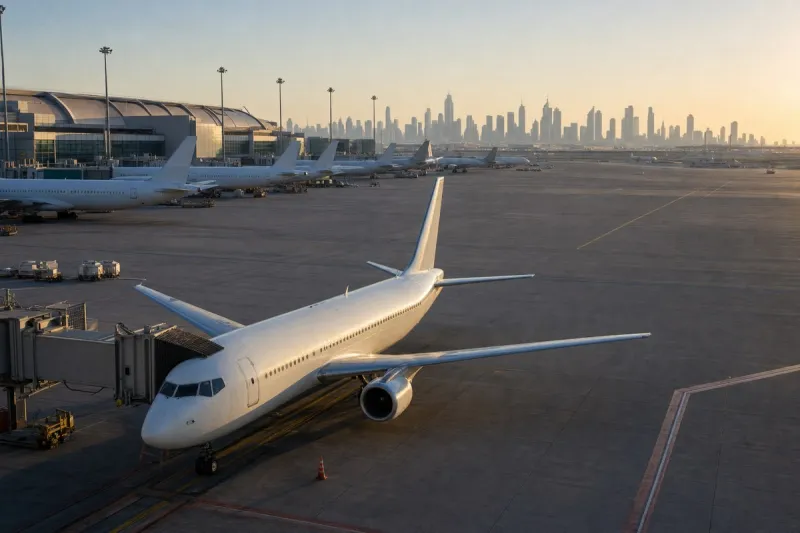
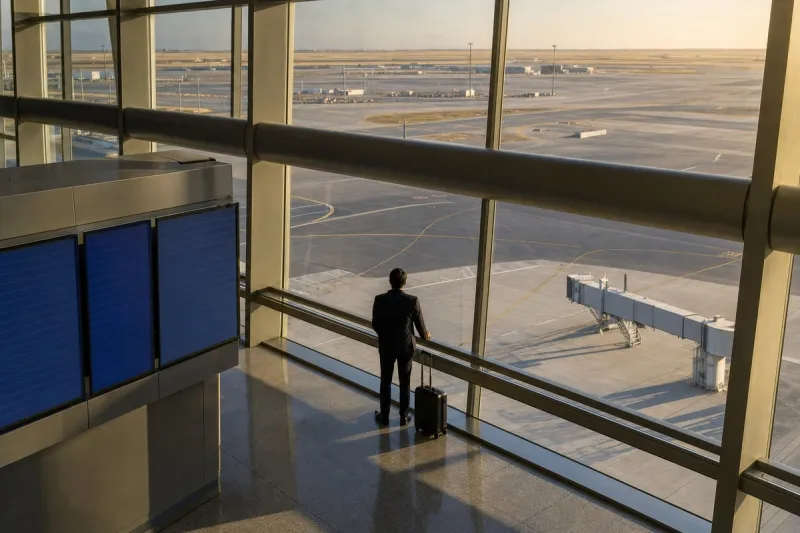
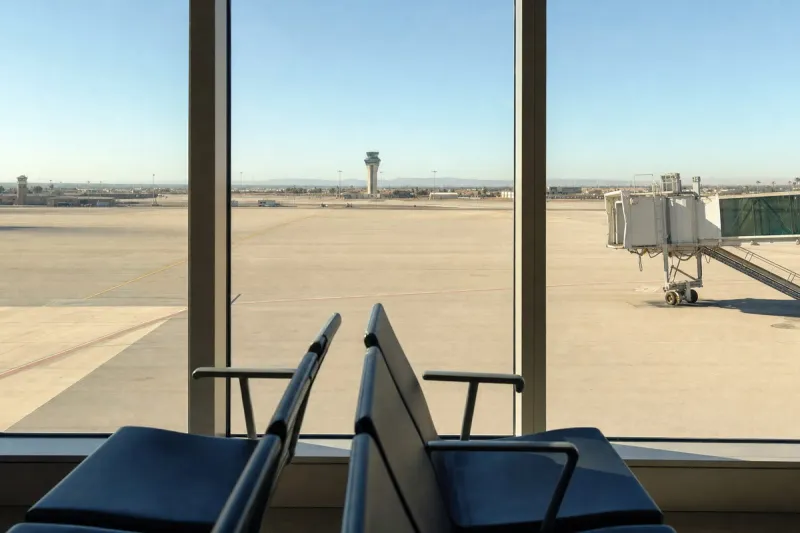
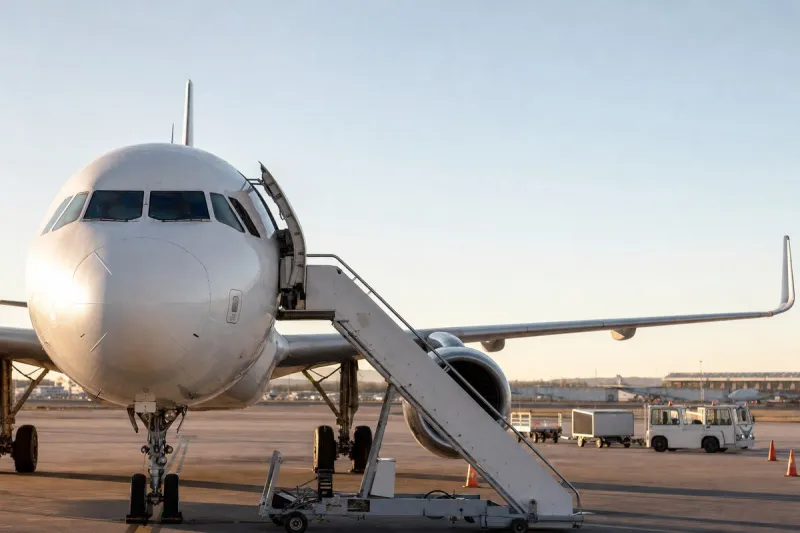
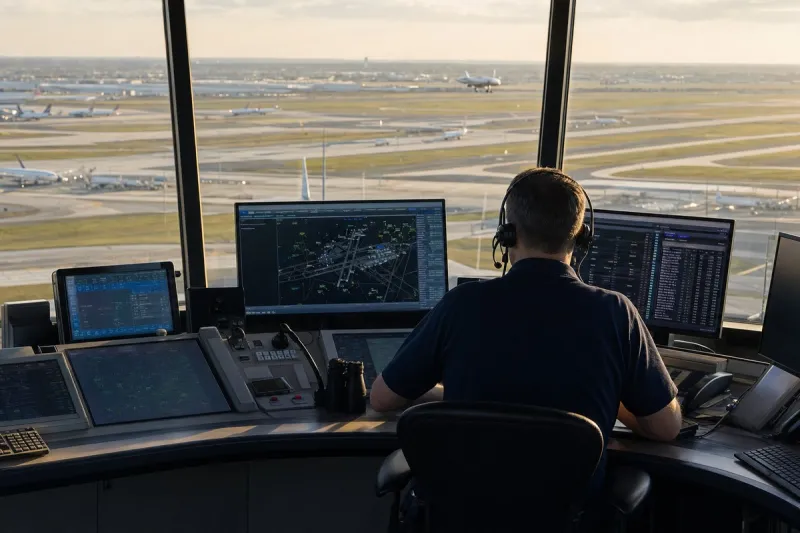
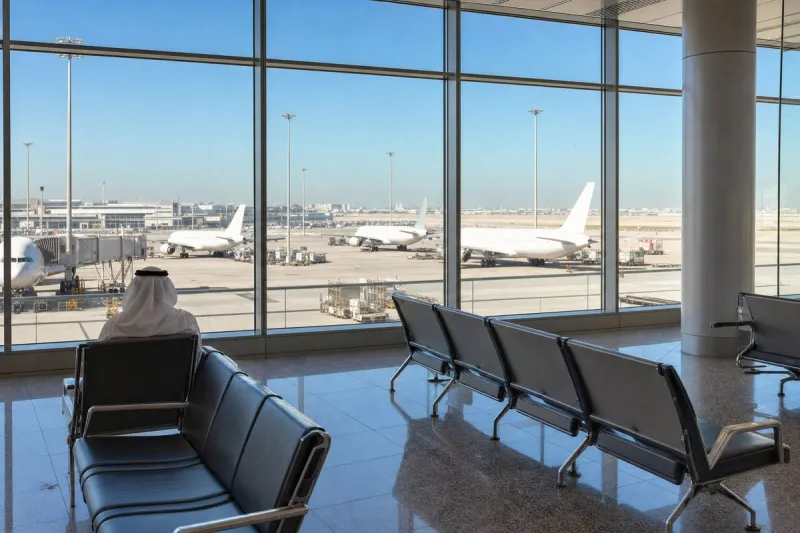
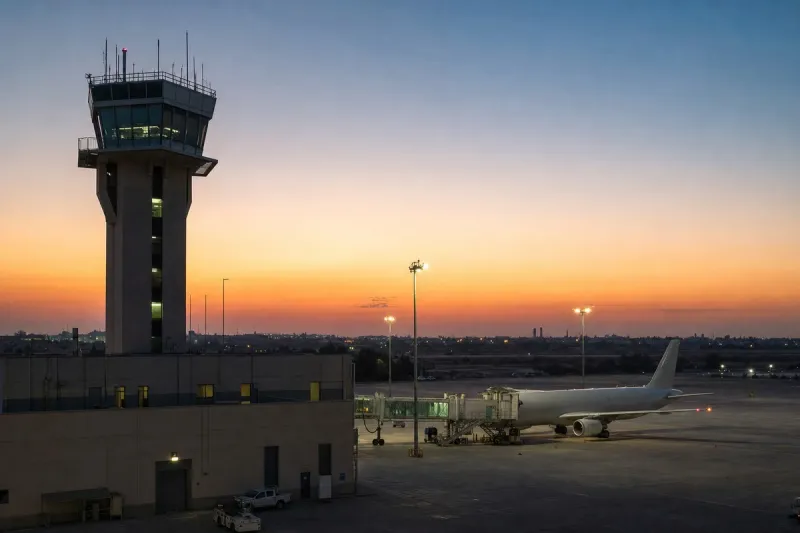
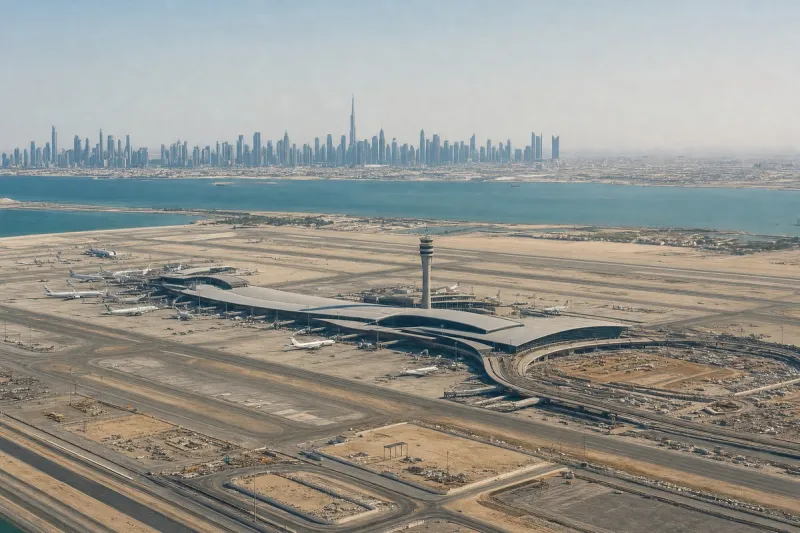
Flight-tracking data from Flightradar24 indicates that all aircraft movements at King Fahd International Airport in Dammam, in eastern Saudi Arabia, have stopped. The Webangah News Agency's International Desk relayed the observation.
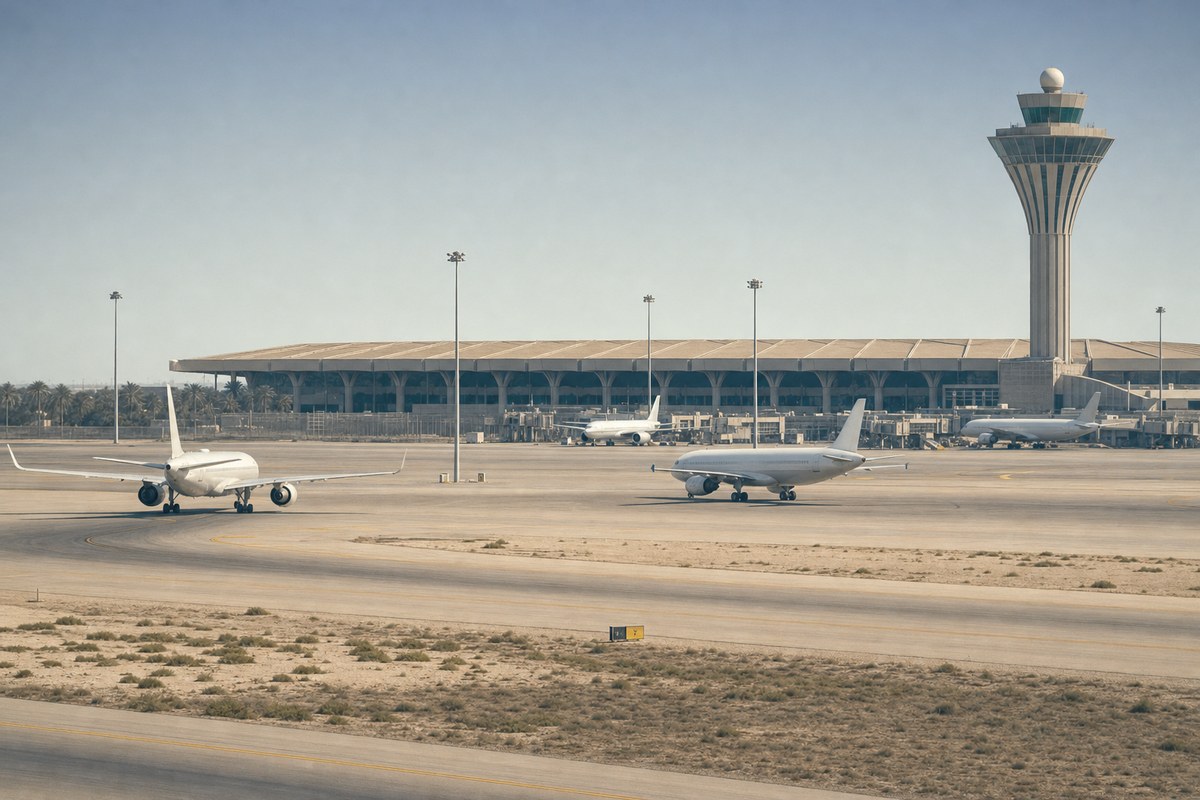
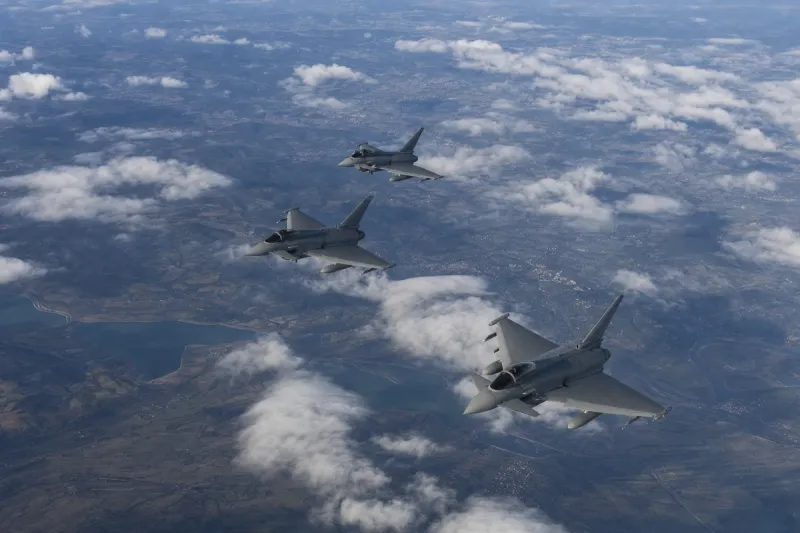
Inbound passenger and cargo aircraft have been circling over Dammam, unable to land because of the disruption.
Local reports also state that security and emergency warning sirens sounded earlier in the day in the Al-Ahsa and Abqaiq areas of Saudi Arabia. The source states that Yemeni armed forces had previously claimed responsibility for multiple drone and missile attacks.
Industry impact & what to watch
When a major regional airport stops all movements, the effect spreads well beyond the field itself. Aircraft already airborne must hold, divert or return, and every minute of holding burns fuel reserves that were planned for the alternate, not for an extended wait. Cargo and passenger operators are hit differently: scheduled freight loses its connection windows, while passenger flights face crew-duty limits.
For business aviation, the practical pattern is that airspace restrictions in the Gulf tend to arrive without a published end time. Operators with aircraft positioned in or heading to the Eastern Province have to plan alternates, handling and overnight options on the assumption that the closure may outlast the first estimate.
The next signal to follow is an official notice from the Saudi aviation authorities on when movements at Dammam resume, and whether neighbouring airports absorb the diverted traffic.