NTSB Urges Florida Residents to Report, Not Keep, Debris From Fatal Learjet 60 Crash That Killed 9
Why It MattersPublic debris recovery shows how a breakup-pattern investigation depends on physical evidence scattered across populated ground, leaving open how far weather and structural factors will be weighed once laboratory work finishes.
What happened
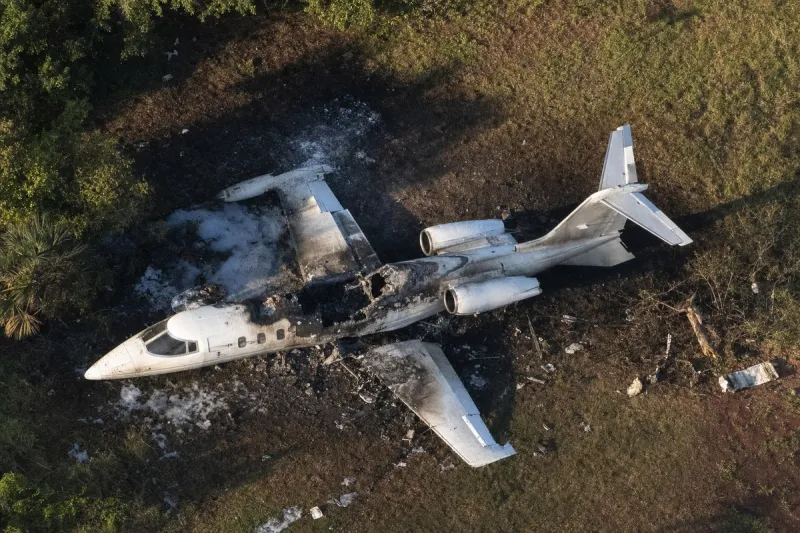
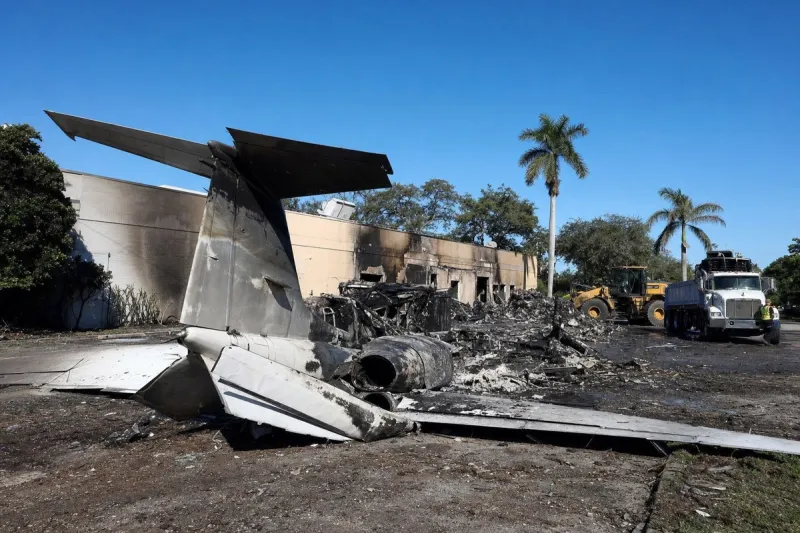
The National Transportation Safety Board has told residents near the site of a private jet crash in Greenacres, Florida, not to keep, move, alter or discard any aircraft debris they may have found. The Learjet 60 crashed on Nov. 1 near Military Trail and 10th Avenue North in Palm Beach County, killing all nine people aboard: seven passengers and two pilots.
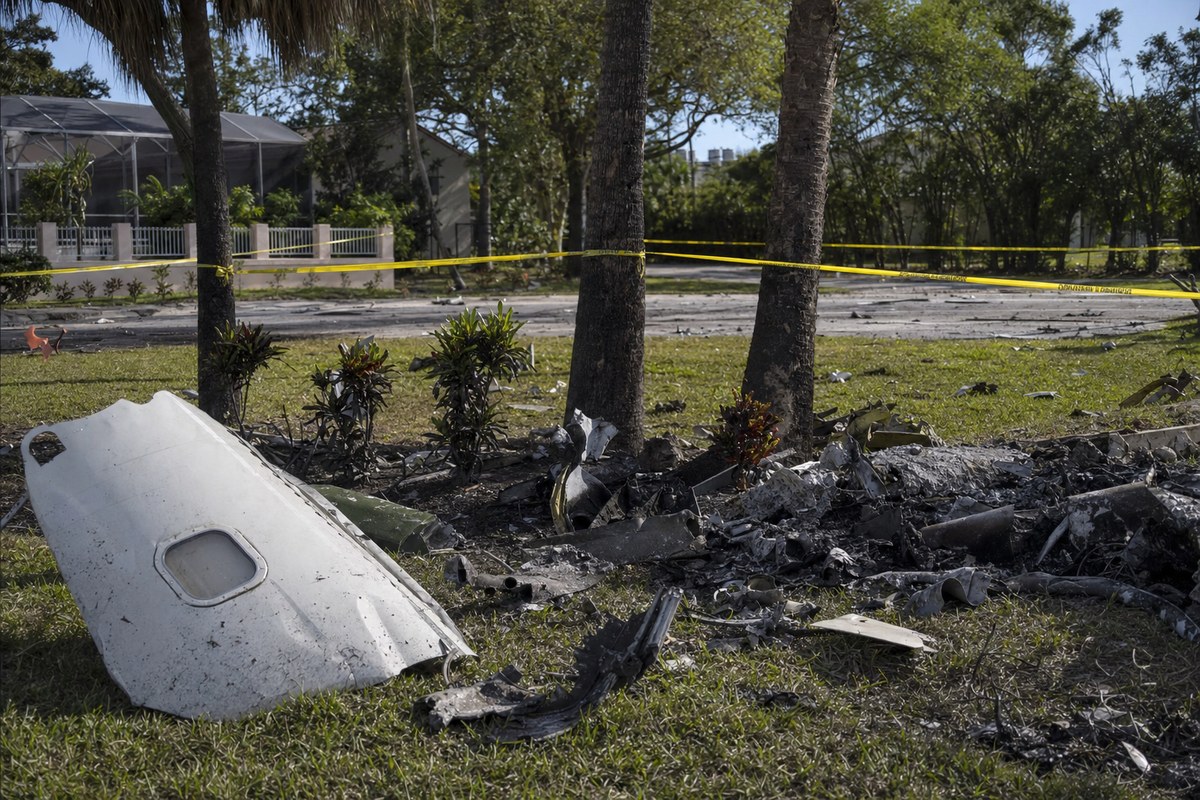
The jet had departed Austin-Bergstrom International Airport in Texas bound for North Eleuthera in the Bahamas and came down on a roadway near a mobile home community. The impact caused an explosion.
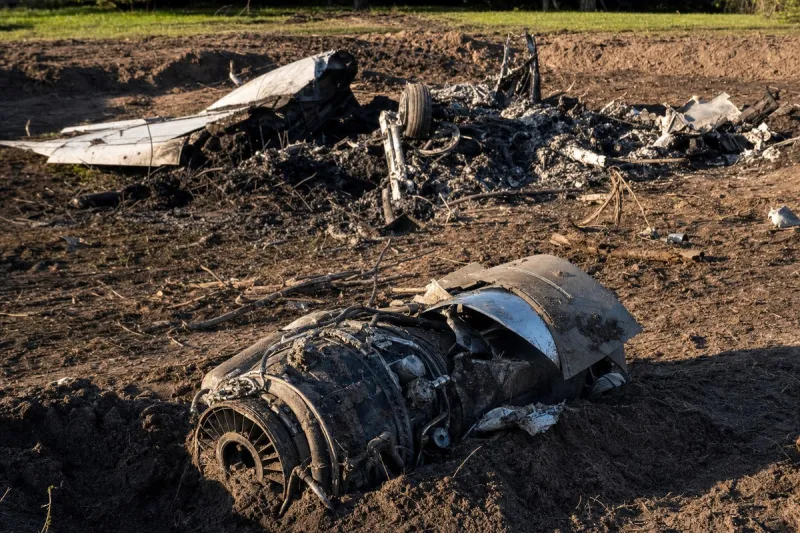
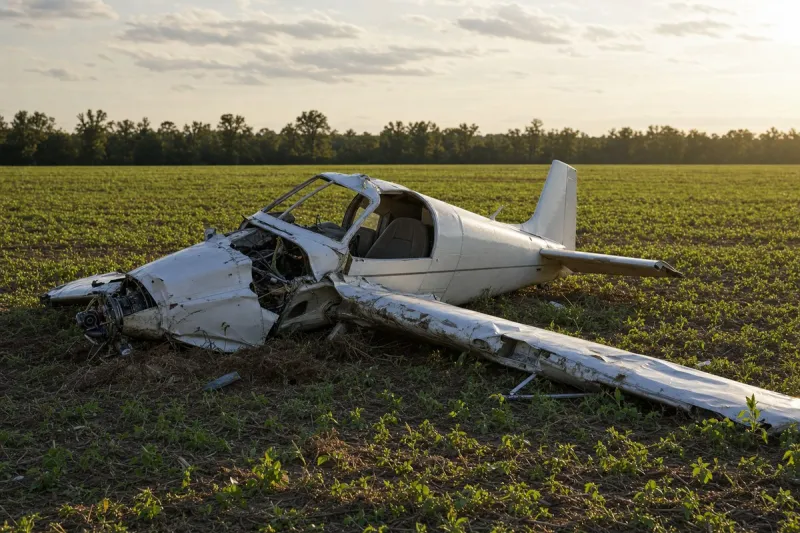
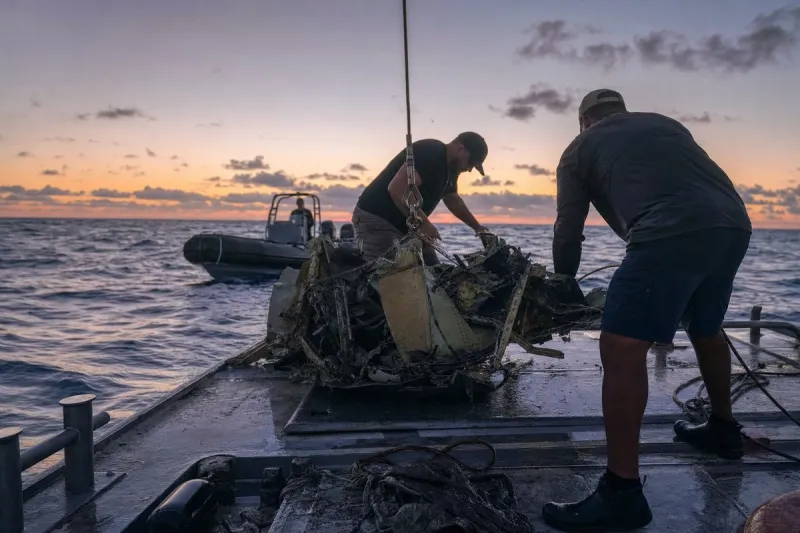
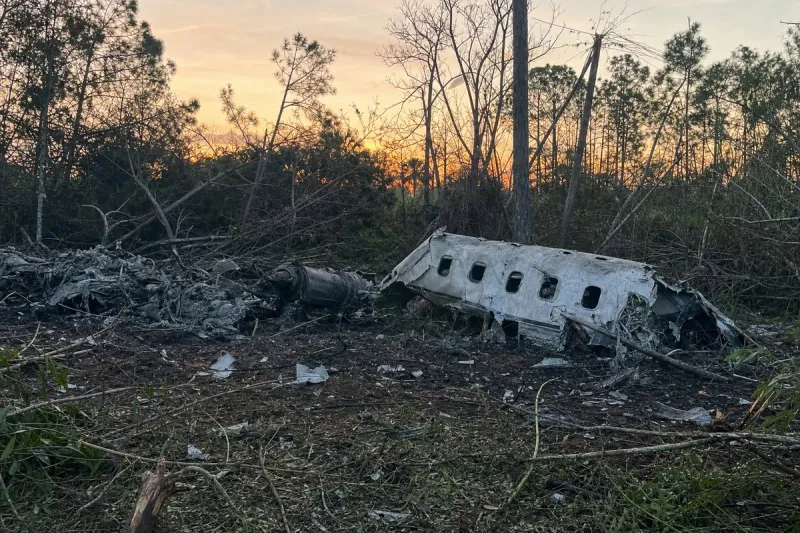
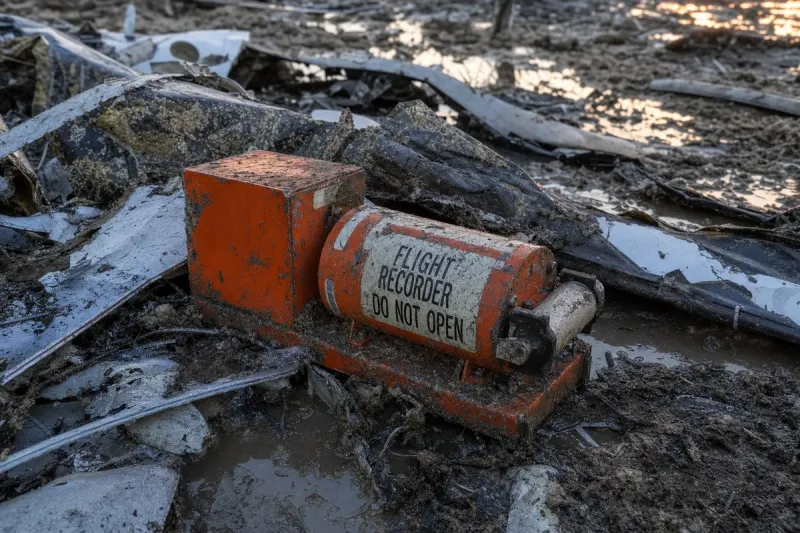
Investigators have cleared several residential and commercial properties near the site and completed much of their on-scene work, although excavation of the main impact site and debris recovery continue. Recovered and identified components include portions of both wings, both engines, the flight deck, the vertical and horizontal stabilizers, the left elevator, aileron sections and several flap track assemblies. Some of the wreckage has been sent to NTSB laboratories in Washington, D.C., for examination.
Earlier in the investigation, officials said evidence suggested the aircraft may have broken apart before striking the ground; pieces of the left elevator were found as far as 3.8 miles from the impact site. The flight crew had reported icing, turbulence and precipitation before the aircraft entered a rapid descent. The NTSB has not determined whether weather, a possible midair breakup or other factors caused the crash.
"Recovering all available wreckage is critical to the investigation and helping to determine the cause of the crash," the NTSB said. Anyone who has collected or found suspected aircraft debris is asked to email the NTSB and, where possible, include photographs. Residents seeking information about continuing recovery operations can visit Palm Beach County's official website.
Industry impact & what to watch
When an aircraft is suspected of having come apart in flight, the wreckage trail becomes part of the evidence. Components found 3.8 miles from the main impact site mean the physical record of the event is spread across residential ground, and any piece picked up, moved or thrown away can change what investigators are able to reconstruct. That is why a safety board asks the public to report finds and leave them undisturbed, with photographs where possible.
For the business-jet segment, a case like this keeps attention on how light and midsize jets are examined after in-flight events involving icing, turbulence and precipitation. The cause here is still under investigation, and nothing in the current findings assigns responsibility to weather, the airframe, maintenance or crew action. Operators and insurers generally treat the period before a probable cause is issued as a time for facts about the aircraft, the route and the conditions, not for conclusions.
The next substantive signal will be the laboratory examination of the components already sent to Washington and any further recovered pieces, followed by the NTSB's own statements on its findings.