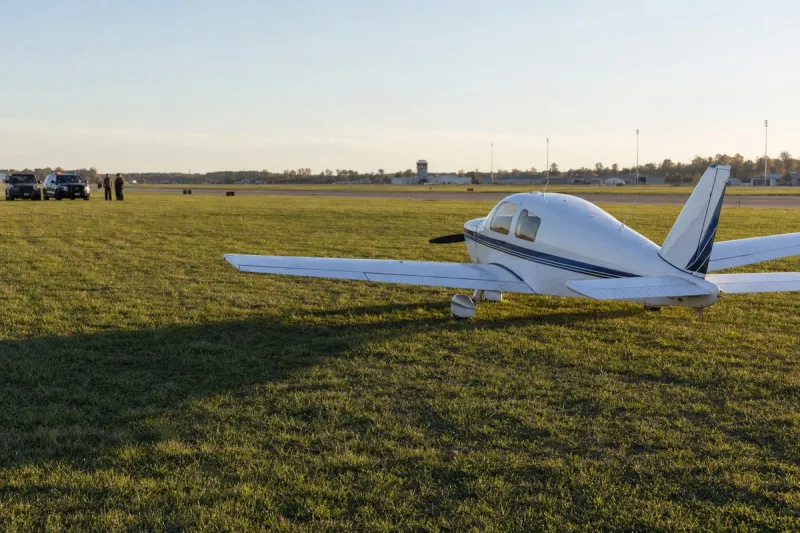
Learjet Traces Its Origins to Cancelled Swiss P-16 Fighter as NTSB Excavates Greenacres Learjet 60 Crash Site
Why It MattersThe Learjet's speed-first design lineage and the heavy reliance on wreckage recovery in this case show how both type heritage and physical evidence shape how business-jet accidents are understood.
What happened
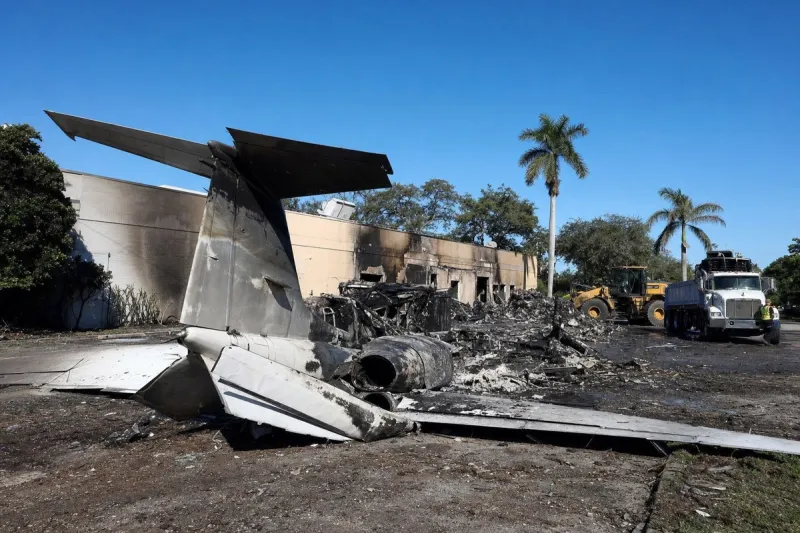
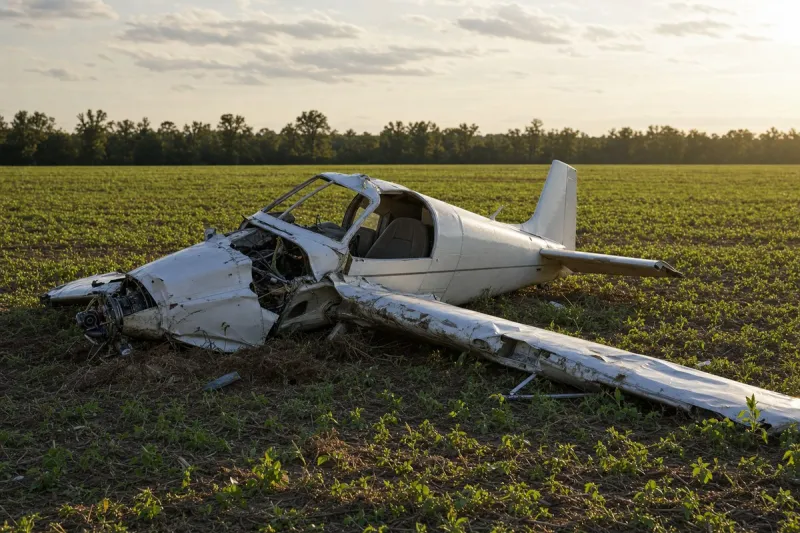
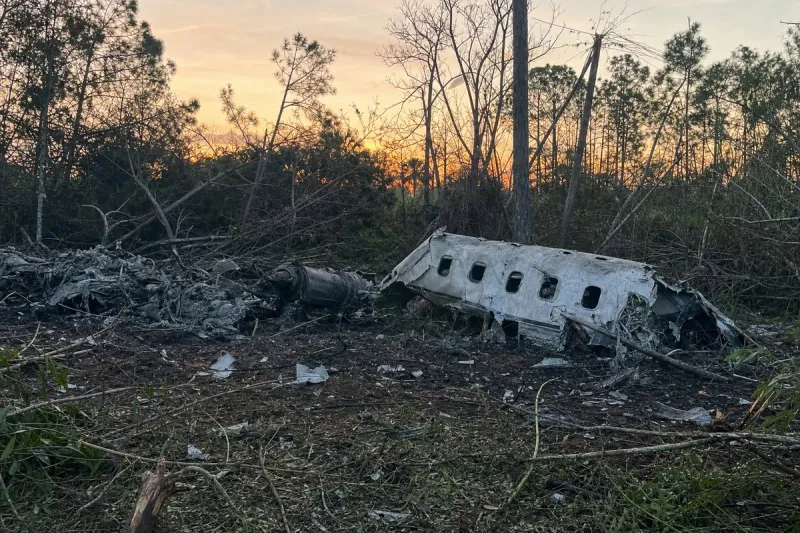
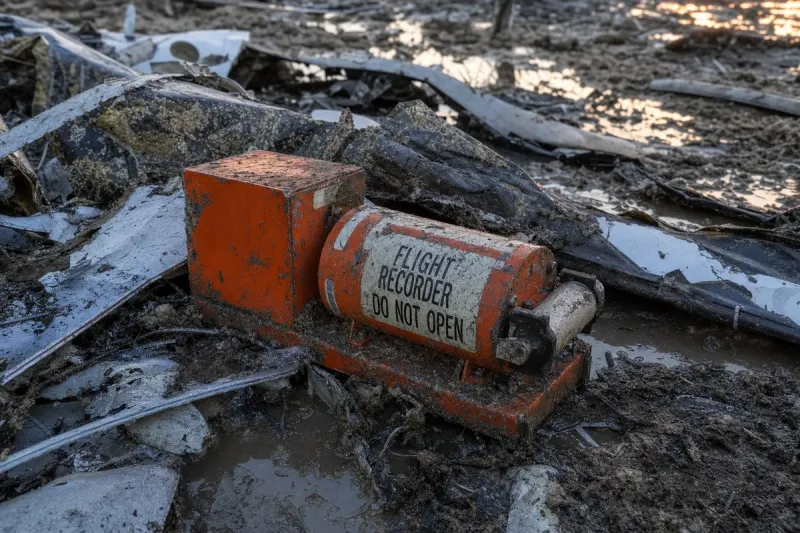
The National Transportation Safety Board began excavating the crash site in Greenacres, Florida, late on November 4 and continued into November 5. Crews recovered a portion of one engine from the soil, along with additional debris found outside the main wreckage field.
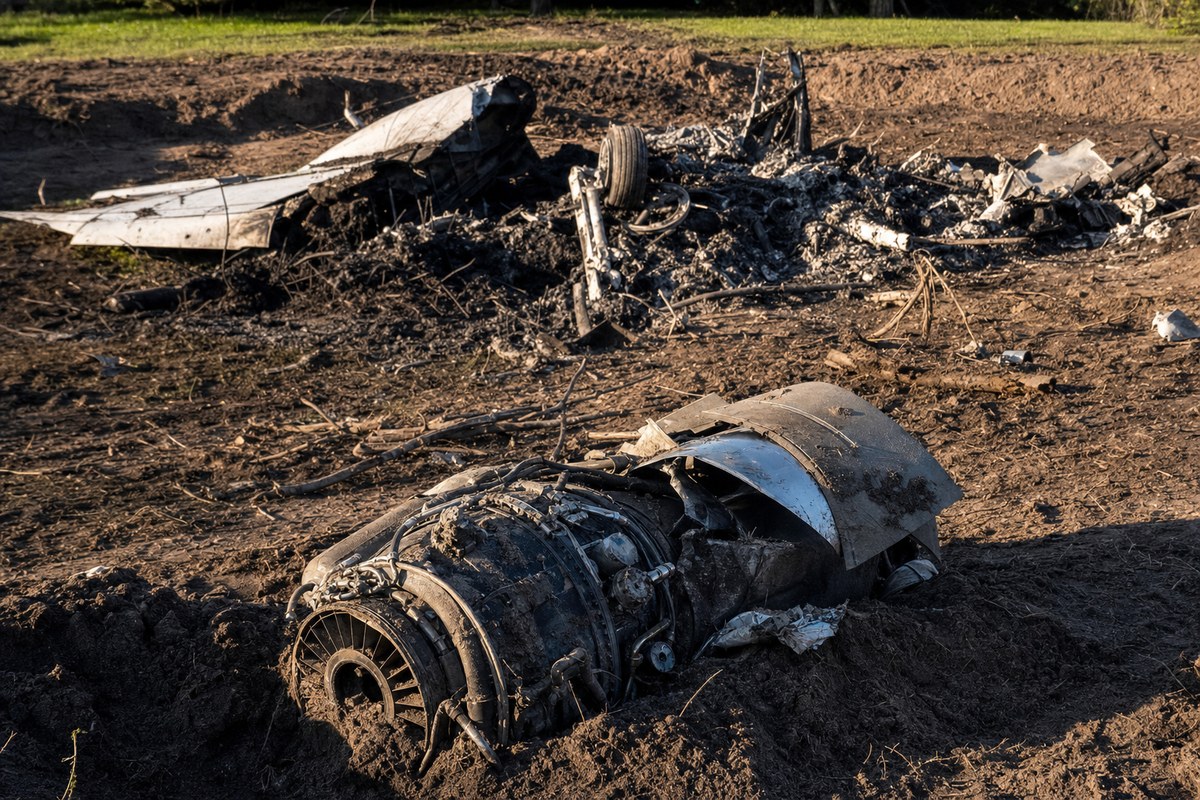
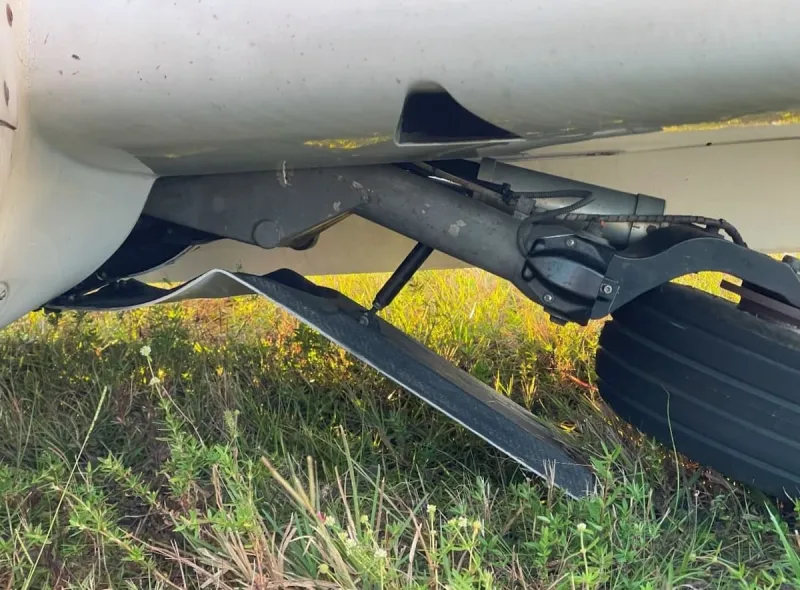
Investigators' initial photograph review showed damage to the underside of the engine compartment, a separated nose landing gear and pronounced damage along the left side of the aircraft. The aircraft was a Learjet 60 that crashed near Greenacres, killing all nine people aboard.
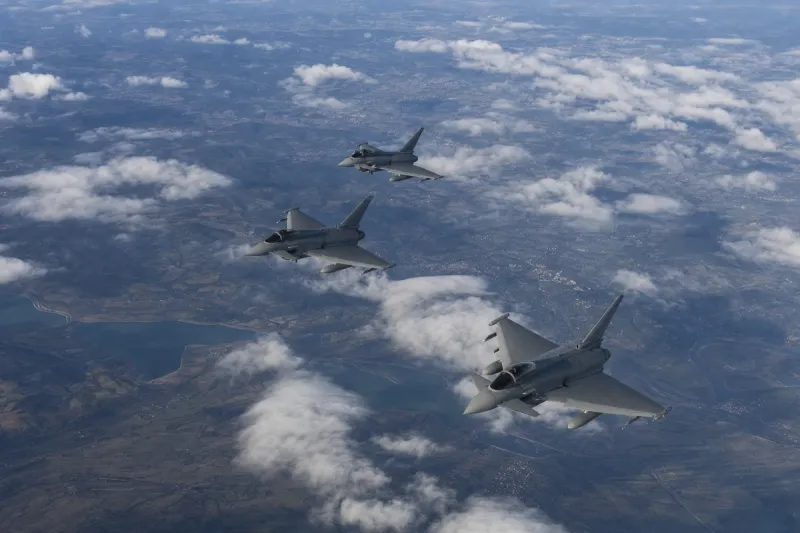
The Learjet line traces its design to the FFA P-16, a swept-wing ground-attack jet developed for the Swiss Air Force in the late 1950s. The P-16 program was cancelled after two prototypes crashed.
From Swiss fighter to Wichita business jet
Bill Lear, a self-taught inventor who left school at sixteen, acquired licensing rights to the P-16's wing design and overall configuration. His earlier work included car radio patents tied to the company that became an ancestor of Motorola, and the Lear F-5 autopilot, certified in 1949. By the late 1950s he had moved to Switzerland to pursue the business-jet concept.
In 1962 Lear moved the project to Wichita, Kansas, home to Cessna and Beechcraft. The prototype Learjet 23 first flew on October 7, 1963, with Lear in the right seat, reaching 426 mph on its maiden flight.
FAA certification followed in 1964, making it the first American-built, purpose-designed business jet to reach that milestone, with an initial list price of $645,000. The cabin was notably narrow, reflecting Lear's priority on speed and ceiling. The line later grew through the 24, 25, 35, 36 and 55 to the 60.
Industry impact & what to watch
The two threads in this story sit at different timescales. The excavation is the slow, physical end of an accident investigation: engine fragments pulled from soil and debris scattered beyond the main wreckage field are the kind of evidence that lets investigators test which failures occurred before impact and which resulted from it. At this stage the cause has not been determined, and the damage pattern seen in the first photographs does not by itself establish one.
The design history explains why the Learjet name carries the weight it does in the segment. A type conceived around speed and ceiling, flown first in 1963 and certified in 1964, set the template for the light and midsize jet category, and the 60 is a late descendant of that line. Heritage is not a safety finding, though, and a type's origins should not be read as an explanation for any single accident.
The next concrete milestone is the NTSB's own output: a preliminary report on the Greenacres crash, followed by the engine examination that the recovered fragment makes possible.