Aridge Advances Land Aircraft Carrier Flying Car Toward UAE Launch, With 7,000 Pre-Orders and 2027 Deliveries
Why It MattersA road-and-air vehicle seeking UAE commercial service shows that regulatory validation and airspace integration, not hardware readiness, set the pace for eVTOL market entry in the Gulf.
What happened
Aridge, a division of Xpeng Motors, is moving its Land Aircraft Carrier (LAC) modular flying car toward commercial availability in the UAE and the wider GCC region. The company has secured more than 7,000 global pre-orders, including 600 units allocated to Gulf markets, with consumer deliveries scheduled to begin in 2027.
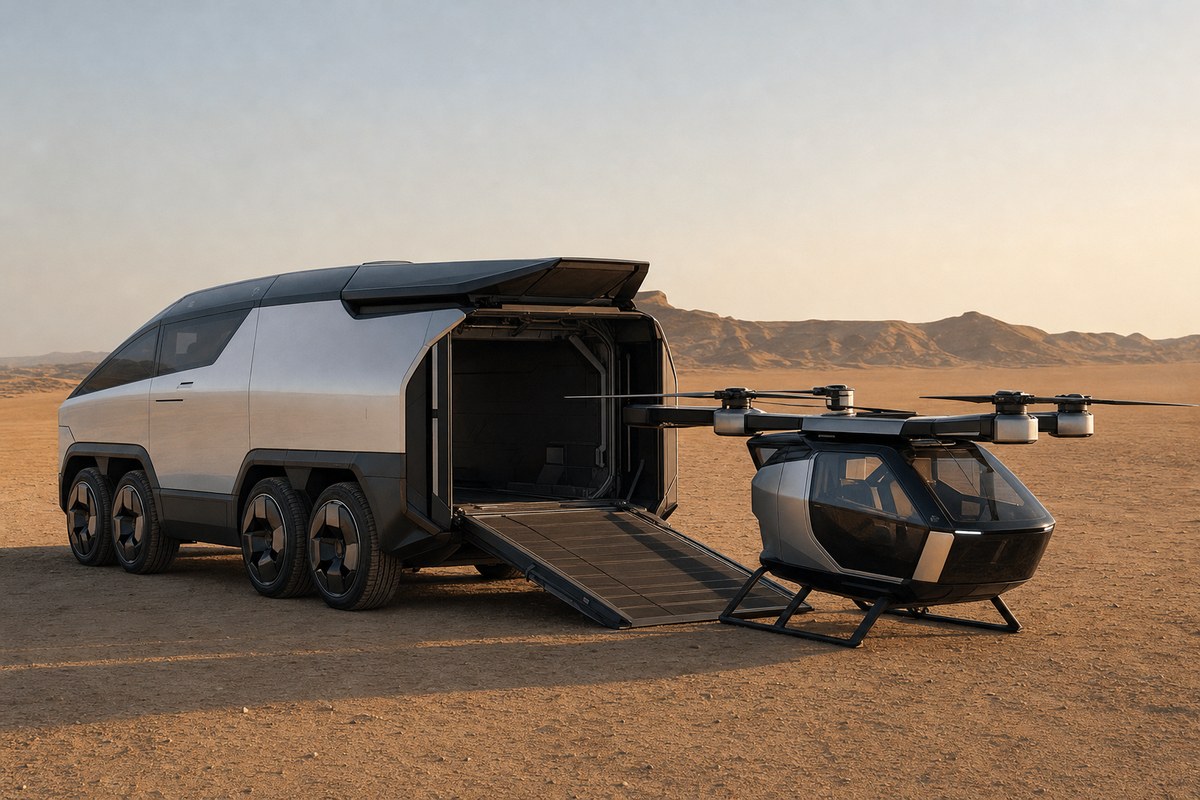
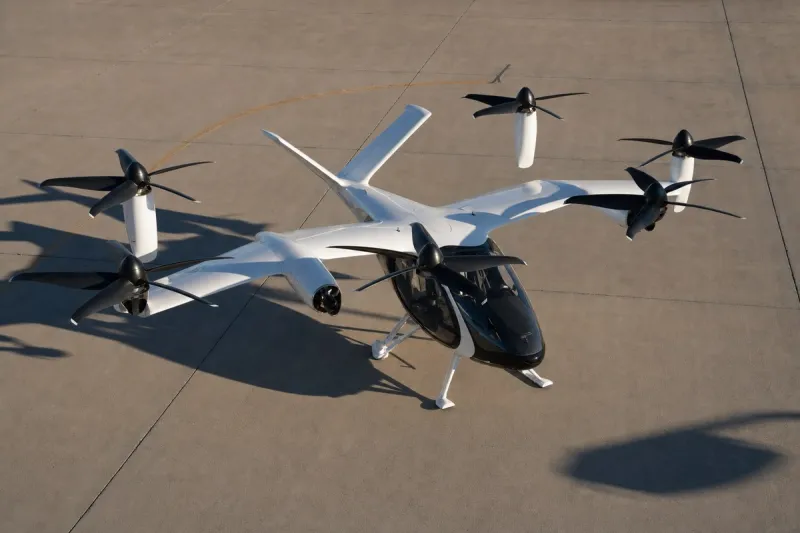
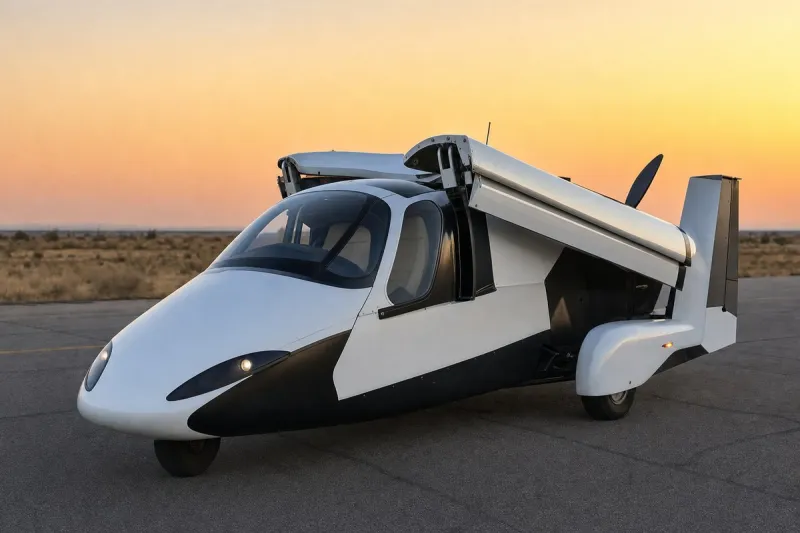
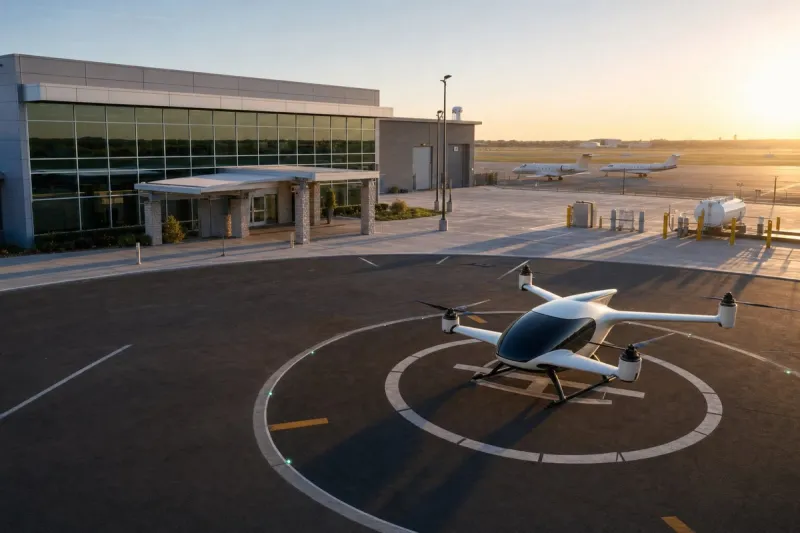
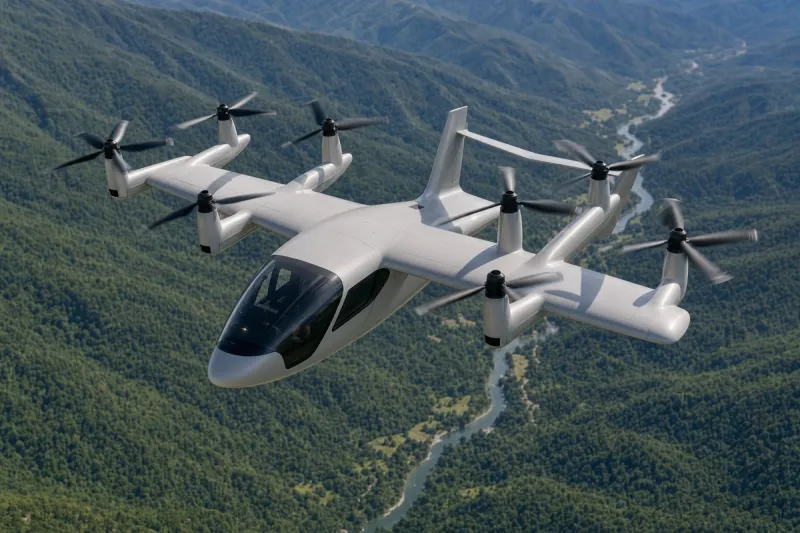
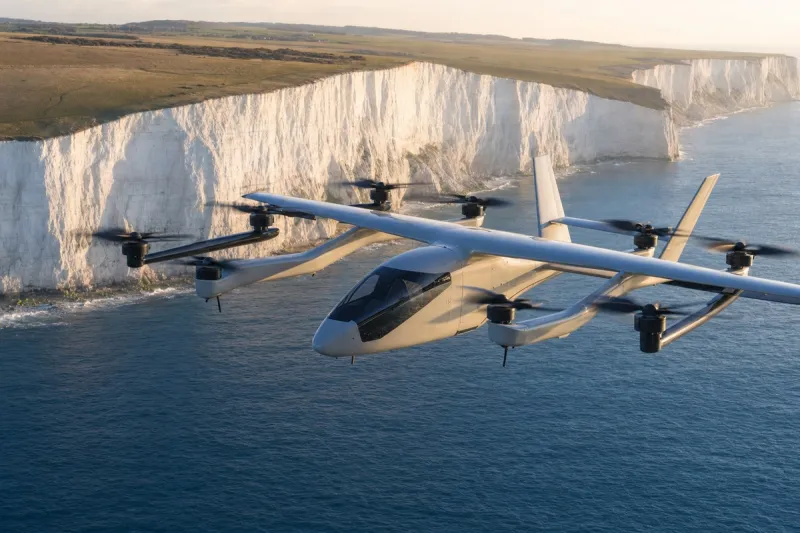
The vehicle has two modules. The ground unit is a tri-axle, six-wheel-drive electric platform that serves as a road-legal vehicle, mobile charging station and protective hangar. The air module, the X3-F, is a two-seat multirotor eVTOL (electric vertical take-off and landing) aircraft with redundant propulsion, manual single-stick flight controls and automated pilot-assist software. An automated mechanical coupling system deploys or docks the air unit within five minutes via a single command, and the ground unit recharges the air module's batteries while docked.
Aridge obtained a Special Flight Permit from the UAE General Civil Aviation Authority (GCAA) to conduct public manned demonstration flights in Dubai, and has partnered with the Ras Al Khaimah Transport Authority to identify low-altitude flight corridors and landing zones. The Civil Aviation Administration of China (CAAC) has accepted the air module's Type Certificate and Production Certificate applications. Commercial flight operations in the UAE remain subject to multi-stage regulatory validation and airspace integration.
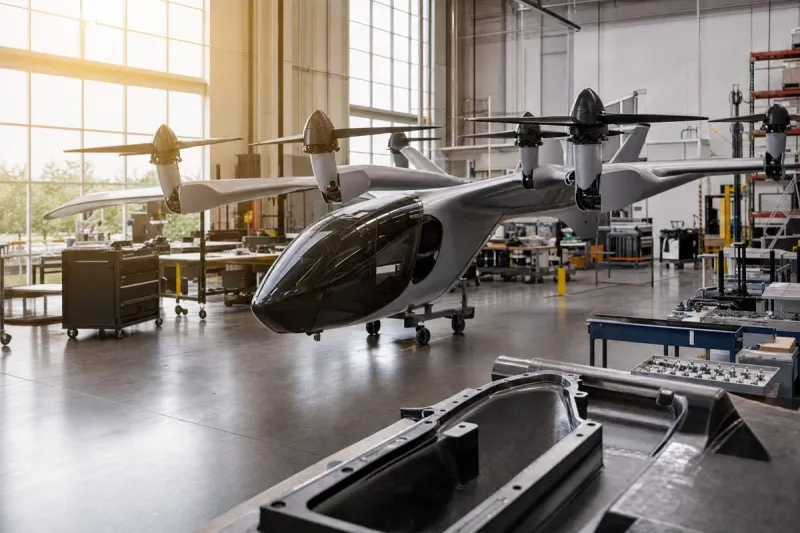
Ali & Sons Group is named as a regional commercial partner in the UAE. Production is planned at a facility in Guangzhou with a capacity of 10,000 units per year.
Industry impact & what to watch
The permit structure here illustrates how eVTOL programmes generally enter new markets: a demonstration authorisation comes first, corridor and landing-zone planning with a local transport authority follows, and only then does commercial operation become a regulatory question. A Special Flight Permit covers public demonstration flights; it is a different instrument from the type and production certification that the CAAC has so far accepted for review.
The modular design also changes the regulatory picture compared with a single-purpose aircraft. A road-legal ground unit that doubles as a charger and hangar addresses infrastructure needs that most eVTOL concepts leave to third parties, while the air module still has to clear aviation certification on its own terms.
The next milestones are the multi-stage validation and airspace integration that the UAE commercial operations still require, and the 2027 delivery start against which the 600 Gulf allocations will be measured.