Gogo Reports 297 Aircraft Online With Galileo at Sept. 30 as Air-to-Ground Base Falls 17%
Why It MattersGogo's results show business aviation connectivity shifting from legacy air-to-ground toward low Earth orbit satellite service, with the older base shrinking faster than the new one is being installed.
What happened
Gogo reported 297 aircraft online with its Galileo satellite connectivity service at September 30, 2026. The company shipped 172 Galileo units during the third quarter, up 95% from the comparable quarter a year earlier. Equipment shipments record hardware delivered during the quarter, while aircraft online describe the service base at the reporting date.

Over the same period, Gogo reported 5,399 aircraft online with its air-to-ground service, down 17%, and 1,285 aircraft online with its geostationary satellite service, down 4%.
Total third-quarter revenue was $213.2 million, down 5% from the comparable period. Military and government revenue rose 36% to $37.2 million, and business aviation revenue declined 10% to $145.6 million. The company reported a net loss of $3.2 million.
Galileo connects aircraft through Eutelsat OneWeb's low Earth orbit satellite network. Gogo offers two antenna configurations: HDX, which uses a single antenna array that alternates between transmitting and receiving, and FDX, which uses separate arrays to transmit and receive simultaneously.
Certification and fleet commitments
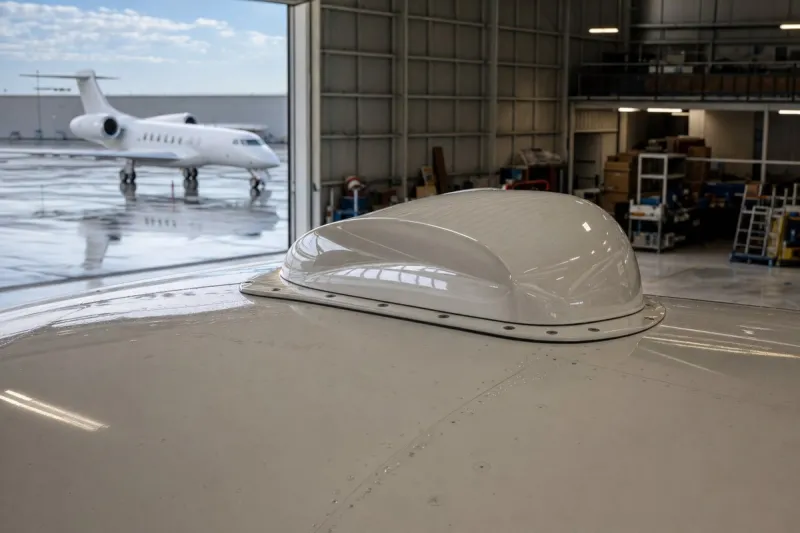
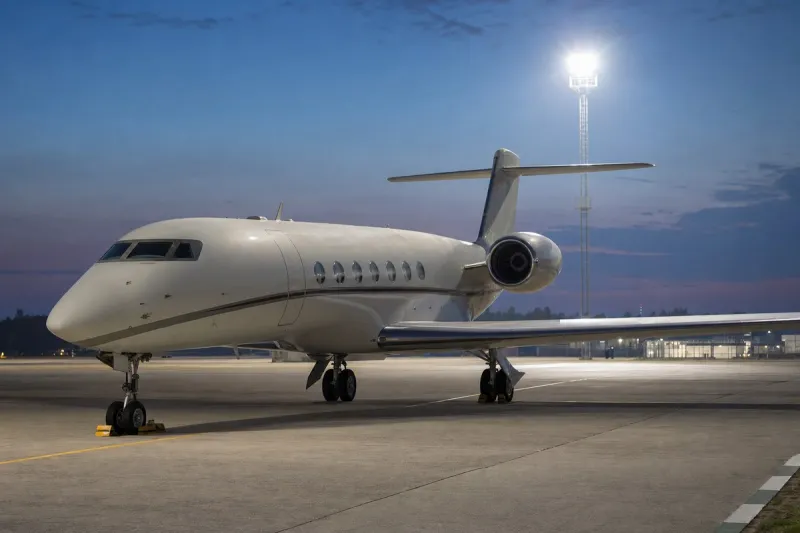
On July 1, 2026, Gogo announced a supplemental type certificate for Galileo HDX installation on Gulfstream G650 and G650ER aircraft, with the antenna placed within a tail-mounted radome.
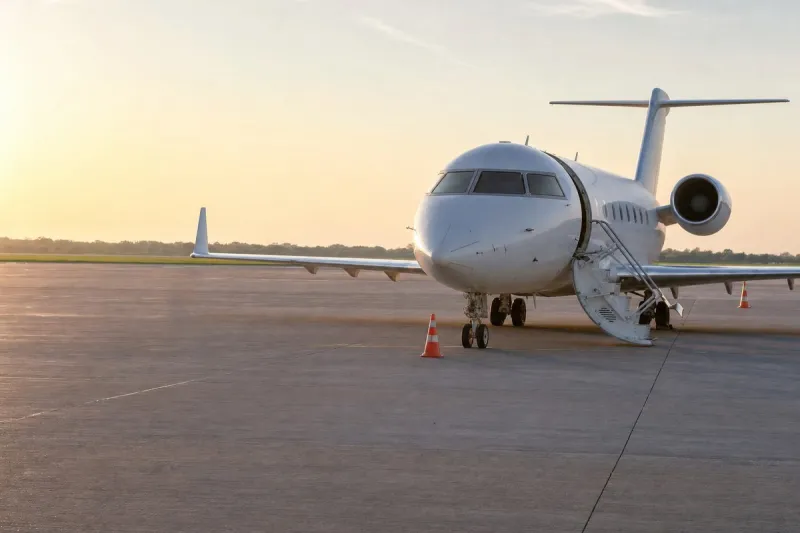
On October 27, 2026, Gogo announced that TransMedics selected Galileo HDX for 22 Embraer Phenom 300E aircraft used in organ transport operations. Installations are underway, with fleet-wide operation targeted for mid-2027. Those aircraft are not part of the September 30 service count.
Industry impact & what to watch
The quarter puts two different measures side by side. Shipments of 172 Galileo units describe hardware leaving the factory, while 297 aircraft online describes service live at quarter-end. In a retrofit-driven market, the gap between those two numbers is the lag between delivery and a revenue-generating installation, and it explains why a 95% rise in shipments sits alongside a revenue decline.
The legacy base is moving in the opposite direction. Air-to-ground aircraft online fell 17% to 5,399 and geostationary satellite aircraft online fell 4% to 1,285, so Galileo's 297 aircraft are still small against the two older service bases. Business aviation revenue fell 10% to $145.6 million while military and government revenue rose 36% to $37.2 million, showing where growth is coming from.
The next dated markers are the TransMedics installations on 22 Phenom 300E aircraft, targeted for fleet-wide operation in mid-2027, and how many of the Gulfstream G650 and G650ER installations enabled by the July certificate reach service. Those milestones will show whether Galileo's online count can grow fast enough to offset the shrinking air-to-ground base.