Orange Type I Fluid Clears Frozen Contamination From Wings; Green Type IV Fluid Protects the Clean Surface Until Takeoff
Why It MattersBecause holdover protection is an estimate tied to product, temperature and precipitation, winter dispatch reliability depends as much on taxi and queue timing as on the fluid itself.
What happened
Guidance from Transport Canada and the U.S. Environmental Protection Agency (EPA) explains that in the common two-step winter treatment of aircraft, the orange and green fluids sprayed on a wing do different jobs.
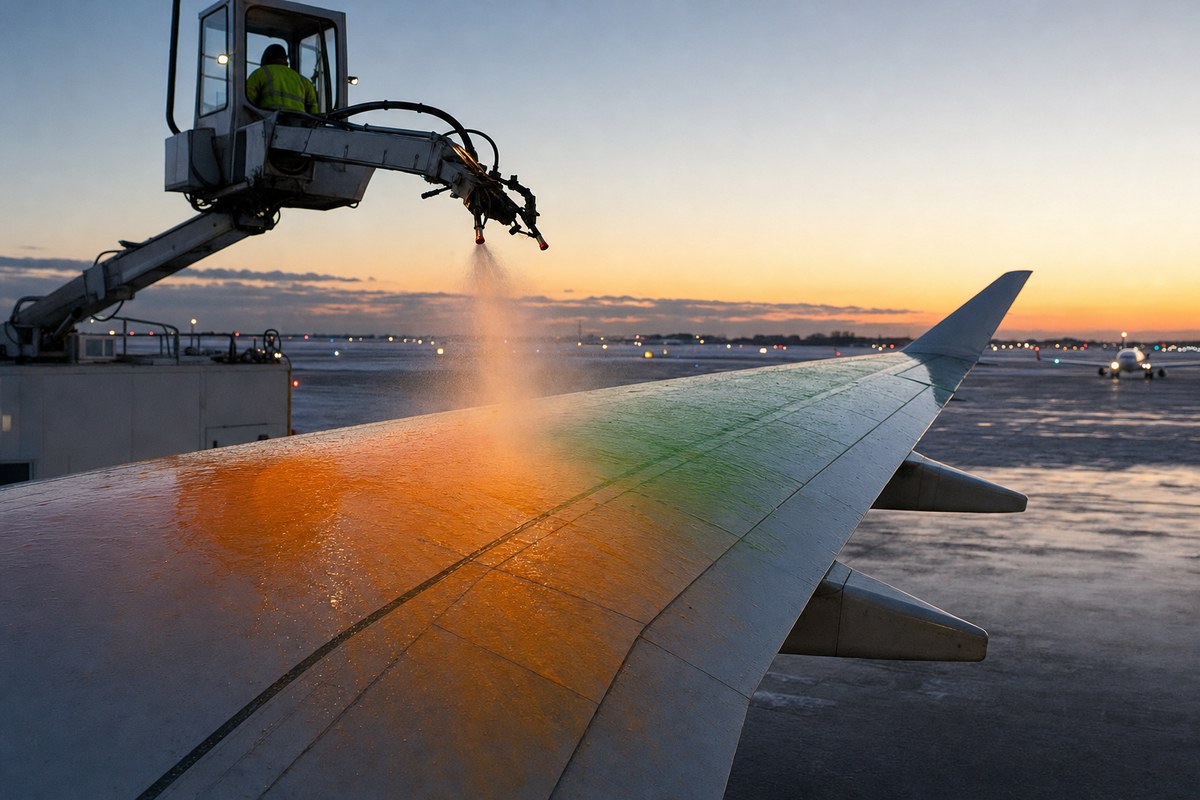
Orange is the identifying color for dyed Type I deicing fluid. It is applied hot and thin, and it helps loosen frozen material already attached to the aircraft and carry it away, leaving a clean surface. Green is the color for dyed Type IV anti-icing fluid. It is thicker and is designed to stay on a clean surface while the aircraft is on the ground and to absorb a limited amount of precipitation.
The period during which a fluid is expected to protect the surface is called holdover time. It depends on the product used, the temperature and the type of precipitation, and in the usual two-step sequence the timing for protection starts when the anti-icing application begins. A long taxi or queue can use up part of that window.
If the weather changes or the applicable allowance is exceeded, the crew follows approved checks and procedures, which can result in another treatment before takeoff. Holdover guidance is an estimate tied to operating conditions, and in some conditions it does not provide protection.
Industry impact & what to watch
The split between the two fluids shows how winter ground operations are built around sequencing. Removal and protection are separate tasks done by separate products, and the clock that matters starts only once the protective layer goes on. That makes the interval between anti-icing and takeoff, not the treatment itself, the operational variable that crews and ground handlers manage.
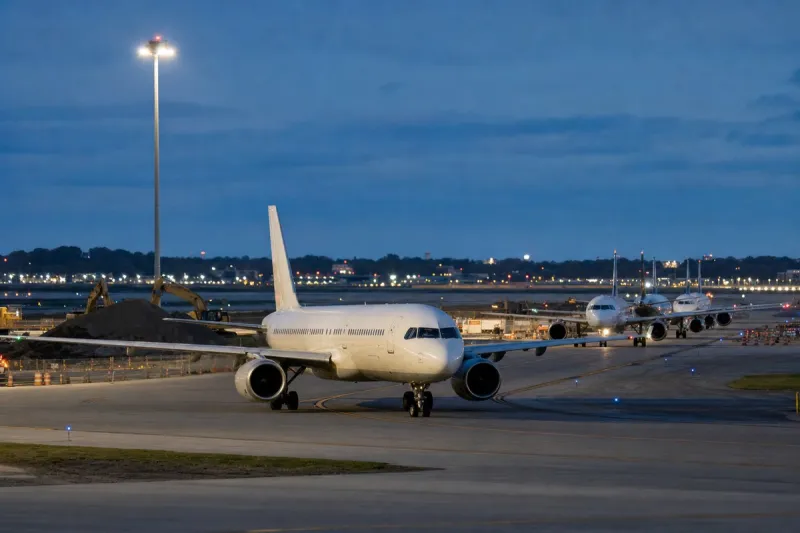
Because holdover guidance is an estimate rather than a guarantee, the same aircraft can leave one departure queue fully protected and need a second treatment at another, depending on temperature, precipitation type and how long it waits. For operators, this ties winter schedule reliability to taxi routing, queue length and the choice of product, and it explains why repeat treatments occur even when the first application was done correctly.
The practical test in any given departure is whether the applicable allowance still covers the remaining time to takeoff. When weather shifts or that allowance is exceeded, the approved checks decide whether the aircraft goes again.