FAA Ground Delay Program Hits Boston Logan on Nov. 7 Over Runway and Taxiway Construction, With Average Delays of About 70 Minutes
Why It MattersCapacity cuts from airfield construction push delay management upstream to departure airports, so schedule disruption spreads across the network even while the constrained airport itself stays open and operating.
What happened
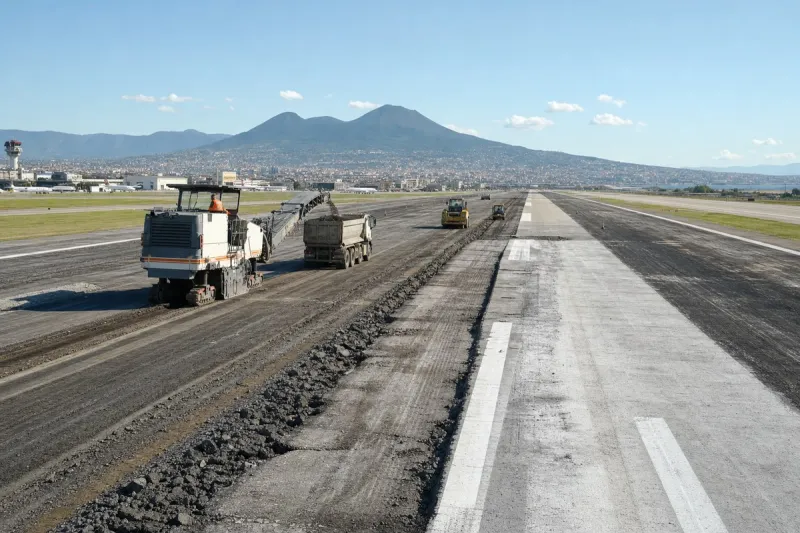
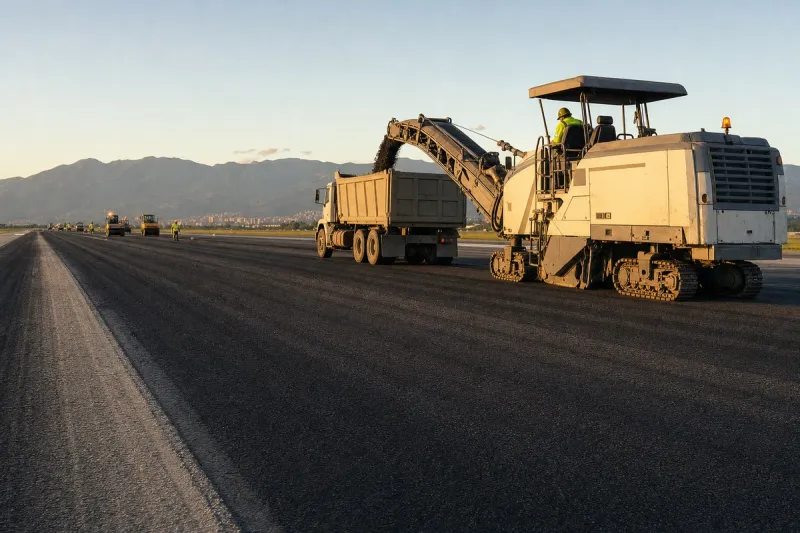
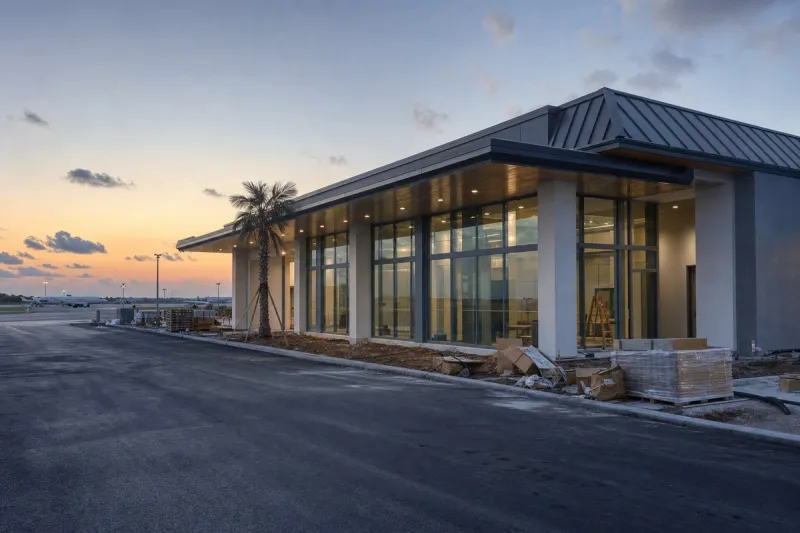
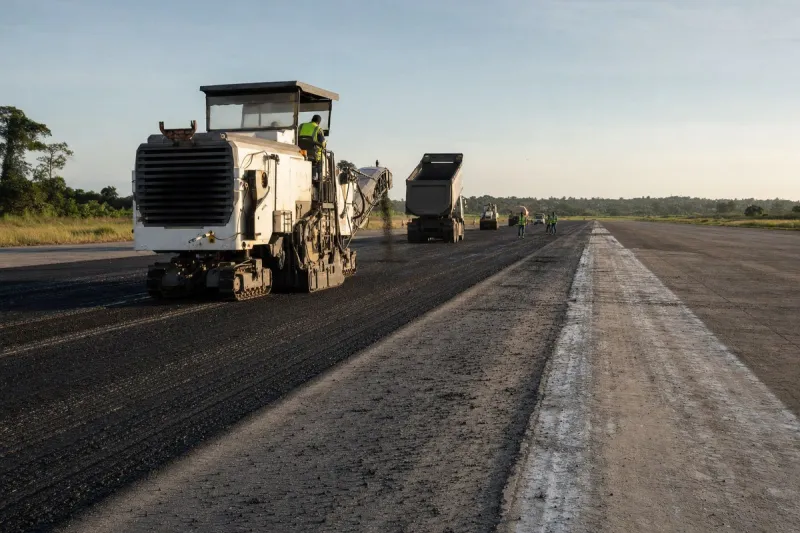
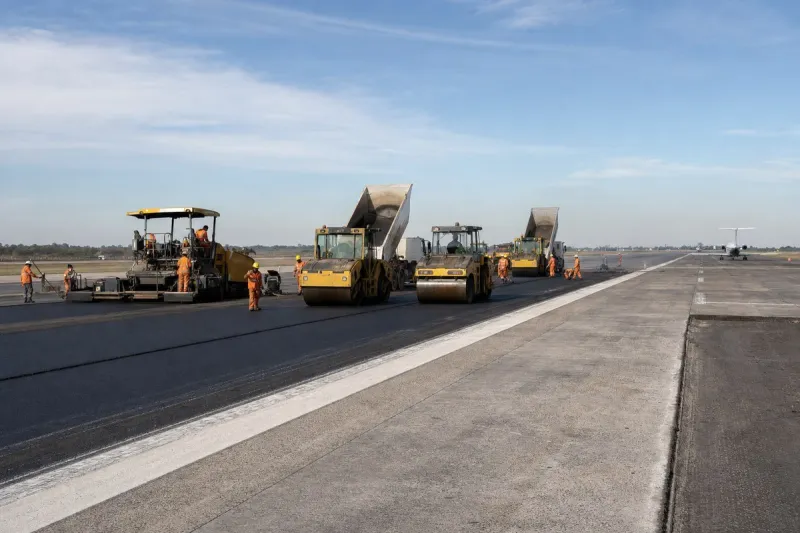
The Federal Aviation Administration issued a ground delay program for Boston Logan International Airport on November 7, 2026, citing runway and taxiway construction. During the official afternoon reporting period, the program listed an average assigned delay of approximately 70 minutes. That figure applies to flights covered by the program, not to every passenger arriving at or departing from Boston.
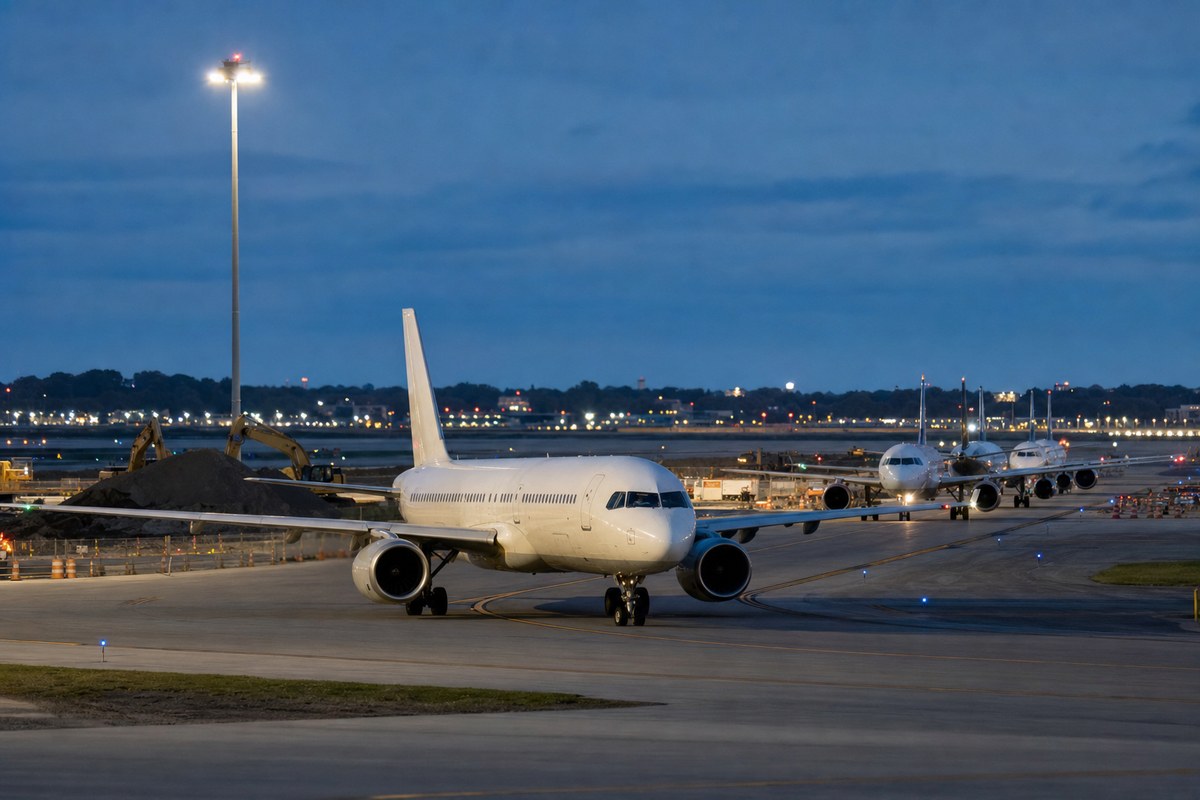
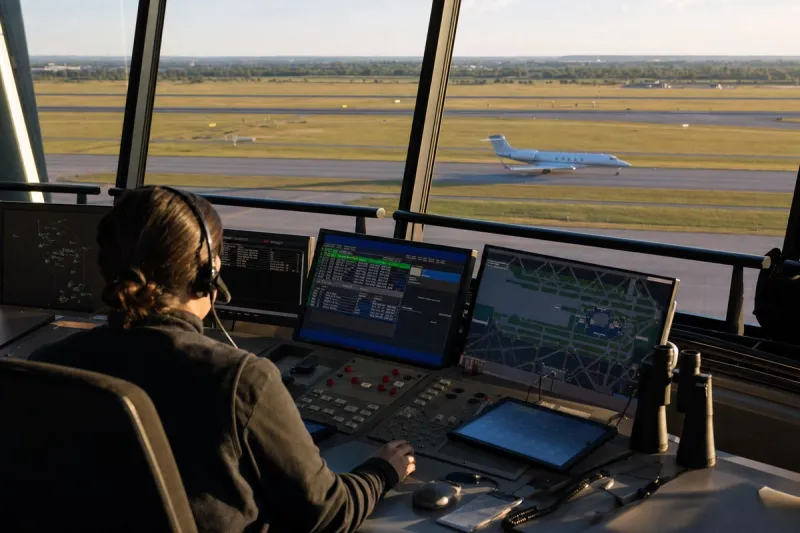
Under such programs, air traffic controllers may hold Boston-bound flights at their departure airports until arrival capacity becomes available, which reduces the number of aircraft waiting in the air near Boston. The airport remains operational, and the FAA has not announced a full closure in connection with the construction program. According to an FAA National Airspace System update, the published schedule indicates the restrictions could continue into Saturday evening, although traffic management measures may change as conditions improve.
The construction-related program is a separate event from the weather disruption of Friday, November 6. On that day, severe thunderstorms across the northeastern United States led the FAA to report average assigned Boston arrival delays of approximately 144 minutes at one point under a weather-related program. Newark also saw affected flights assigned average delays approaching two and a half hours during an afternoon update.
Industry impact & what to watch
Runway and taxiway construction can temporarily reduce the number of aircraft an airport can safely handle. When access to parts of the airfield is restricted, the FAA may cut the number of arrivals per hour, and airlines may adjust departure times at other airports to match the capacity that remains. A ground delay program moves the waiting from the air near Boston to the departure gate elsewhere, which is why a single constrained airport can reshape schedules across a wider network.
For operators flying into a constrained airport, delay exposure varies widely by route, airline and the number of aircraft approaching during restricted periods, and some flights may operate normally. An assigned-delay average describes the covered flights as a group, so any individual movement can fall well above or below it.
The next point that settles the picture is the FAA's own schedule: the published restrictions run into Saturday evening, and traffic management measures may change as conditions improve.