FAA Administrator Bedford to Testify Before House Committee on $12.5 Billion Air Traffic Control Modernization
Why It MattersAir traffic control modernization now depends on a funding gap: $12.5 billion approved, $30 billion more sought, and a government report saying even phase one needs more money.
What happened
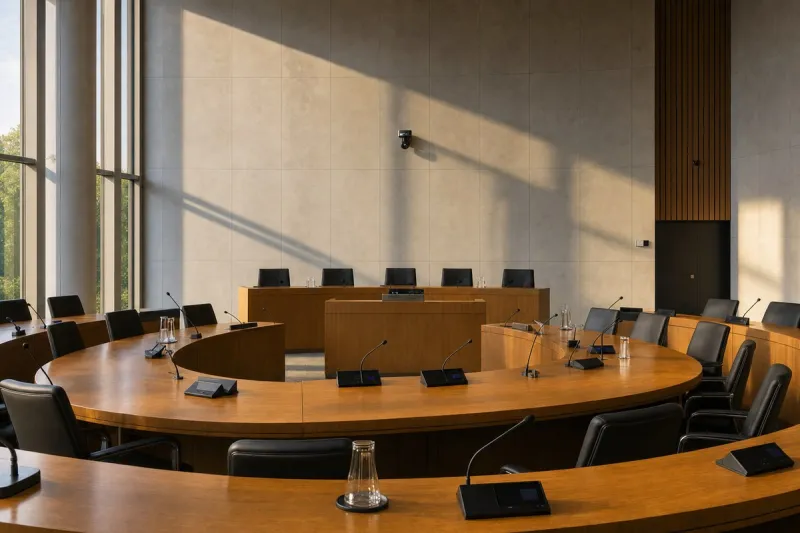
FAA Administrator Bryan Bedford will testify before the House Transportation and Infrastructure Committee on Tuesday, congressional aides said on Friday. He is set to update the committee on progress and ongoing challenges in the $12.5 billion effort to modernize the aging U.S. air traffic control system.
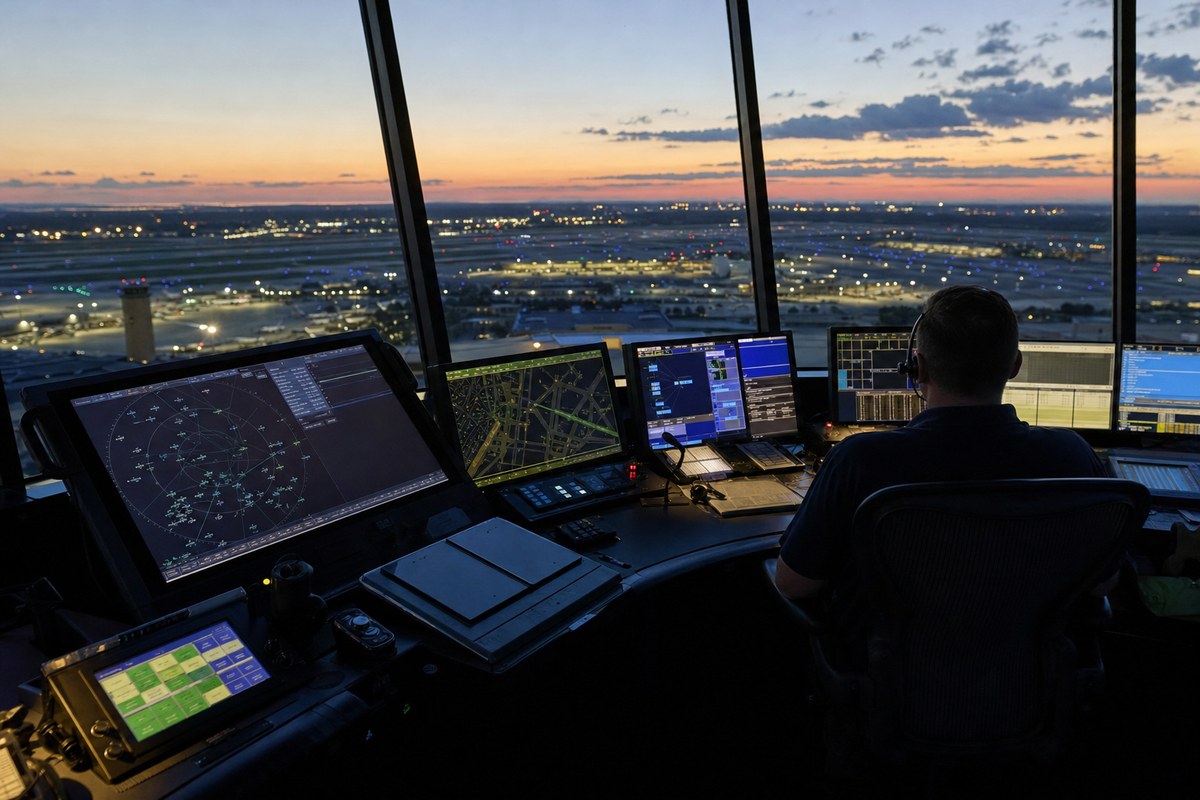
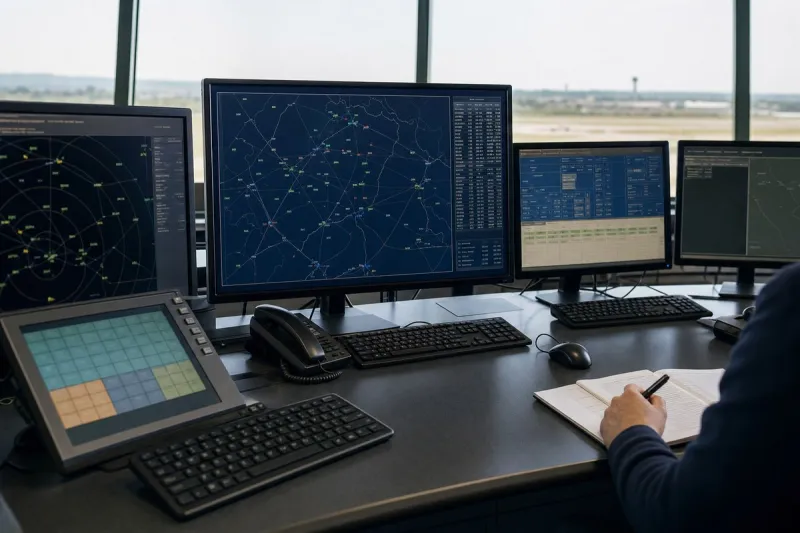
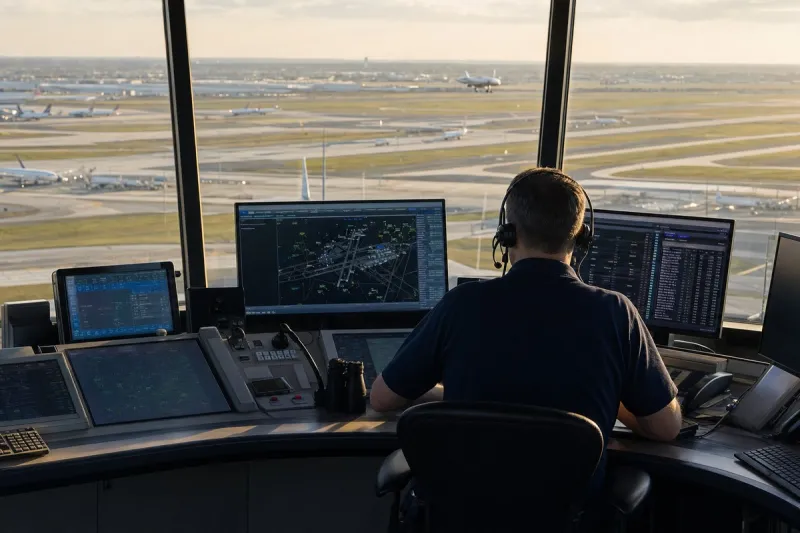
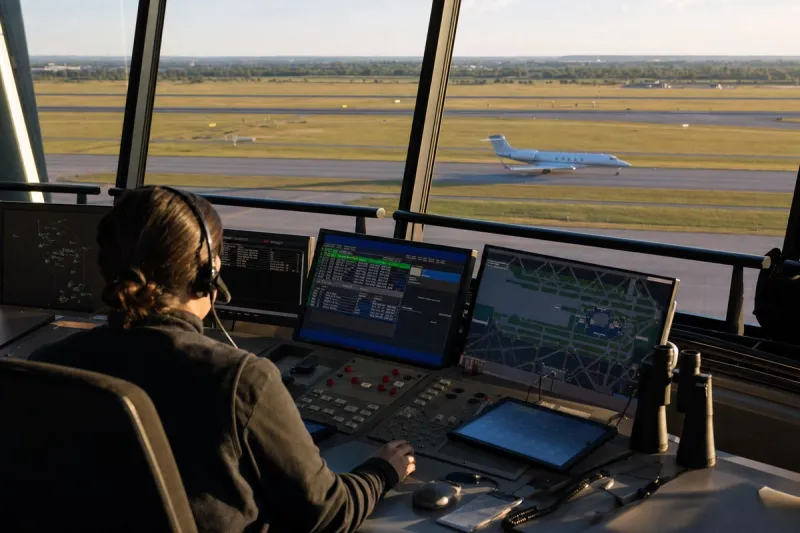
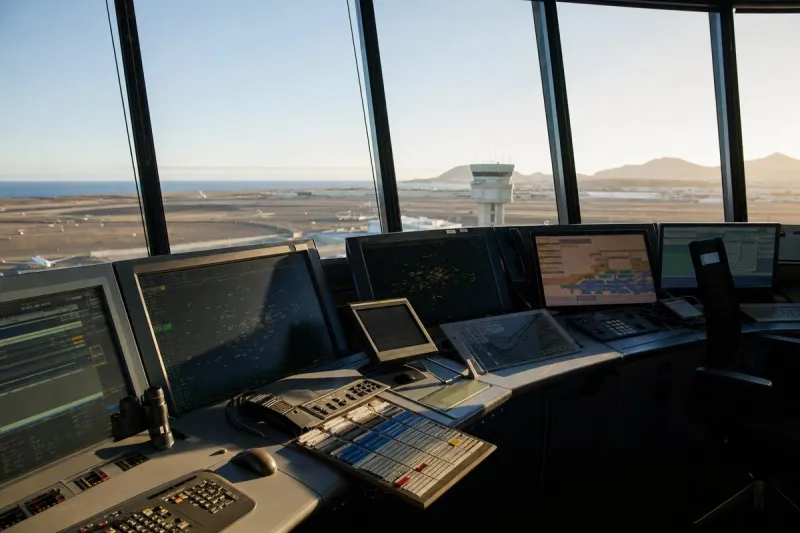
The modernization aims to replace outdated equipment such as copper telecom lines, floppy disks and paper strips used to track airplanes. Congress approved $12.5 billion over five years in June 2025 for air traffic control reforms.
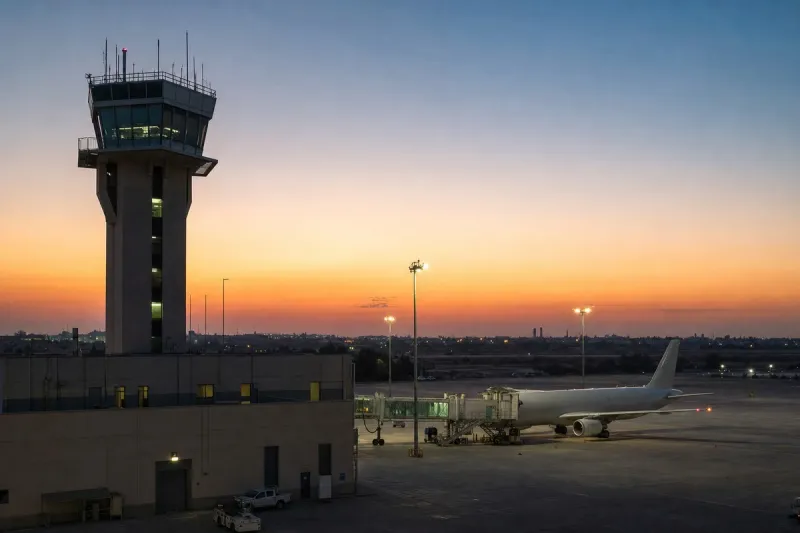
The Trump administration is seeking another $30 billion for air traffic control towers, software and digital upgrades, and improvements to airport facilities. It is unclear whether Congress will approve additional funding this year. Democrats are set to take control in January after big wins in this week's midterm elections.
American Airlines, Delta Air Lines, United Airlines and Southwest Airlines strongly back the $30 billion proposal. A recent government report said Congress needs to approve more money just to finish the first phase of the air traffic control program, and that the FAA needs a better estimate of how much the new system will cost to operate.
Industry impact & what to watch
Modernizing a national air traffic system is a multi-year capital program, and its pace tracks appropriations closely. Here the first tranche is already approved, yet a government report says completing even the first phase requires more money, which shows how quickly an initial budget can fall short of the work it is meant to fund.
The timing adds a political variable. The funding request for towers, software and airport facilities lands just as control of the House is set to change hands in January, and the airlines backing the $30 billion proposal are lobbying a Congress whose composition is about to shift. Business aviation shares the same airspace and depends on the same equipment, so the outcome shapes system capacity for every category of operator.
The Tuesday hearing is the next concrete marker. Bedford's account of progress and challenges, and whether the FAA offers the better operating-cost estimate the government report called for, will show how firm the program's numbers are before any new funding decision.