LifeFlight of Maine Flew 3,031 Flights in 2025 as Rural Care Gaps Widen, Nearing Full Staffing After Retention Overhaul
Why It MattersAir medical services are increasingly absorbing capacity that closing rural hospitals and strained ground EMS no longer provide, which makes crew retention and training a core operating constraint for the segment.
What happened
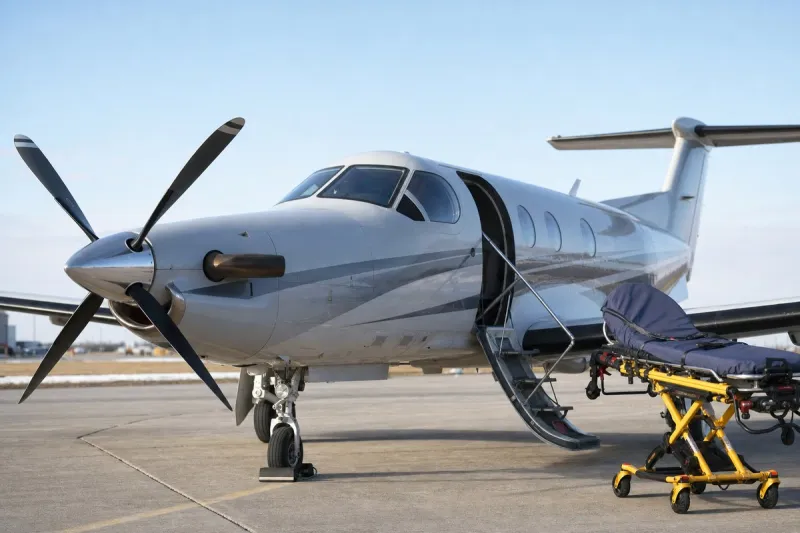
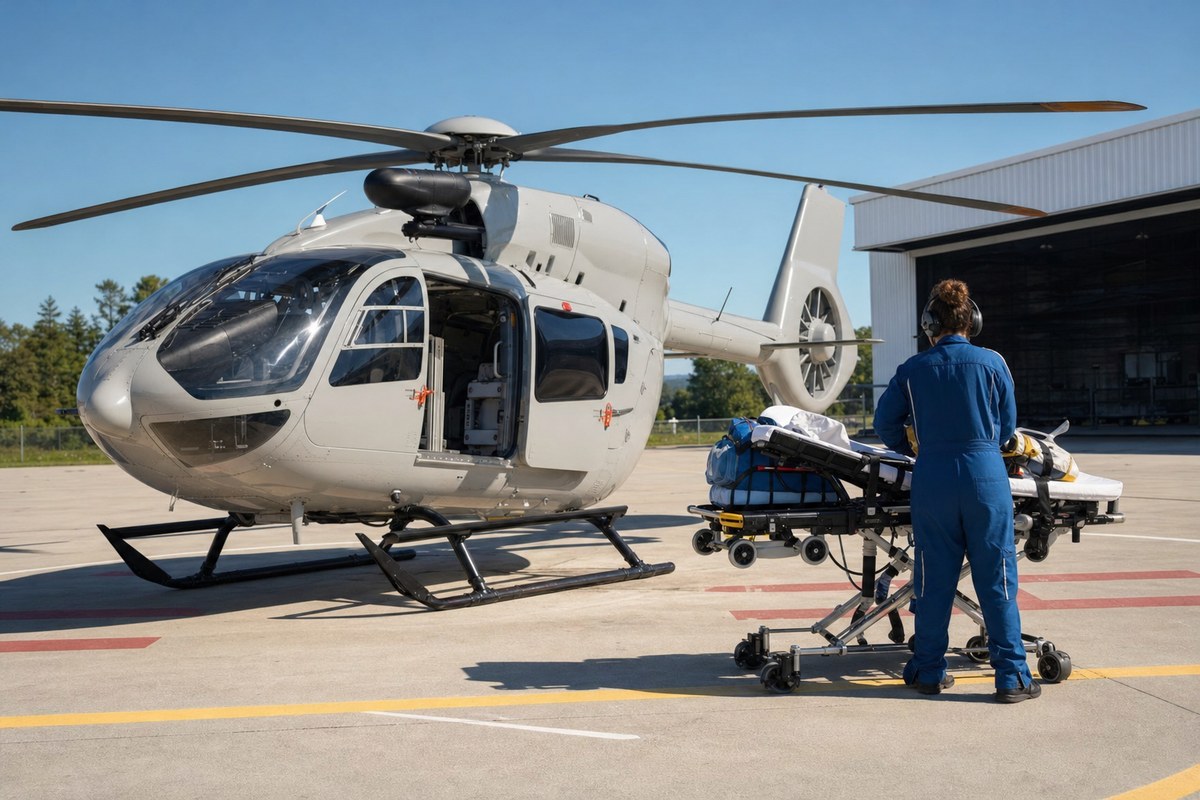
LifeFlight of Maine, an independent nonprofit air ambulance service, flew 3,031 flights in 2025, more than one every three hours. Demand for medical flights in Maine has doubled since 2015. Nationwide, air medical services are filling gaps left as rural hospitals close, convert to outpatient-only rural emergency hospitals, or stop unprofitable services such as labor and delivery. Maine is expected to have lost 12 labor and delivery departments by the end of the year.
Medicaid cuts estimated by the Congressional Budget Office at $911 billion over ten years are expected to put hundreds more rural hospitals at risk.
Scene calls to roadside or trailside accidents make up less than 10% of LifeFlight's transports. Most are interfacility transfers, in which patients are stabilized at a small local hospital and flown to a larger one. Crews also fly to Maine's islands, and occasionally land in forests and mountains and use snowmobiles to reach patients. Ground services in Maine are increasingly strained; last year a woman in a small northern Maine town died while the county dispatch center called 10 ambulance services.
Staffing has been a long-running problem. For years LifeFlight retained only 60% to 70% of its workers, according to CEO Joe Kellner. Almost a quarter of ground-based EMS workers leave the field every year, and EMS workers' rates of post-traumatic stress injury, anxiety and depression are more than five times higher than the average American's. After Kellner, a paramedic, became CEO in 2023, LifeFlight introduced a six- to eight-month orientation program called the Critical Care Academy, which includes simulation-based skills assessments, and a mentorship program for people considering applying.
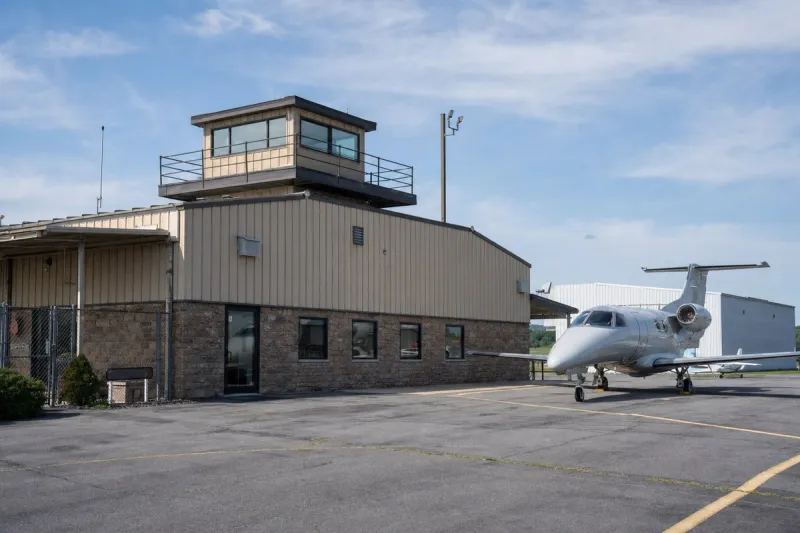
Flight nurse Denise Saucier, who has worked for the service for seven years, and paramedic Brian Merklin, who previously worked for a service in Nevada during the COVID-19 pandemic, crew flights from LifeFlight's base at Bangor International Airport with pilot Will Bradbury.
Industry impact & what to watch
Air ambulance volume in rural states tracks the health of the hospitals beneath it. When a small hospital drops labor and delivery or converts to outpatient-only emergency care, the patients it can no longer treat become transfers, and the transfer is flown when ground transport is too slow or unavailable. LifeFlight's mix, with most flights being interfacility transfers rather than scene calls, shows that the business is driven by hospital capacity more than by accidents.
That makes crew supply the binding constraint. An aircraft and a base add nothing without a qualified critical care crew, and a service that loses 30% to 40% of its workers each year spends much of its effort on hiring and training instead of flying. The shift to a long structured orientation and mentorship reflects a segment-wide recognition that retention is an operating cost to be managed like fuel or maintenance.
The next indicator is the pace of further rural hospital closures and service cuts, which the CBO-estimated Medicaid reductions are expected to accelerate. Each such change shifts more transfer demand onto air medical operators while ground EMS capacity stays under strain.