Ornge Relies on Pilatus PC-12 NG Fleet as Workhorse of Ontario Air Ambulance Service, Plans PC-24 Jets by 2028
Why It MattersOrnge's mix of single-engine turboprops, helicopters and soon jets shows how a provincial air ambulance system matches aircraft types to remote strips, patient acuity and trip length.
What happened
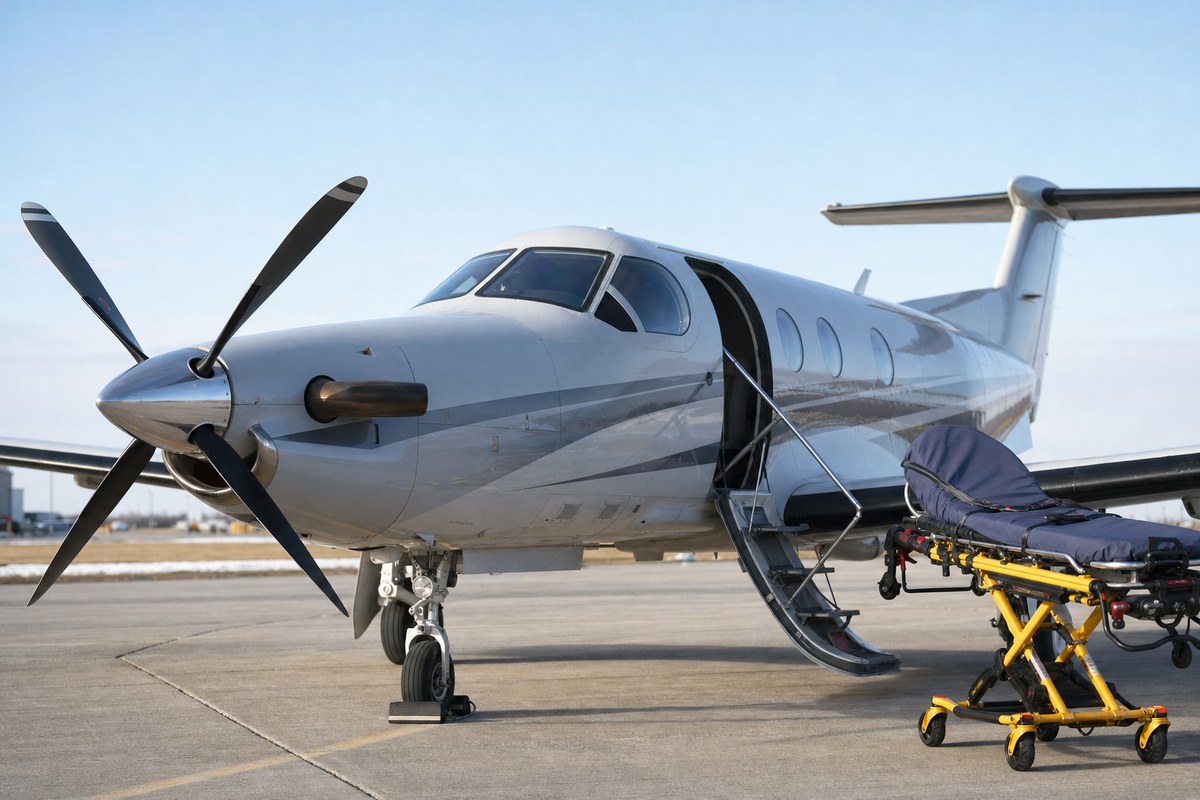
Ornge, the only air ambulance service in Ontario, operates 20 of its own aircraft: 12 Leonardo AW139 helicopters and eight Pilatus PC-12 NG turboprops. The company says this is the largest air ambulance fleet in Canada. Five standing agreement carriers provide additional access to low-acuity transport, and Ornge also runs 13 Crestline land ambulances.
The service covers roughly 1.1 million square kilometers (474,000 square miles) and serves 16.2 million people from 15 bases, including Toronto, Ottawa, London, Thunder Bay, Sudbury, Timmins and Sioux Lookout. Its history runs to 1977, when the Ontario Ministry of Health established the Ontario Air Ambulance program; the current branding dates from 2006. It is headquartered in Mississauga, where its operations control center is also located.
In mid-July, with an evacuation order in effect for wildfires west of Thunder Bay, Ornge coordinated a fleet of fixed-wing air ambulances to move stretcher-bound patients and elderly community members south. Chief operating officer and deputy CEO Wade Durham said paramedics transported everyone requested. Some northern communities have no road access and only a 3,500-foot gravel strip.
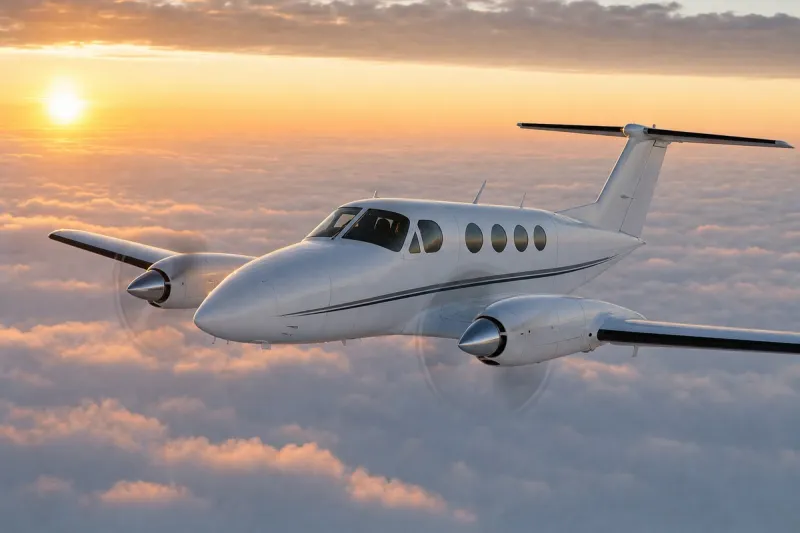
Manager of training and standards Abigail Busch said about 99 percent of Ornge's fixed-wing flights are conducted under instrument flight rules. Durham called the PC-12 NG the workhorse of the organization, and most Ornge missions are fixed-wing. Ornge has operated the type since 2008, procured directly from Pilatus. The eight in-service aircraft fly with two-pilot crews from four northern bases. Fixed-wing aircraft and some helicopters carry blood so that ICU-level care can be maintained throughout a patient's journey.
Fleet renewal and the PC-24
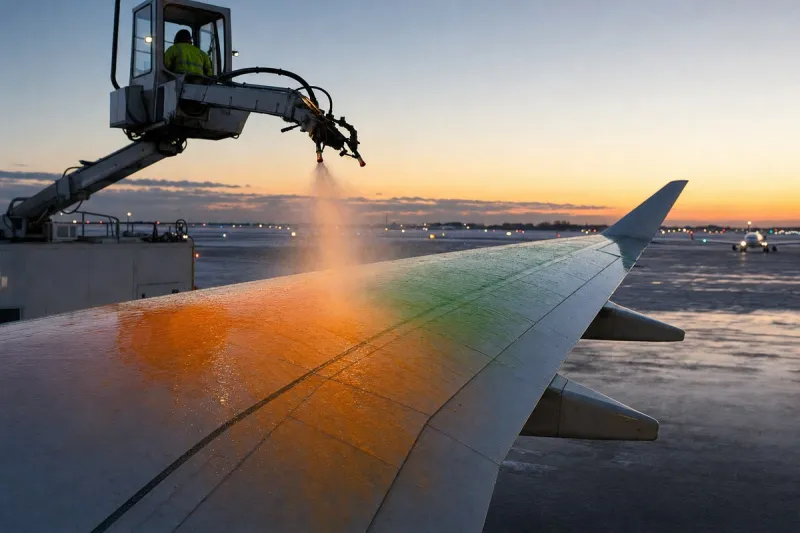
The newer PC-12 PRO will replace the NGs, and the Sudbury base is expanding. Ornge plans to own and operate 12 of the type by 2030. Pilatus lists a takeoff distance of 760 metres (2,485 feet), a landing distance of 660 metres (2,170 feet) and a maximum range of 3,339 kilometers (2,074 miles). The PC-12 PRO is the launch platform for the Garmin G3000 avionics suite, which includes Autoland and five touchscreen displays, and has a comprehensive de-icing system.
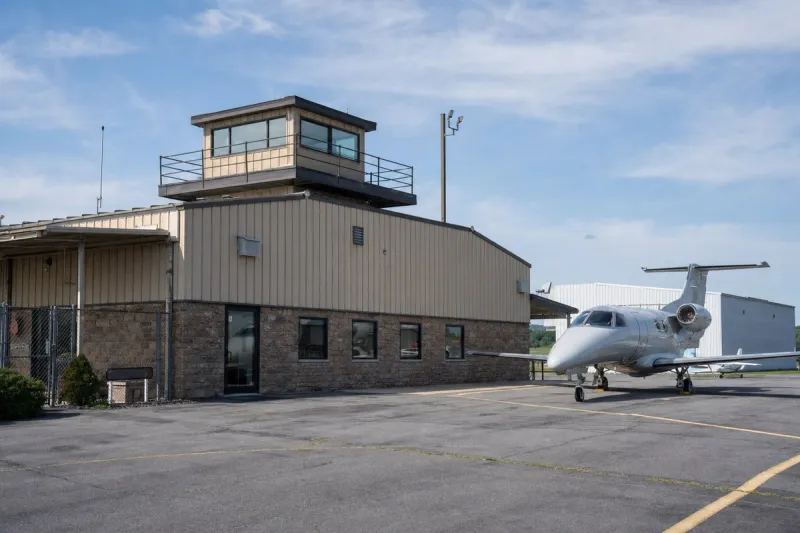
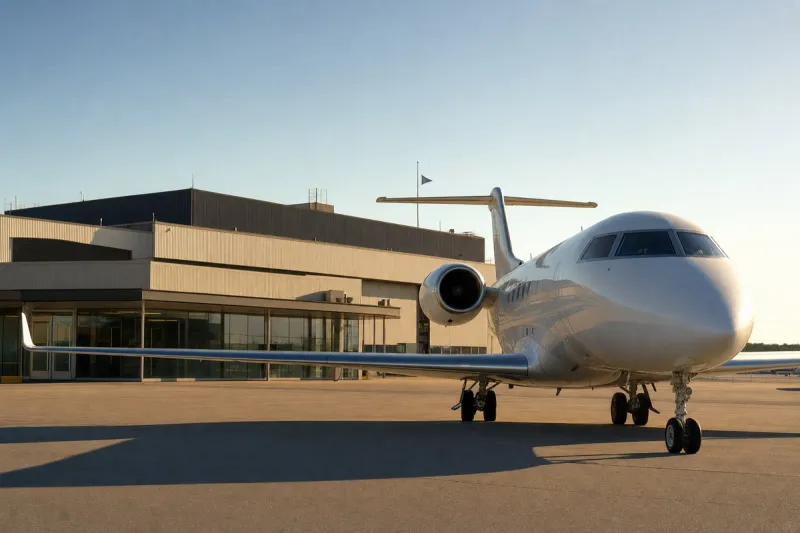
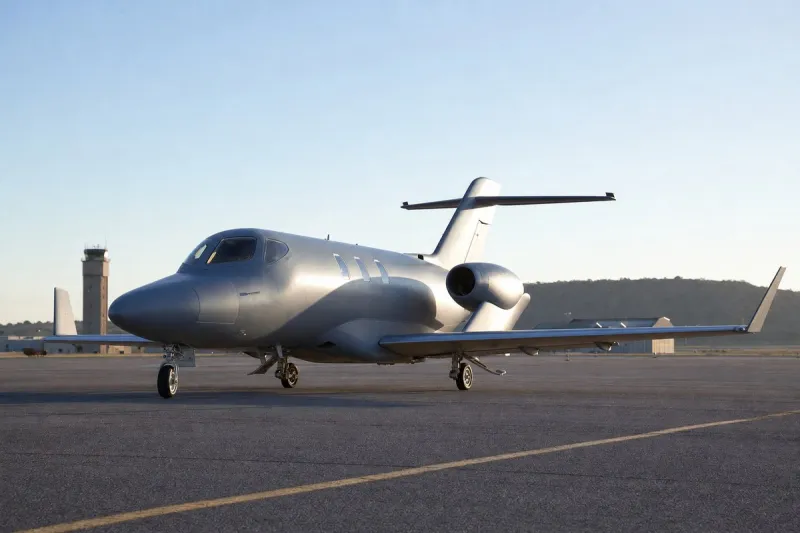
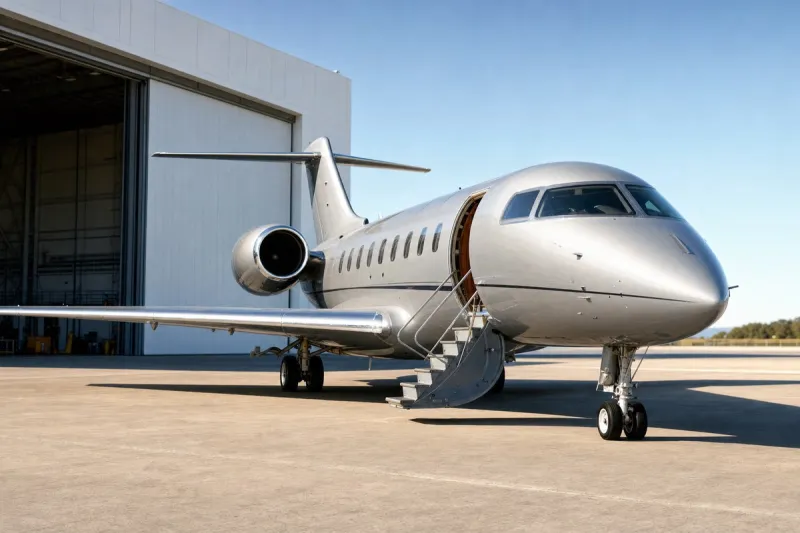
Among its 65 fixed-wing pilots, Ornge plans to add two twin-engine Pilatus PC-24 jets, projected for delivery in 2028 and to be based at Lake Simcoe Regional Airport in Barrie, about 60 miles (100 km) north of Toronto. The PC-24 is intended mainly for long-distance transport of single critical-care patients, such as a Moosonee-to-Kingston trip, and for multi-patient transport of two critical-care patients or three non-urgent patients. Less frequently it would carry doctors and nurses in a commuter configuration.
Rotorcraft side
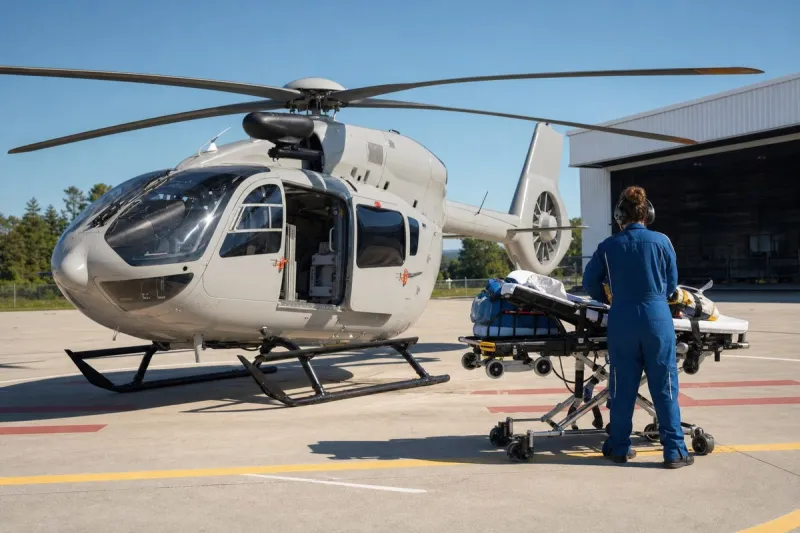
Ornge unveiled its first AW139 in 2010 at Toronto Billy Bishop Toronto City Airport. The 12 AW139s replaced the former Sikorsky S-76A fleet, which Ornge and its predecessors operated for 25 years. Ornge employs 112 rotorcraft pilots.
Industry impact & what to watch
Ornge shows how a single-provider air ambulance system divides work by geography and patient need. Communities with only a 3,500-foot gravel strip and no road access are served by a turboprop that can land short, while helicopters and ground units cover the other legs of a patient's journey. With about 99 percent of fixed-wing flights flown under instrument flight rules and most missions fixed-wing, the economics of the service rest on keeping a small number of capable, well-equipped airframes available for long and difficult sectors.
The planned PC-24 adds a different tier. Aimed at single critical-care patients over long distances and at multi-patient moves, it sits above the PC-12 in speed and range, and its base at Lake Simcoe Regional Airport places it north of Toronto. How the two types share missions once the jets arrive will define whether Ornge treats the PC-24 as an addition to the turboprop network or as a partial replacement for its longest legs.
The next milestones are dated: the PC-24 deliveries projected for 2028, and the build-up to 12 PC-12 PROs by 2030, with the Sudbury base expanding along the way.