Uganda Aviation Academy Acquires Cessna 421 Golden Eagle as Part of Fleet Expansion
Why It MattersTraining schools adding complex pressurised twins alongside simulators shows how aviation academies in emerging markets are building capacity ahead of regional demand, with regulatory authorisation as the gating step.
What happened
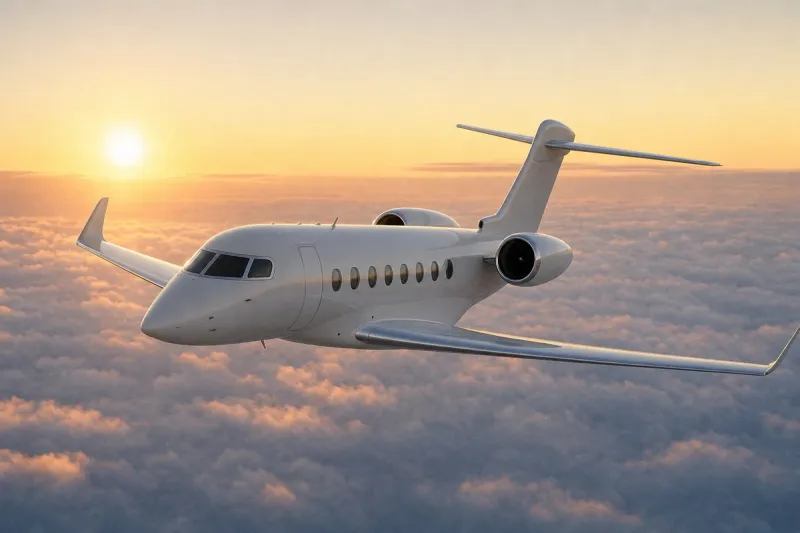
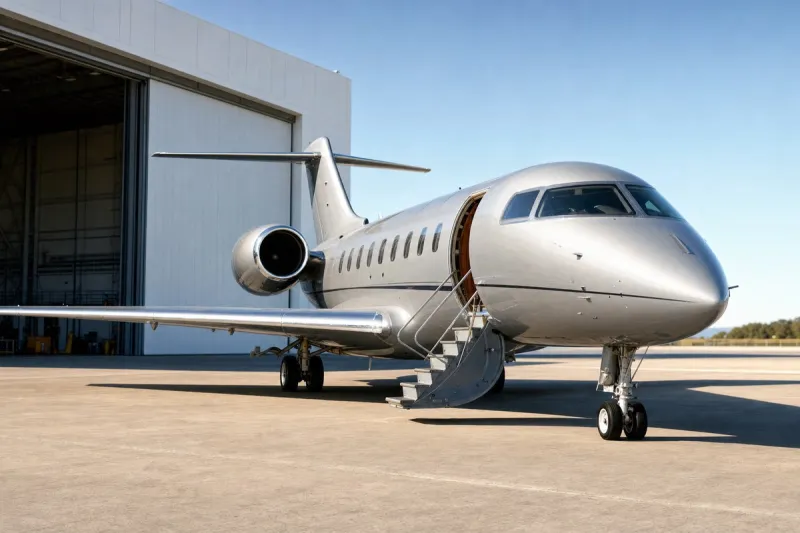
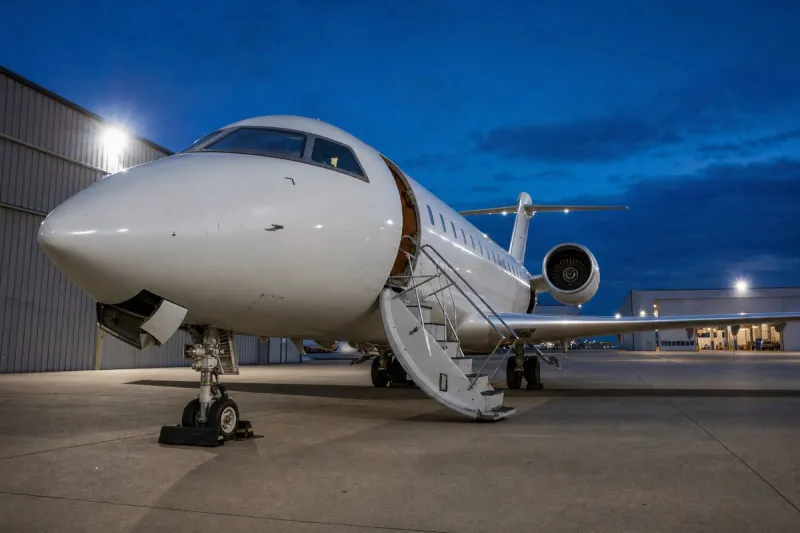
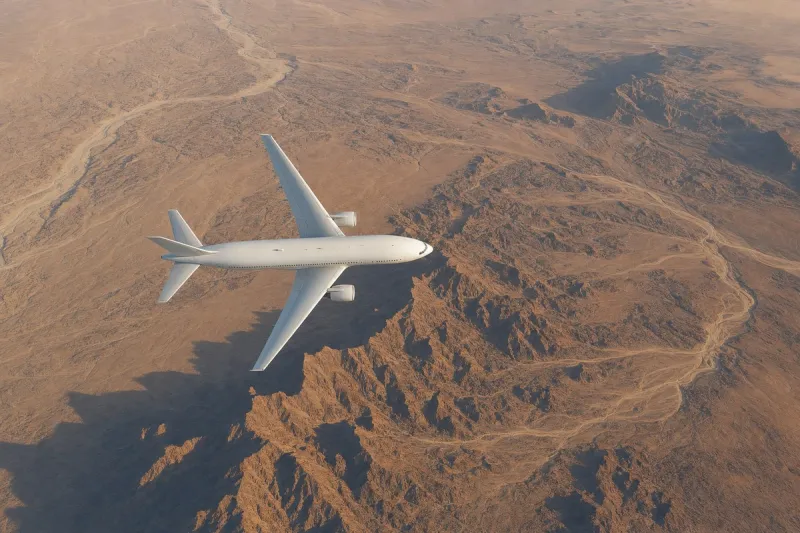
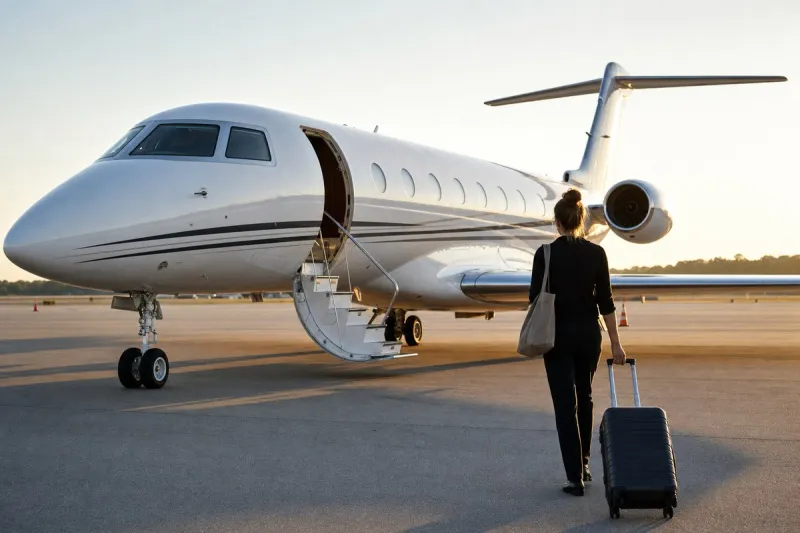
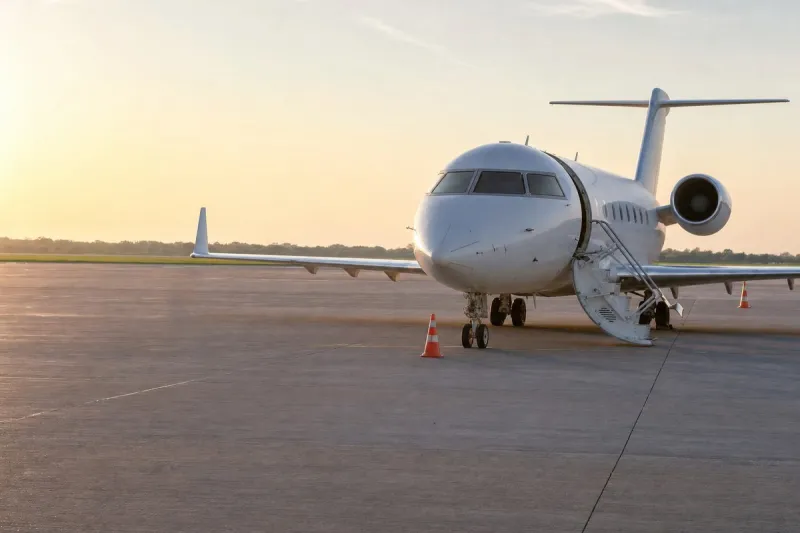
Uganda Aviation Academy has acquired a Cessna 421 Golden Eagle, registered 5X-VIP, from Safari Air International AAA Ltd. The purchase is part of the Academy's effort to expand its training fleet and strengthen practical aviation education. The aircraft is a pressurised, twin-engine piston type known for its advanced systems, high-performance capabilities and executive transport applications.
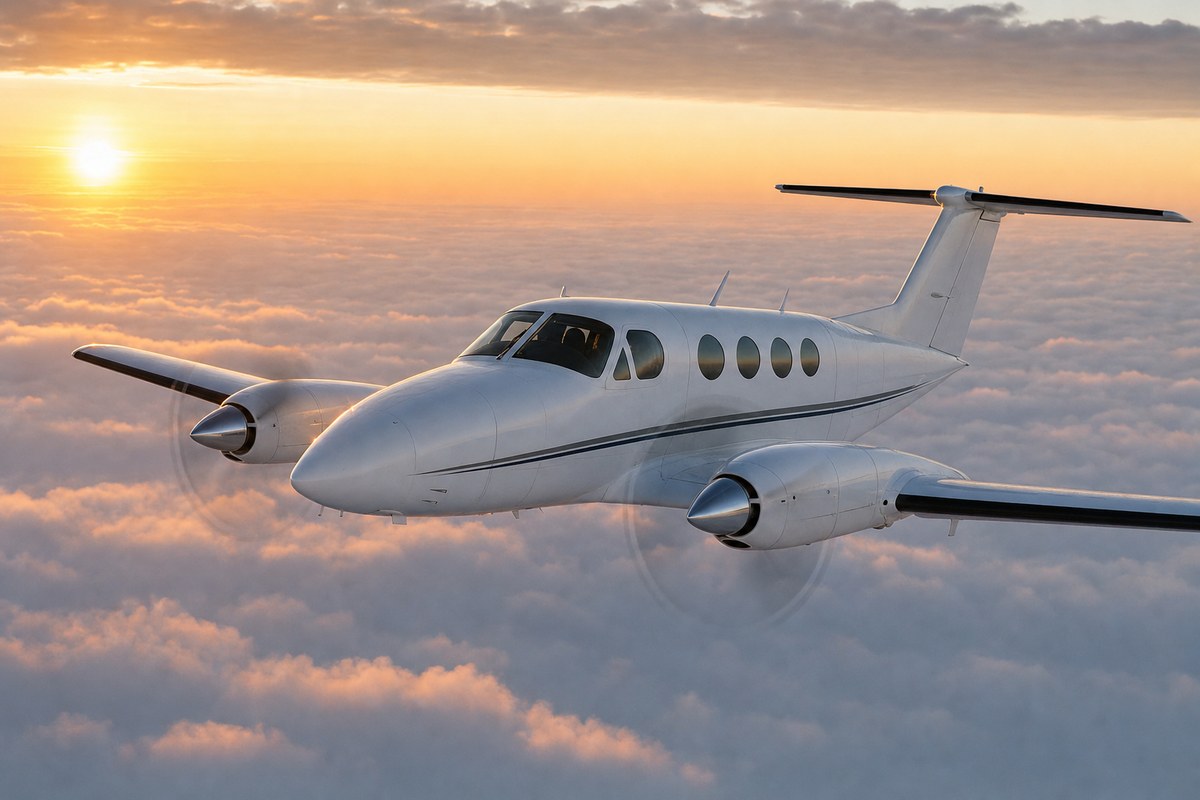
The Academy says the aircraft is meant to give students greater exposure to advanced aircraft systems and deepen their technical understanding of modern aviation equipment. Board Chairperson Yogi Birigwa described the purchase as an important milestone in the institution's long-term growth strategy. Mukula said it would provide advanced technical familiarisation, aircraft systems education and aviation maintenance training, covering pressurisation, twin-engine operations and maintenance requirements.
The acquisition sits inside a wider expansion plan involving eight additional training aircraft, two flight simulators and the expansion of the Academy's training centres in Entebbe and Jinja. According to the Academy, the investments are meant to increase training capacity, diversify practical learning opportunities and strengthen its ability to deliver aviation programmes aligned with industry requirements. Mukula said the goal is to position Uganda as a competitive aviation training destination in East and Central Africa.
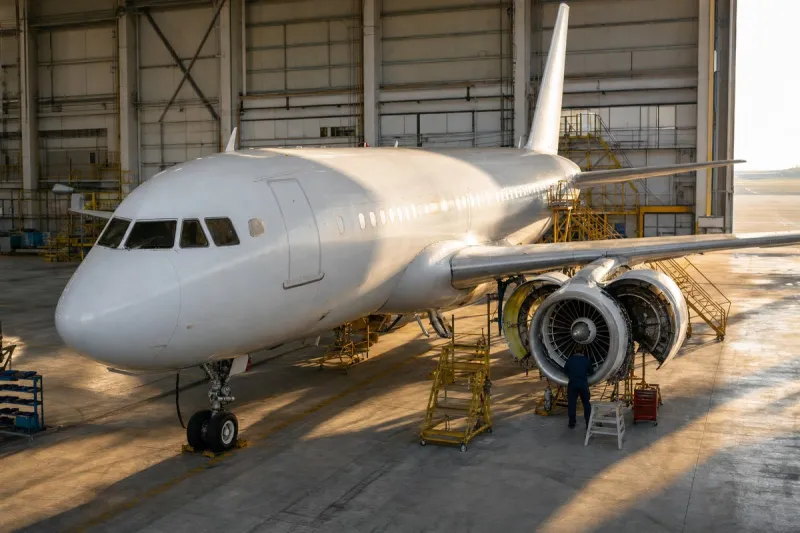
The Academy has 15 years of experience in aviation education and training. It said the Cessna 421's introduction into training operations would be subject to appropriate maintenance arrangements, airworthiness compliance and the necessary regulatory authorisations.
Industry impact & what to watch
A pressurised twin is a step up from the single-engine piston aircraft that typically anchor a flight school's fleet. Adding one, together with simulators and more training aircraft, points to a school trying to cover the full progression from basic handling to complex-systems and maintenance instruction. For training providers in smaller aviation markets, that breadth is a way to compete for students who might otherwise travel abroad.
The pairing of aircraft with simulators matters economically. Simulators carry much of the repetitive instrument and systems practice at lower cost per hour, while a real twin supplies the hands-on exposure to pressurisation and engine-out handling that a simulator only approximates. How the Academy splits time between the two will shape its cost base and its course offering.
The milestone that settles whether the aircraft actually enters the training line-up is the one the Academy itself names: maintenance arrangements, airworthiness compliance and the necessary regulatory authorisations. Until those are in place, the Cessna 421 is a fleet addition on paper rather than a training asset in service.