Gogo Posts Record Galileo Shipments in Third Quarter as Revenue Falls 5% on ATG Decline
Why It MattersThe quarter shows a connectivity provider funding its move to satellite from a shrinking legacy ATG base, where service margins compress before new LEO recurring revenue scales.
What happened
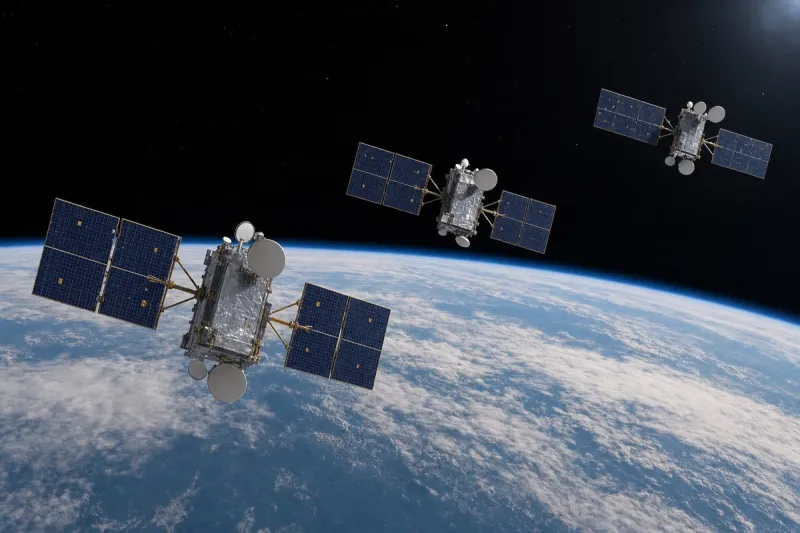
Gogo reported record third-quarter shipments of its Galileo low Earth orbit (LEO) terminal, even as shrinking air-to-ground (ATG) revenue pulled down total revenue and profit. CEO Chris Moore said the results reflect progress in Gogo's transformation from a domestic ATG connectivity provider into a global provider of high-speed LEO and GEO satellite connectivity for the business aviation and military/government markets.
Total revenue fell 5% to $213.2m from $223.6m a year earlier. Service revenue declined 4% to $182.7m and equipment revenue fell 9% to $30.5m. Business aviation service revenue dropped 10% to $145.6m, which management attributed to lower ATG service revenue, the company's highest-margin line. Adjusted EBITDA declined 27% to $41.0m from $56.2m a year earlier and 24% from $53.7m in the second quarter. Gross margin before depreciation and amortisation was about 40%, against 42% in the second quarter, and the net loss widened to $3.2m from $1.9m.
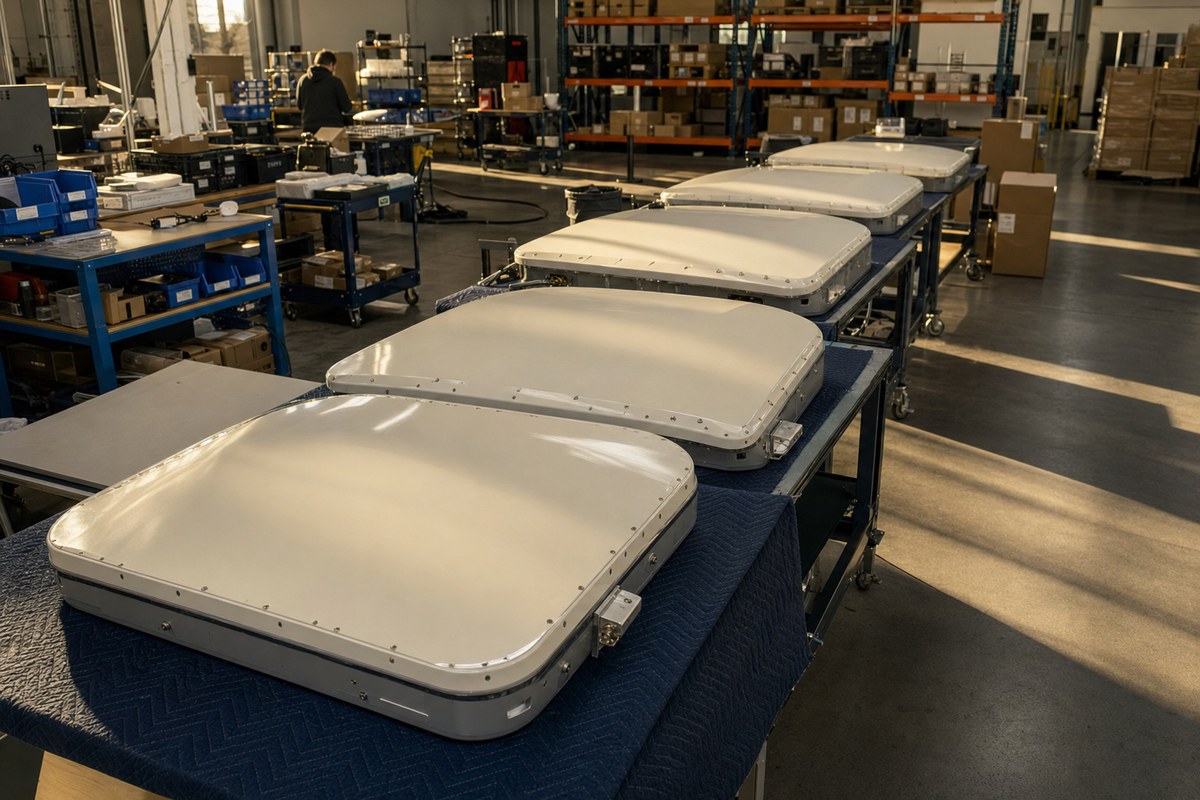
Gogo shipped a record 172 Galileo units, up 95% year over year and 59% from the second quarter of 2023. Aircraft online with Galileo rose 61% on the second quarter to 297. Average monthly service revenue per Galileo aircraft rose 6% on the second quarter as launch discounts expire. The qualified pipeline remains above 500 aircraft, and Moore said each activated aircraft represents a 7- to 10-year recurring revenue relationship.
On the legacy side, ATG aircraft online fell 17% to 5,399 and 6% on the second quarter, while ATG equipment sales fell 68% to 142 units.
Orders, roadmap and certifications
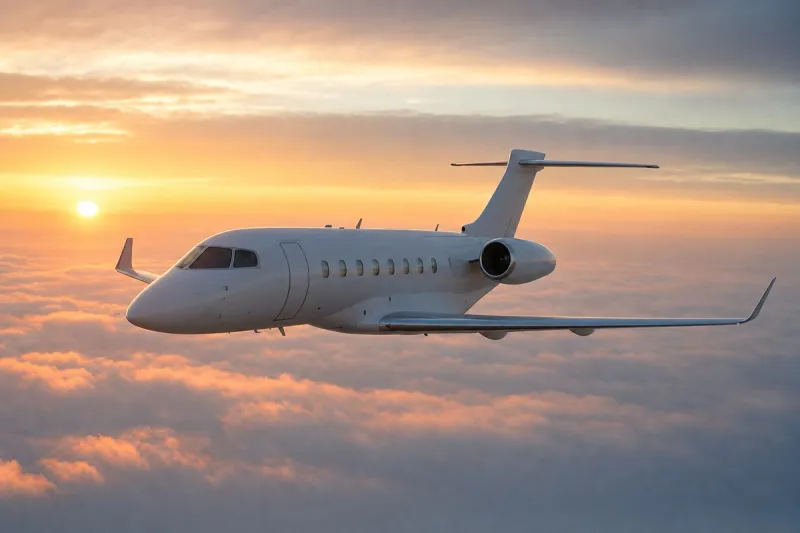
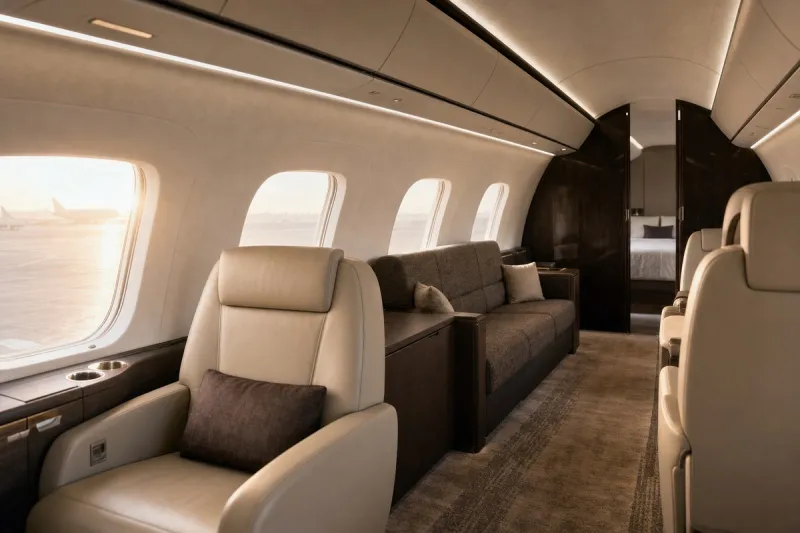
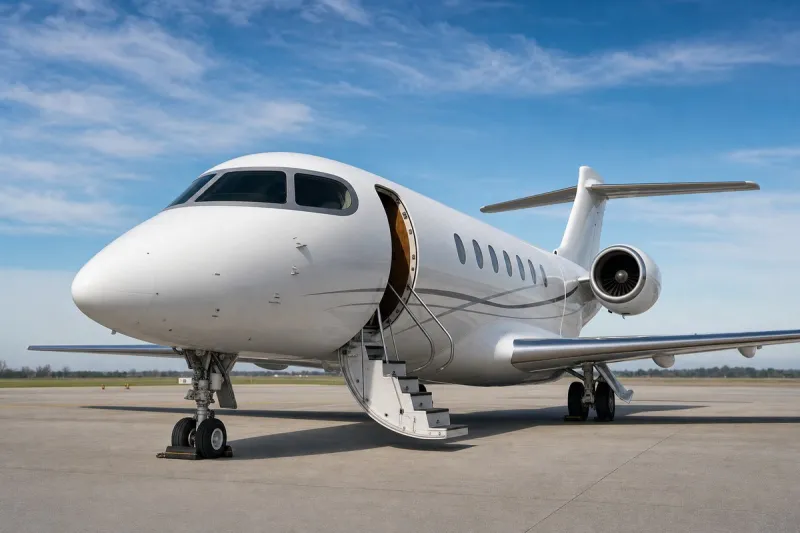
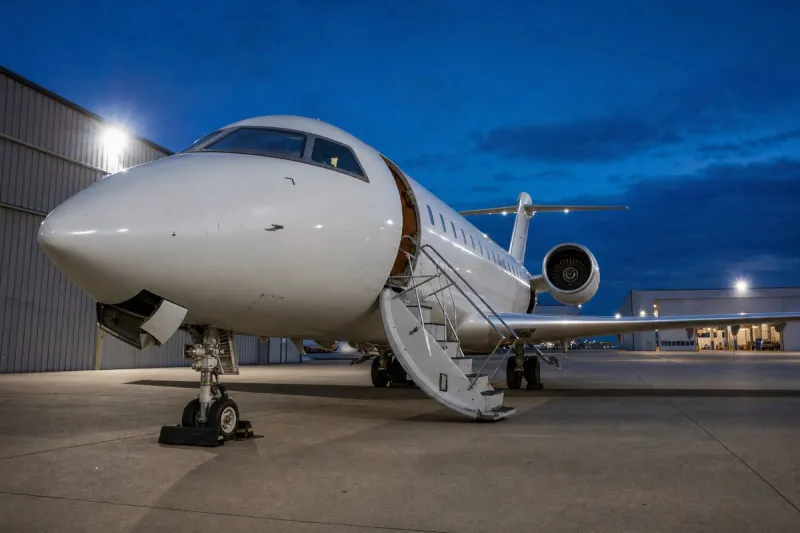
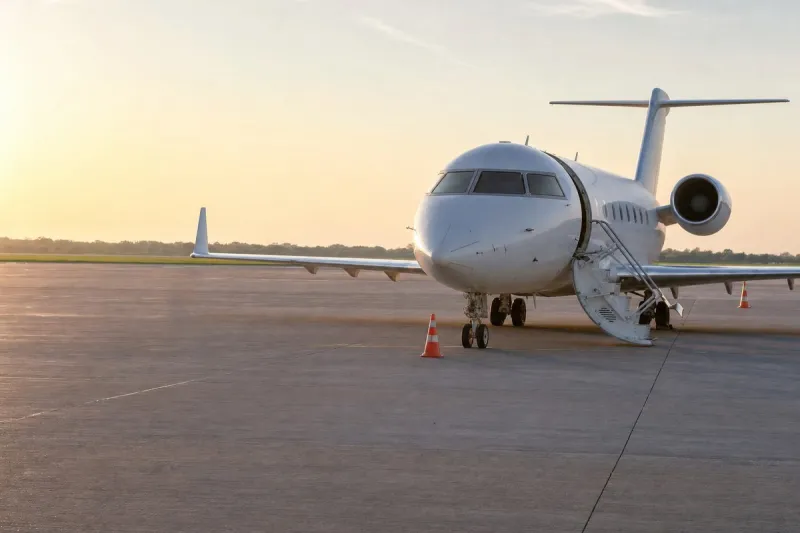
Orders came from several operators and OEMs, including Textron Aviation, which will equip its new Latitude and Longitude jets delivered from 2028 with Galileo HDX as standard. Other orders came from PlaneSense, Bombardier, Duncan Aviation and TransMedics.
Gogo also unveiled a Galileo roadmap with upgrades roughly every 24 months over the next six years, targeting five times current download speeds and ten times upload speeds. It added four HDX supplemental type certificates and one for FDX, bringing the total to 54. The company is also testing its next-generation 5G air-to-ground network.
Balance sheet and guidance
During the quarter Gogo amended and extended its roughly $600m Term Loan B, moving maturity from April 2028 to October 2030. Free cash flow was $28.1m, against $30.6m a year earlier and $21.6m in the second quarter. Cash ended at $90.7m, up $27.6m on the second quarter.
Gogo kept its 2026 guidance: revenue of $870m to $895m, about 84% from service, adjusted EBITDA of $175m to $185m, and free cash flow of $65m to $85m.
Industry impact & what to watch
The quarter shows the cost of changing platforms while the old one is still the profit engine. ATG is described as the company's highest-margin service line, so every aircraft that leaves it takes more margin than an early Galileo aircraft adds, and the 27% fall in adjusted EBITDA sits alongside record terminal shipments for that reason. Equipment sales and shipments are one-time events; the recurring service revenue that justifies the transition only builds as aircraft come online and discounts roll off.
OEM line-fit commitments such as the Textron Latitude and Longitude decision matter more over time than aftermarket retrofits, because they place the connectivity provider into the aircraft before delivery and anchor the 7- to 10-year relationship Moore describes. For the segment, it also shows how a provider's network choice becomes a fleet decision that operators and OEMs make years ahead of delivery.
The next indicators are already defined by the company's own disclosures: the rate at which Galileo aircraft online grows from 297 against a pipeline above 500, whether monthly service revenue per aircraft keeps rising as launch discounts expire, and how the ATG base trends from 5,399 aircraft. Gogo's unchanged 2026 guidance sets the full-year bar those figures will be measured against.