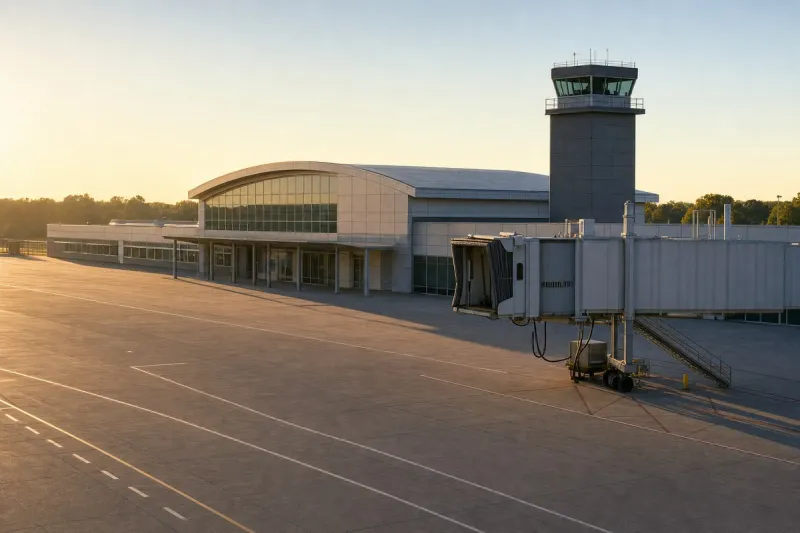
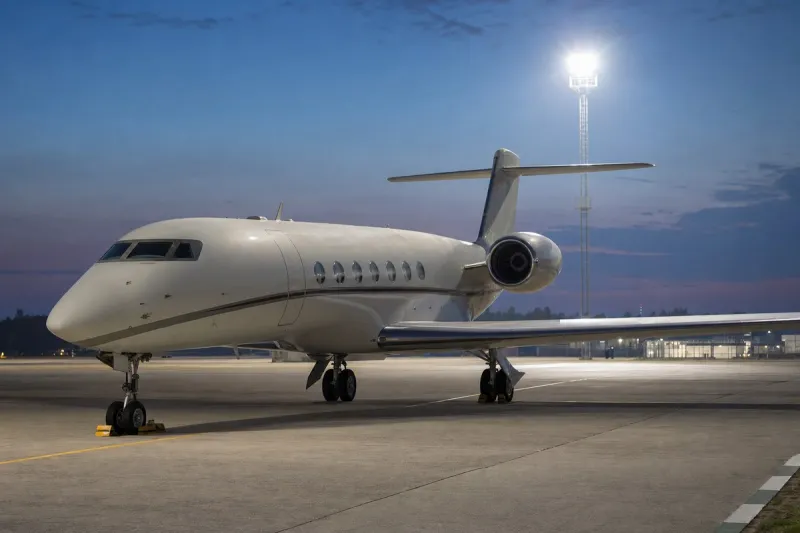
Future Flight Global Plans Florida Regional Air Service Using Pilatus PC-12 Aircraft, Targeting Q1 2027 Launch
Why It MattersStarting on certified turboprops lets an advanced-air-mobility company build routes, customers and ground infrastructure before any electric aircraft is certified, decoupling market development from the timing of new aircraft types.
What happened
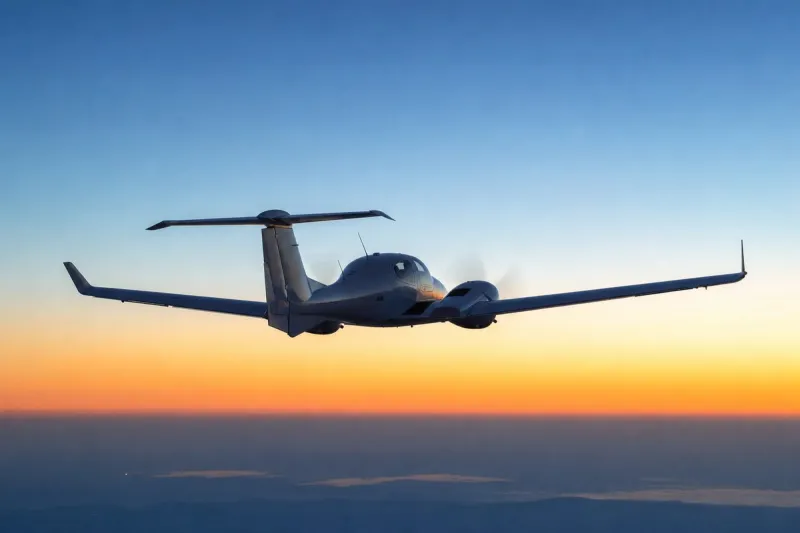
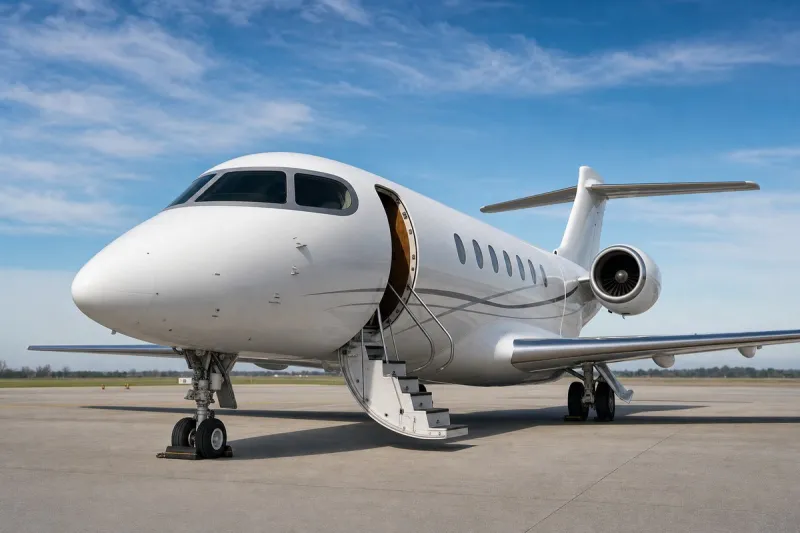
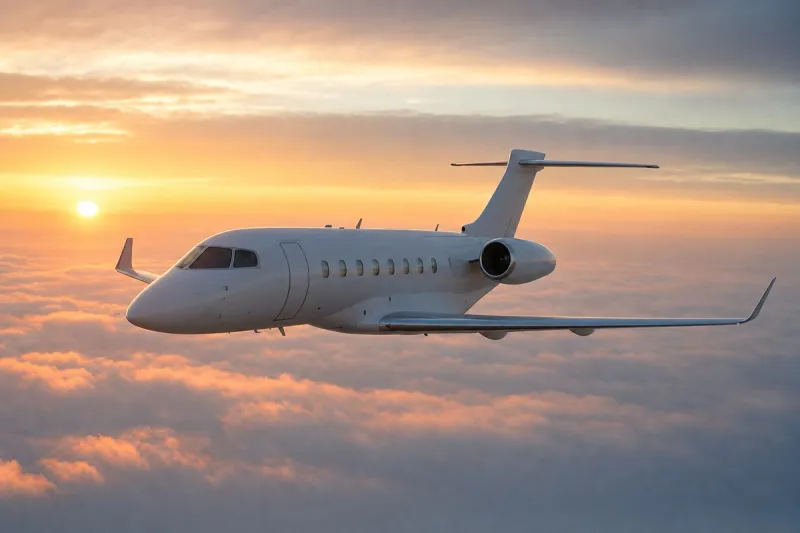
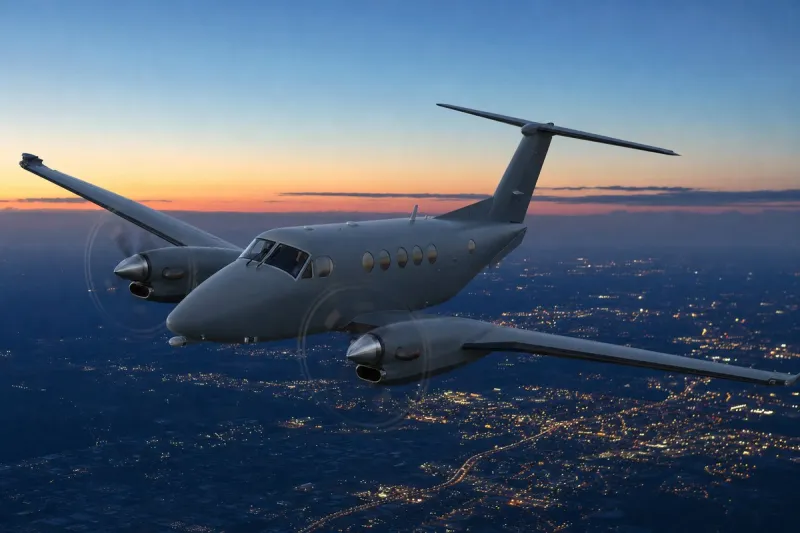
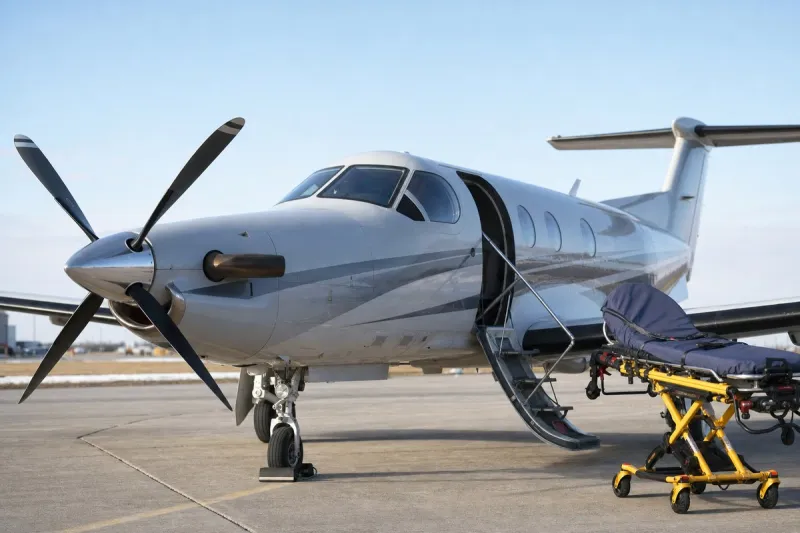
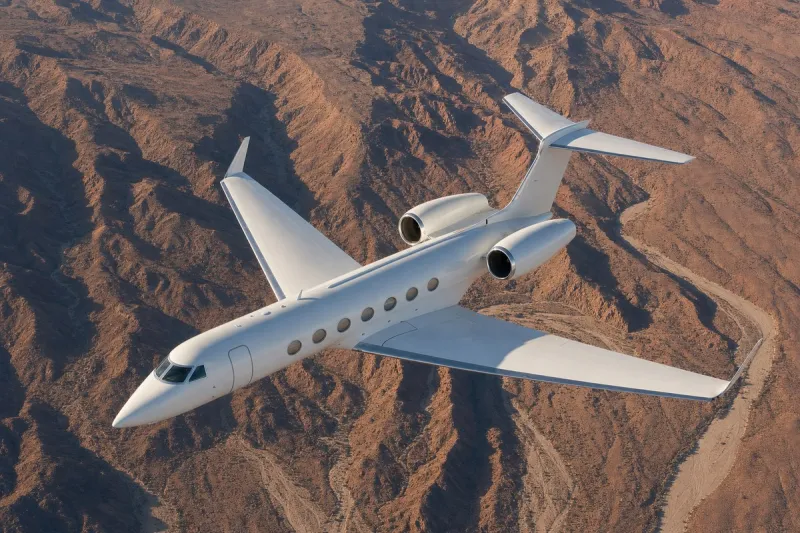
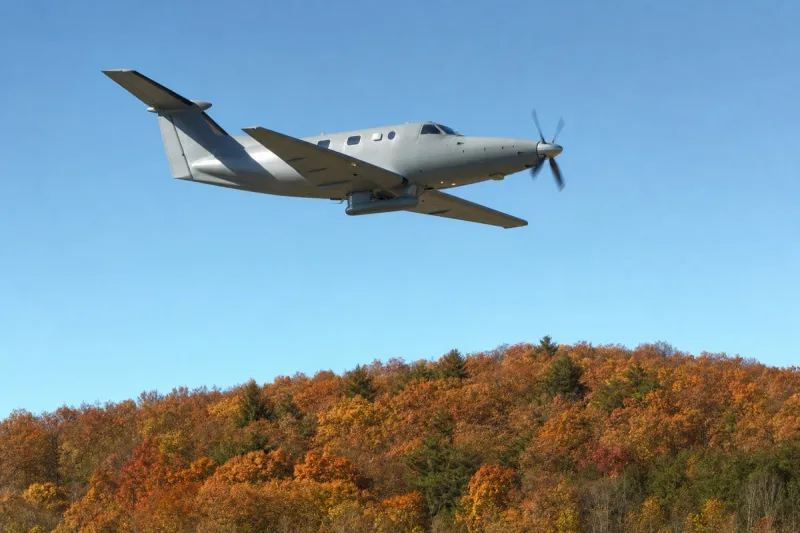
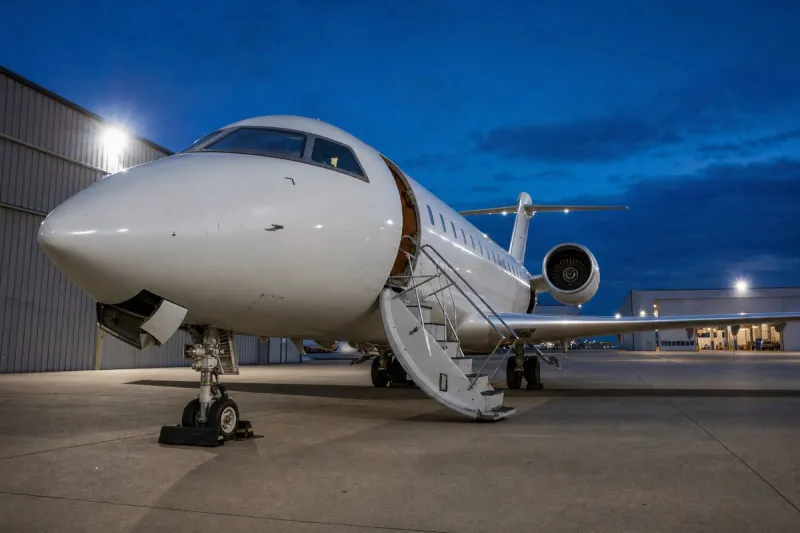
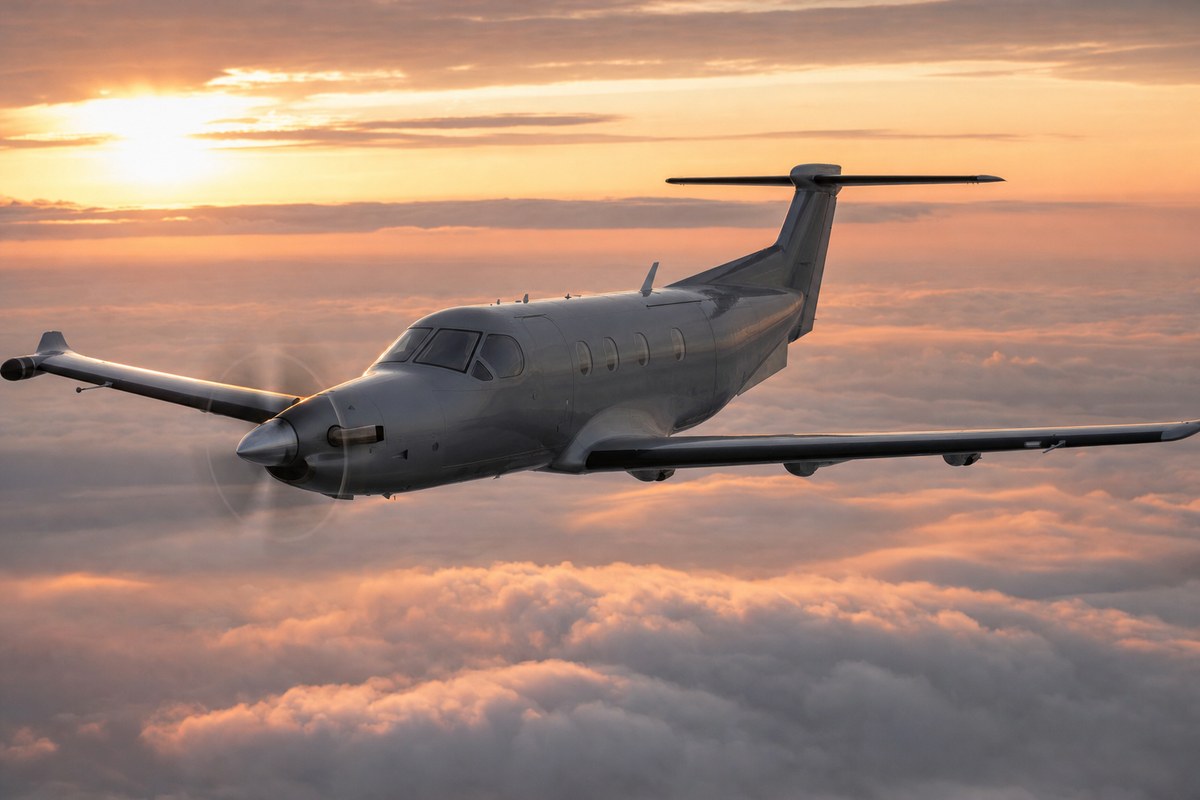
Future Flight Global (FFG) announced plans for a Florida regional air service, targeting a launch in Q1 2027 with Pilatus PC-12 aircraft. The program is being developed with support from SUVA (Signature UrbanV Alliance) and S3Nova Partners, with the stated aim of establishing a practical service model ahead of future electric operations.
Markets under consideration are Tampa, Kissimmee in the Orlando area, Miami, Boca Raton, Tallahassee and Ocala. FFG will prioritize initial city pairs according to customer demand and operating feasibility. Routes and schedules are to be confirmed as commercial and operating arrangements are finalized, the companies said in a press release.
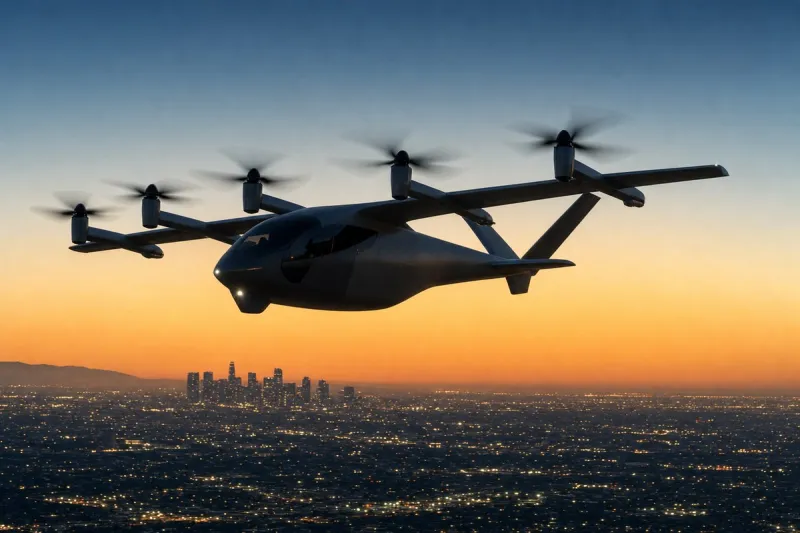
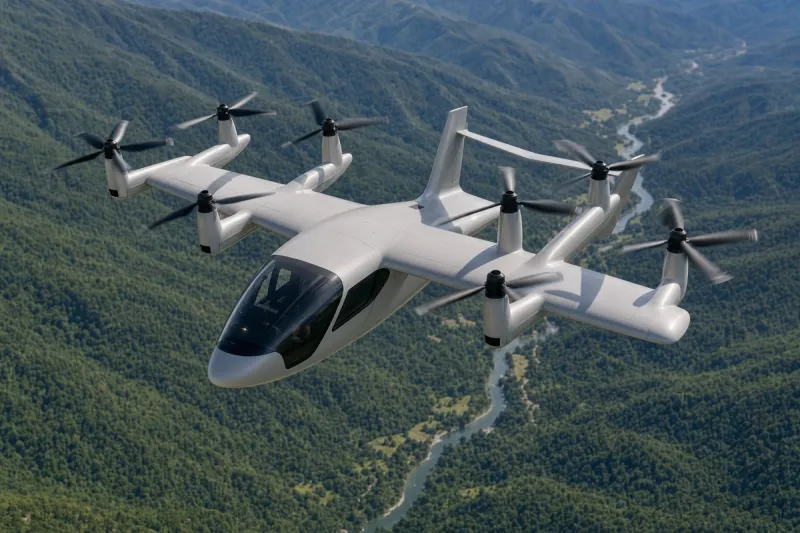
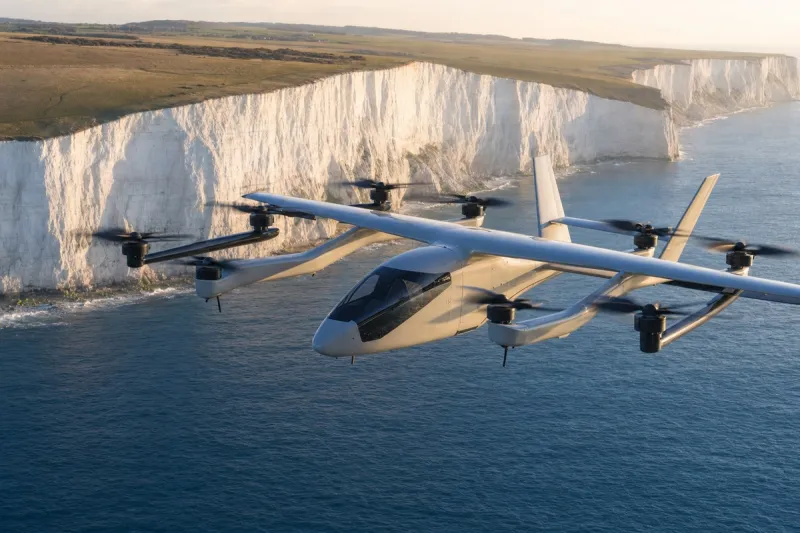
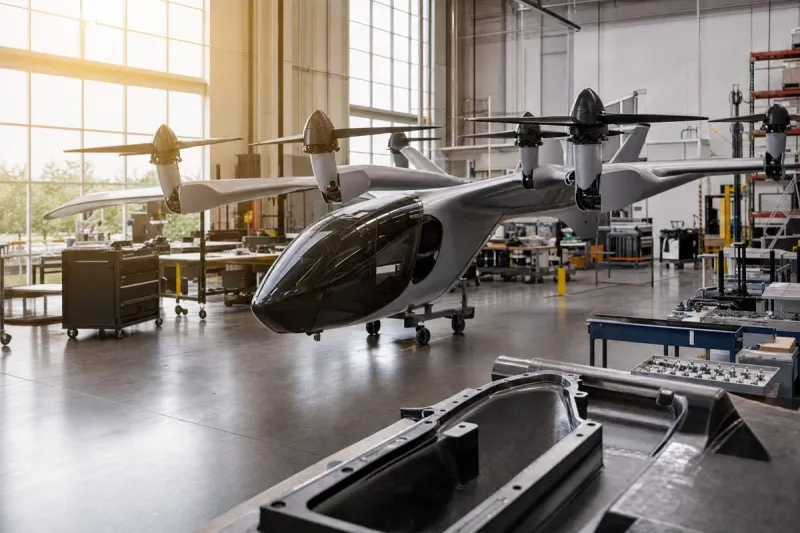
The announcement follows last week's deposit-backed term sheet for 10 firm aircraft and 10 aircraft options, signed by FFG founder and chief executive officer Karan Singh and BETA founder and chief executive officer Kyle Clark while flying aboard a BETA ALIA aircraft. The agreement forms part of FFG's aircraft-agnostic strategy, and the initial Florida service is intended to build customer relationships and commercial experience before future electric aircraft are deployed.
The initial phase would use existing certified PC-12 aircraft, so service development can proceed independently of the introduction of a new electric aircraft type. FFG will lead route development, customer acquisition, distribution and customer service, coordinating delivery with appropriately certificated aircraft operators. It describes itself as a mobility management company that brings aircraft and specialist partners together around the requirements of each market and mission.
Customers, ground access and partners
The service is aimed at business and leisure travelers seeking faster, more convenient regional connections as an alternative to lengthy road journeys or inconvenient air connections. FFG will assess the complete customer journey, including airport access and ground transfers, alongside willingness to pay, repeat use, service reliability and the economics of each route.
SUVA, the advanced air mobility infrastructure platform created by Signature Aviation and UrbanV, will work with FFG on ground infrastructure and site readiness, using existing aviation facilities and Signature Aviation locations where available. S3Nova Partners is supporting engagement with private-sector participants and public authorities in Florida, connecting the program with regional stakeholders and prospective commercial opportunities.
Over time, the regional network is also intended to generate connecting demand for future last-mile eVTOL services.
Industry impact & what to watch
The structure here separates two risks that usually travel together in advanced air mobility: building a customer base and route network, and waiting for a new aircraft type to be certified. By operating certified PC-12s through appropriately certificated operators, FFG can test demand, pricing and reliability on real city pairs while the electric aircraft it has contracted for remains a later phase. For the segment, this suggests that early commercial learning in AAM may increasingly come from conventional aircraft flown under an asset-light management model rather than from the new aircraft themselves.
The model also shifts where the economics are decided. A mobility manager that owns distribution and the customer relationship, but contracts aircraft and operations, depends on the unit economics of each route and on the quality of the door-to-door journey, which is why ground transfers and airport access sit inside FFG's assessment alongside willingness to pay and repeat use. Ground infrastructure partners such as SUVA become part of the product rather than a background utility.
The next concrete milestones are the ones the companies themselves leave open: which of the six candidate markets become the initial city pairs, and the confirmation of routes and schedules as commercial and operating arrangements are finalized ahead of the Q1 2027 target.