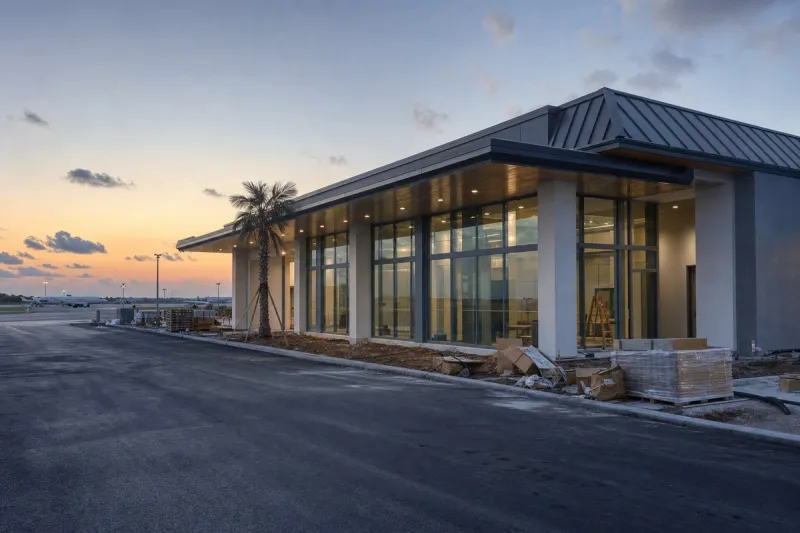
IndiGo, Air India and Akasa Air Expand In-House MRO as India's Aftermarket Lags Fleet Growth
Why It MattersIndia's carriers are treating maintenance as a capability to own, not buy, which signals that domestic MRO supply remains the binding constraint on how quickly the market's fleets can expand.
What happened
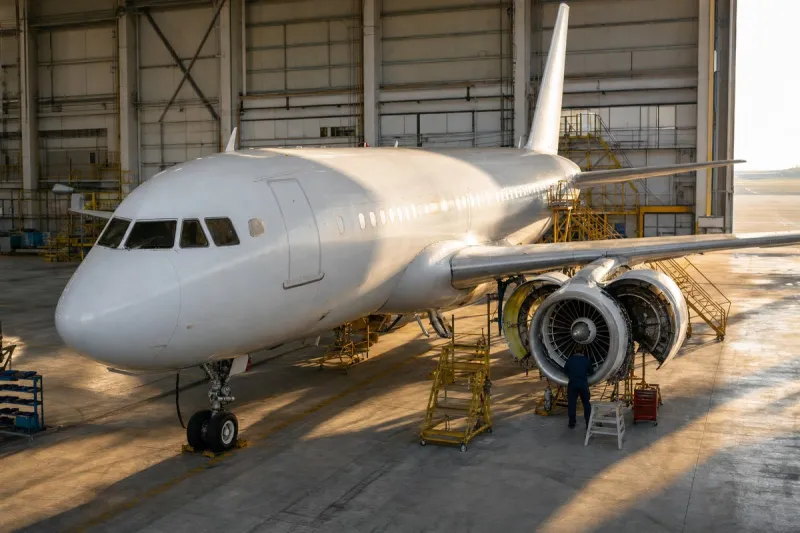
Engineering chiefs from India's three largest airlines, IndiGo, Air India and Akasa Air, said at the Aviation India summit in Delhi that they are building their own maintenance, repair and overhaul (MRO) capabilities. Their stated reasons: the domestic aftermarket has not kept pace with fleet growth, and reliance on overseas providers creates exposure.
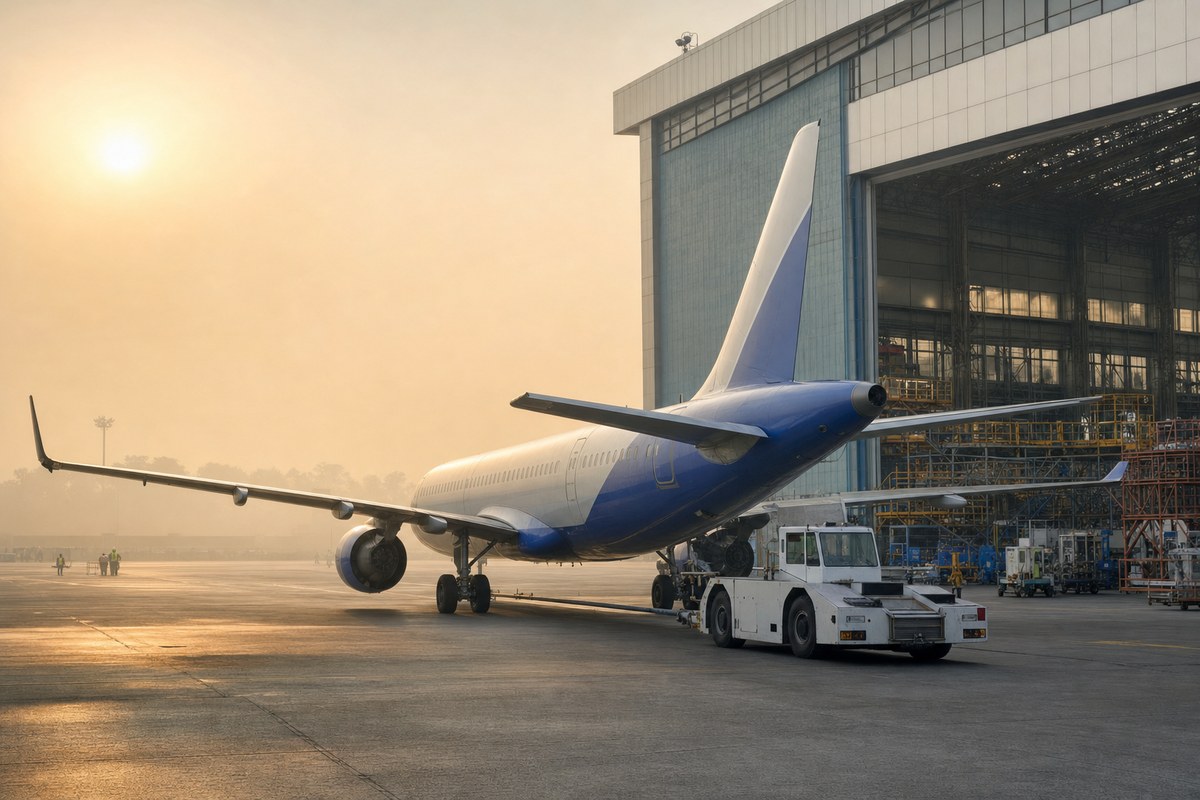
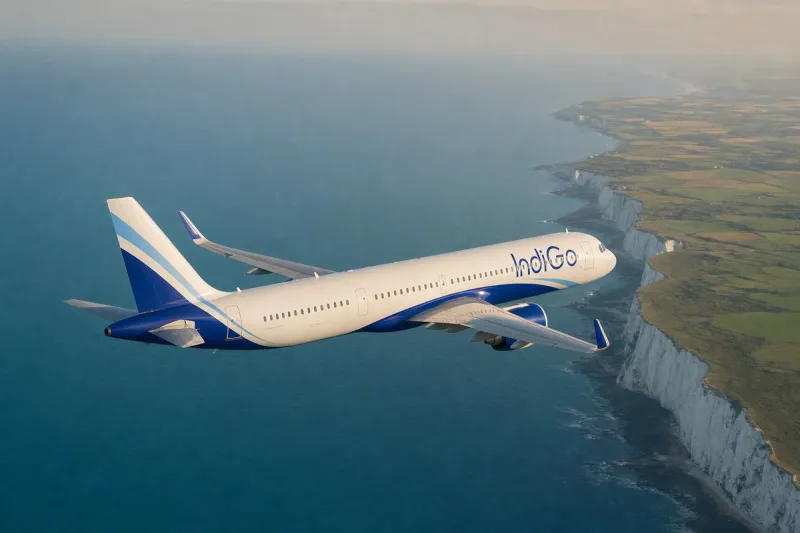
IndiGo operates 439 aircraft and expects 444 by mid-November. Parichay Datta, its senior vice president for maintenance and engineering, said there is "no choice but to be self-reliant." Last year IndiGo performed more than half of its roughly 140 annual C checks in-house, leaving outside MROs to handle end-of-lease checks. Datta welcomed Safran's new local facility in Hyderabad but said it would fill only "a very small part" of the airline's needs. He added that some overseas providers currently look stronger on capability, capacity and price, and that Indian MROs "can and should do a lot more."
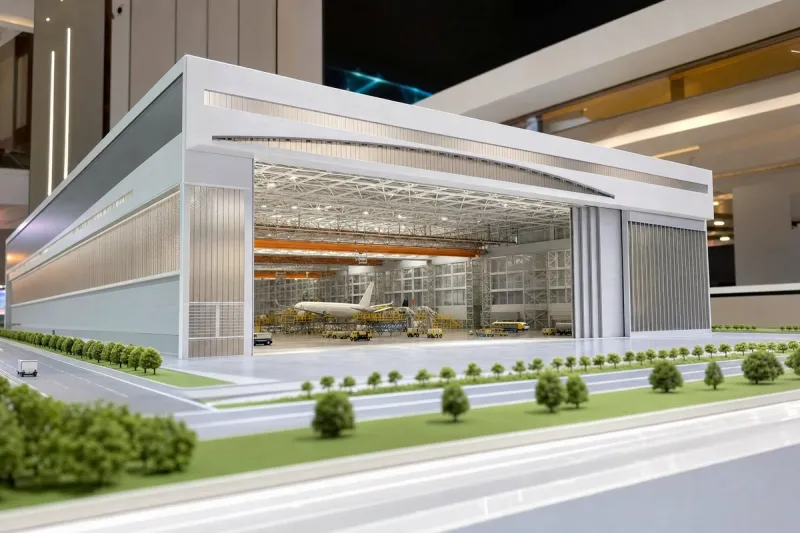
Air India still outsources about 20% of its line maintenance but plans to bring all of it in-house within six to eight months, said Jeremy Yew, its senior vice president for maintenance and engineering. Most narrowbody base checks are already done in India, while widebody work is split between Indian and foreign MROs. Yew said the Middle East crisis earlier this year forced checks planned at Middle Eastern facilities to be moved when aircraft could not reach them. Air India is building an MRO hub at Bengaluru, which CEO Tewolde Gebremariam has designated as a third international hub.
Akasa Air began flying in August 2022 and has grown from 20 aircraft to 45, with a target of 50 by March 2027 and 226 aircraft on order through 2032, said Daniel Saldanha, its senior vice president for maintenance and engineering. The airline moved line maintenance in-house within months of launch. Its fleet averages about four years of age, so heavy checks only became necessary in the third year; it signed a three-year contract with GMR Aero Technic, which has completed 24 aircraft since June 2025. Akasa has tied up with the new Noida airport to open a small MRO facility by 2028.
Industry impact & what to watch
The pattern across the three carriers is vertical integration of work that used to be bought in. Line maintenance, and increasingly base checks, are moving inside the airline because the carrier controls scheduling, parts flow and turnaround, none of which an outside shop can guarantee while domestic capacity is thin. The Middle East episode Air India described shows the second driver: when checks are placed abroad, a regional disruption can strand the work along with the aircraft.
For independent MROs, the signal is mixed. Datta's remark that overseas providers still look stronger on capability, capacity and price tells domestic shops where the bar sits, while his view that Indian MROs can do a lot more indicates demand exists for those that clear it. The airlines' in-house build-out also narrows the addressable pool: if IndiGo already handles more than half of its C checks itself, what remains for third parties is mostly end-of-lease work and overflow.
The milestones that would test these plans are the ones the airlines themselves named: Air India's move to full in-house line maintenance within six to eight months, the Bengaluru hub taking shape, and Akasa's Noida facility opening by 2028. Akasa's heavy-check demand will also grow as its young fleet ages and the order book delivers, which will show whether a three-year outsourcing contract with GMR Aero Technic is a bridge or a model.