U.S. Army HADES Prototype, Built on a Bombardier Global 6500, Completes First Flight
Why It MattersArmy adoption of a business-jet airframe for deep-sensing work shows how commercial large-cabin platforms are becoming the base for government-owned, contractor-operated ISR fleets, shifting where long-lived modification and sustainment work sits.
What happened
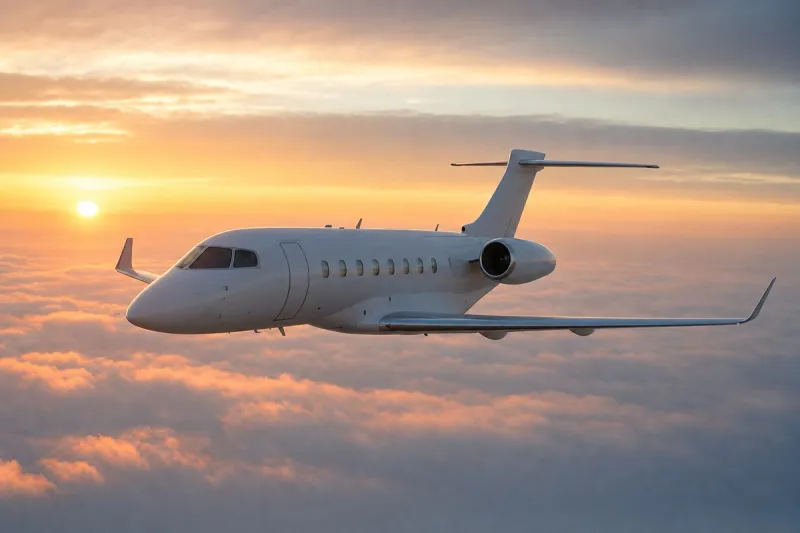
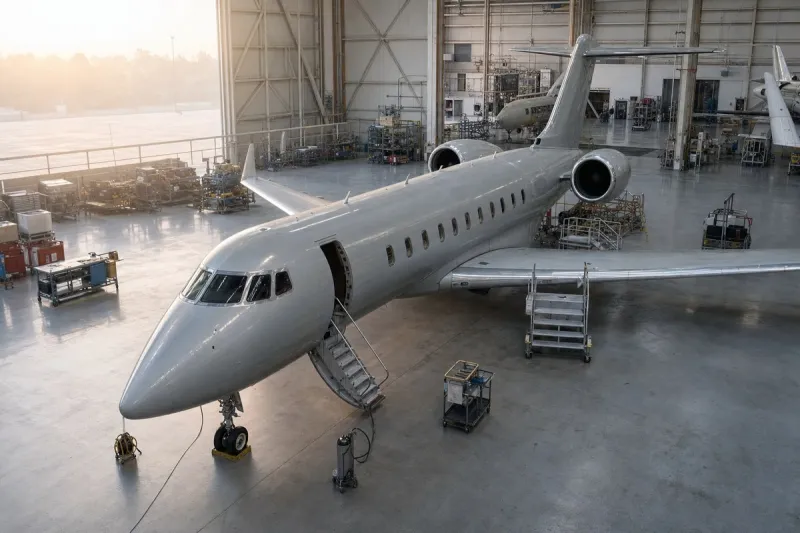
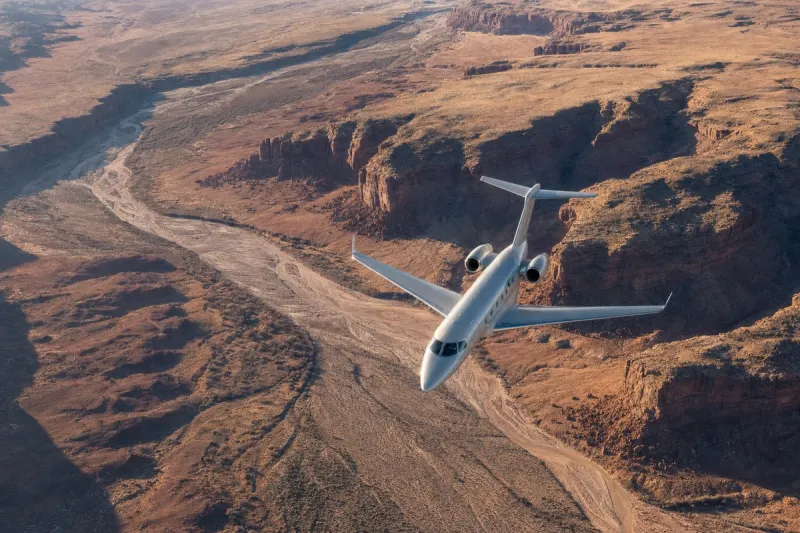
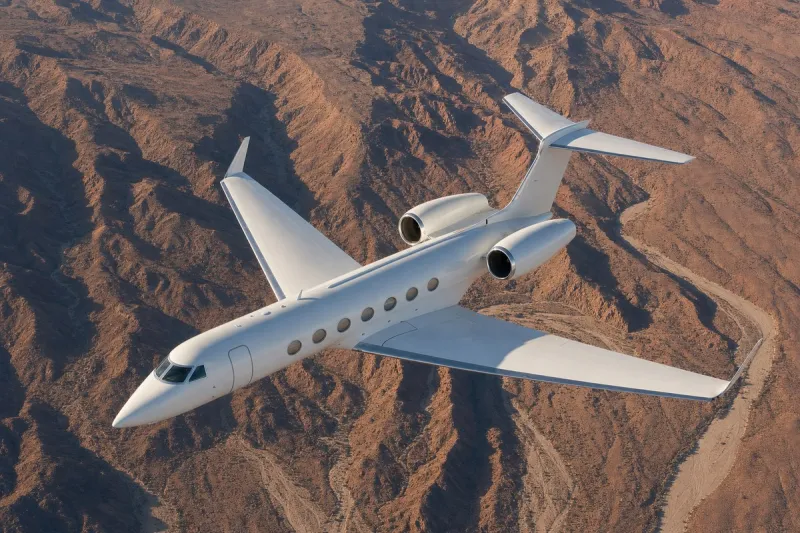
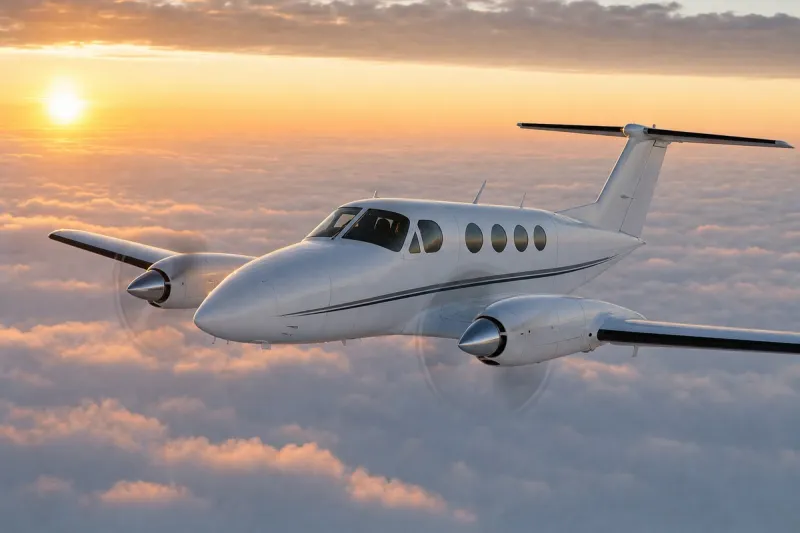
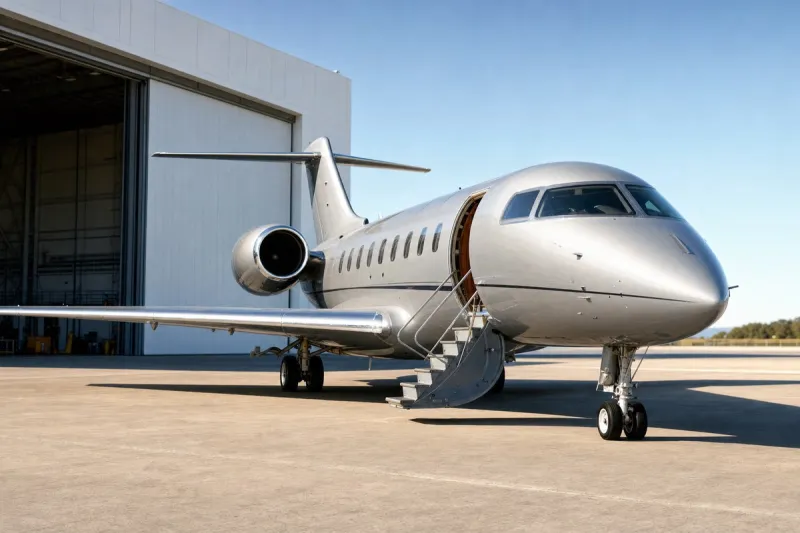
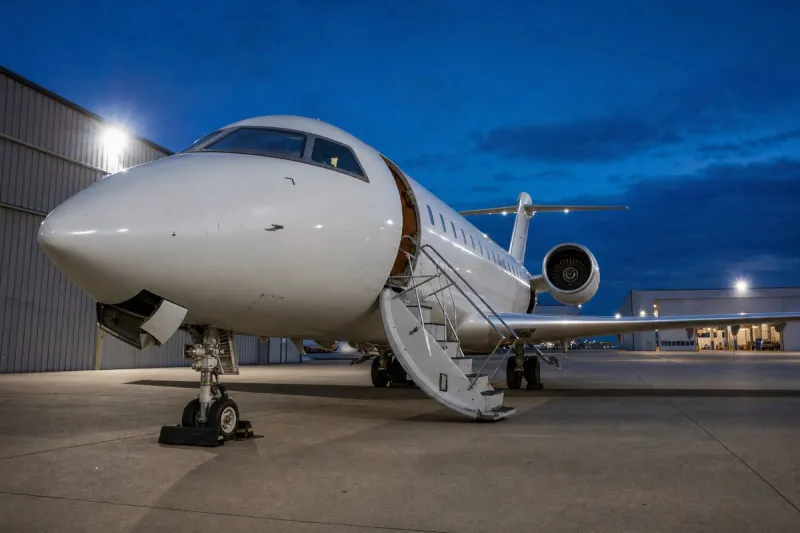
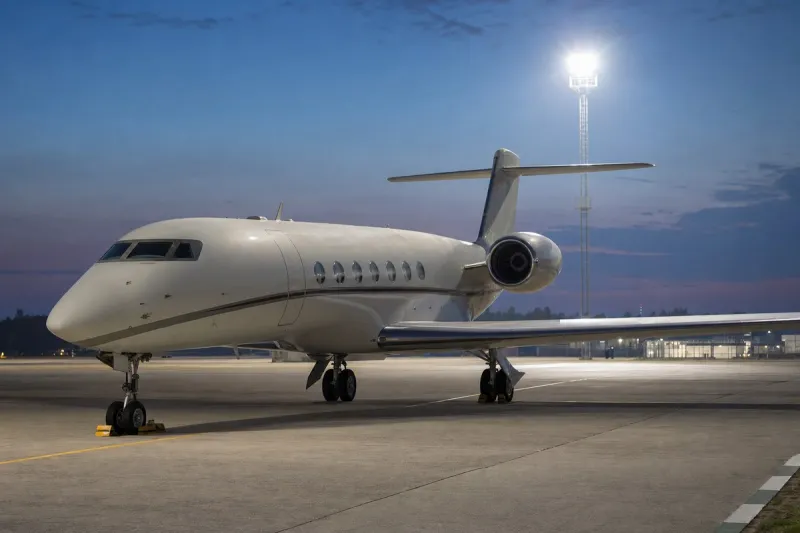
The U.S. Army's HADES prototype made its first flight on 11 September. HADES is a crewed intelligence, surveillance and reconnaissance (ISR) aircraft built on a modified Bombardier Global 6500 business jet. The flight followed a formal readiness review and marked the start of system integration and developmental flight testing. Lt. Col. James Hickey said the flight "transitions our vision for deep sensing from concept to reality," paving the way to check the aircraft's onboard sensor suite.
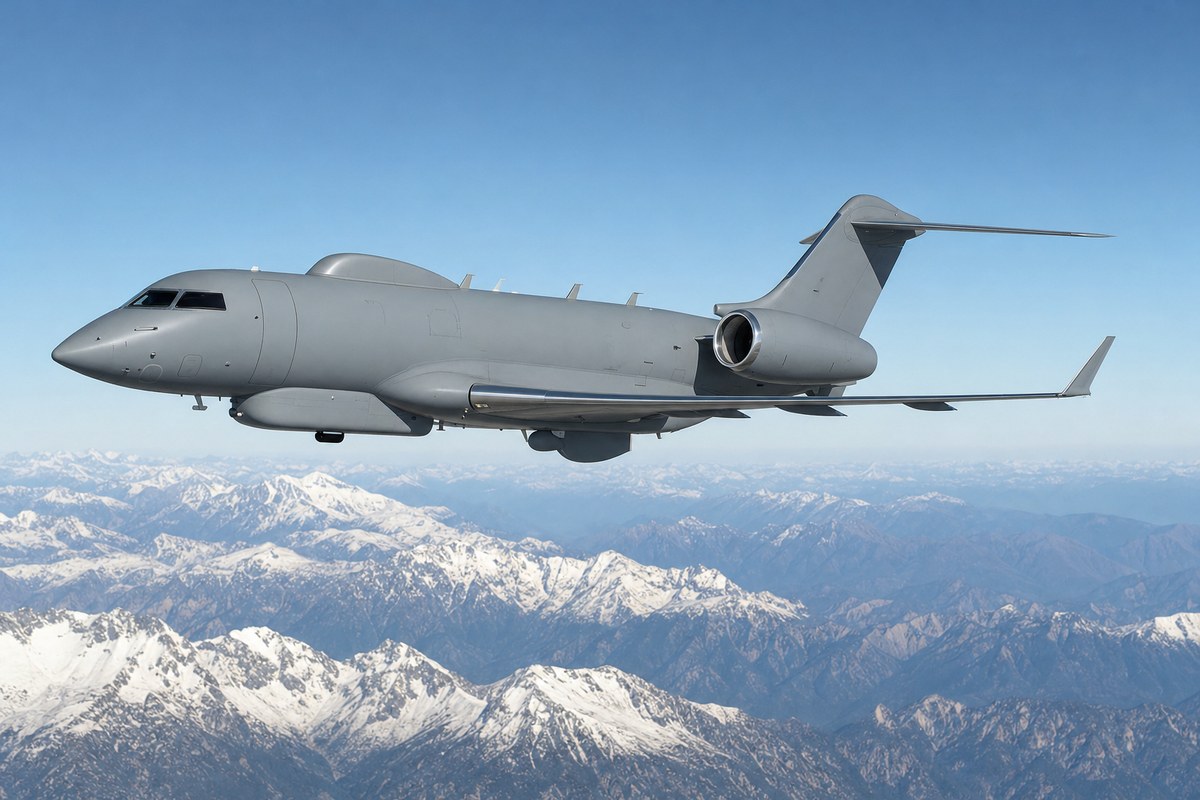
In December 2023, the Army awarded Bombardier a contract for the first Global 6500 airframe for HADES. In August 2024, it chose SNC as lead systems integrator under a 12-year program worth about $1 billion. SNC handles structural modifications and sensor installation. HADES aircraft are government-owned but contractor-operated. Bombardier delivered the first Global 6500 prototype to the Army in November 2024. The Army's Fixed Wing Project Office oversees the program, with Bombardier as airframe supplier and SNC as lead integrator, and other contractors supply mission systems.
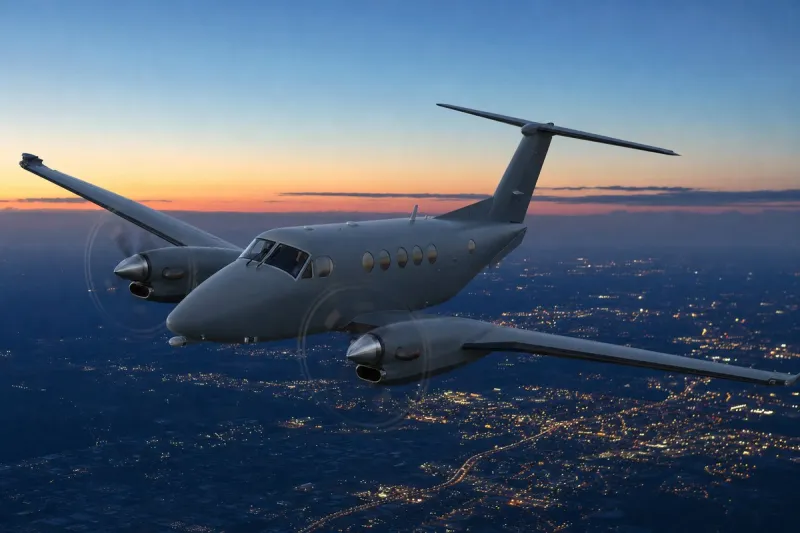
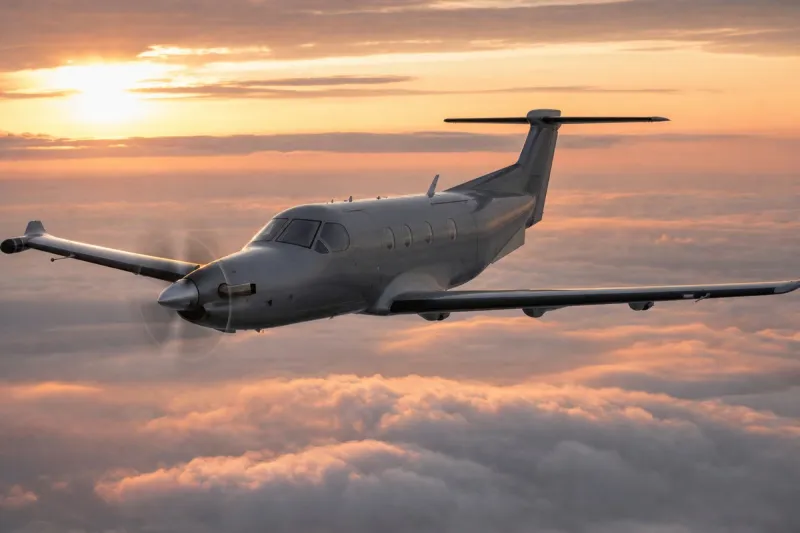
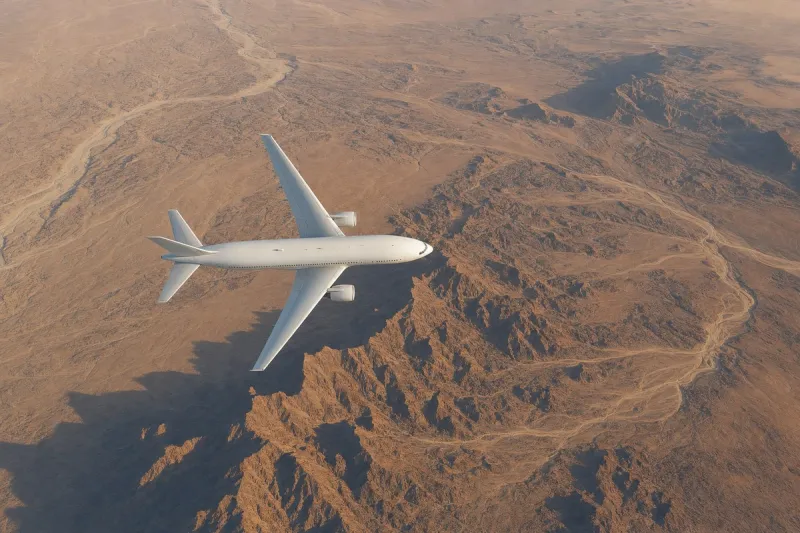
The aircraft is powered by two turbofan engines and is flown by a crew using standard avionics and an autopilot. It is intended as a deep-surveillance asset for joint operations and, as a jet, can fly farther, faster and higher than the Army's legacy King Air-series turboprop reconnaissance aircraft. The platform can also launch or control small UAVs and electronic warfare drones.
Before the first flight, engineers completed structural modifications, loaded mission hardware and validated airworthiness with Army and SNC test teams, and the flight used standard Army flight-test procedures. The Army did not release performance data or say which sensors were aboard, stating only that the flight moves the program into multi-domain sensor integration and flight testing.
Industry impact & what to watch
Fitting a large-cabin business jet with a deep-sensing payload follows from how the segment works: the airframe, engines and avionics come from a certified commercial production line, and the value added sits in the structural modification, sensor installation and integration. The split visible here, with Bombardier supplying the airframe and SNC integrating as lead, places the long-lived modification and sustainment work with the integrator and the government-owned, contractor-operated model with whoever runs the fleet day to day.
For the business-jet market, this is a defence application of a platform sold mainly to private and corporate customers. The Army's choice of a jet over its legacy King Air-series turboprop reconnaissance aircraft rests on range, speed and altitude, the same attributes that define the large-cabin class for commercial buyers.
The next dated markers are the ones the Army itself names: testing in contested conditions is still needed, officials aim to complete integration of the sensor suite and demonstrate the system by around 2030, and fielding is expected in the 2030s. Performance data and the sensor configuration are the items whose release would show how far the integration has progressed.