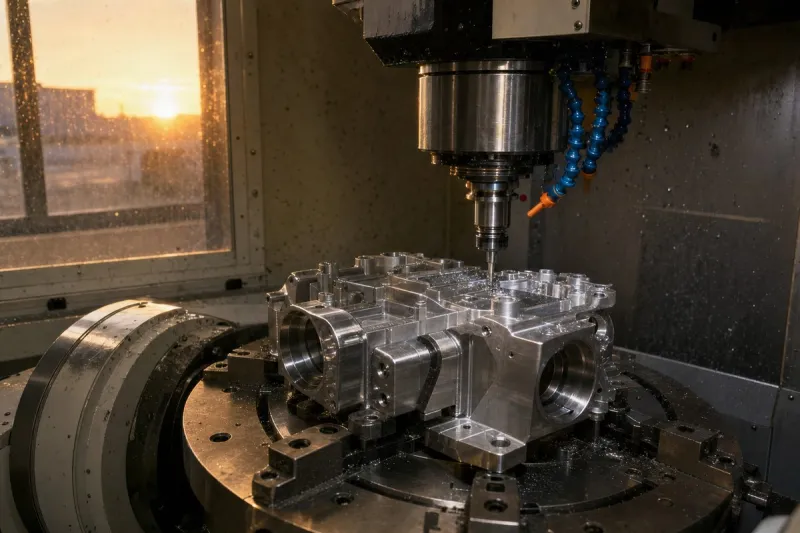
NASA Glenn Sends Photons Between In-Flight PC-12 and Ground Station in First U.S. Air-to-Ground Quantum Link
Why It MattersAirborne quantum links extend the ground and satellite quantum-networking model to moving platforms, but without published link metrics, the practical value of aircraft nodes for networks cannot yet be judged.
What happened
NASA's Glenn Research Center in Cleveland said on Nov. 4 that its researchers sent single particles of light, or photons, between an aircraft in flight and a ground station over a quantum channel. NASA describes it as the first time this has been done in the United States.
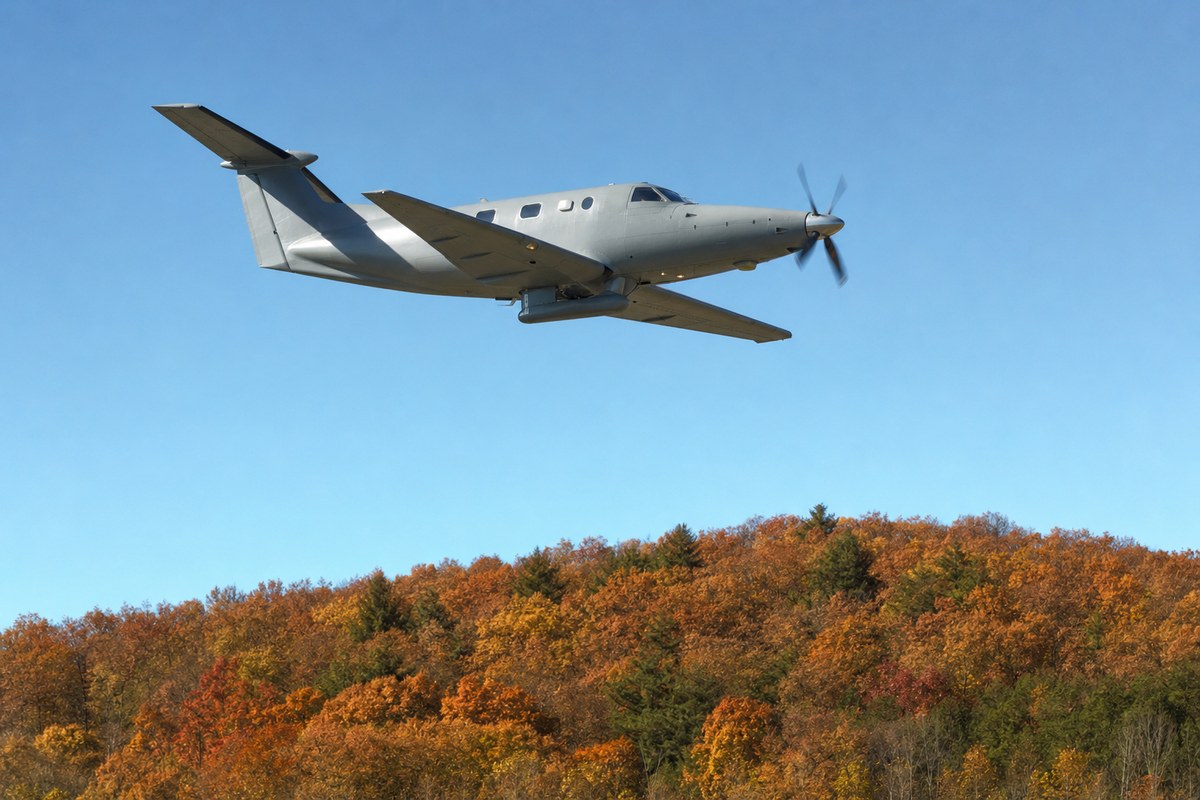
The flight took place on Oct. 21. During it, the team "successfully locked onto a quantum signal and recorded data in flight," Glenn said, calling the result "a major first step toward incorporating airborne systems in nationwide quantum networks." The test used Glenn facilities and NASA's Pilatus PC-12, tail number N606NA.
The announcement consists of a three-post thread on X. NASA has not published a technical paper or news release with results, and the thread gives no link distance, photon count rate, quantum bit error rate or key rate. It does not say whether the team generated encryption keys or used entangled photons.
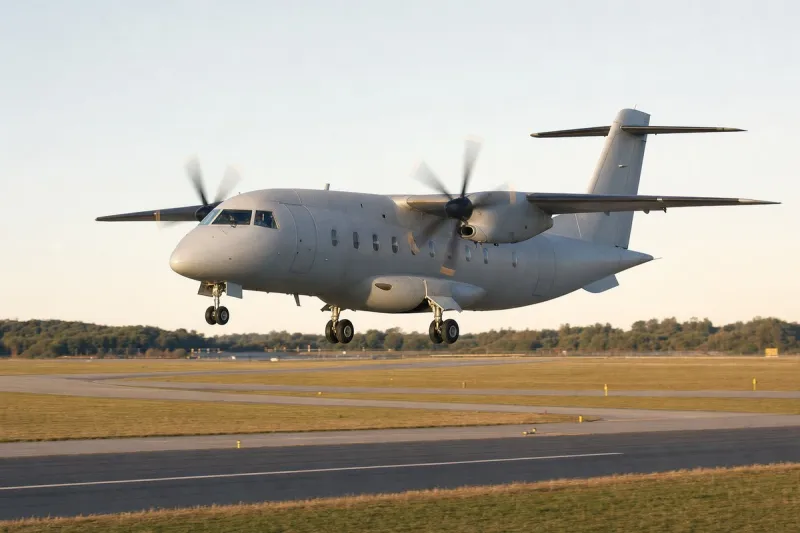
Earlier airborne experiments exist elsewhere. In 2013, researchers from LMU Munich and the German Aerospace Center (DLR) sent quantum key distribution signals from a Dornier 228 flying about 20 km from a ground station near Munich, reaching a sifted key rate of 145 bits per second over a 10-minute pass. A Canadian team flew a quantum receiver on an aircraft and published results in 2017, holding links over 3 to 10 km with error rates of 3%-5% and generating secure keys of up to 868 kilobits. In November 2025, Germany's QuNET initiative sent single photons from a DLR Dornier 228 to a mobile ground station.
Industry impact & what to watch
Quantum networking has so far leaned on fibre and satellites, and aircraft are a third kind of node: moving, lower than a satellite, and able to loiter over a chosen area. A U.S. demonstration with a government-operated utility turboprop matters because it shows the pointing and tracking problem of locking onto a quantum signal from a moving platform can be handled with equipment flown on an ordinary airframe. For business aviation, this is a research story rather than a product one, but it signals that airborne platforms are entering the design discussion for national quantum infrastructure.
What separates a first step from a usable link is the set of figures NASA's thread omits: distance, count rate, error rate and whether keys were produced. Prior flights set the yardstick, with the 2013 Munich work at a 145 bits-per-second sifted key rate and the 2017 Canadian flights at error rates of 3%-5%. Once NASA publishes the Oct. 21 data, those numbers are what a comparison would be made against.