Embraer Plans No New Aircraft Announcement in 2027, Ties Next Program to Eve eVTOL Progress
Why It MattersEmbraer's sequencing shows how an airframer with one large development program under way rations capital, making the maturity of that first bet the gate for any new commercial, business or defense jet.
What happened
Embraer does not expect to announce a new aircraft program in 2027, executives said on the company's third-quarter results conference call on Tuesday (10). Felipe Santana, executive vice president of Finance and Investor Relations, said nothing is planned for announcement next year while the company keeps studying alternatives in executive aviation, commercial aviation and defense.
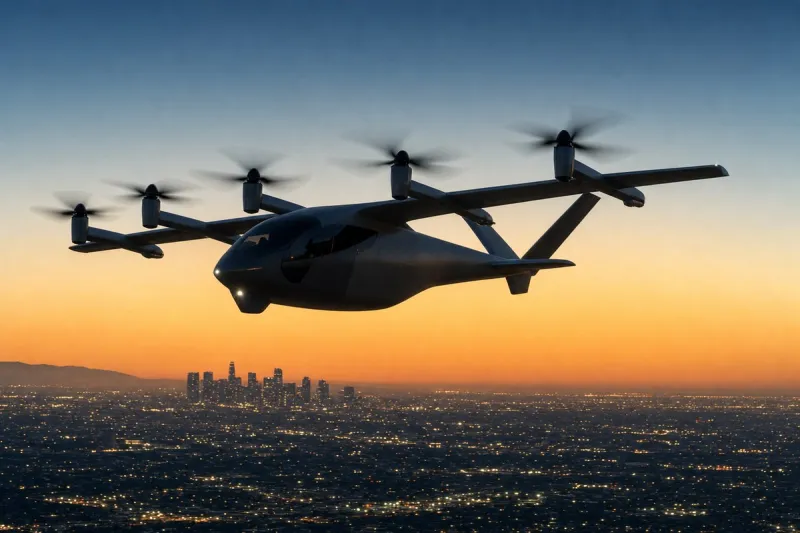
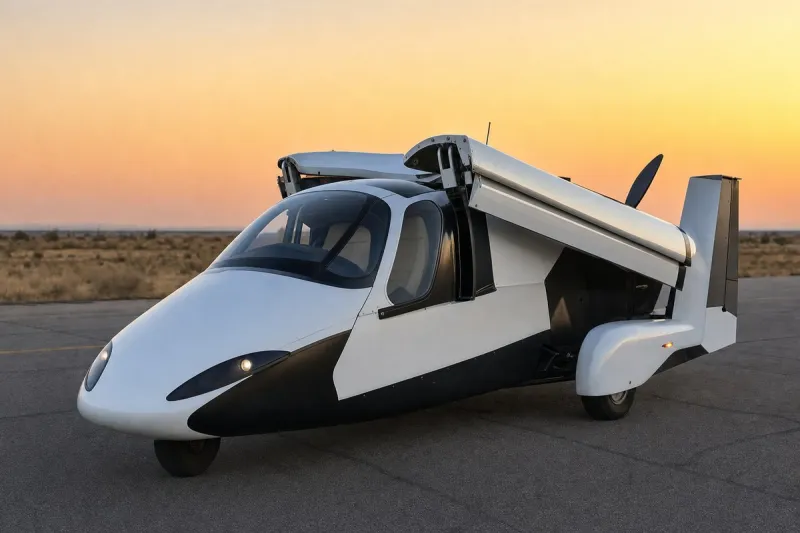
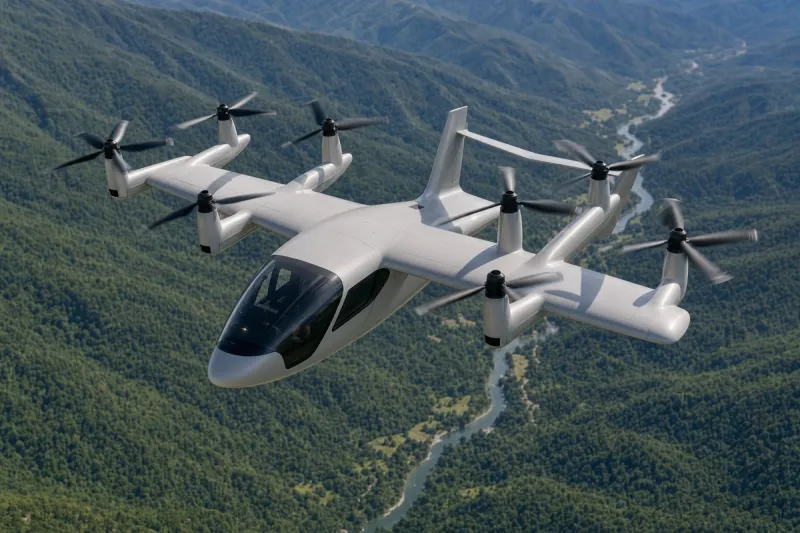
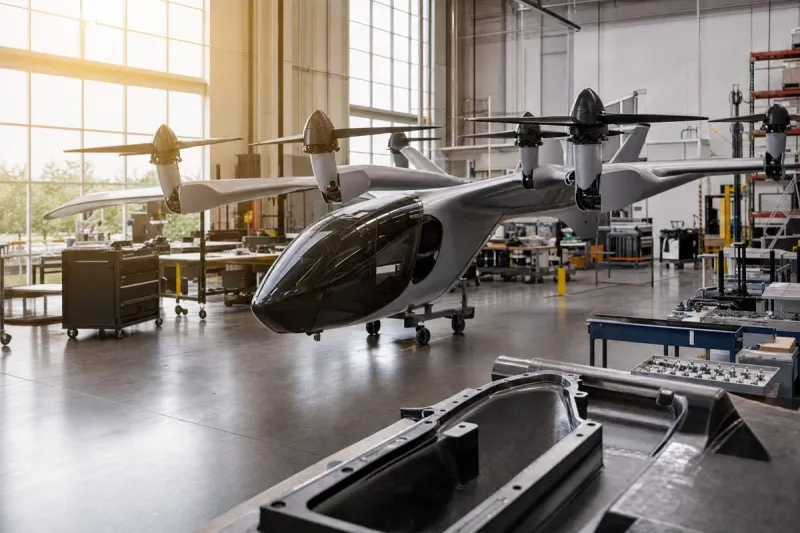
President and CEO Francisco Gomes Neto said Embraer will not put its financial health at risk. He said the next decision will depend on customer acceptance, financing, the product itself and the chances of success without compromising what has already been built. Guilherme Paiva, director of Investor Relations, M&A and Venture Capital, said it is not prudent to have two major capex fronts at the same time and that the risk of the Eve eVTOL project must be substantially reduced before the next step.
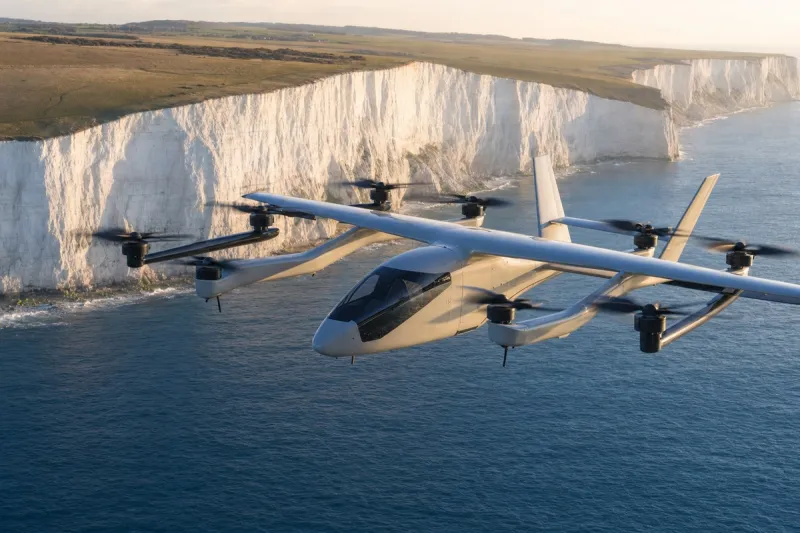
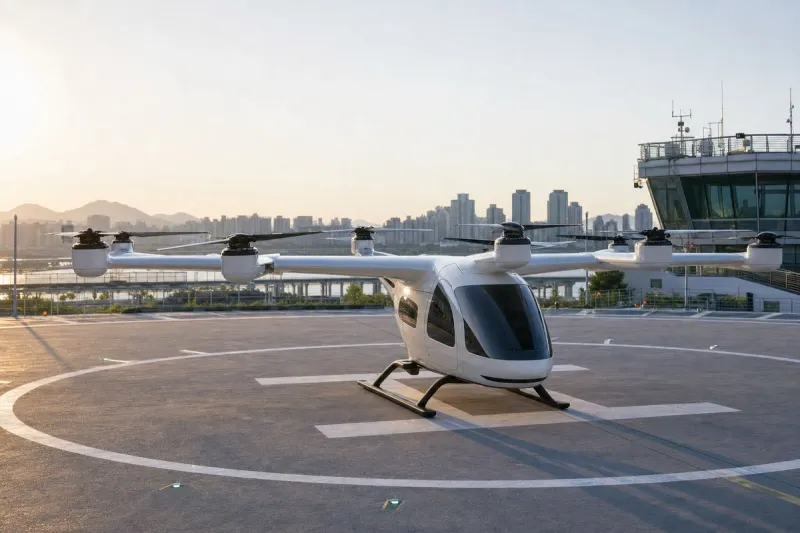
Paiva named two Eve milestones: the prototype's full transition from vertical to wing-borne flight, scheduled for the end of the year, and the first crewed flights in the second half of 2027. Eve will build six prototypes through the first half of 2027, and the certification flight campaign would begin in mid-2027 and run through 2028. Eve is spending between USD 50 million and USD 55 million per quarter, against annual guidance of around USD 225 million. Gomes Neto said the eVTOL is expected to be an important contributor to Embraer's revenue and profitability after 2029.
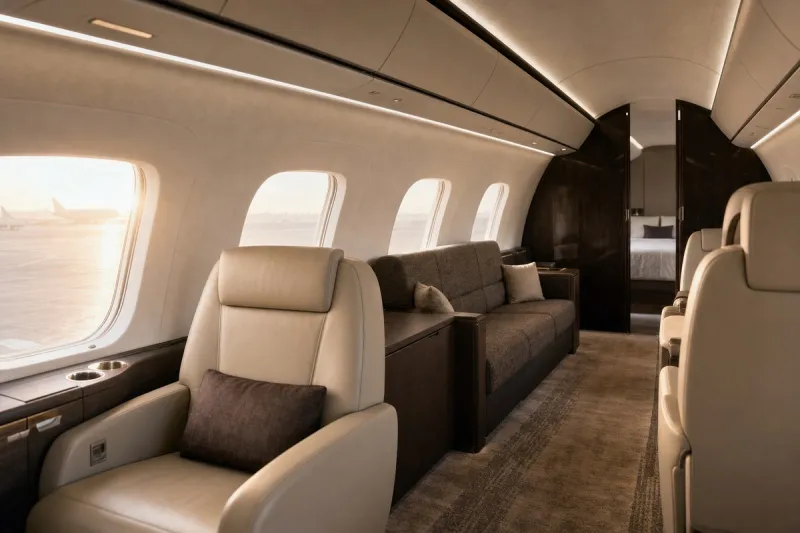
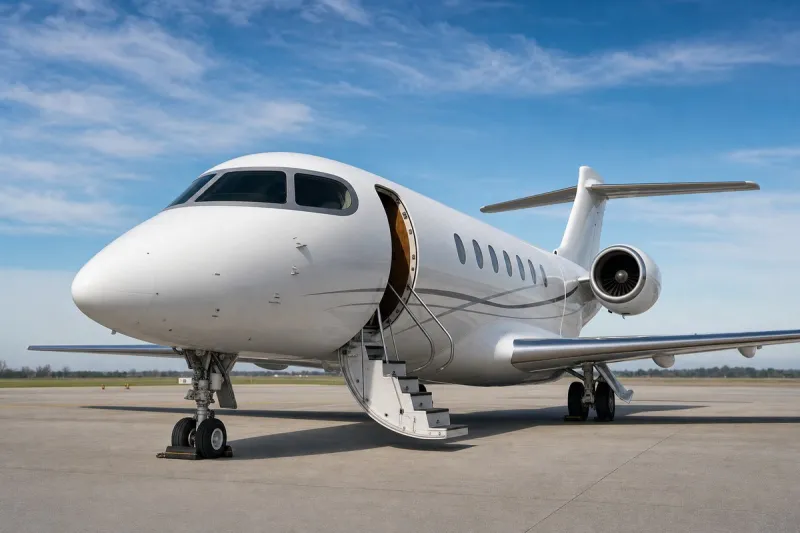
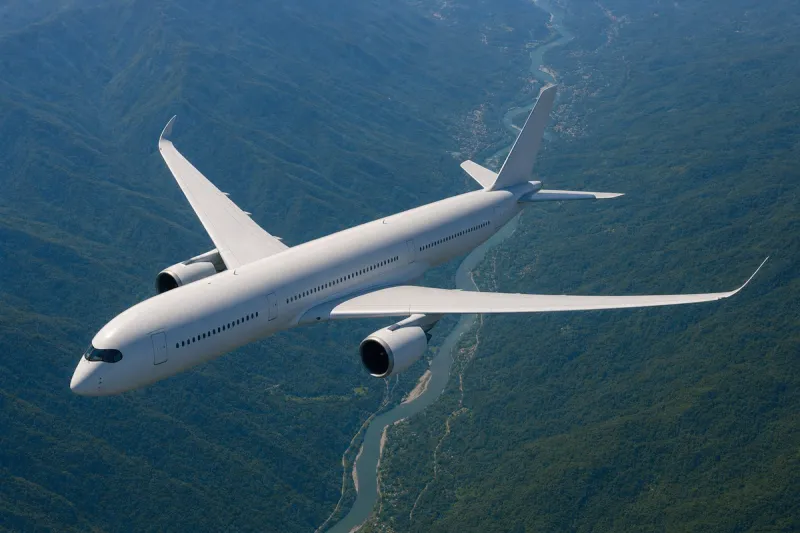
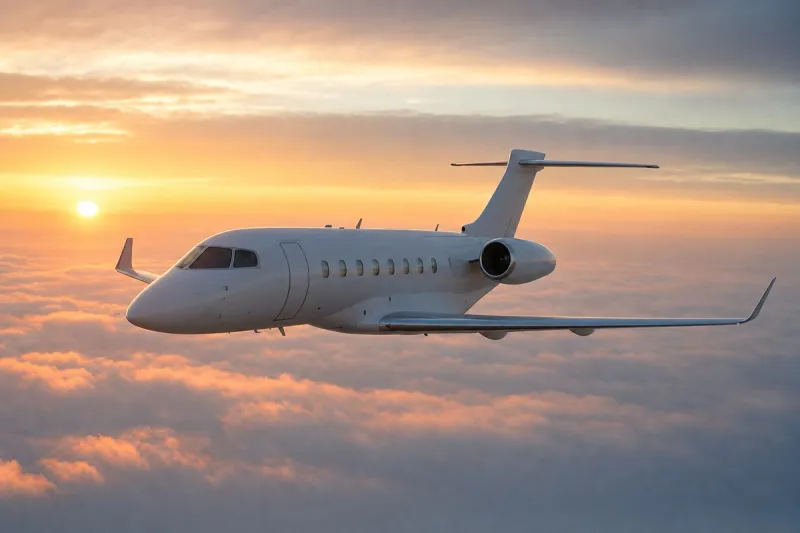
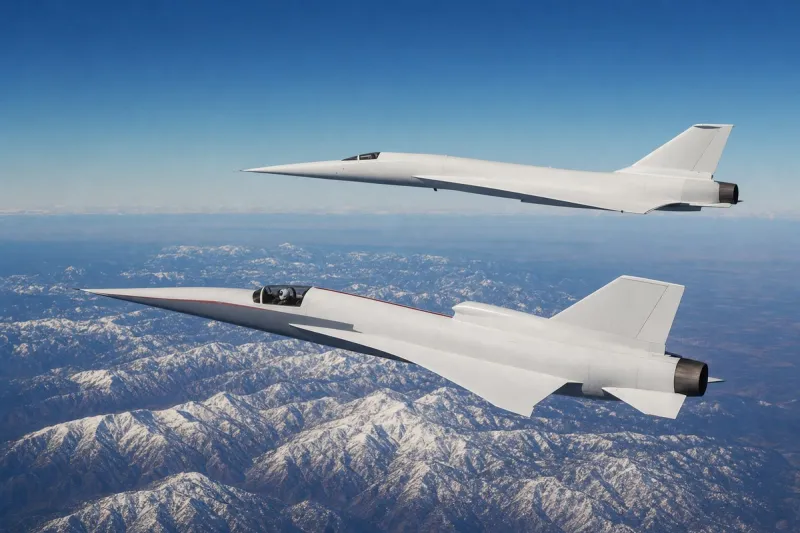
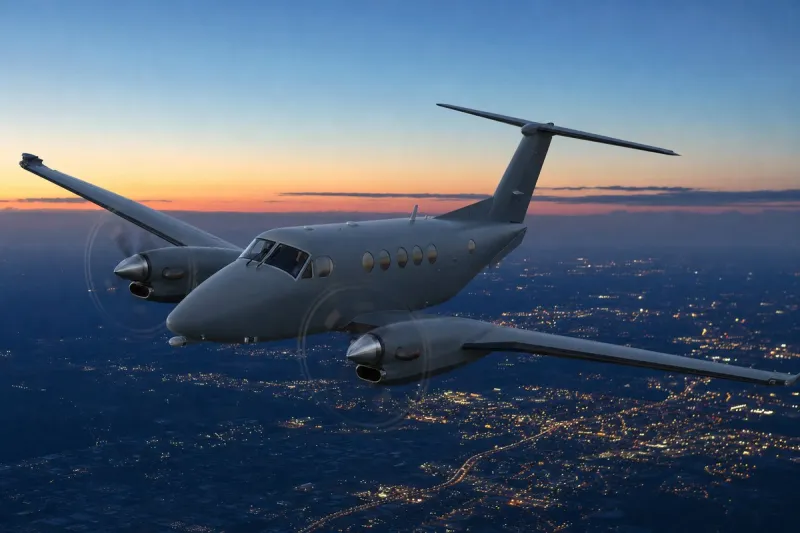
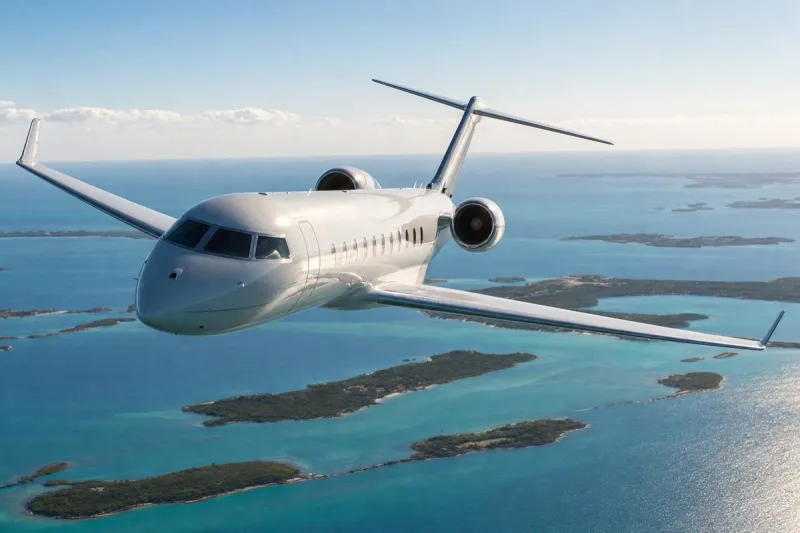
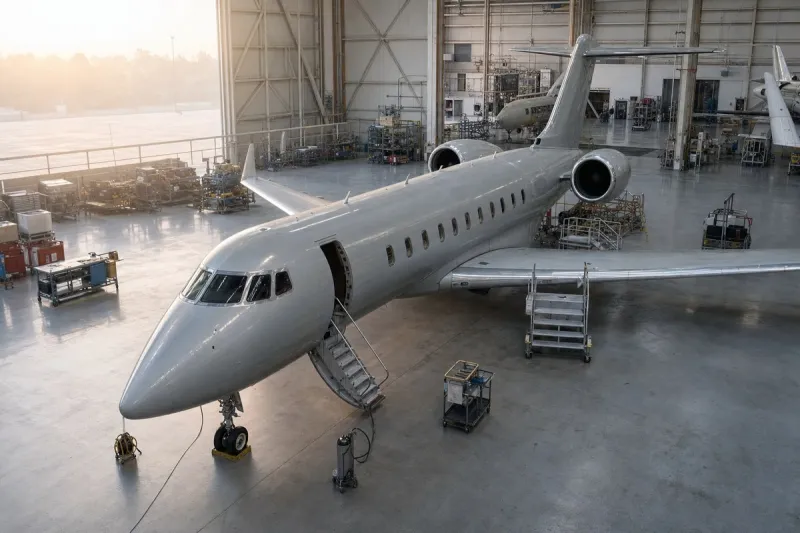
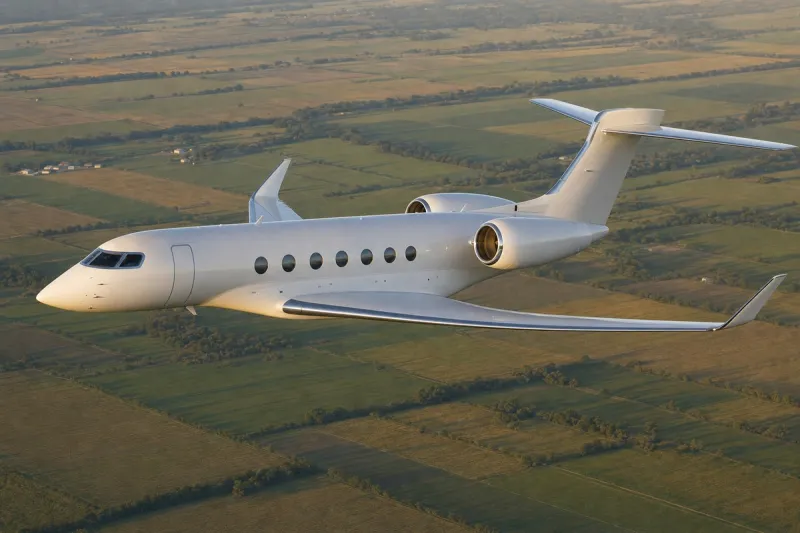
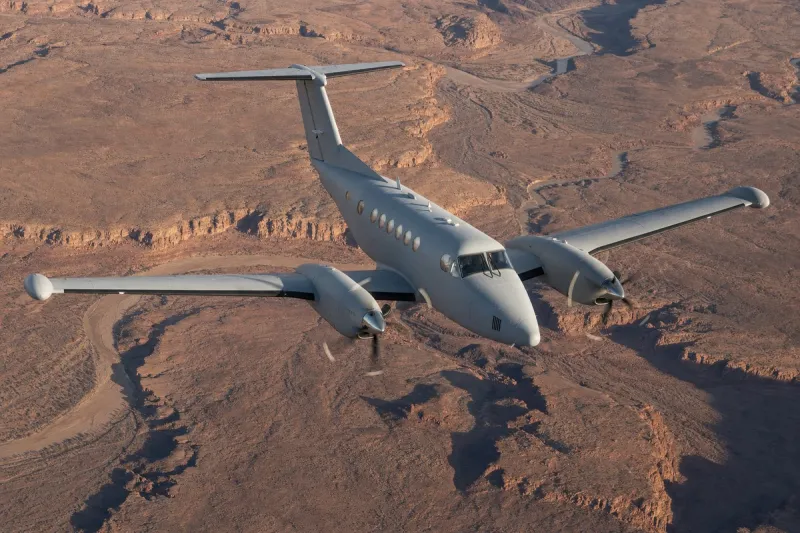
Gomes Neto said engineers also have other open fronts: certification of the E2TS automatic takeoff system for the E2, which Embraer had expected by the end of 2025 and which he now expects soon; adaptation of the KC-390 Millennium to each customer's requirements; and the cockpit upgrade of the A-29 Super Tucano. Part of the team is also studying a new product cycle that could be a new family of commercial jets or business jets, or a defense aircraft.
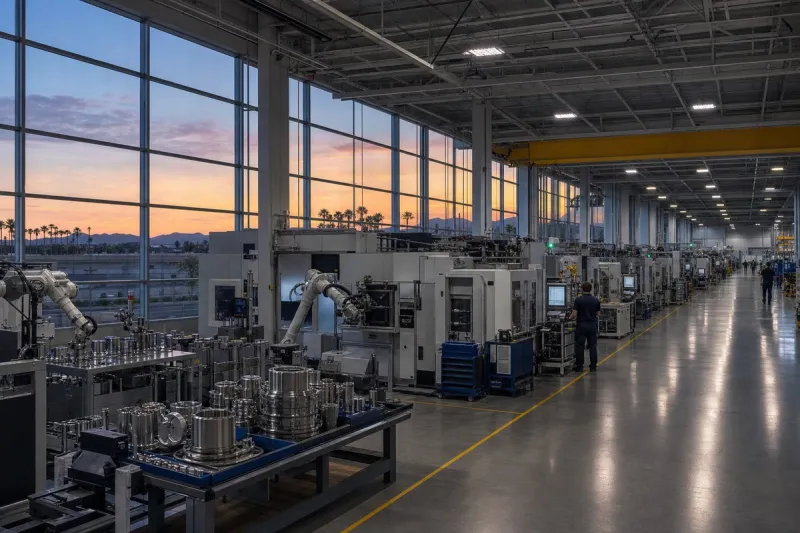
In the medium term, Gomes Neto is backing growth on a USD 35.7 billion backlog and on investments to raise production of E-Jets, business jets, the KC-390 and the Super Tucano. He cited India, on both civil and military (KC-390) fronts, and the United States, if the KC-390 enters the Air Force as a tactical tanker, as opportunities to accelerate growth. Embraer has around USD 23 billion in contract options; if all were exercised, the backlog would approach USD 60 billion.
Industry impact & what to watch
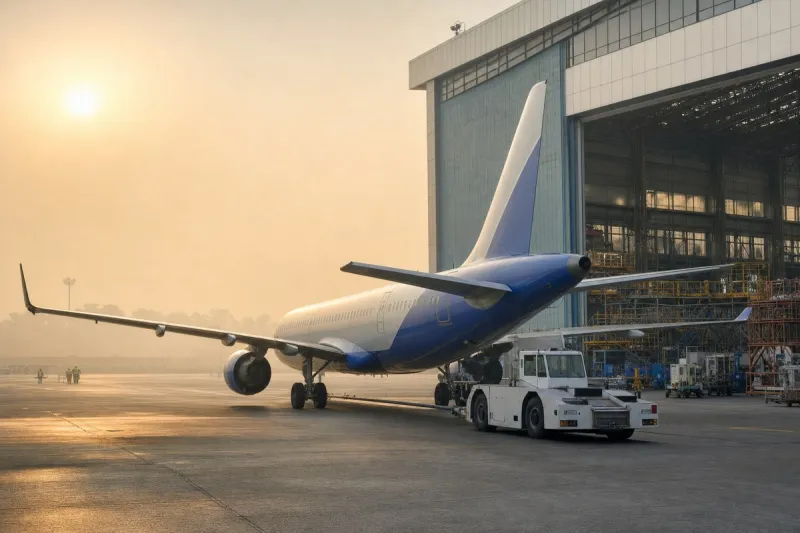
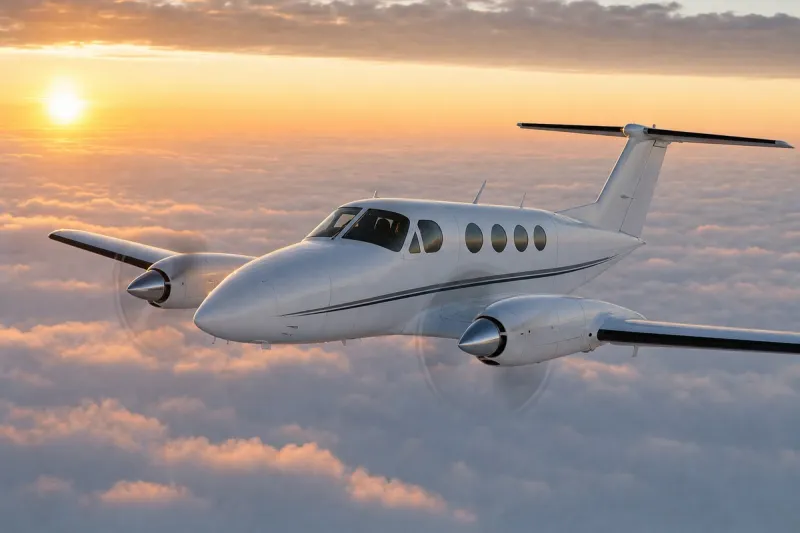
Airframers rarely run two clean-sheet programs at once, because each one draws on the same engineering teams, certification resources and balance sheet. Embraer's stated position makes that constraint explicit: the eVTOL is the capex front that has to mature first, and any new family of jets, whether commercial, business or defense, waits behind it. For buyers and suppliers watching Embraer's product roadmap, the practical reading is that near-term news will come from existing lines such as E-Jets, business jets, the KC-390 and the Super Tucano, not from a new type.
The backlog and the contract options show where the company expects growth to come from in the meantime. Output increases on current products are a lower-risk way to convert a large order book into revenue than launching a new aircraft, and the India and United States opportunities Gomes Neto cited depend on existing platforms, particularly the KC-390.
The next dated checkpoints are the ones Paiva named: the end-of-year prototype transition from vertical to wing-borne flight and the first crewed flights in the second half of 2027. How those go will largely determine whether the risk reduction Embraer wants before its next program step has actually happened.