FAA Issues Final Special Conditions for Gulfstream GVII-G400 Takeoff Over-Rotation Envelope Protection
Why It MattersSpecial conditions that rest on repeated prior publication show how regulators fold recurring fly-by-wire protection features into certification of derivative aircraft without fresh rulemaking, keeping derivative programs moving on a predictable path.
What happened
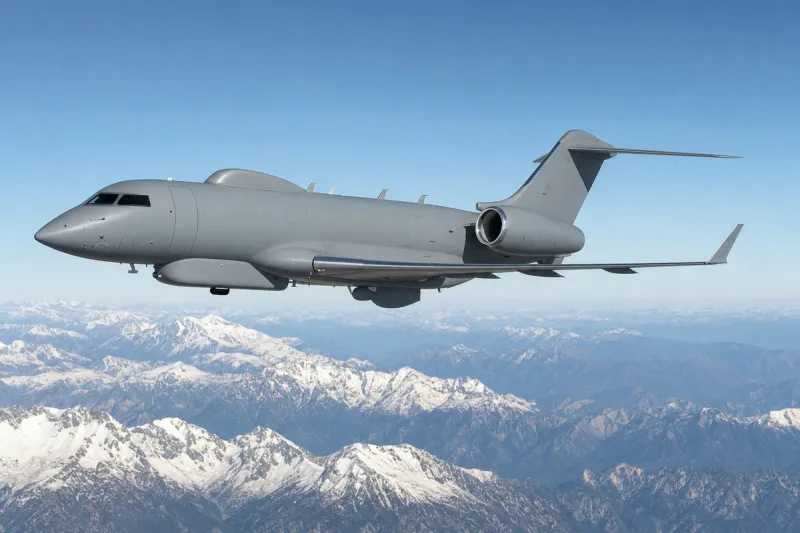
The U.S. Federal Aviation Administration has issued final special conditions, with a request for comments, for the Gulfstream Aerospace Corporation Model GVII-G400 airplane. The conditions address a novel or unusual design feature: an envelope protection function within the electronic flight control system (EFCS) that protects the airplane from over- and rapid-rotation on takeoff. The FAA found that the existing airworthiness regulations for transport category airplanes do not contain adequate or appropriate safety standards for this feature, so the special conditions add them.

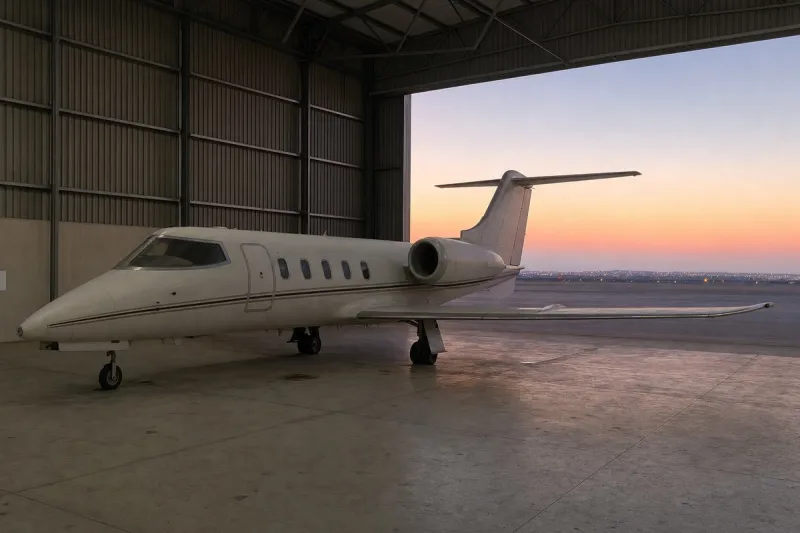
Gulfstream applied on December 1, 2022 to amend Type Certificate No. T00021AT to include the GVII-G400, a derivative of the GVII-500. The GVII-G400 is a twin-engine transport category airplane with seating for 19 passengers and 2 crew and a maximum takeoff weight of 73,500 pounds.
The function is called takeoff stall protection (TSP). It limits excessive pitch rate and pitch attitude during takeoff through the electronic flight controls. In on-ground mode, pitch rate command is proportional to stick input, and a pitch attitude limit indirectly limits angle of attack. TSP involves a control law update in the on-ground control mode only. Normal takeoffs, including performance takeoffs, are designed to retain conventional behavior similar to other Gulfstream side-stick airplanes, while rapid-rotation and over-rotation takeoffs will be influenced by TSP.
The FAA said the substance of these conditions has been published for public comment in several prior instances without substantive comments, so it found under 14 CFR 11.38(b) that prior notice and comment were unnecessary. Comments may be submitted under Docket No. FAA-2026-9408 through the Federal eRegulations Portal, by mail to Docket Operations, or by fax. The document is scheduled for publication in the Federal Register on 2026-11-10. The action applies only to this design feature on the GVII-G400 series and is not a rule of general applicability; it would also apply to any other model that later incorporates the same feature.
Industry impact & what to watch
Special conditions are the tool the FAA uses when a design feature has no matching standard in the existing transport category rules. Here the agency states that identical conditions have already been through public comment several times with no substantive response, and that history is what allowed it to issue the conditions as final while still taking comments afterward. For a derivative like the GVII-G400, this keeps the certification path for a protection function that has precedent from reopening a full notice-and-comment cycle.
The feature itself reflects a broader direction in business-jet flight controls: software-defined limits that act on specific phases of flight. Confining the TSP control law change to the on-ground mode, and keeping normal takeoffs behaving like other Gulfstream side-stick airplanes, shows how manufacturers try to add protection without altering the handling pilots already know across a fleet. The same logic applies to any later model that adopts the feature, since the conditions would carry over to it.
The next dated step is publication in the Federal Register on 2026-11-10, after which the comment window under Docket No. FAA-2026-9408 runs through the portal, mail or fax channels.