Namibian MP Questions New State Air Ambulance, Says Learjet 31 Unused Since 2003
Why It MattersA government air ambulance built on an idle legacy jet shows that sustained funding, maintenance, trained crews and airport infrastructure, not the aircraft itself, decide whether state medevac works.
What happened
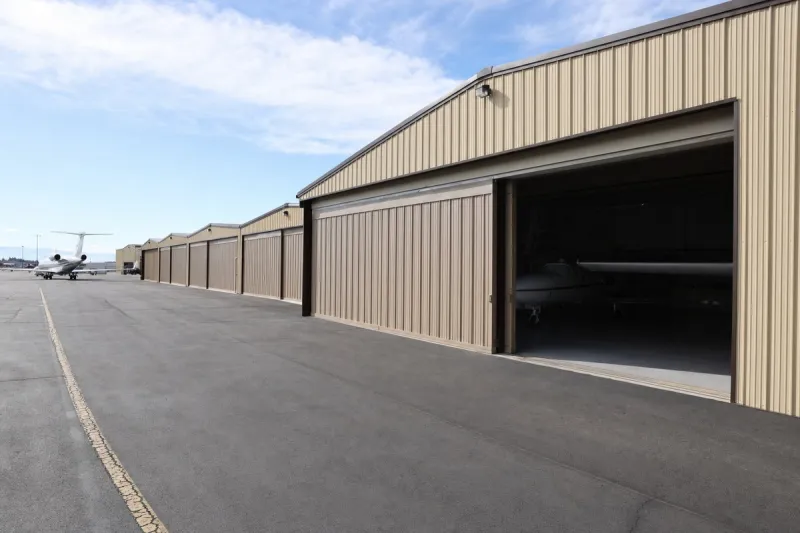
Opposition member of parliament Nelson Kalangula, the shadow minister of works and transport, has questioned the suitability and sustainability of Namibia's new state-owned air ambulance. He claims its Learjet 31 has not been in operation since 2003 and says the aircraft had been kept in a hangar after being replaced by a newer aircraft.

The aircraft was an existing government asset handed over to the Ministry of Health and Social Services. Executive director Penda Ithindi confirmed that the ministry has spent about N$500 000 equipping it.
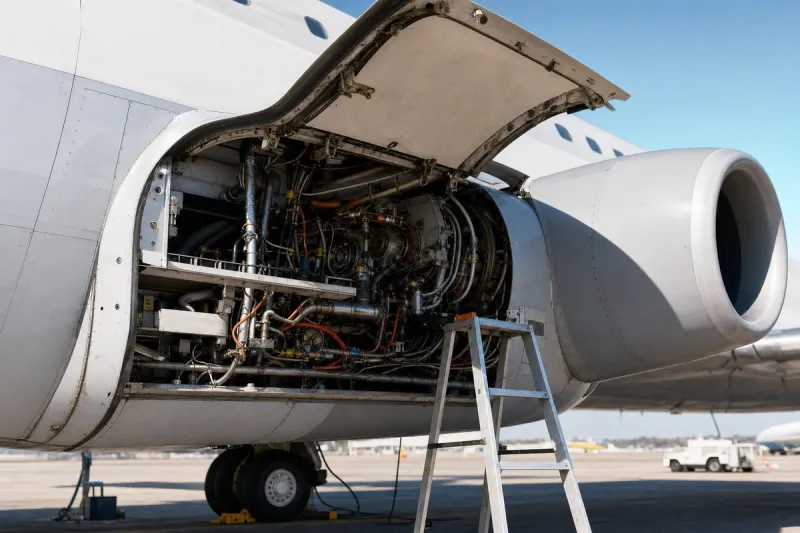
Kalangula raised concerns about the aircraft's maintenance requirements, spare-parts availability and the infrastructure needed to support operations nationwide. He argued that several airports lack runway lights, instrument landing systems, firefighting services and ground support equipment. He said many people needing care live in remote areas where a 4x4 vehicle or helicopter is required. He also questioned the availability of serviceable helicopters, qualified pilots, medical personnel and technical teams, particularly for night emergencies, and warned of high operational costs.
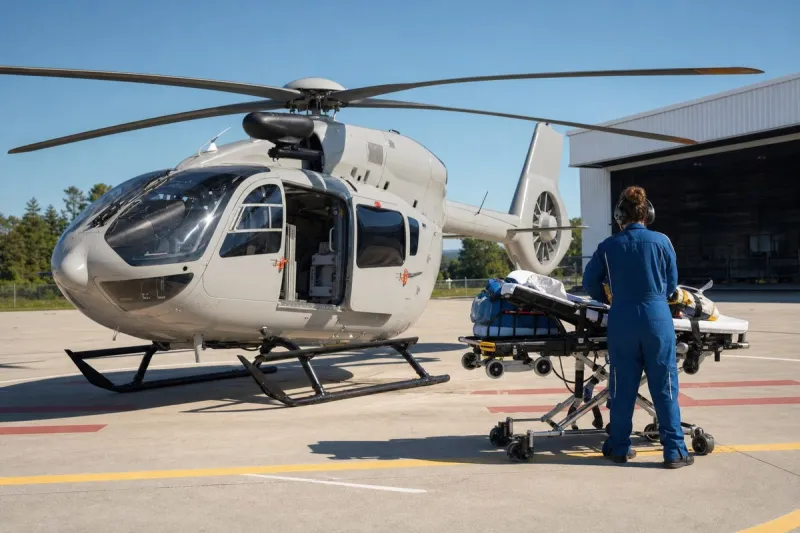
Vice president Lucia Witbooi launched the service in Windhoek on Wednesday. It includes a Learjet fitted with medical equipment to function as an intensive care unit in the air, and it will have access to helicopter evacuation through collaboration with the police and the Namibian Defence Force. Witbooi acknowledged that success will depend on sustained funding, regular aircraft maintenance, specialised training and adherence to aviation safety standards.
Who the service is meant to cover
Ithindi said the state air ambulance was established to assist state patients without medical aid who require urgent medical evacuation, so that no state patient would have to pay for medical air evacuation. Private medical aid funds currently cover evacuations under their own policies.
The government has no agreements with private medical aid providers. A task force set up to operationalise the service will explore them, starting with the Public Service Employees Medical Aid Scheme.
Industry impact & what to watch
Air ambulance capability in a large, sparsely populated country depends on a chain of conditions, of which the airframe is only one link. The concerns raised in Namibia, covering parts supply, crews, lit and equipped airfields, and ground transport to remote patients, are the same ones that determine whether any state-run medevac aircraft flies when it is needed. Reusing a dormant government asset lowers the entry cost, but it moves the burden onto maintenance and support, which is where recurring expense sits.
The funding model is the other structural question. A service aimed at state patients without medical aid, with no agreements yet in place with private medical aid funds, is exposed to cost without matching revenue until payer arrangements exist. How those arrangements are structured shapes whether the aircraft can be sustained as a continuing operation.
The next concrete milestone is the work of the task force charged with operationalising the service, including its exploration of an agreement with the Public Service Employees Medical Aid Scheme. Whether the answers to the maintenance, crew and airport-infrastructure questions come from the health ministry or the works and transport side will indicate who owns the operational risk.