Major US Air Disasters Led to Safety Reforms in Maintenance, Fuel Tanks, Wind Shear Detection and Pilot Training
Why It MattersEach US crash investigation has fed regulatory change across design, training and maintenance, a cycle in which safety rules tend to be written after a failure exposes the gap.
What happened
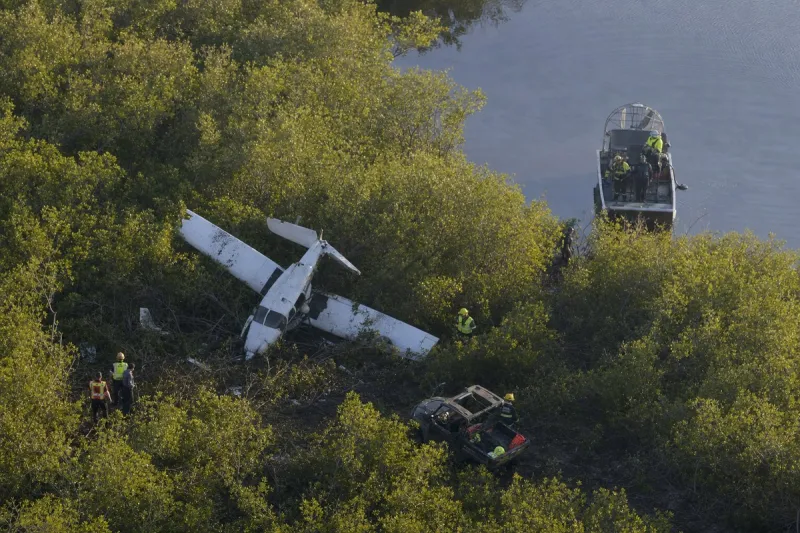
A review of major US air disasters on the Jettly blog traces the safety reforms that followed five accidents: American Airlines Flight 191 (1979), Pan Am Flight 759 (1982), Northwest Airlines Flight 255 (1987), TWA Flight 800 (1996) and American Airlines Flight 587 (2001). Investigations into these crashes led to changes in aircraft design, crew training, maintenance practices and air traffic procedures, including maintenance rules, fuel tank safety, wind shear detection and pilot training. The Federal Aviation Administration, established in 1958, improved air traffic procedures over the same period.
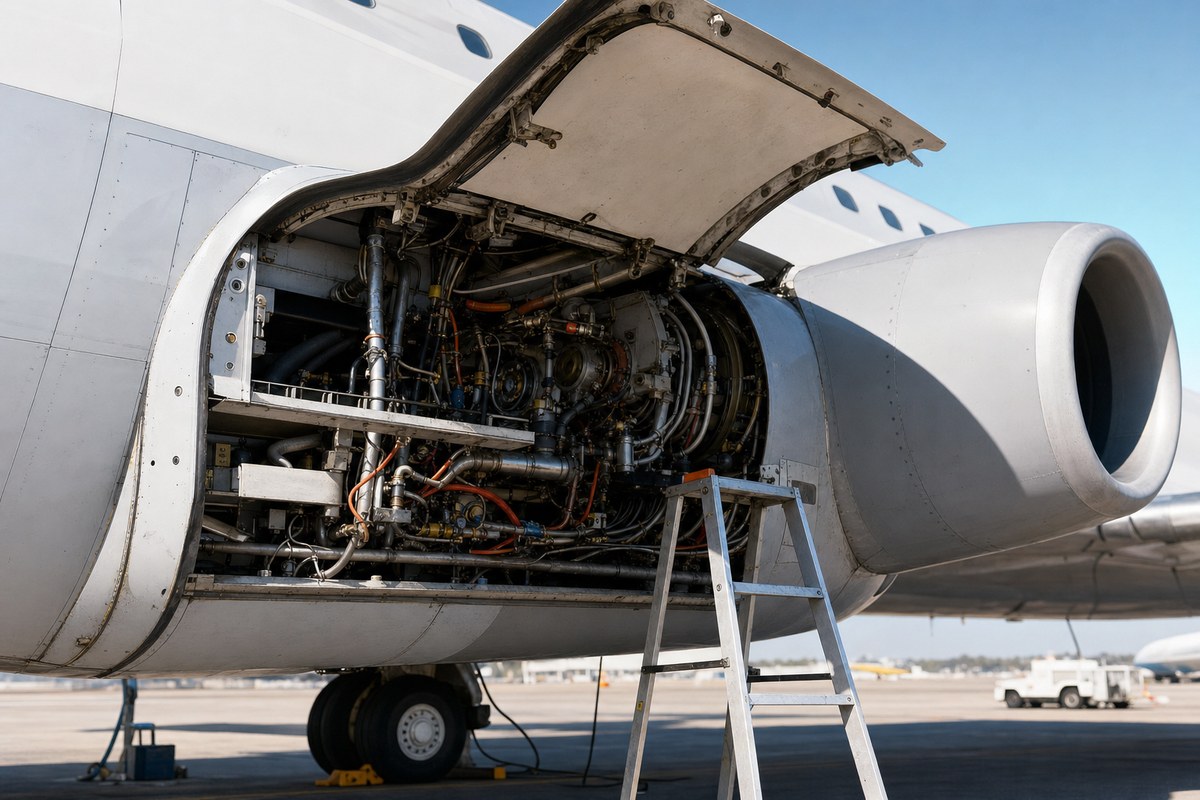
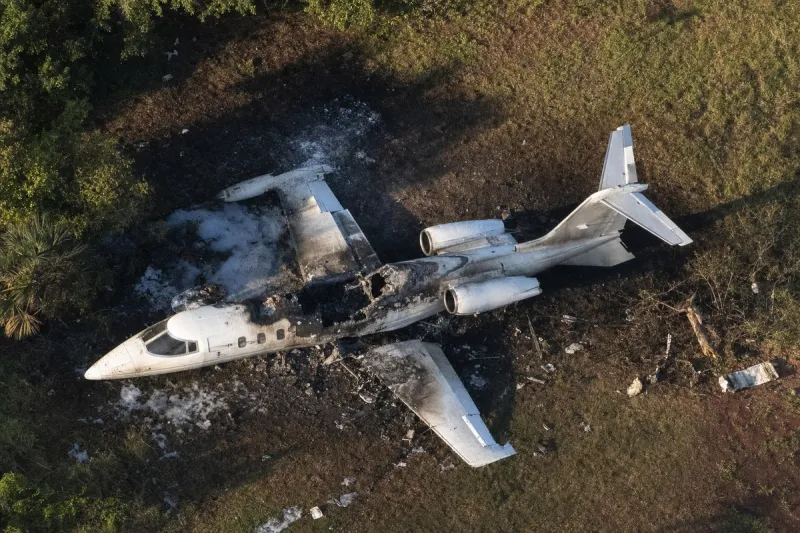
On American Airlines Flight 191, the left engine and pylon assembly separated from the wing seconds after takeoff, and the aircraft crashed into a field near Des Plaines, Illinois. The crash killed 258 passengers and crew aboard plus two people on the ground, for 260 fatalities, and it remains the deadliest single-aircraft crash on US soil. Investigators found that improper maintenance procedures during engine removal had damaged the pylon mounting. When the pylon separated, it severed hydraulic lines and the outboard leading-edge slats retracted, producing an asymmetric stall.
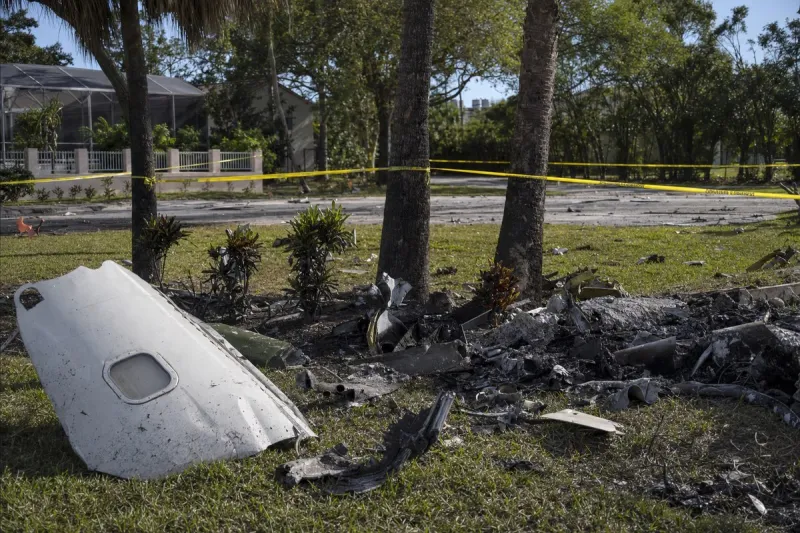
American Airlines Flight 587 broke apart shortly after takeoff and fell into a residential neighborhood in Queens, killing 265 people: 251 passengers, nine crew members and five people on the ground. It is the second-deadliest US air disaster involving a single aircraft. The National Transportation Safety Board determined that the first officer made aggressive rudder pedal inputs while encountering wake turbulence from a preceding Boeing 747, overstressing the vertical stabilizer, which separated. The NTSB also examined American Airlines' Advanced Aircraft Maneuvering training.
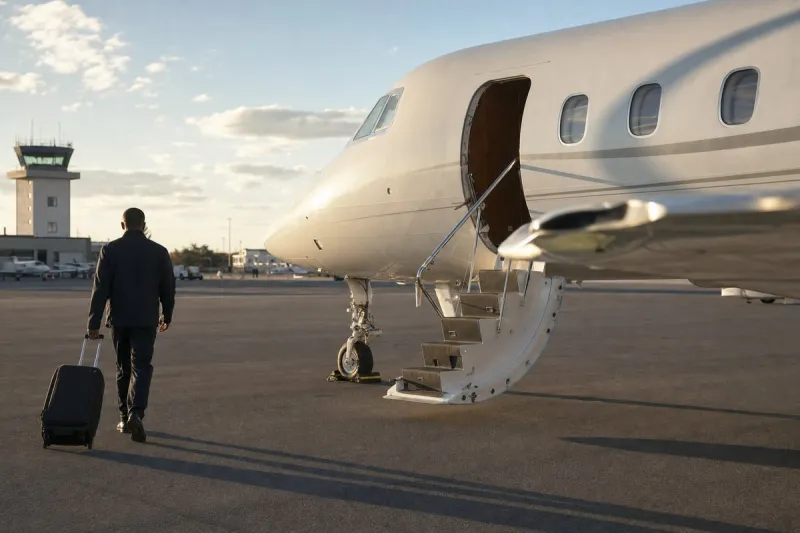
Lists of the deadliest disasters vary in criteria, such as a fatality threshold of 100 or more, whether intentional acts are excluded, and whether ground victims are counted. Commercial airlines and private charter operators operate under different regulatory frameworks. Jettly acts as a charter broker connecting travelers with third-party certified operators.
Industry impact & what to watch
The five accidents show how aviation safety regulation has typically advanced: a specific failure is traced to its cause, and the fix lands in a defined area of practice. Flight 191 points to maintenance procedure, with damage done during engine removal. Flight 587 points to the intersection of pilot training and wake turbulence encounters. Different accidents have fed different parts of the system, from maintenance rules and fuel tank safety to wind shear detection and pilot training.
Because fatality rankings depend on whether ground victims are counted, whether intentional acts are excluded and what threshold is used, a single accident can rank differently from one list to the next. For anyone comparing safety records, the counting rules matter as much as the totals. The split between airline and private charter regulation matters in the same way: an operator's standing under one framework does not carry over to the other, so it has to be verified on its own terms.