Daher Kodiak and TBM 960 Turboprops Take On Growing Roles in North American Wildfire Operations
Why It MattersAgencies and contractors are drawing on utility and pressurized business turboprops for fire-line roles once handled by dedicated types, which makes mission-systems integration capacity a competitive factor for airframe makers.
What happened
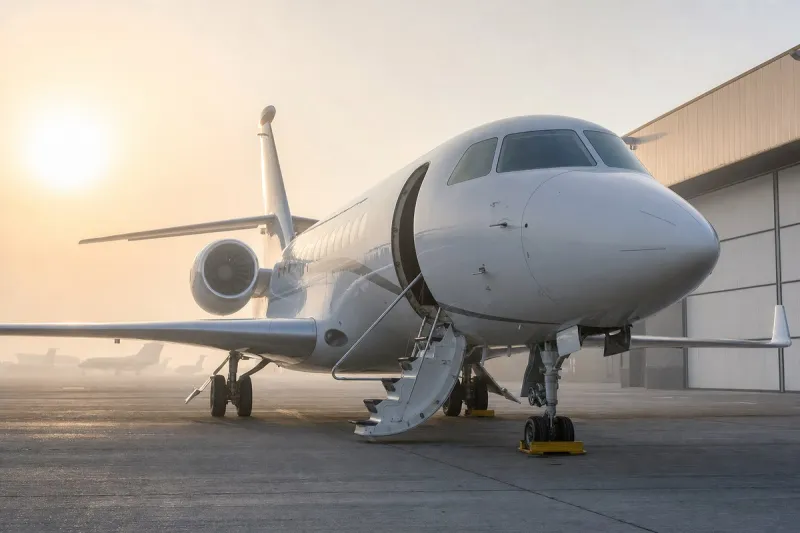
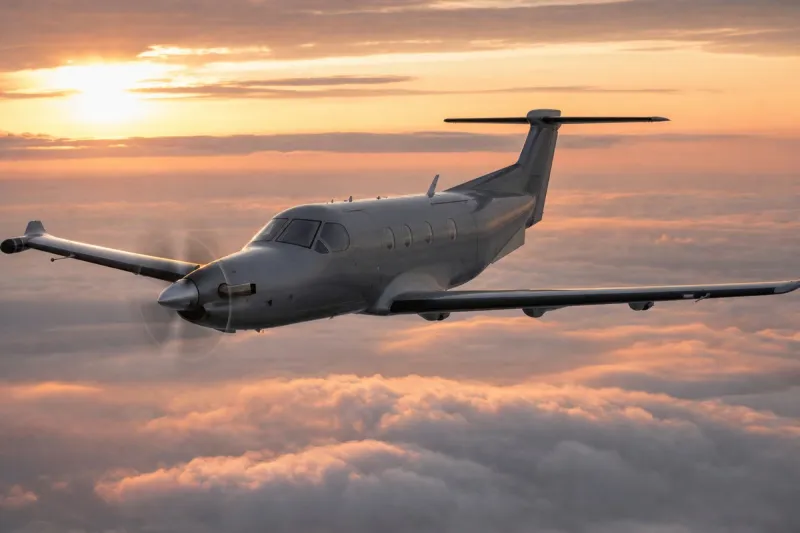
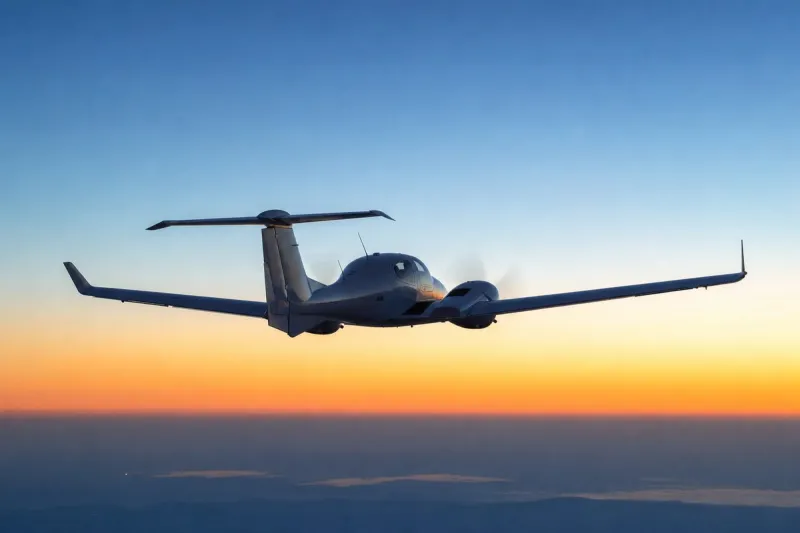
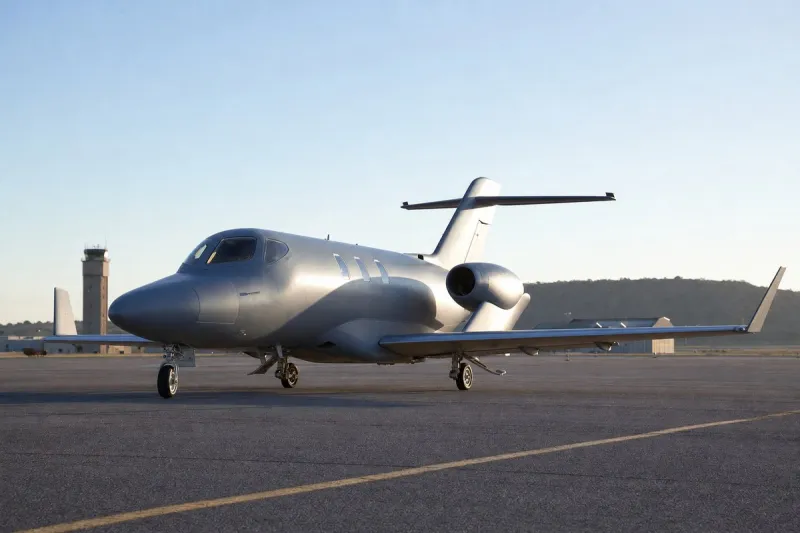
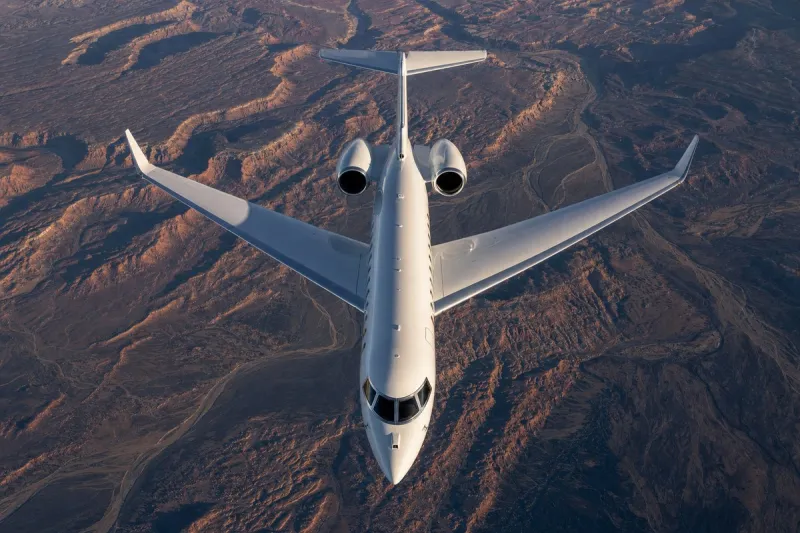
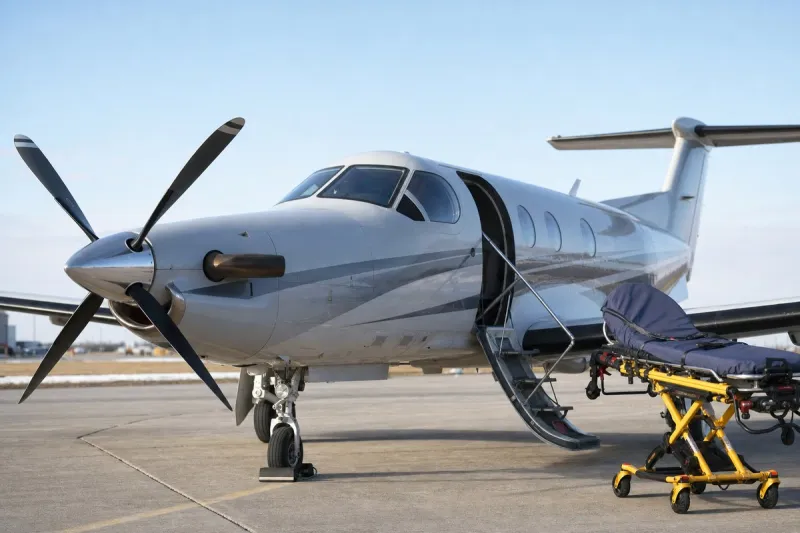
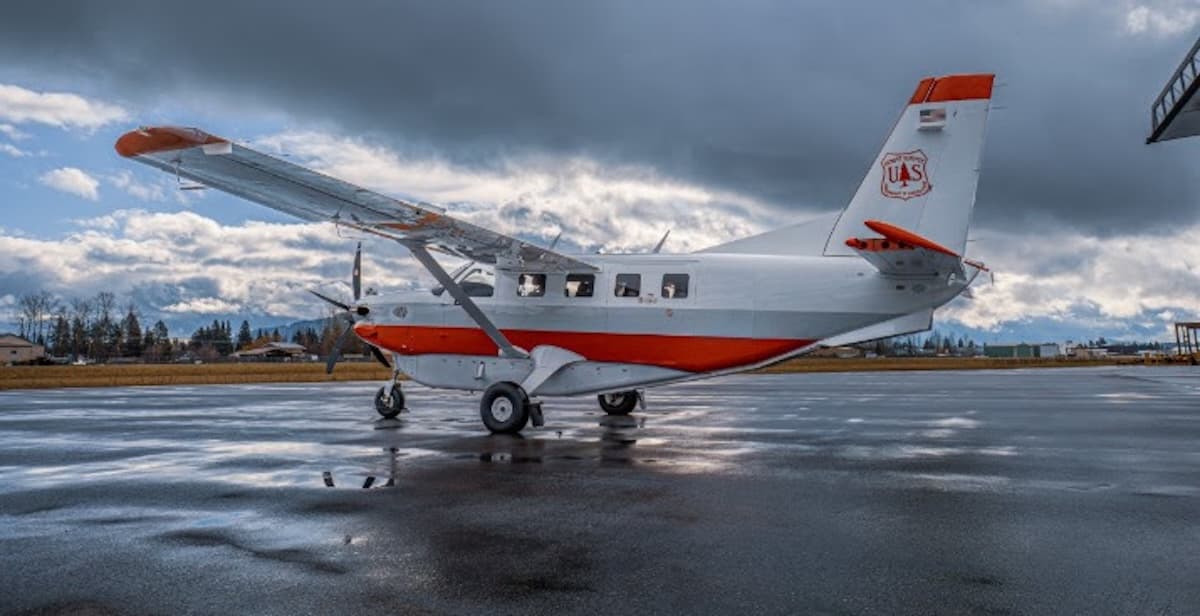
Daher Aircraft turboprops are expanding their presence in aerial wildfire suppression across North America, performing aerial supervision, air tanker coordination and reconnaissance missions, company officials said. Government agencies and commercial operators increasingly use the Kodiak 100 and Kodiak 900 for logistics and aerial fire attack duties, while the pressurized TBM 960 has been deployed as an airborne command-and-control platform that guides air tankers over active fire zones.
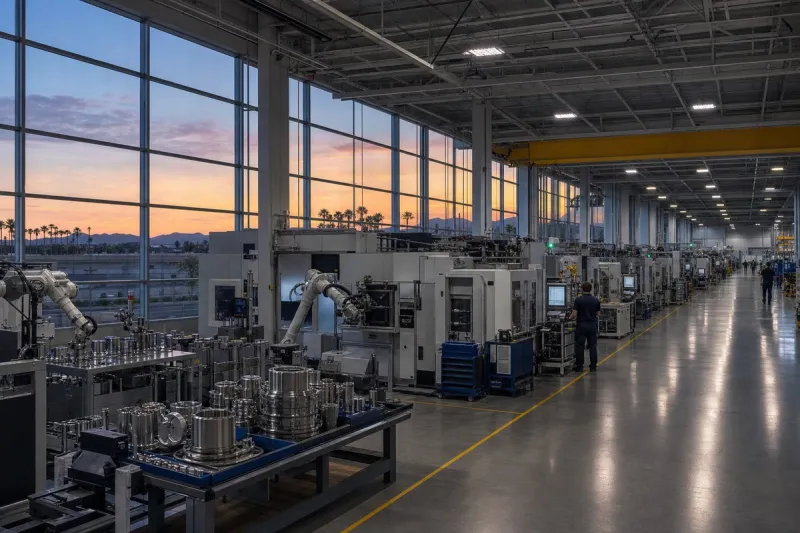
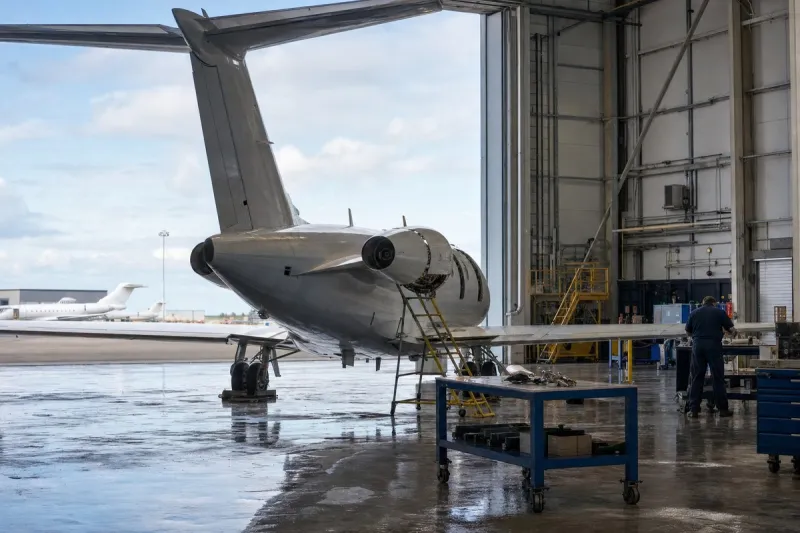
Daher Aircraft CEO Nicolas Chabbert said the Kodiak combines ruggedness, excellent handling qualities and multi-mission adaptability, while the TBM delivers the speed, efficiency and versatility needed to cover distances quickly and respond to changing operational demands. Daher has expanded internal modification capabilities at its Sandpoint, Idaho, facility to meet customer specifications.
A recent integration involved a new Kodiak 100 Series III for the U.S. Forest Service, which received a Canyon AeroConnect digital communications control system connecting the pilot, copilot and cabin operator console across multiple radio bands. Paul Carelli, Daher Aircraft Senior Director of Multi Missions and Business Development – Americas, said the work was a significant step forward in both complexity and capability, noting that the systems must work together reliably.
Daher also completed an integration on a Kodiak 900 for the Montana Department of Natural Resources and Conservation (DNRC) to perform Air Tactical Group Supervisor (ATGS) coordination, fire attack and personnel transport. Montana-based commercial operator Bridger Aerospace flies a fleet of four Kodiak 100s for detection and aerial supervision.
State forestry agencies in Washington and Florida each fly pairs of Kodiak 100s for wildfire patrols, with the Florida aircraft using infrared cameras for hotspot mapping. In Canada, Conair Group operates two modified TBM 960 aircraft as "birddog" platforms to direct tanker drops, taking advantage of the turboprop's high cruise speed and low-speed flight stability.
Industry impact & what to watch
The mix of customers in this account, from federal and state agencies to a commercial operator and a Canadian tanker contractor, shows how fire-season flying is spread across roles. Supervision, reconnaissance and tanker coordination do not require the same airframe as dropping retardant, and rugged single-engine utility turboprops and a pressurized fast turboprop are being matched to different jobs on the same fire. For an airframe maker, that turns the aircraft into one component of a mission package.
The Sandpoint work points to where the competitive weight sits. The Forest Service Kodiak's value comes from a communications system tying together the pilot, copilot and cabin operator console across multiple radio bands, and Carelli's remark that the systems must work together reliably puts the difficulty in integration rather than in the airframe. Operators comparing platforms for these roles are therefore comparing modification capacity and delivery of finished mission aircraft as much as performance figures.
What would sharpen this read is further agency or contractor orders that name a specific airframe for supervision or birddog work, and any broader adoption of a pressurized platform like the TBM 960 beyond Conair's two aircraft.