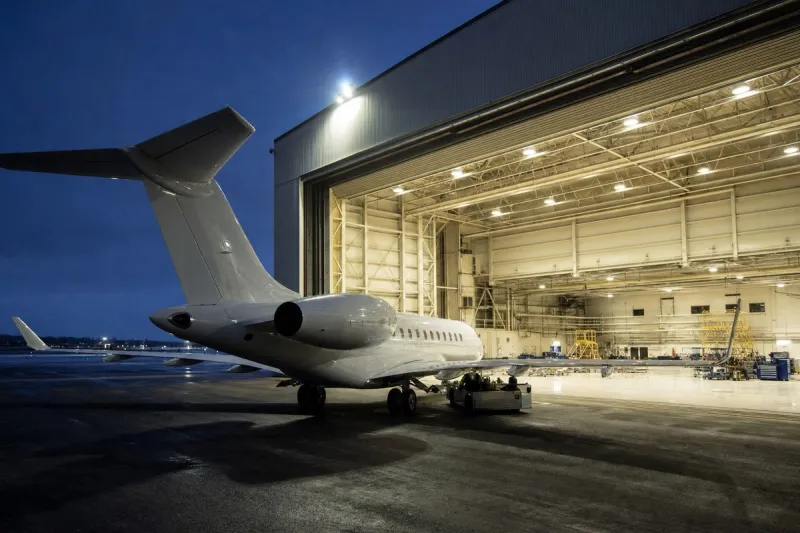
NBAA Congratulates Bombardier on 30 Years of Safety Standdown, Set for Nov. 10-12 in Wichita
Why It MattersA safety forum that began as a manufacturer's customer event and opened to all operators now doubles as a venue for the industry's workforce succession problem, as experienced professionals retire.
What happened
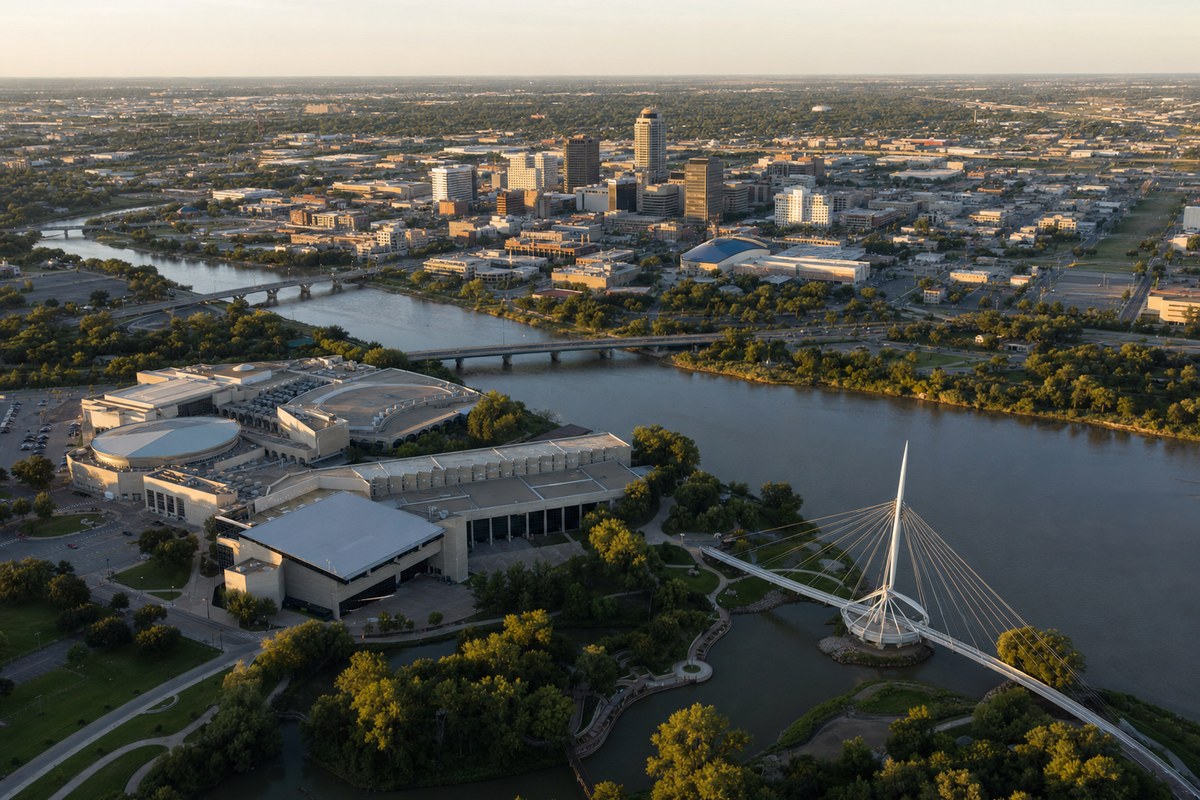
The National Business Aviation Association (NBAA) has congratulated Bombardier on the 30th anniversary of its Safety Standdown, which will run Nov. 10-12, 2026, at the Hyatt Regency in Wichita, Kansas. This year's theme is "Evolution Fueled by Legacy."
NBAA Acting Chief Operating Officer Dan Hubbard will take part in the opening welcome session on Nov. 10. He said that in 1996 the Bombardier Learjet flight demonstration team could have kept Safety Standdown for its own customers but instead opened it to operators of any aircraft. He described the event's legacy as 30 years of hard-won safety knowledge passed from experienced professionals to those who need it.
The Standdown draws pilots, maintenance technicians, schedulers, dispatchers and flight department leaders from across business aviation. Bombardier expects nearly 500 attendees in Wichita and thousands more watching online.
A Nov. 12 panel, "Future Ready: Business Aviation's Workforce Challenge," will address how the industry can preserve the knowledge, judgment and safety lessons developed by experienced aviation professionals as they retire. Jennifer E. Pickerel, who serves on both the NBAA Advisory Council and the Bombardier Safety Standdown Advisory Council, will lead the discussion, which pairs a high-level industry overview with human resources, education and operations perspectives. As president of Aviation Personnel International (API), she will bring the human resources viewpoint.
The event's own site says Safety Standdown promotes knowledge-based aviation safety training along with personal discipline and responsibility as essential elements of aviation safety.
Industry impact & what to watch
A safety event that started inside one manufacturer's demonstration team and was then opened to operators of any aircraft shows how safety practice spreads through business aviation: through shared forums that mix pilots, technicians, schedulers, dispatchers and department leaders, not only through regulation or manufacturer channels. The online audience adds reach beyond the room in Wichita.
The Nov. 12 workforce panel points at the structural issue the segment is now organising around. Safety knowledge in this industry largely sits with experienced individuals, and as they retire the question is how judgment, not just procedure, gets handed on. Putting a human resources view next to education and operations views treats succession as a safety matter as much as a staffing one.
The next concrete marker is the Nov. 12 panel itself, and whether the discussion produces specific approaches to transferring that experience.