Cannon-Brookes's Global 7500 flies Sydney–Vancouver–London on 163-flight day
Why It MattersUltra-long-range cabins let a single owner chain intercontinental legs in one day, so a handful of tails can dominate fleet-wide emissions while traffic volume stays concentrated at hubs like Teterboro.
What happened
Celebplanes' daily digest for Monday, November 9, 2026, covers tracked private flights closed on 2026-11-09 (UTC). In total, 163 tracked private flights covered 168,405 miles over 353.7 hours and burned 1,406.7 tonnes of CO₂. The busiest destination by arrivals was Teterboro (KTEB), with 11 landings.

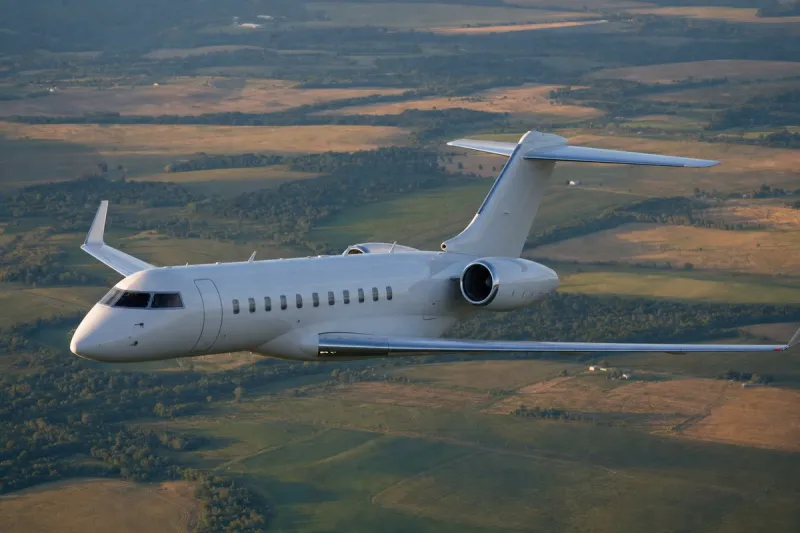
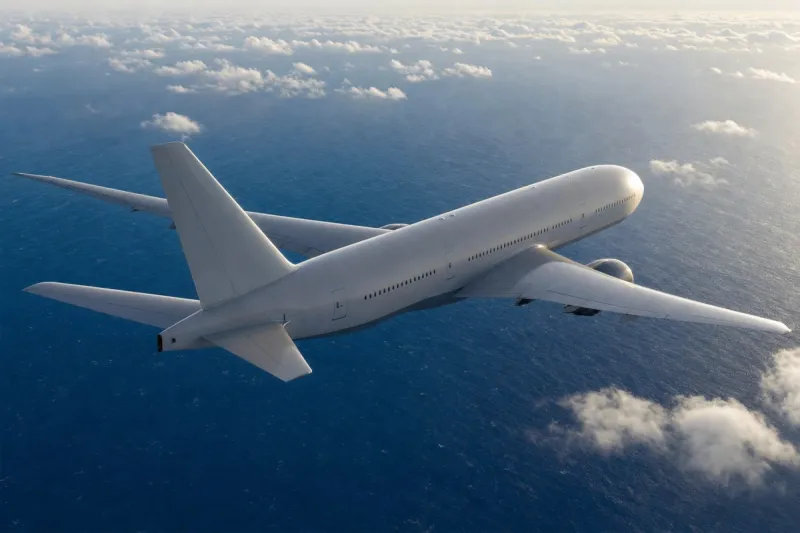
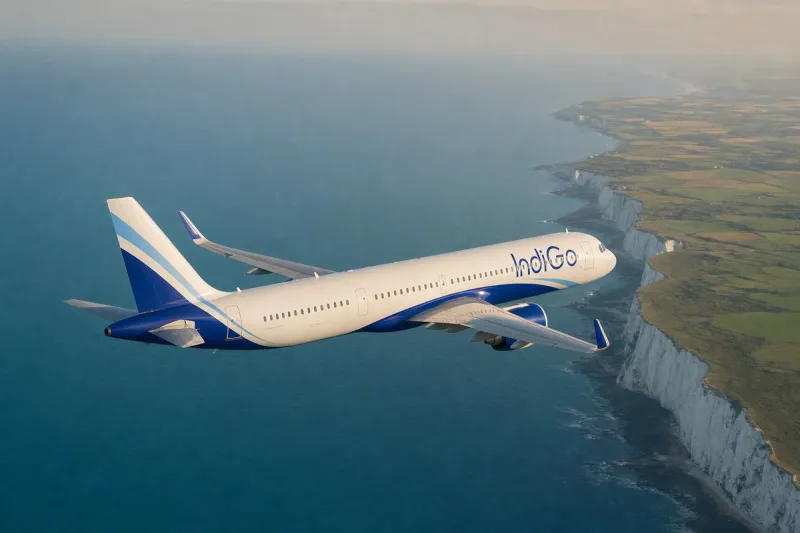
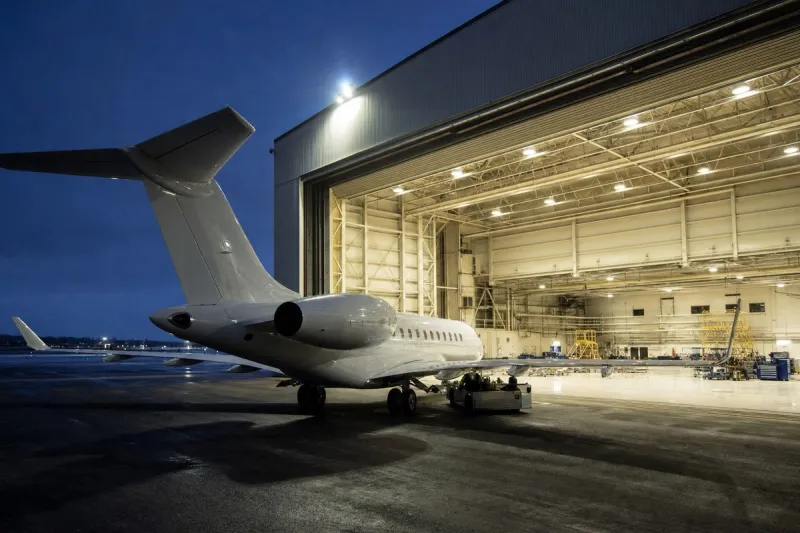
The day's longest flight belonged to Mike Cannon-Brookes. His Bombardier Global 7500, tail N1711M, flew 7,767 miles nonstop from Sydney Kingsford Smith International Airport to Vancouver International Airport in 13 hours 55 minutes, touching down just after midnight UTC. The same aircraft then flew Vancouver to London Stansted in 7 hours 56 minutes.
Together the two flights consumed 21 hours 51 minutes in the air and produced 94.5 tonnes of CO₂, making Cannon-Brookes both the top mover and the biggest emitter of the day.
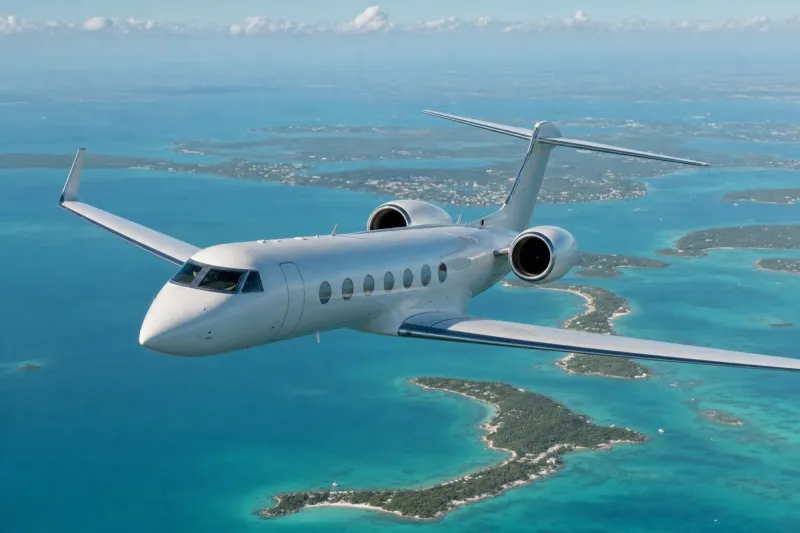
The digest also notes that Eli Lilly's Gulfstream G650ER, tail N309EL, remains on the ground at Perugia San Francesco d'Assisi – Umbria International Airport after an 8-hour-6-minute leg from Indianapolis.
How it unfolded
The two legs total 21 hours 51 minutes airborne and 94.5 tonnes of CO₂.
The same Global 7500 flies Vancouver to London Stansted in 7 hours 56 minutes.
N1711M touches down at Vancouver International after 13 hours 55 minutes nonstop from Sydney Kingsford Smith, covering 7,767 miles.
Industry impact & what to watch
The Cannon-Brookes sequence shows how ultra-long-range business jets change the shape of private flying. A single airframe can chain a transpacific leg and a transatlantic leg inside one tracked day, which concentrates an outsized share of daily hours and emissions in one tail. In this digest, two flights from one aircraft produced 94.5 tonnes of the day's 1,406.7 tonnes of CO₂, a gap between a flight-count view and an emissions view of the same traffic.
Teterboro's 11 arrivals point to the opposite end of the market: dense, shorter-haul flows into a hub airport serving a major metropolitan area. The two patterns coexist in the same daily total, which is why per-flight and per-hour averages can hide how uneven the underlying activity is.
For tracking and sustainability reporting, the useful check is whether a single-day digest and a longer rolling view tell the same story about who the heaviest emitters are. The next daily digests will show whether the same tails keep topping the emissions ranking.