Burketown Airport reopens after $24.4m flood-damage upgrade
Why It MattersWhere wet-season floods cut every road for months, rebuilding a remote airfield above its historical flood height turns it into the community's all-weather link for medical, passenger and supply flights.
What happened
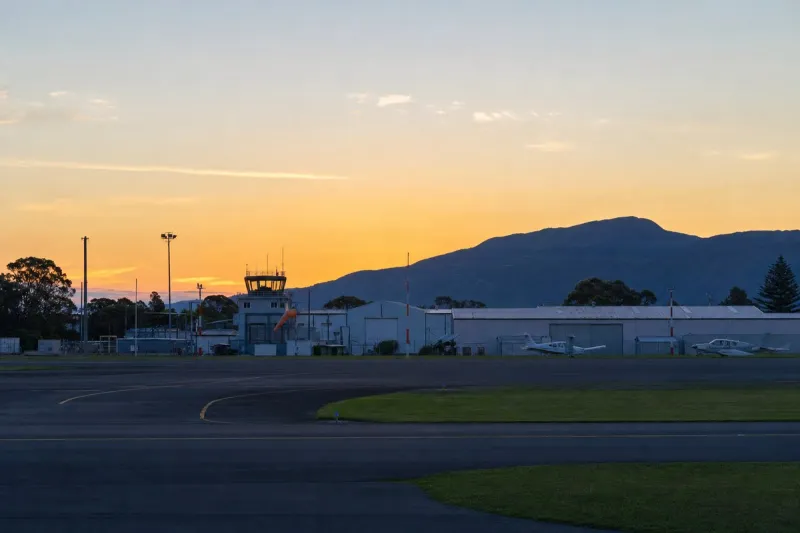
Burketown Airport, serving the remote Gulf community of Burke Shire in Queensland, has officially reopened after a $24.4 million upgrade to repair significant damage from the 2022-23 disaster season. The Federal Government, the Queensland Government and Burke Shire Council funded the works, which the Council delivered in partnership with Durack Civil and Northlane Consulting Engineers.
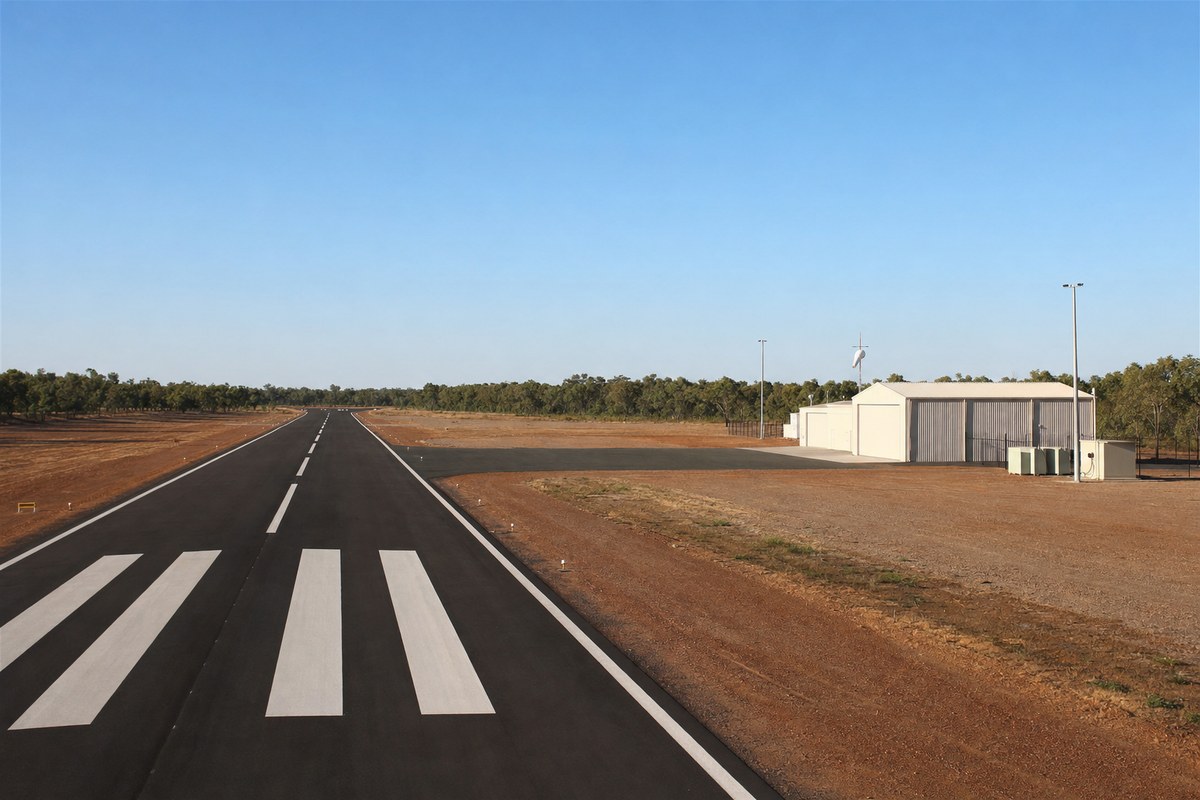
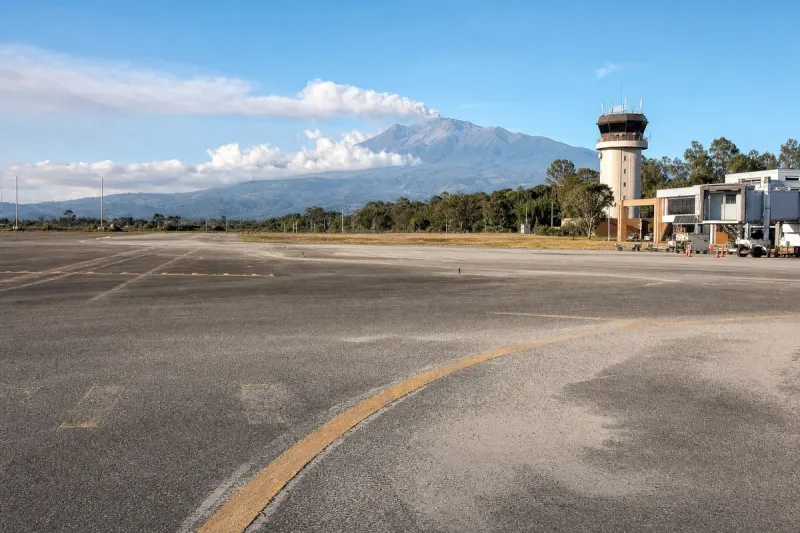
The new runway pavement uses triple blend stabilisation with lime, cement and fly ash. The runway has been raised 400mm, placing it above both the 2023 flood level and the site's historical maximum flood level. Airfield lighting, drainage and service roads have also been upgraded.
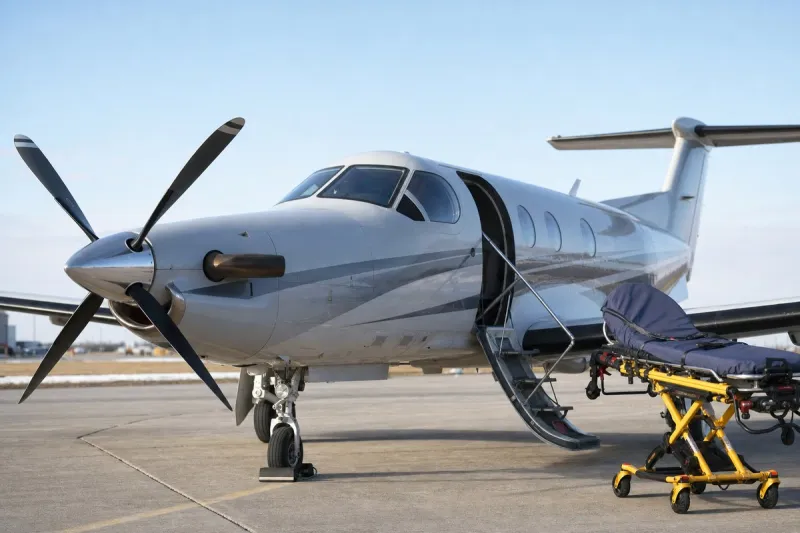
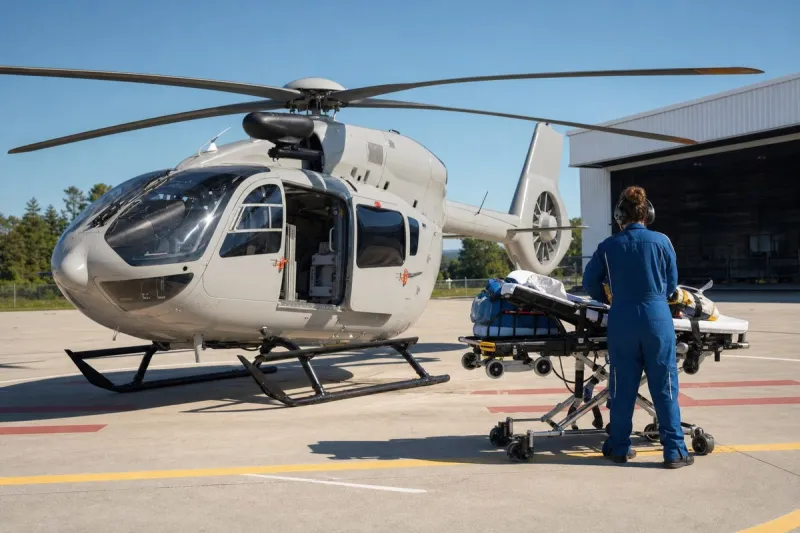
The Royal Flying Doctor Service (RFDS) and Savannah Aviation charter began using sections of the new runway in September. Rex Airlines is set to start commercial flights at the airport from Monday 16 November.
Queensland Minister for Disaster Recovery Ann Leahy said improving flood immunity was about ensuring the safety and wellbeing of the community and region, and described the project as showing the impact of Betterment resilience investment. Federal Minister for Emergency Management Kristy McBain called the reopening a significant milestone in the community's long-term recovery from the 2022-23 summer. Burke Shire Council Mayor Ernie Camp said the airport provides vital access for the community, emergency and medical services such as the RFDS, regular public transport, and supply and industry.
Why the airstrip matters in the wet season
Burke Shire is regularly affected by monsoonal flooding, and all roads in and out of Burketown can be cut off for months at a time during the wet season. In those conditions an operational airfield is essential to the community's safety and wellbeing.
That dependence explains the choice of design target. Building the runway above the highest flood level on record, rather than restoring it to its previous height, is aimed at keeping the airfield usable in the very conditions that close the roads.
Industry impact & what to watch
Remote-community airfields sit at the intersection of several aviation segments at once: air ambulance work, regional scheduled service, charter and freight supply. When roads fail seasonally, one runway carries all of them, so its flood immunity sets the reliability of the whole chain. A resilience-funded rebuild like this one shows how disaster-recovery money is being used to harden aviation infrastructure rather than simply return it to its earlier state.
The operating model also becomes easier to read. Medical and charter operators were first back on the new surface in September, and scheduled service follows with Rex Airlines from 16 November. That order, emergency use first and commercial service after, is typical of how remote strips return to full use.
The next milestone is the start of Rex Airlines flights on 16 November, and the real test of the raised runway will come in the next wet season, when the roads close again.