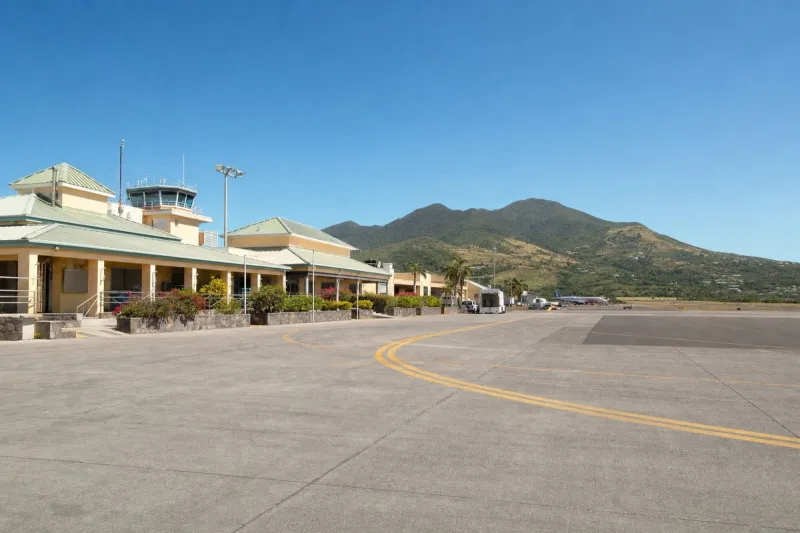
B-1B Lancer Pilots Begin Supplemental Training on Contractor-Operated HondaJets at Abilene
Why It MattersThe program shows contractor-owned, contractor-operated models can add proficiency flying for scarce military aircraft without burdening those fleets, opening a steady government demand channel for small business-jet operators.
What happened
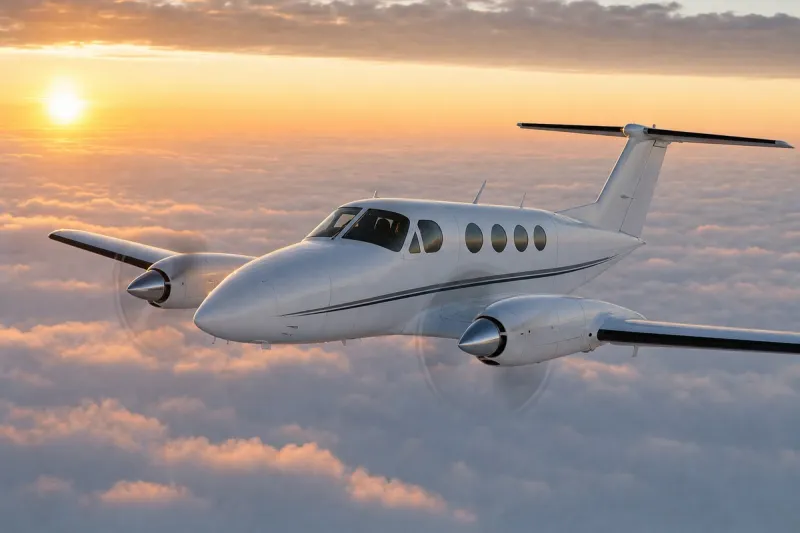
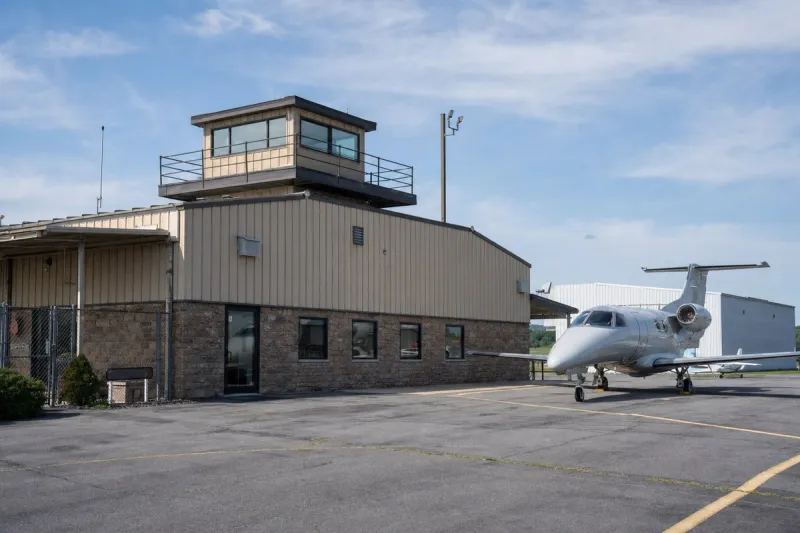
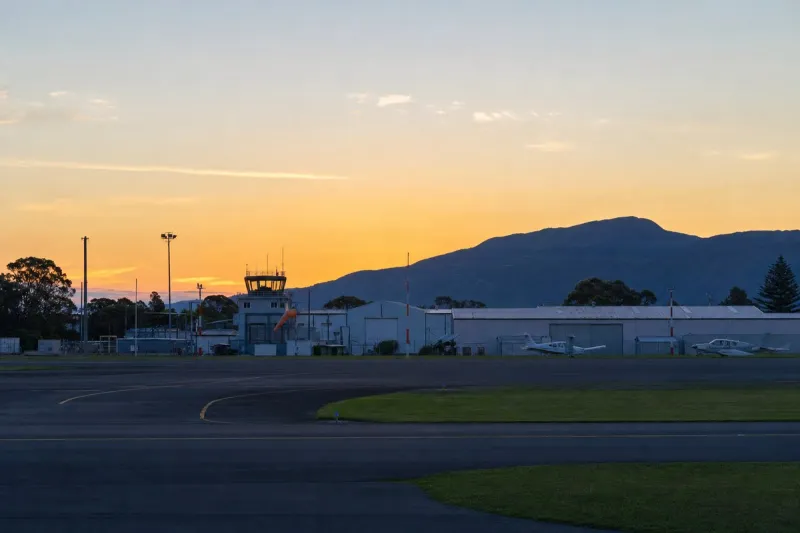
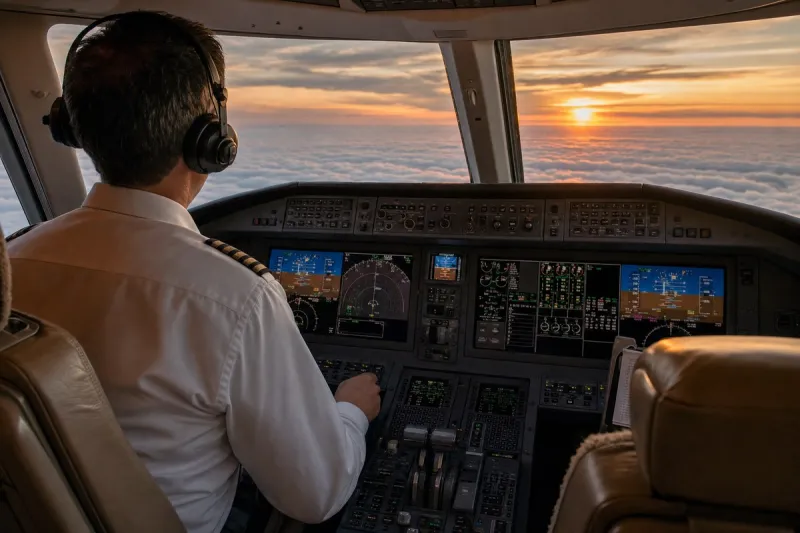
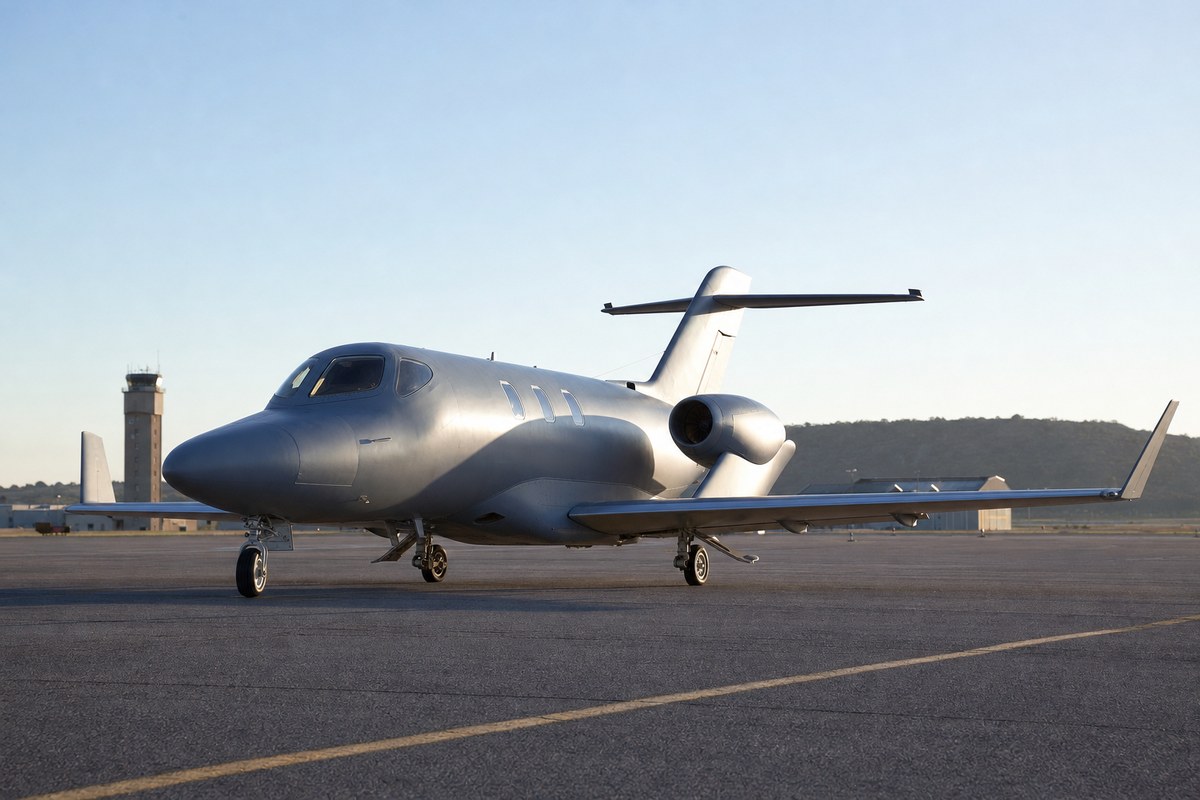
U.S. Air Force B-1B Lancer pilots have begun flying contractor-operated HondaJet HA-420 light business jets under a new initiative called the Bomber Supplemental Trainer for Aircrew Readiness (BSTAR). The first military training sortie took place on November 2, 2026, at Abilene Regional Airport, Texas, with a B-1 pilot from Dyess at the controls.
The Air Force officially launched the program two days later. Air Force Global Strike Command (AFGSC) commander Gen. S.L. Davis and an incoming B-1 pilot took part, along with Maj. Gen. Ty Neuman of Eighth Air Force and the Joint-Global Strike Operations Center.
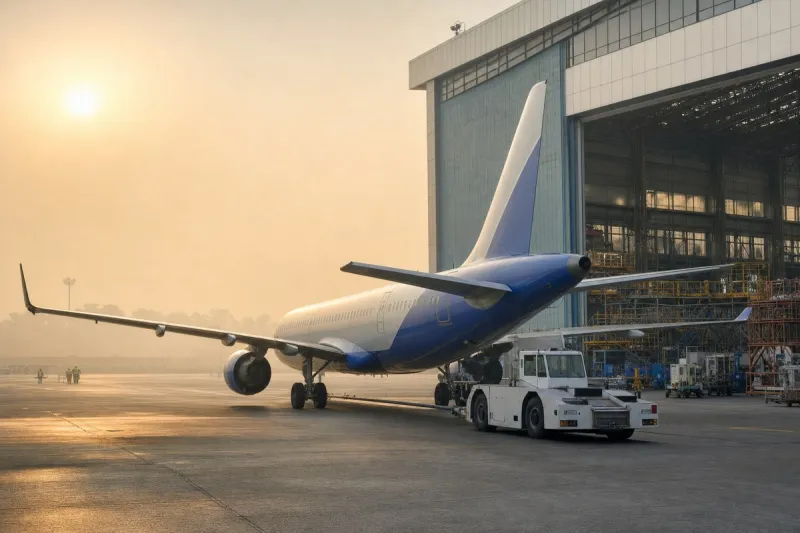
The program uses a contractor-owned, contractor-operated (COCO) model. XSTAR Aviation provides the aircraft, instructor pilots, maintenance, scheduling and other support, so the Air Force does not need to dedicate additional B-1 aircraft or military maintenance personnel. The goal is to give eligible B-1 pilots roughly 100 additional flight hours a year, equivalent to about four extra two-hour sorties per month.
Training focuses on instrument procedures, mission planning, aircraft handling and crew resource management. It is not meant to replace B-1-specific training such as aerial refueling. Sorties are tracked and debriefed, and feedback and operational data are collected to assess effectiveness and inform curricula and possible expansion.
Contractor and aircraft
XSTAR Aviation describes itself as a veteran-owned small business created as an outgrowth of an AFGSC-led BSTAR study, and as a subsidiary of SBCC. The effort is backed by an award worth up to $78 million, including base and option periods, listed to X-Star Inc.
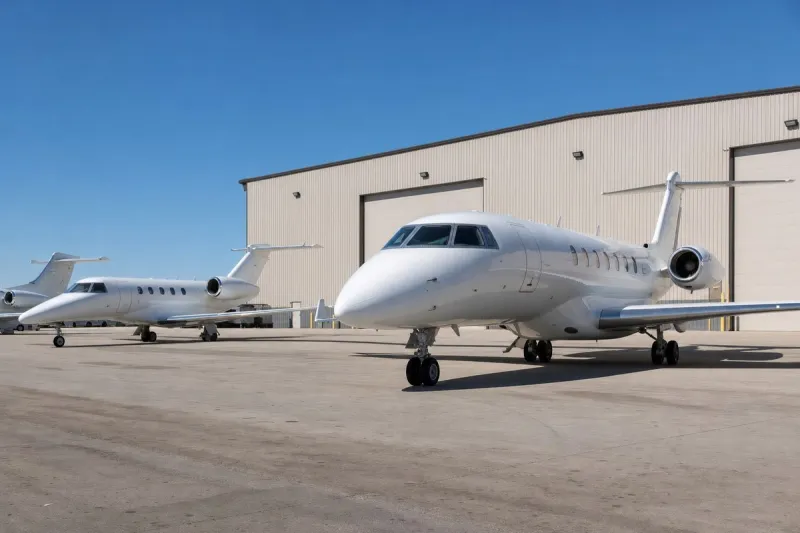
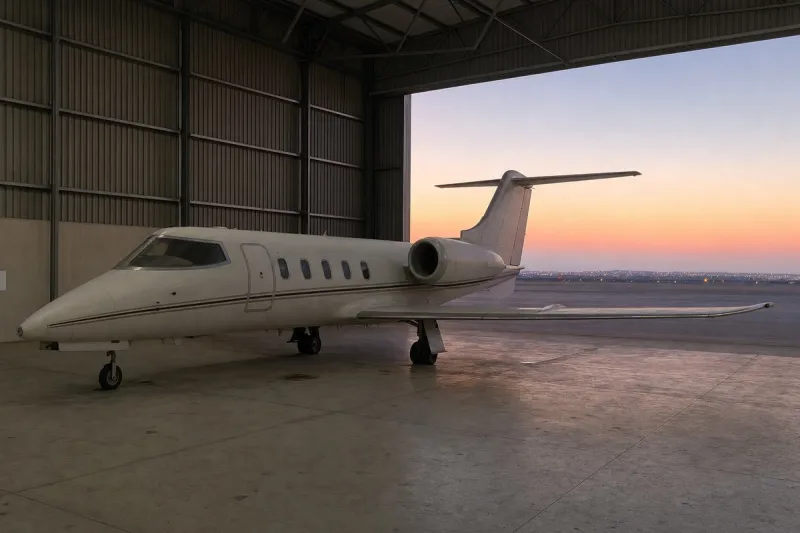
The HondaJet is a light business jet powered by two GE Honda HF120 turbofan engines mounted on pylons above the wings. For the Elite II variant, Honda lists a maximum cruise speed of 422 KTAS, a maximum cruise altitude of FL430 and an NBAA IFR range of 1,547 nm with four occupants.
The concept echoes earlier companion trainers: B-2 pilots have long used T-38 Talons, and a 1981 GAO report discussed an Air Force proposal for a business-type companion trainer.
How it unfolded
XSTAR Aviation plans to expand to Rapid City, South Dakota, to support B-1 pilots at nearby Ellsworth Air Force Base.
The Air Force officially launches the BSTAR program.
First military training sortie flown at Abilene Regional Airport, Texas, by a B-1 pilot from Dyess.
Contractor instructor-pilot operations begin.
Positioning and validation flights take place.
Industry impact & what to watch
BSTAR applies a model familiar in business aviation: a specialist operator supplies aircraft, crews, maintenance and scheduling as a service, and the customer buys flight hours instead of owning the capability. Here the customer is a bomber force that wants more pilot proficiency flying without spending hours on its own scarce, expensive aircraft or pulling military maintainers away from them.
For light-jet operators, a government contract of this kind represents steady, scheduled utilisation tied to fixed bases, which differs from the demand patterns of charter or private ownership. The expansion planned for Rapid City would give the operation a presence at both of the bomber's principal bases.
The next milestone is the January 2027 expansion to Rapid City. The tracked sortie data and debrief feedback are meant to show whether the curricula work and whether the program grows beyond its current scope.