Puracé volcano ash has disrupted flights at Popayán airport for nearly three months
Why It MattersA single volcano near a regional airport shows how an ash-driven alert can turn into months of stop-start access, leaving schedules and airport-dependent flying exposed to recurring closures rather than one outage.
What happened
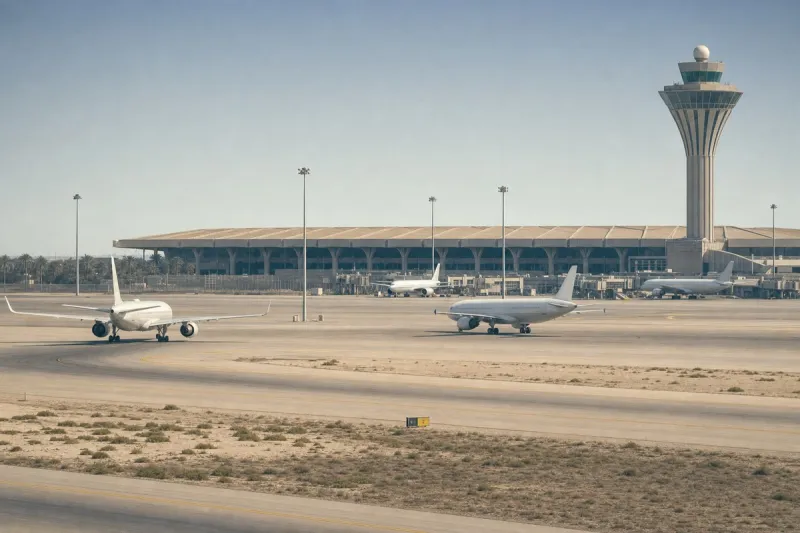
Ash from the Puracé volcano has intermittently disrupted flights at Guillermo León Valencia airport in Popayán, in Colombia's Cauca department, for almost three months. Puracé is a 4,650-metre andesitic stratovolcano roughly 25–30 km east of the city.
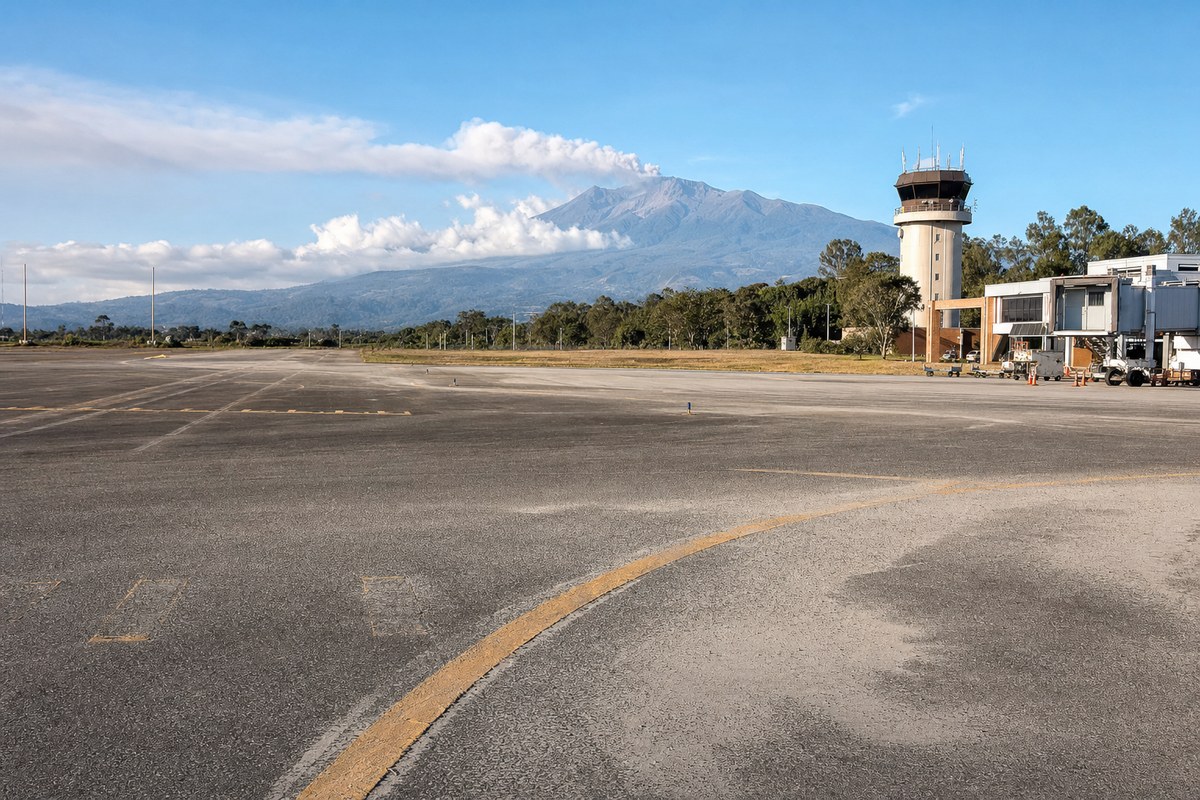
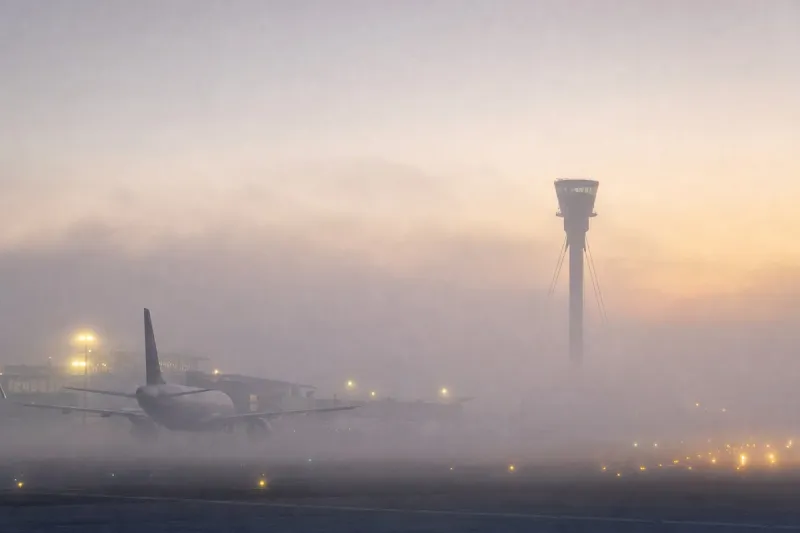
Aerocivil, Colombia's civil aviation authority, suspended operations on July 30 because ash was drifting along the approach path. The airport closed again from August 10, and that closure lasted more than five weeks.
The Colombian Geological Survey (SGC) raised the volcano's alert level to orange on August 1. It cited increased tremor, ground deformation, thermal anomalies and the highest SO₂ and CO₂ emissions recorded.
Industry impact & what to watch
Closures at Popayán followed the ash rather than a fixed schedule: one suspension on July 30, a second beginning August 10 that ran past five weeks. For airports sitting close to an active volcano, access depends on wind direction and eruptive activity from week to week, so the disruption arrives in repeated stretches that are hard to plan around.
An orange alert from the SGC, backed by tremor, ground deformation and elevated gas emissions, signals that the underlying activity is ongoing. Operators serving a nearby field typically treat that as a standing condition for network planning, not a one-off event.
The next signals to follow are further SGC bulletins on the alert level and any new Aerocivil notices on the airport's status.