Three Emergency Landings in Four Days Across Southwest Florida Called a 'Statistical Oddity' by EAA Spokesperson
Why It MattersA short cluster of general aviation emergency landings in one metro area keeps attention on pilot training and traffic growth, while national accident rates have been falling.
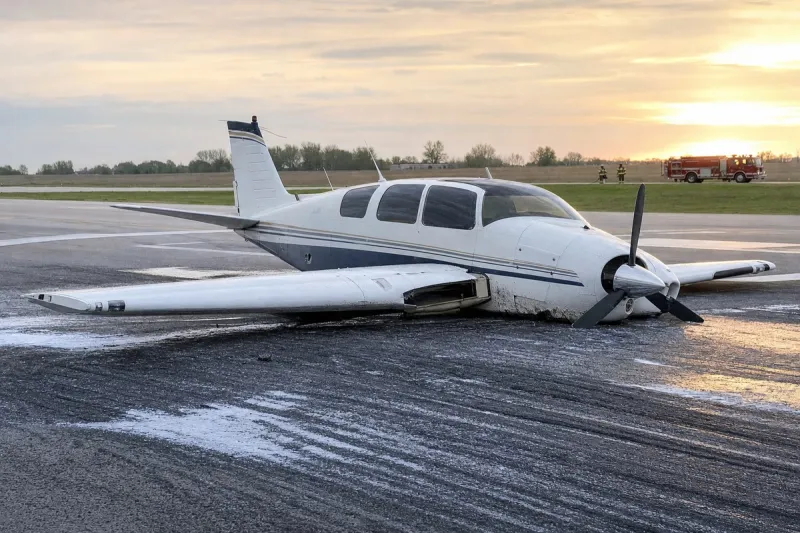
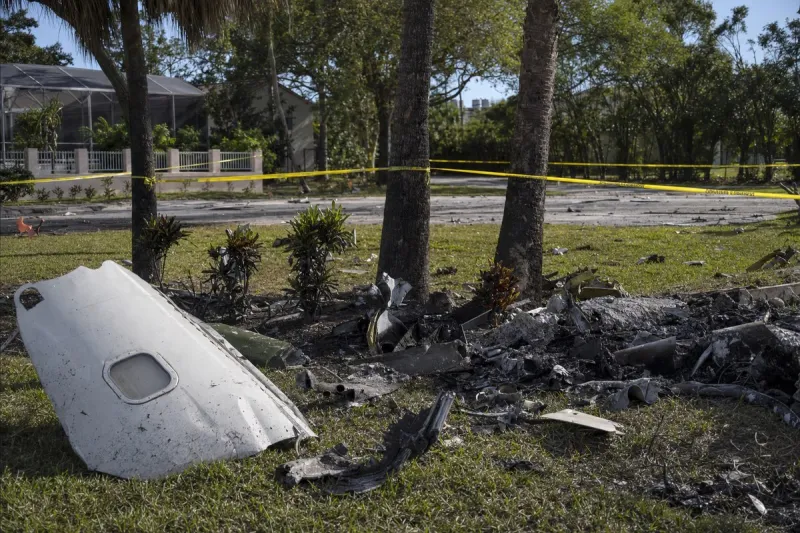
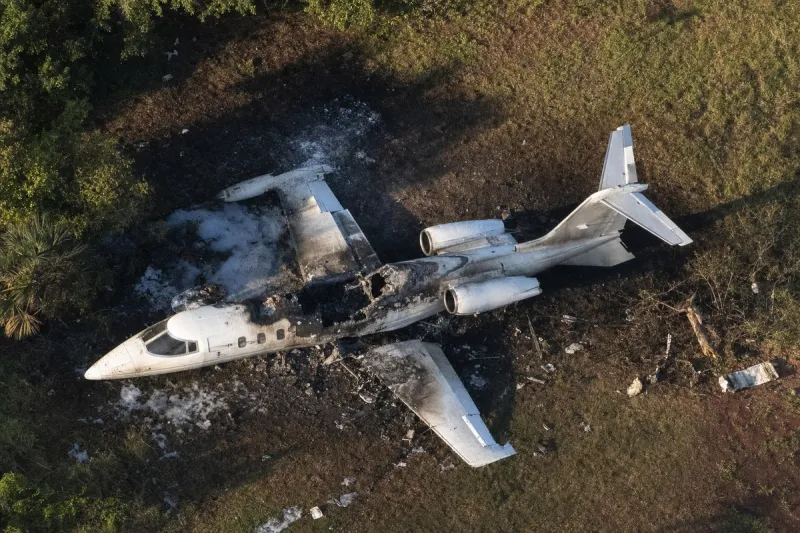
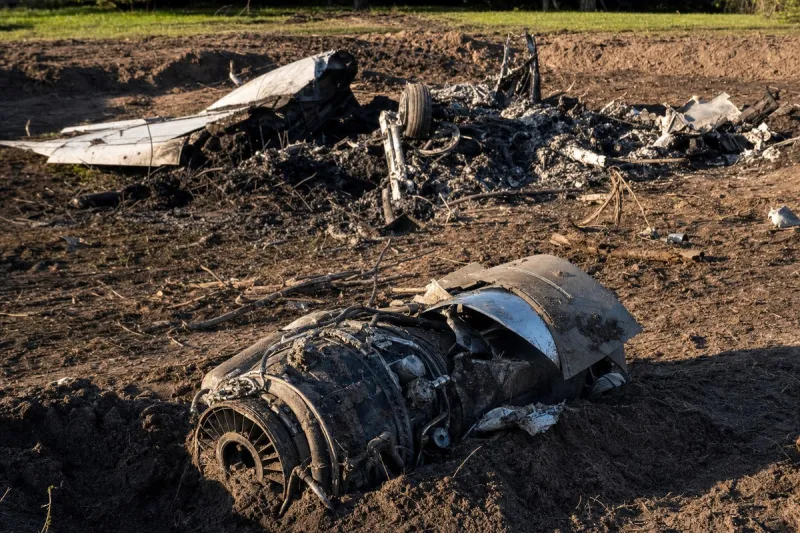
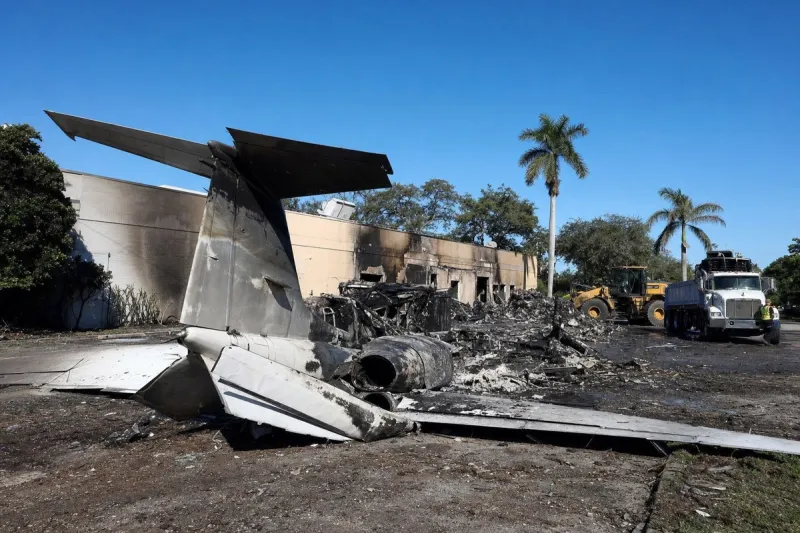
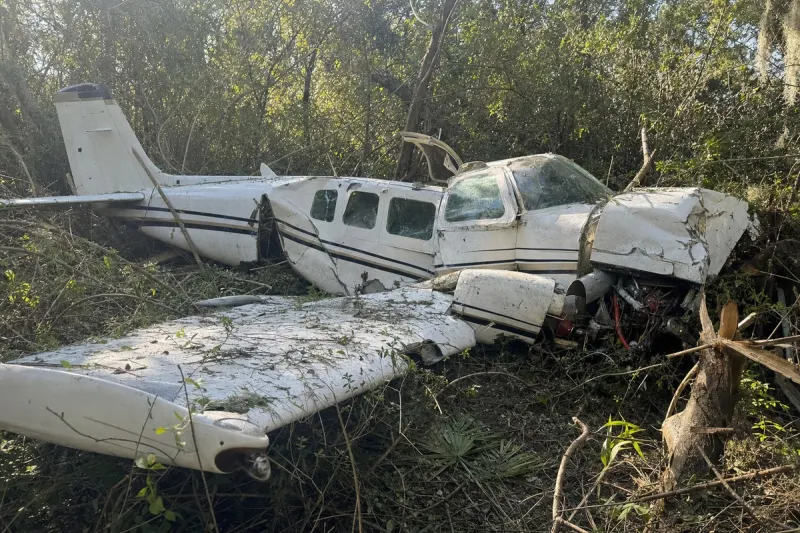
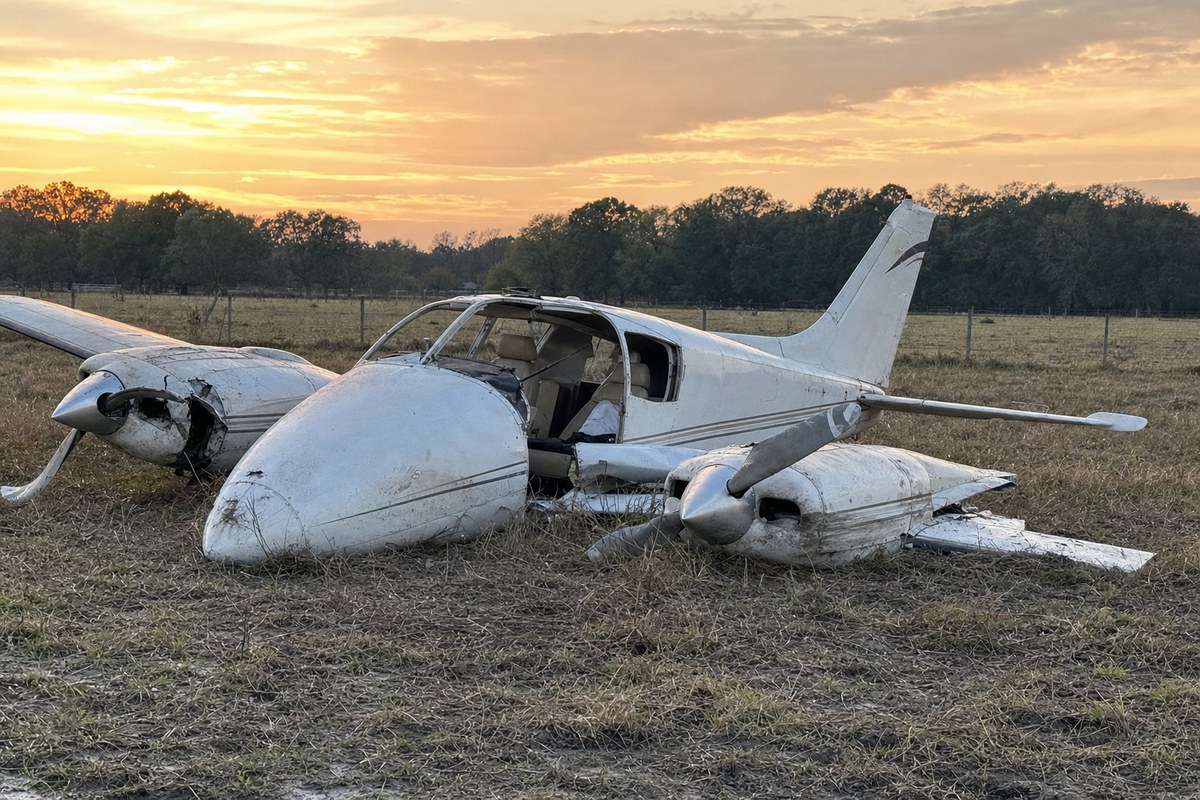
Three general aviation aircraft made emergency landings in Southwest Florida within four days, which Dick Knapinski, a private pilot and spokesperson for the Experimental Aircraft Association (EAA), described as "a statistical oddity." On Thursday, a twin-engine plane with two people on board crashed in a field in DeSoto County, near Southeast County Road 760A and Southeast County Road 763. Both occupants were taken to hospitals, and the pilot was seriously injured. DeSoto County Fire Rescue Chief Chad Jorgensen said the plane crashed after running out of power; why is not yet clear. He said the pilot set the aircraft down on top of a drainage ditch rather than nose-diving into it, which prevented a potentially much worse outcome.
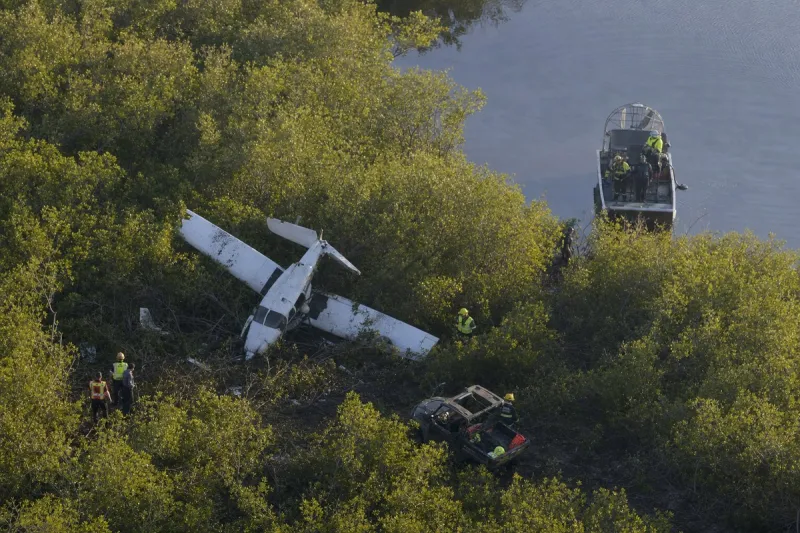
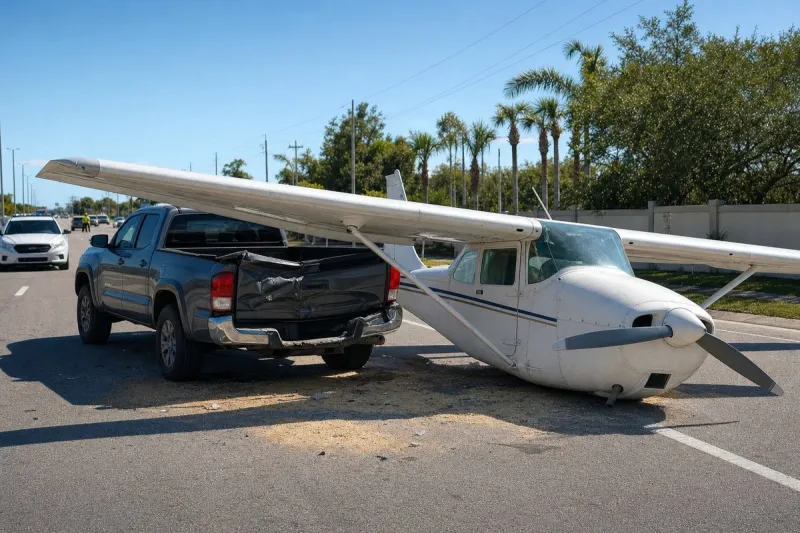
On Saturday, a Cessna 172 with two people on board attempted an emergency landing near Bayshore Road and Interstate 75 in North Fort Myers after the pilot reported an engine issue. The aircraft struck the rear of a pickup truck traveling eastbound on Bayshore Road, according to the Lee County Sheriff's Office. Knapinski, who reviewed video of the event, commended the pilot for acting quickly and finding a relatively safe place to land with minimal property damage, noting that pilots must complete recurrent training every two years. On Sunday, a pilot walked away unscathed after a single aircraft went down in the Estero Bay area, just south of Winkler Extension, in a spot that emergency vehicles and boats cannot easily reach. The Iona McGregor Fire District responded with multiple other agencies.
Knapinski said general aviation can go months or even years without emergency landings, so three in one metro area within four days is unusual. He said general aviation accident rates have fallen across the country over the past quarter century, but more air traffic could lead to more accidents. National Transportation Safety Board (NTSB) data show general aviation accidents dropped nationwide by nearly 1.9% between 2023 and 2024. Knapinski urged that each incident be examined separately for its causal factors before looking for any common link, and cautioned against drawing conclusions before investigations are complete. He said the three emergency landings were well executed and reflected pilot training that kept damage to people and property to a minimum. The causes of the incidents remain under review.