FAA Brings First Digital Air Traffic Control Towers Into Service in Florida and Alaska
Why It MattersDigital towers give the US a route to extend controller coverage at airports that have never had a tower, a different problem from the one European operators set out to solve.
What happened
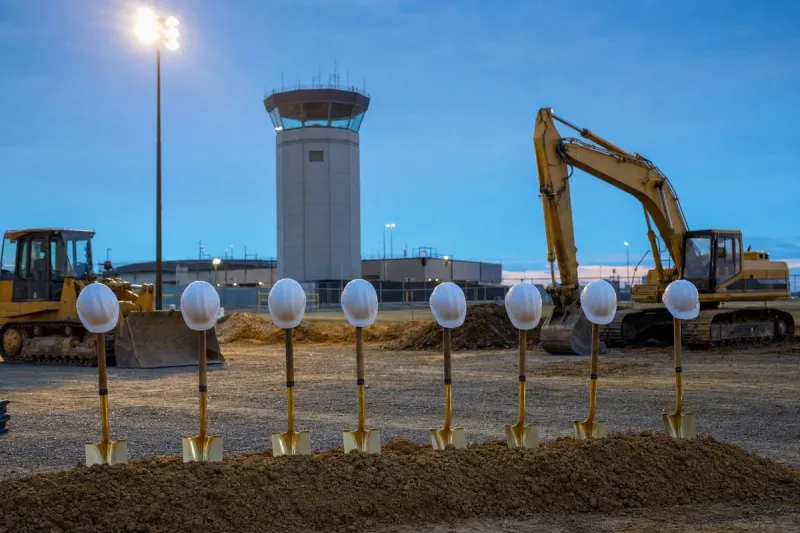
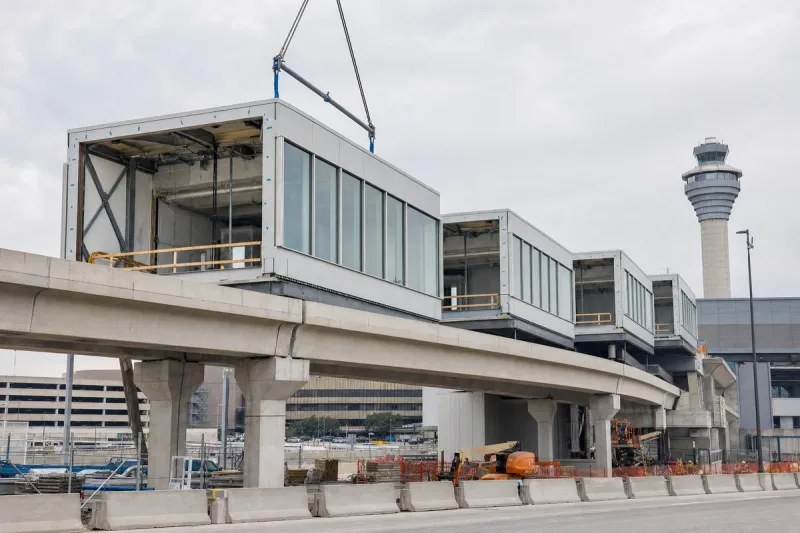
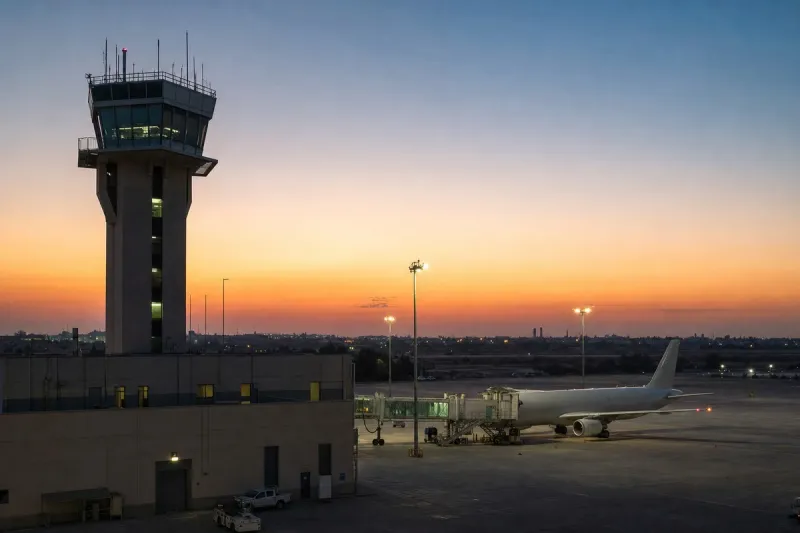
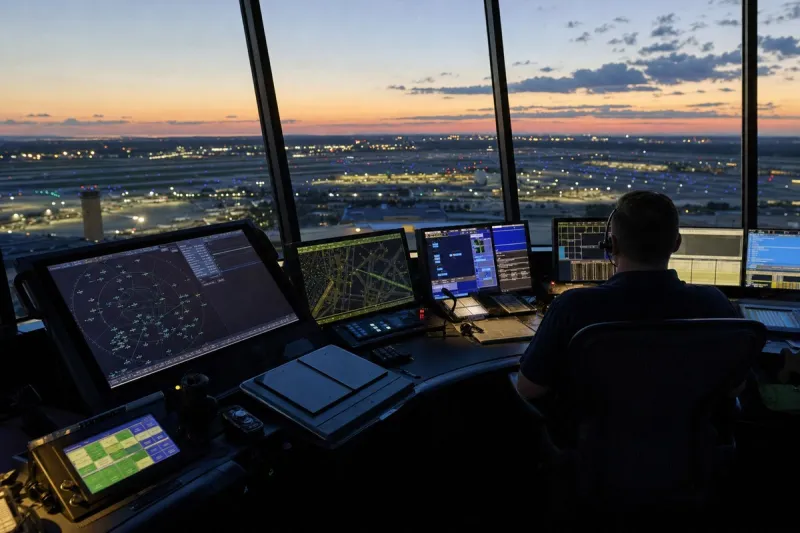
The Federal Aviation Administration announced on 6 November that the first digital air traffic control towers in the United States are operational at Bartow Executive Airport in Florida and Kenai Municipal Airport in Alaska. The agency says digital towers use advanced cameras and digital displays to give controllers a continuous 360-degree view of runways, taxiways and surrounding airspace. Controllers continue to manage the airspace but use screens in place of tower windows. FAA Administrator Bryan Bedford said the systems provide controllers with greater visibility of airport activity.
Five more airports without towers are due to receive the systems: Winter Haven Regional Airport and Venice Municipal Airport in Florida, Montgomery County Airpark in Maryland, Johnston Regional Airport in North Carolina, and Durango-La Plata County Airport in Colorado. The FAA selected the Frequentis system for deployment. On 2 September the agency granted its first system design approval to the Frequentis smartVISION system, covering single-runway airports in Class D airspace, and says a design approval typically takes 24 to 36 months.
At Bartow, the digital tower cost $6.1m, paid for entirely by the Florida Department of Transportation. Controllers work in a ground-level building about 600 feet from a 76-foot camera mast, watching 15 screens arranged in a 130-degree arc. Congress allocated $50m for digital towers at qualifying airports without towers, and the FAA has confirmed they can be funded through its Airport Improvement Program for new contract towers.
Europe's head start and earlier US setbacks
Europe has used the technology for over a decade. Sweden opened what it billed as the world's first remote tower at Örnsköldsvik in April 2015, controlled from Sundsvall about 78 miles away. London City began handling flights from a digital tower in January 2021, with controllers at the NATS centre in Swanwick about 115km from the runway.
Earlier US efforts stalled. The Leesburg Executive Airport programme in Virginia was discontinued in June 2023 after Saab withdrew from the approval process, and a Northern Colorado Regional Airport trial ended later that year after the vendor stopped work.
Industry impact & what to watch
The US is applying digital towers to a different problem from the one they solved in Europe. Only about 600 of more than 5,000 US airports have a control tower, so the first job here is to put towers where none exist, rather than to centralise control of airports that already have one. That shapes who benefits: general aviation and business-aviation traffic at smaller fields is where the gap in controller coverage sits.
The funding picture matters as much as the hardware. A $6.1m tower paid for by a state transportation department, a $50m federal allocation and eligibility under the Airport Improvement Program together define how quickly further airports can follow. Each additional site will also depend on the design approval path, since the Frequentis smartVISION approval covers single-runway airports in Class D airspace only.
The next concrete milestone is the rollout to the five named airports. Two earlier US programmes ended when the vendor withdrew, so whether these installations reach operation on schedule is the clearest test of whether the approach holds this time.