FlyDubai Says Spare Engines and Parts, Not Capacity, Are Gulf MRO's Main Constraint
Why It MattersRegional MRO build-outs cannot by themselves remove aftermarket dependence, so airline competitiveness in the Gulf increasingly turns on engine and parts supply positions secured years before they are needed.
What happened
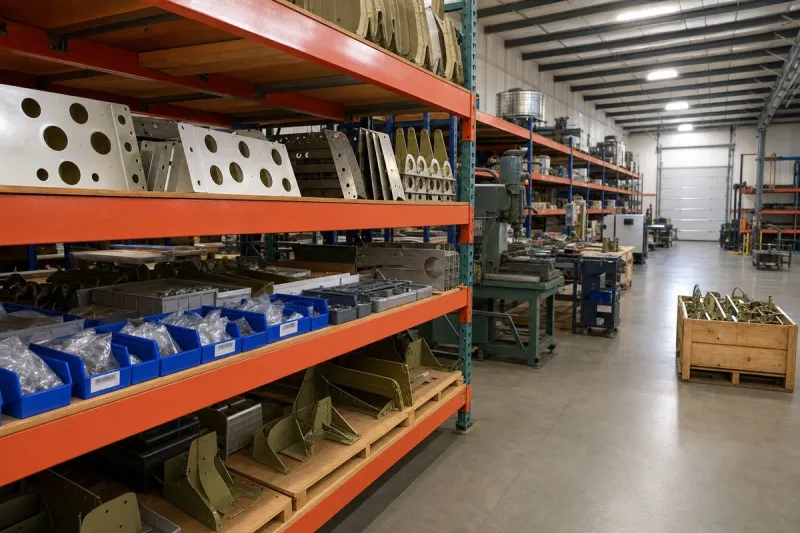
FlyDubai's chief operations officer, Mick Hills, told Aviation Week that the Middle East's biggest operational challenge is not engine MRO capacity itself but the availability of spare engines, critical parts and repairable material. He said airlines and MRO providers in the region remain dependent on a global ecosystem of OEM parts, life-limited components, used serviceable material, specialized repair capacity and spare-engine inventories.
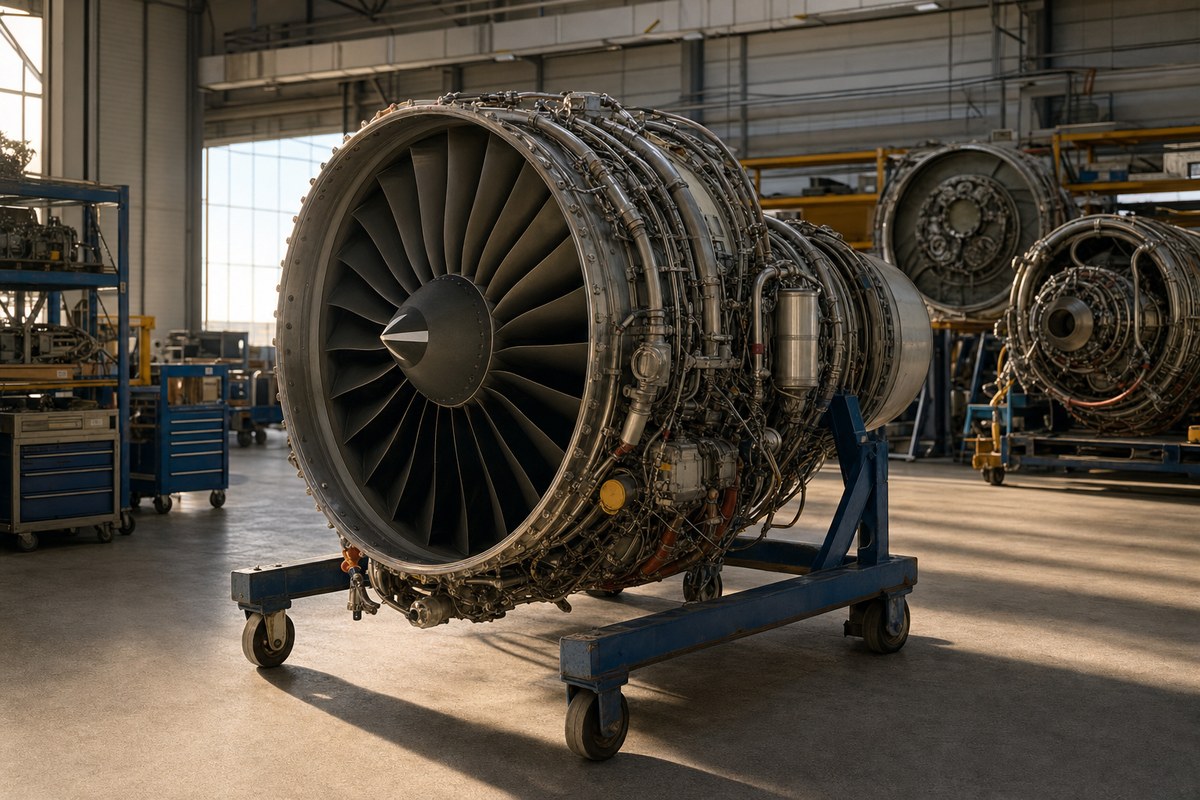
Regional MRO capacity is expanding rapidly, Hills said, but regional fleets are growing faster, so the capacity increase has not yet fully closed the gap. FlyDubai has responded by extending its maintenance planning horizon: it historically forecast maintenance requirements two to three years ahead but now plans more than five years in advance. Hills attributed the change to limited spare-engine availability, supply-chain constraints and extended turnaround times for some repairs.
The carrier is securing shop-visit slots earlier, coordinating continuously with OEMs and MRO partners, and ensuring access to spare engines and repair capability. It has also secured additional engines for its Boeing 737 fleet through purchasing and leasing agreements.
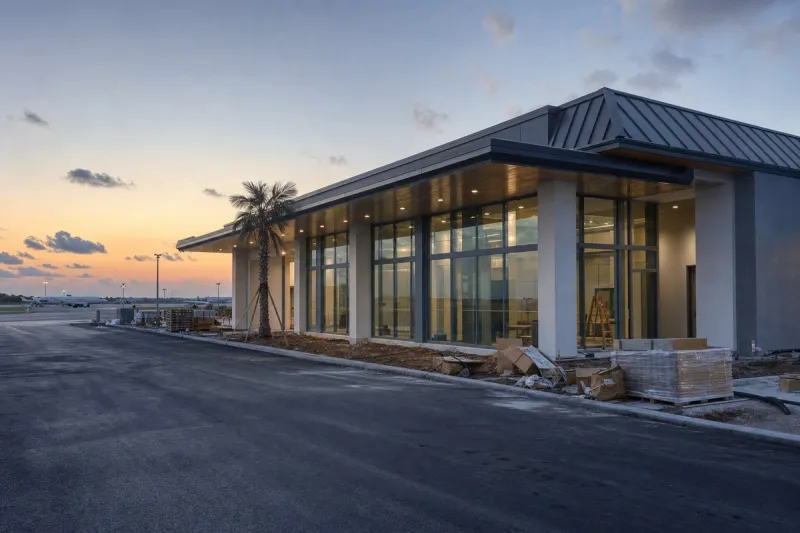
According to Hills, FlyDubai has more than 97 aircraft, with a further 12 deliveries expected later this year. The airline is due to complete construction of its new aircraft maintenance center at Dubai South toward the end of this year, which he said will increase its control over maintenance operations and support shorter turnaround times as the fleet grows.
Why local capacity does not end global dependence
Hills does not expect greater regional MRO capability to eliminate the Middle East's dependence on the wider global aftermarket. He said the region is well positioned to become a leading engine support hub, but engine support remains highly globalized, with continued reliance on international OEM networks, specialized repair facilities, material suppliers and global logistics channels.
FlyDubai expects the Middle East to become a major regional center within the global MRO ecosystem, not an independent market. Greater local repair capability could reduce turnaround times and dependence on external providers, but it would remain one node in a network that still runs through OEM supply chains.
Industry impact & what to watch
The distinction Hills draws matters for how MRO investment in the Gulf is read. A shop floor can be built in a few years; a pool of spare engines, repairable cores and life-limited components cannot be created locally on the same timetable. Where fleets grow faster than the supporting inventory, the scarce resource shifts from labor and hangar space to rotable assets, and the operators who hold them gain scheduling certainty that others lack.
That helps explain a planning horizon stretching past five years. Booking shop-visit slots and securing spare engines early, through purchase or lease, is a way of buying priority in queues that the whole region is joining at once. Carriers with the balance sheet to do this can hedge against long repair turnarounds; smaller operators competing for the same material have fewer options.
The next concrete milestone is the Dubai South maintenance center, which FlyDubai expects to complete toward the end of this year. Whether it shortens turnaround times as the fleet grows past its current 97-plus aircraft and absorbs 12 further deliveries will be the first practical test of the control-over-maintenance argument.