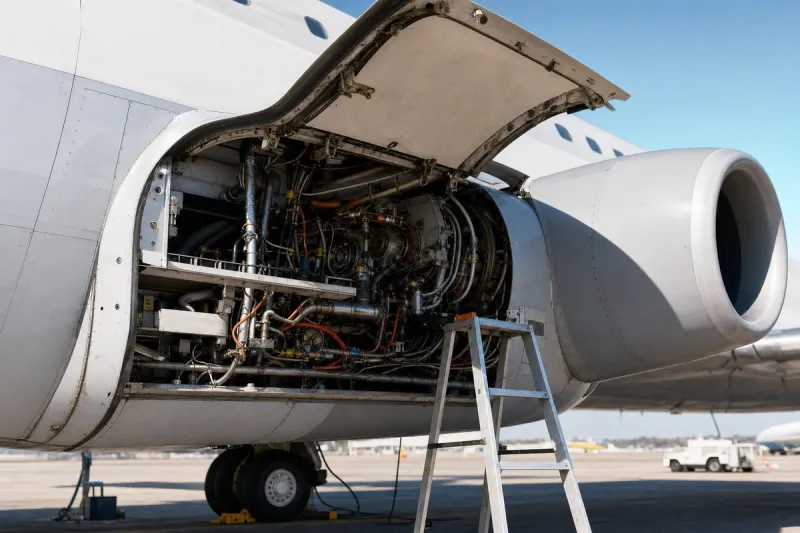
Cuba Extends Jet A-1 Fuel Unavailability at Ten Airports Until December 1, 2026
Why It MattersMonth-to-month NOTAM renewals show that fuel supply, not airport closure, now sets the cost and viability of Cuba service, pushing carriers toward tankering, third-country refuelling stops or exit.
What happened
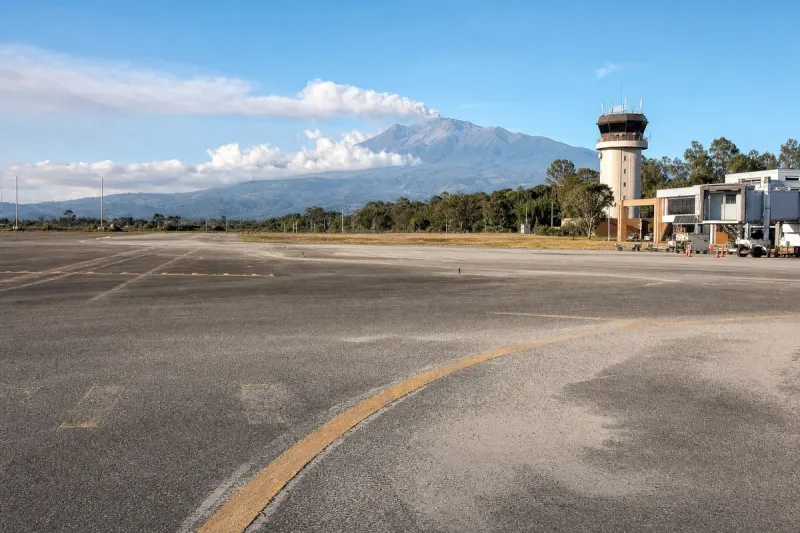
Cuba's air navigation agency, the Empresa Cubana de Navegación Aérea (ECNA), issued ten aeronautical notices on October 30 extending the unavailability of Jet A-1 aviation fuel at ten airports until 04:00 UTC on December 1, 2026 (11 PM local time on November 30). The notices, numbered NOTAM A3875/26 to A3884/26, carry the wording "JET A1 FUEL NOT AVBL." The affected terminals include José Martí International Airport in Havana, Varadero, Santa Clara, Camagüey, Holguín and Santiago de Cuba.
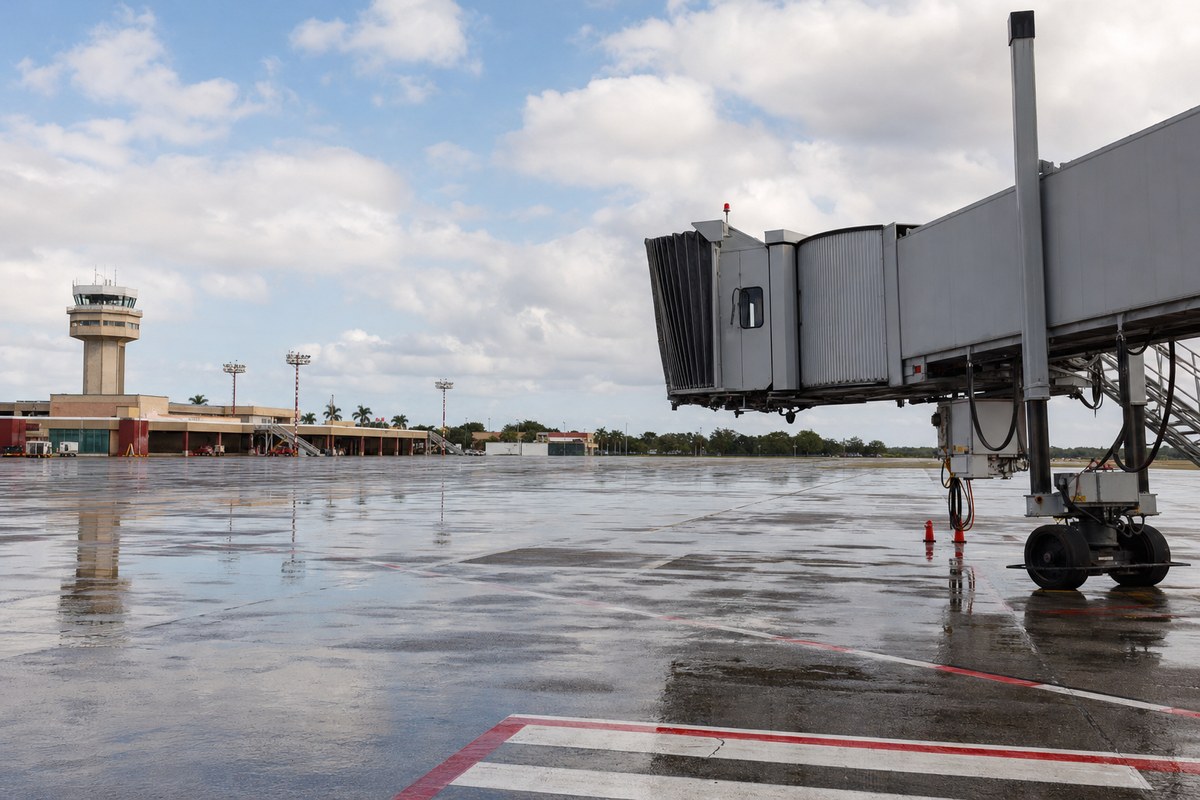
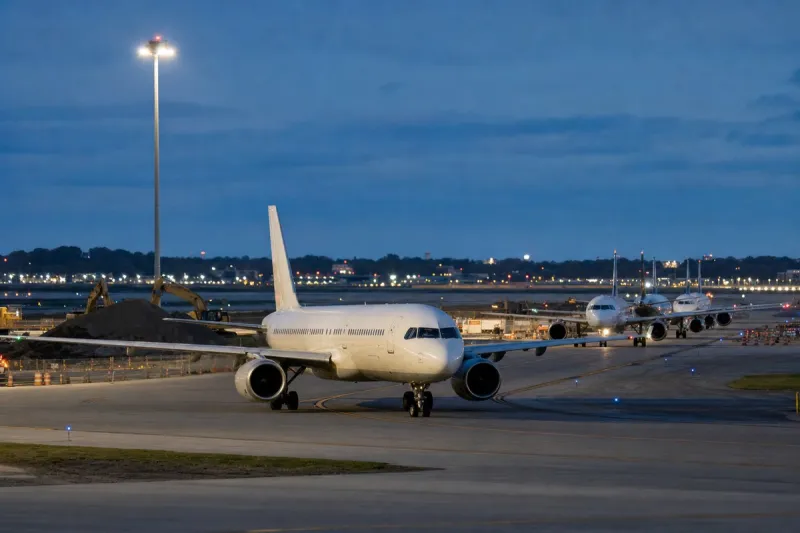
The restriction does not close the airports or automatically cancel flights. It forces airlines to carry extra fuel from their departure airport (tankering), schedule technical stops in third countries to refuel, or suspend operations. Air Europa keeps its Madrid–Havana route with an added stop in Punta Cana, Dominican Republic, before returning to Spain. Air China has used Nassau, Bahamas, as a refuelling point for its Beijing–Madrid–Havana service.
The new extension replaces one that was due to expire on November 1, which had in turn replaced another expiring October 1.
At least 11 airlines suspended or reduced operations to Cuba during 2026, with more than 1,700 flights canceled. Iberia has extended the suspension of its direct Madrid–Havana route until June 30, 2027. Cuba received 477,707 visitors between January and September 2026, equal to 34.9% of the volume in the same period of 2025, according to data from the National Office of Statistics and Information (ONEI). September was the weakest month, with 27,354 international arrivals.
Venezuelan state airline Conviasa has announced it will resume Caracas–Havana flights on November 13, with two weekly frequencies, on Wednesdays and Fridays. The route had been suspended for two weeks while the airline focused on domestic Venezuelan flights. Conviasa has not publicly said how it will secure fuel for the flights.
Industry impact & what to watch
A fuel NOTAM works differently from a closure notice. The runways stay open and the airspace stays usable, so the burden moves to each operator's flight planning: every sector into Cuba has to be fuelled for the return leg, or routed through an airport that can supply it. That raises trip cost and, on long-haul sectors, cuts payload or forces a stop, which is why the response so far has split between added technical stops and outright suspensions.
The renewal pattern matters as much as the restriction itself. Each extension has been issued shortly before the previous one lapsed, and the latest one runs for a month. Carriers building schedules around Cuba therefore plan on a rolling basis, and a route that returns on paper, such as the Conviasa Caracas–Havana service, still depends on a fuel arrangement that has not been disclosed.
The next dated checkpoint is the December 1 expiry. Whether ECNA issues another extension ahead of it, and whether any airline publishes a fuelling plan for its Cuba flights, will show if the stop-and-tanker model is settling in or the suspension list keeps growing.