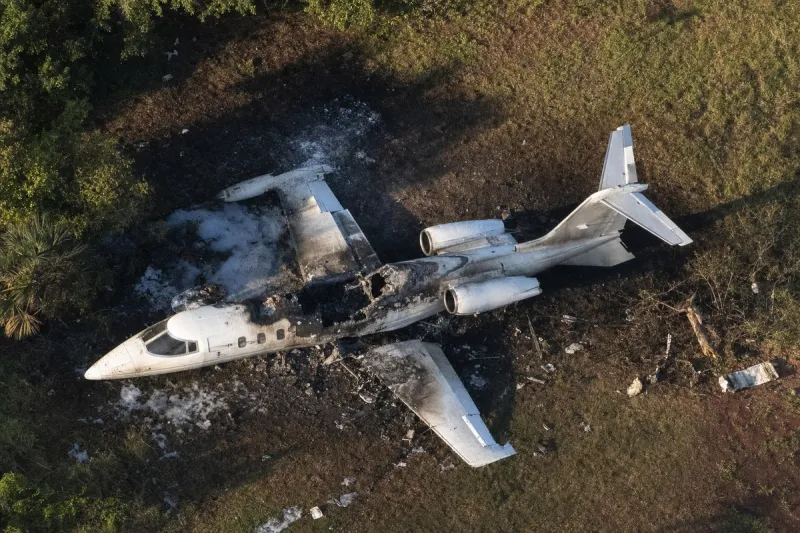
Nats chief Martin Rolfe says he was 'the most disliked person in the UK' after two September outages
Why It MattersAir traffic control failures put the cost on airlines and passengers while a single provider carries the accountability, so regulator findings now shape how resilience and recovery are judged across UK airspace.
What happened
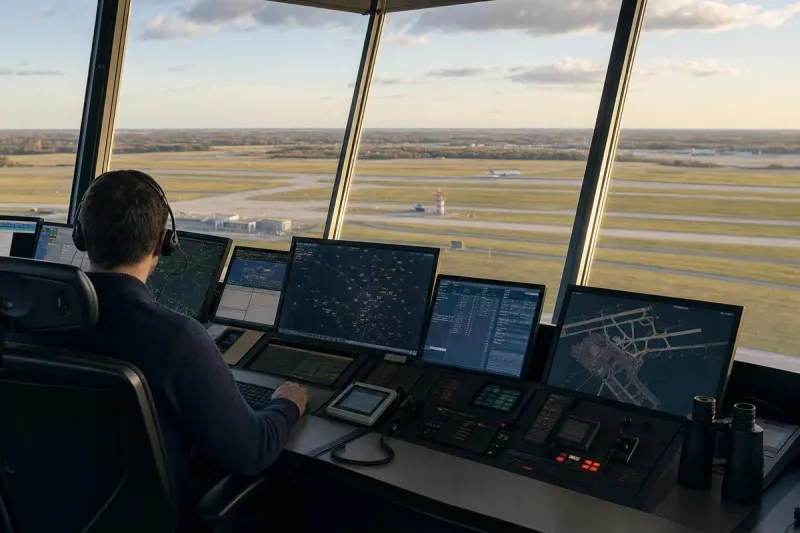
Nats chief executive Martin Rolfe told the Airlines 2026 conference in London on Wednesday that he thought of himself as "the most disliked person in the UK in September". Two Nats system failures that month disrupted flights for hundreds of thousands of passengers.
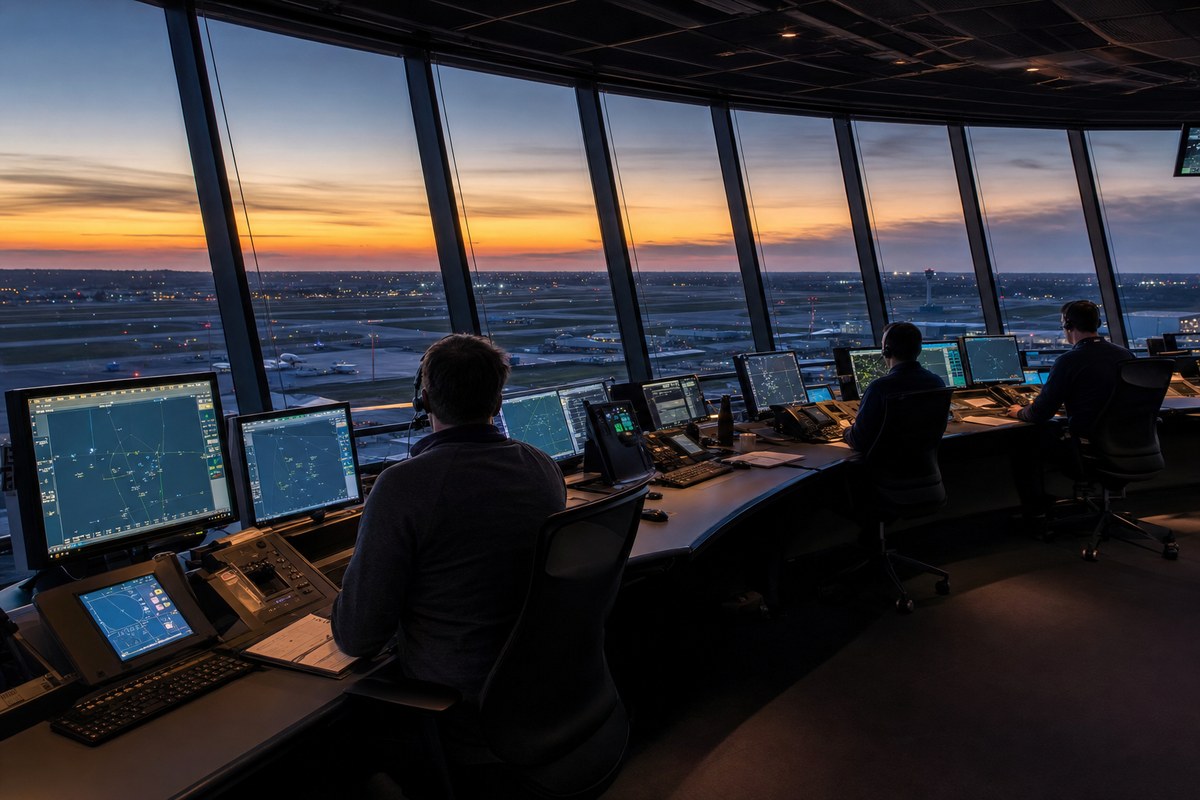
Airlines led by Ryanair called for Rolfe to resign after two technical failures within a fortnight at Nats's two control centres disrupted take-offs and landings. Rolfe said he had not considered resigning, despite repeated calls from Ryanair chief Michael O'Leary, and said he was "quite enjoying" ignoring them.
Airlines said the 8 September outage alone cost them tens of millions of pounds. It stemmed from a problem in Nats's flight control systems and is the subject of a government-commissioned inquiry. Rolfe said Nats had expected to handle about 8,000 flights that day and that 6,000 flew, but he did not address the long delays many passengers experienced. A further glitch at Nats's second control centre, in Prestwick, Scotland, on 21 September led to more than 200 flight cancellations.
Rolfe said the causes of both events were unprecedented and had been fixed, and that the specific faults "will never recur". He added that nobody could credibly promise that a complex technical system will never experience another fault. Nats's early report said the software problem in September was not immediately believed to be serious.
The Civil Aviation Authority is reviewing the findings and will report to transport secretary Heidi Alexander early in 2027. Alexander told the conference she would not "jump the gun" before the CAA's findings.
Industry impact & what to watch
A national air traffic provider is a single point of dependency for every airline operating in its airspace. When a software fault takes capacity from about 8,000 expected flights to 6,000, the financial loss lands on carriers and passengers, while the provider answers through inquiries and regulatory review rather than through the commercial penalties an airline would face. That asymmetry explains why the dispute has become personal, with calls for the chief executive's resignation.
Rolfe's own framing is a useful marker of where the debate will settle. Promising that two specific faults will not recur is a narrow claim, and he separated it from any guarantee about future faults in a complex system. The practical question for airlines and regulators is therefore less about eliminating failures than about how quickly a failure is contained and how many flights can still operate while it is fixed.
The next dated checkpoint is the CAA's report to the transport secretary, due early in 2027, alongside the government-commissioned inquiry into the 8 September outage. Alexander has said she will wait for those findings, so any change to oversight or resilience expectations is likely to follow them rather than precede them.