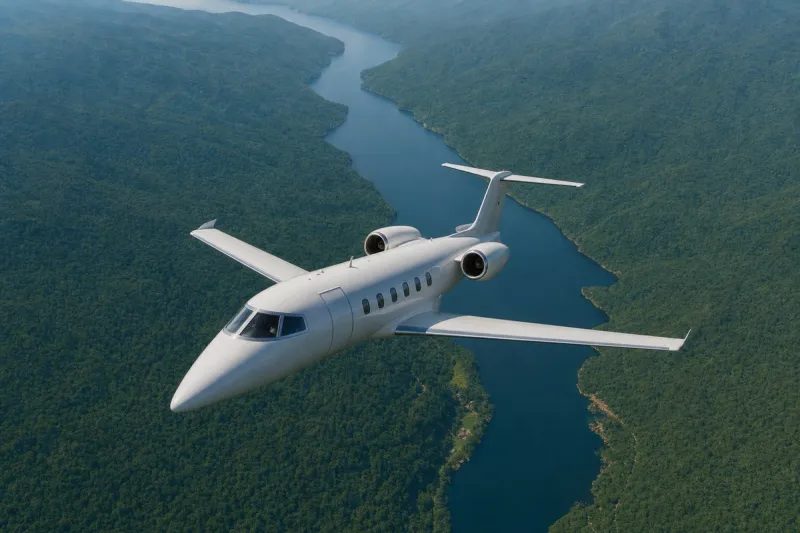
Icing Reported Before Fatal Learjet 60 Crash in Florida; NTSB Probes Weather
Why It MattersThunderstorm flying shows how forecast limits push icing and turbulence judgment onto crews, especially on charter and private flights, where weather planning leans on pilots rather than dispatchers.
What happened
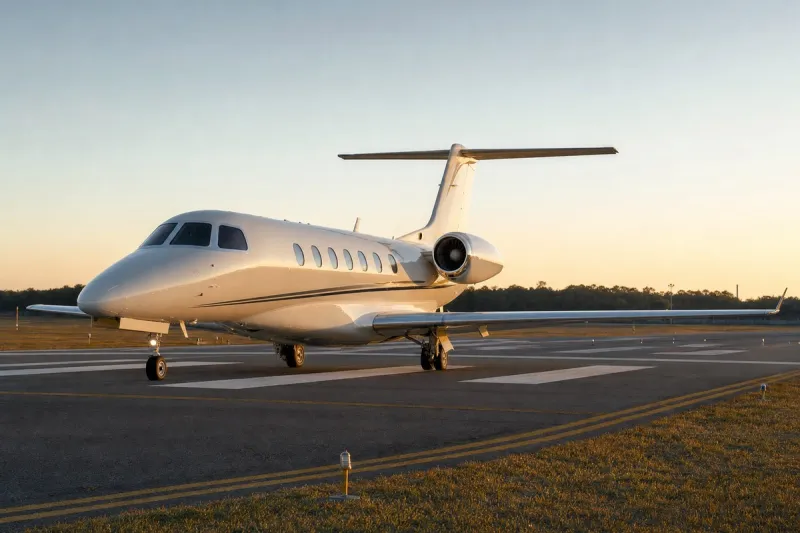
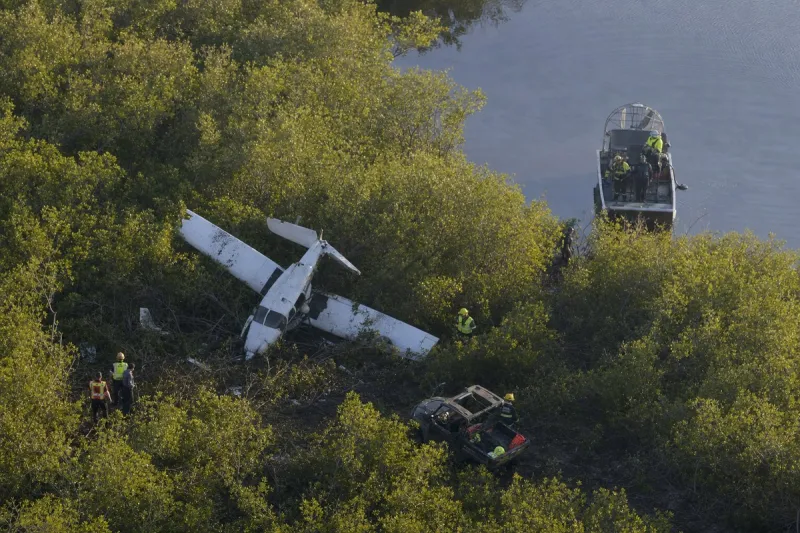
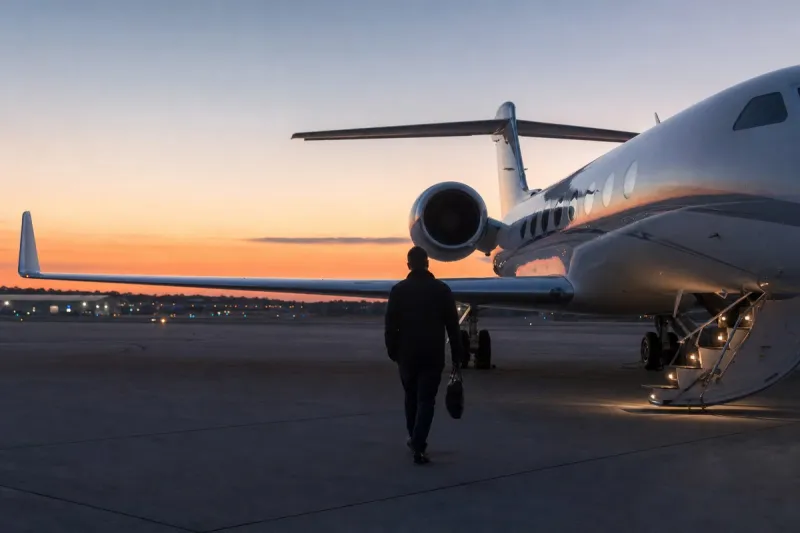
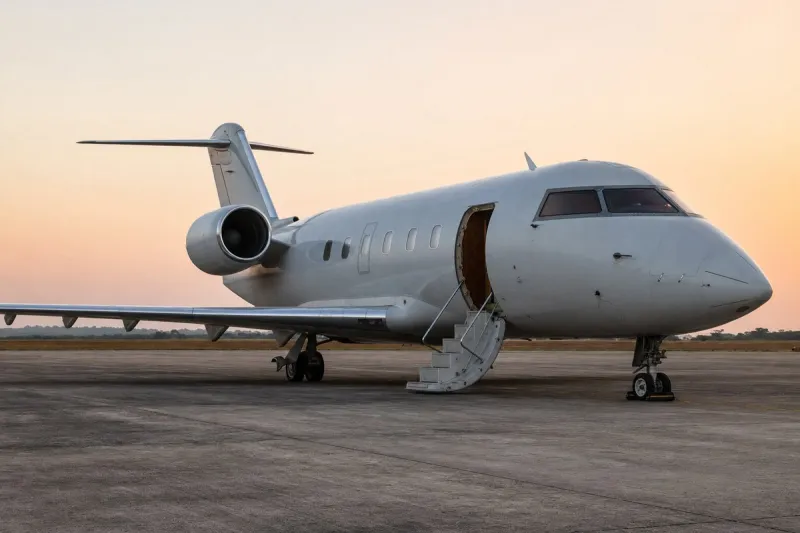
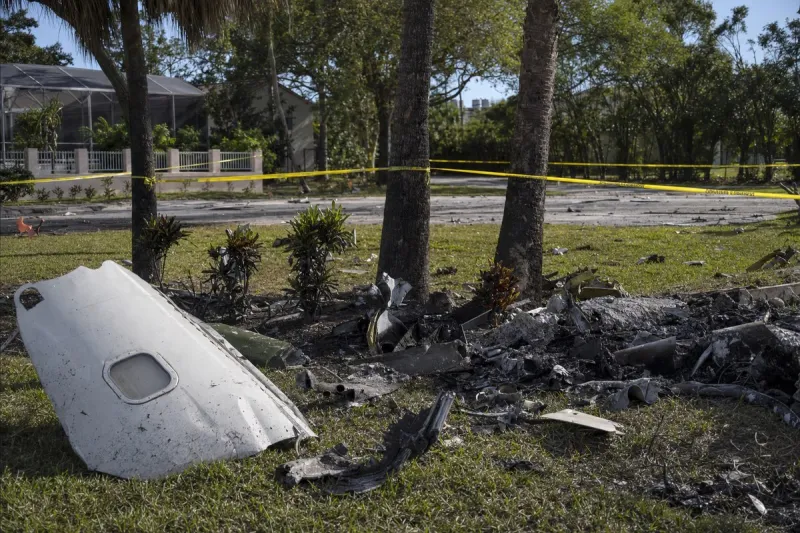
A Learjet 60 that departed Austin on Nov. 1 bound for the Bahamas crashed in South Florida, killing all nine people on board. Those killed included Austin entrepreneur Adam Robinson, his wife and their two young children.
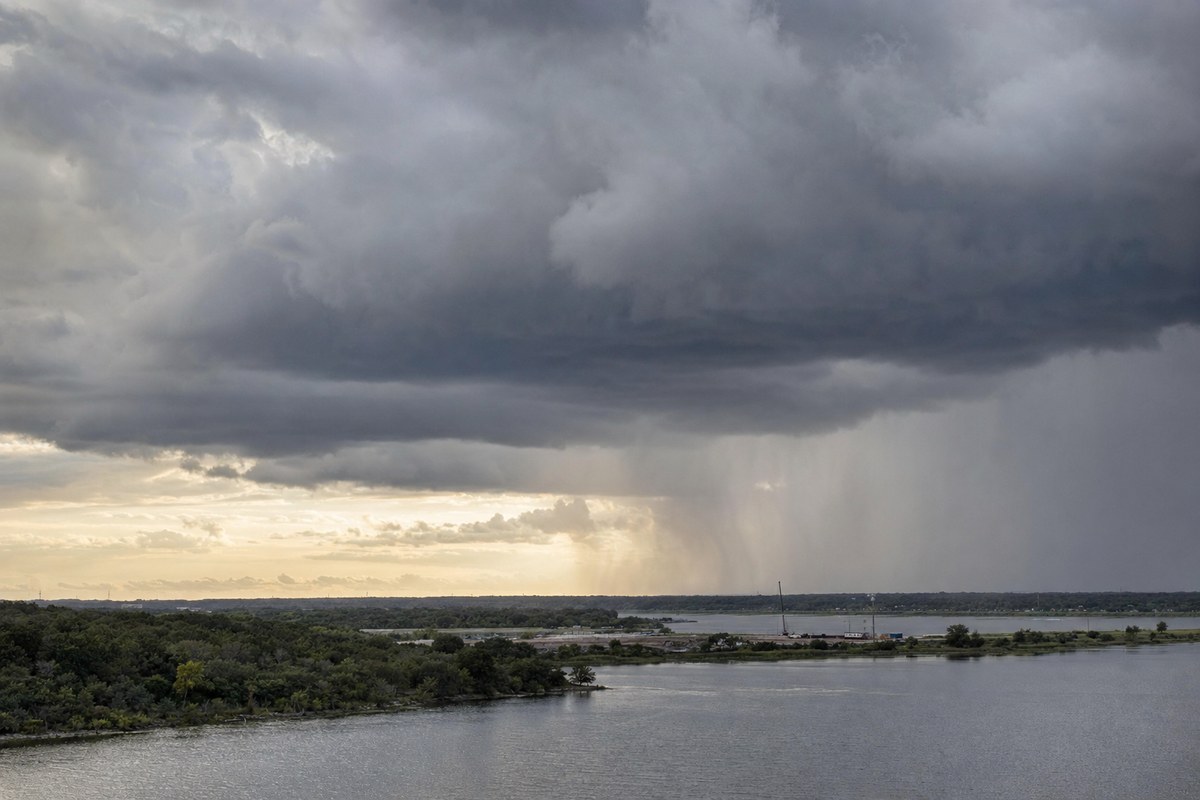
The National Transportation Safety Board has not yet determined the cause. NTSB member Tom Chapman said at a news conference the day after the crash that weather conditions will be a major focus of the investigation. Severe thunderstorms were present at the time, and investigators still must determine conditions at 35,000 feet, the altitude at which the pilot began reporting problems.
The NTSB's investigation will examine the weather conditions and information available to the pilots before and during the flight, and will typically also review air traffic records.
How icing and thunderstorms threaten an aircraft
Trey Cade, director of the Institute for Aviation Sciences at Baylor University, said pilots should always expect icing and turbulence near thunderstorms. Pilots consult approved weather sources before takeoff and keep monitoring conditions in flight, using forecast models, onboard weather instruments, live radar and real-time temperature readings.
On commercial airline flights, pilots share weather planning and routing with ground dispatchers, while charter and private flights typically rely more heavily on the pilots themselves. Cade noted that forecast products have limitations.
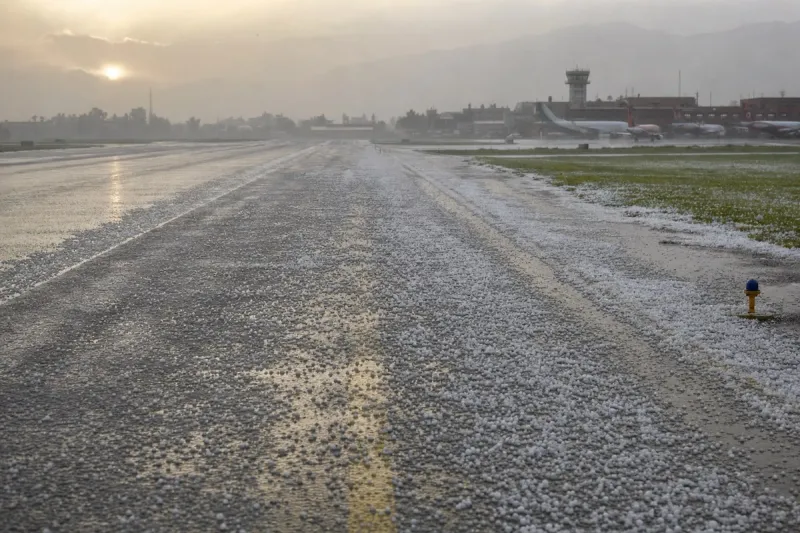
Thunderstorms form when warm, moist air rises rapidly, building clouds that can reach 30,000 to 50,000 feet, overlapping with typical commercial cruising altitudes. Strong updrafts can carry water droplets to altitudes where temperatures are well below freezing before they freeze, leaving them as supercooled liquid. Such droplets are predominantly found between 0 and minus 20 degrees Celsius, and in rare cases as cold as minus 40 degrees Celsius. When they strike an aircraft, they can freeze almost instantly, building ice on surfaces including the wings.
Some aircraft carry deicing and anti-icing systems, but these do not prevent icing altogether and are meant to give pilots time to leave an icing situation. Cade said it is not acceptable to fly in icing conditions, and other aviation experts said avoiding thunderstorms is the rule. Strong updrafts can also cause severe turbulence, which can briefly make an aircraft hard to control or, in extreme cases, damage its structure.
Industry impact & what to watch
Cases like this keep attention on a structural feature of business aviation: on charter and private flights, weather planning typically rests more heavily on the pilots themselves than on a ground dispatcher. That makes forecast quality, onboard weather instruments and a crew's willingness to route around thunderstorms the main defences, and de-icing equipment only buys time to leave an icing encounter.
The cause of this crash has not been determined, and nothing in the NTSB's public comments so far assigns one. Investigators still have to establish conditions at 35,000 feet, where the pilot began reporting problems.
The next substantive disclosures are the NTSB's review of the weather information available to the pilots and of air traffic records. Those findings would show whether the crew had what they needed before and during the flight.