Middle East Airspace Is the Main Constraint on Private Flying as EASA Gulf Bulletins Near Review on November 16
Why It MattersOpen-but-conditional airspace shifts business-aviation risk from outright closures to a patchwork of advisories, time-boxed restrictions and insurer judgement, so routing and schedule reliability depend on assessments that change faster than flight plans.
What happened
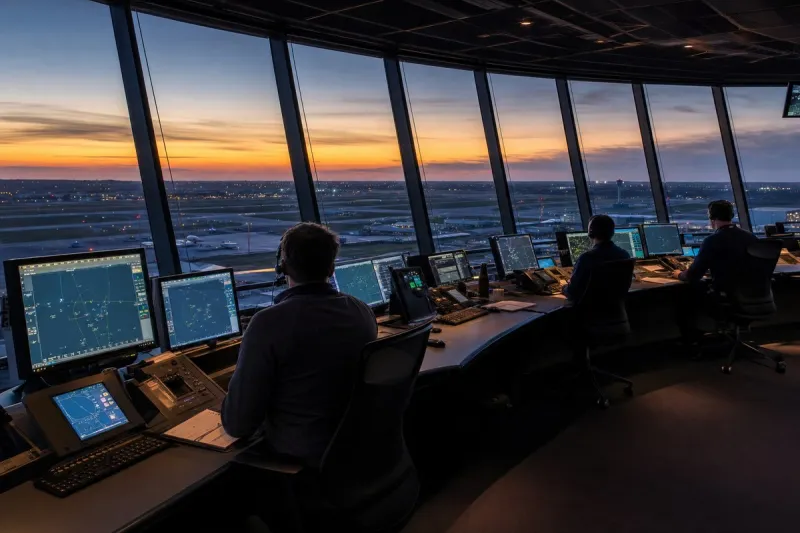
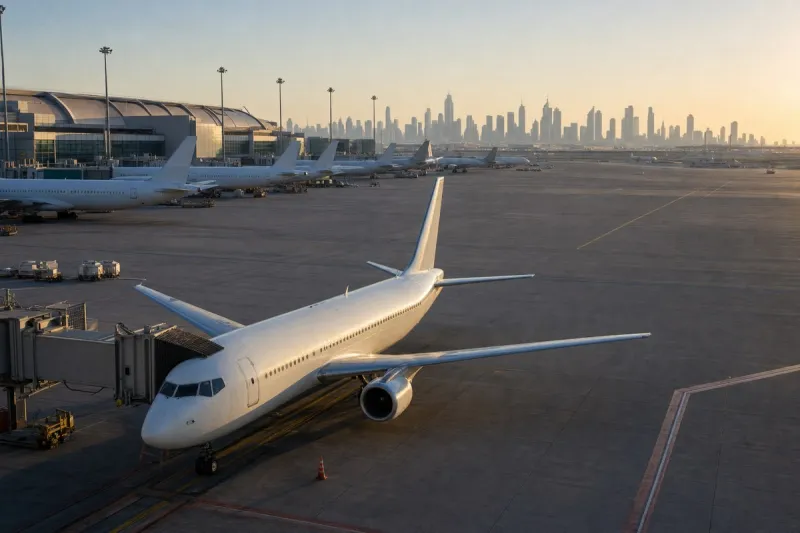
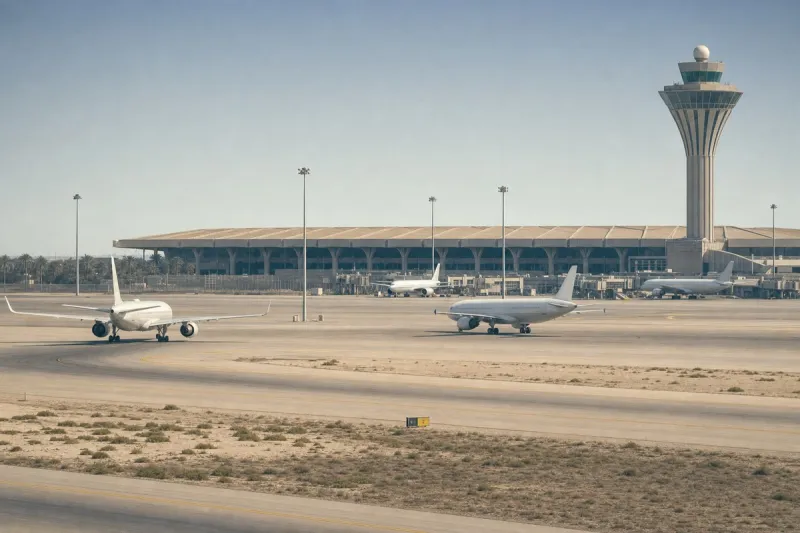
The U.S.-Iran war, which began with U.S. and Israeli strikes on Iran in late February, has settled into a volatile holding pattern and continues to shape business aviation planning across the Northern Hemisphere. Constraints include rerouting across the Gulf and the Levant, fuel-stop calculations on Europe-Asia legs, insurance pricing and schedule reliability at Dubai, Abu Dhabi, Riyadh and Amman.
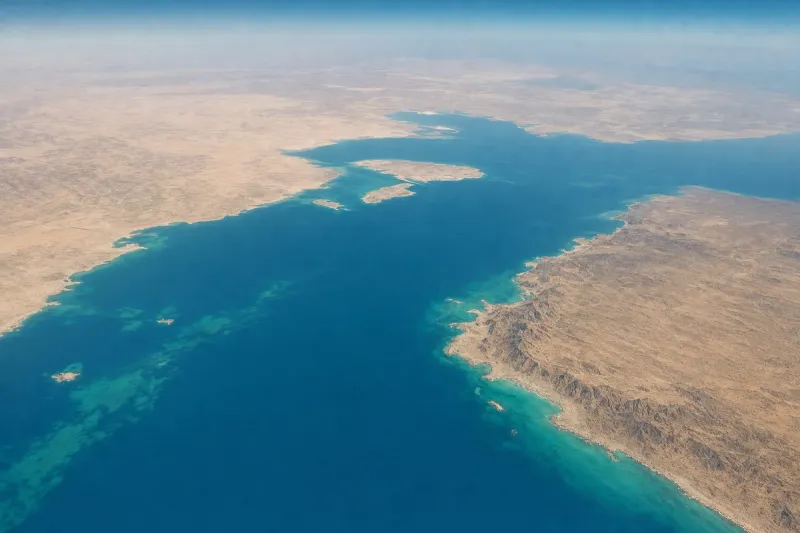
A key distinction for flight planners is between closed airspace and airspace that remains legally usable but carries an active security assessment. Gulf airspace is described as open but conditional while attacks continue in and around the Strait of Hormuz, and the EASA bulletins flag risk and urge caution without amounting to closures. Jordan is the sharper case: EASA advises against operating within Jordanian airspace at any altitude, and carriers including Wizz Air have cited that bulletin in adjusting Amman services. Iraq issued temporary airspace restrictions for November 7 to 11.
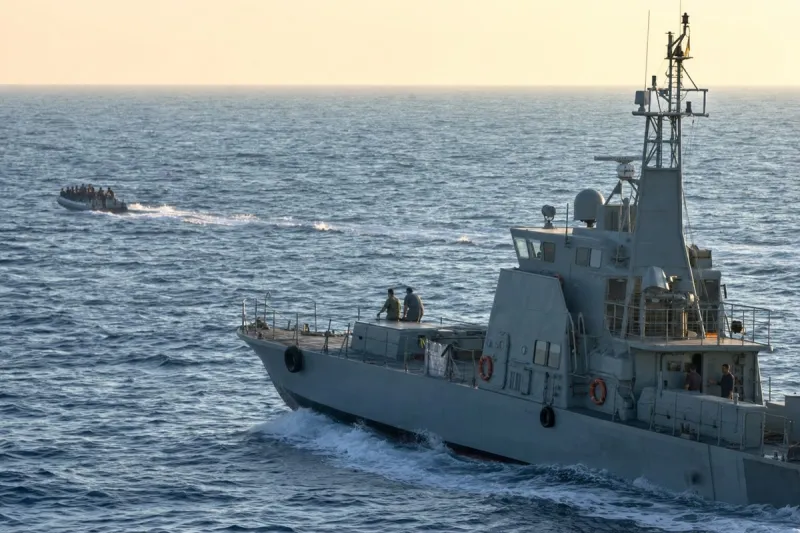
Scheduled carriers have adjusted to the perceived risk. Etihad has cancelled all Abu Dhabi flights to Riyadh and Dammam until November 19, and flydubai has suspended Riyadh and Abha through November 16, after further Gulf and Hormuz incidents on November 9. The Incheon-Dubai route has been suspended until further notice, and Lufthansa Group has extended its Dubai suspensions until March. Saudi Arabia has reported fresh missile and drone threats, and one sailor was killed in an explosion aboard the Marshall Islands-flagged tanker MT Velos Sapphire while under way towards Bahrain.
Government advice has hardened. The United States advises citizens to reconsider travel to the UAE and has warned of possible attacks by Iranian-backed Houthis; the United Kingdom warns of possible military escalation, airspace closures and flight disruption; Canada and Australia advise a high degree of caution.
The cost effects are measurable. EUROCONTROL data cited in the reporting indicate roughly 1,150 daily flights rerouted, adding about 602 tonnes of fuel burn per day. IATA projects Middle Eastern airlines swinging from a 7.2 billion dollar net profit in 2025 to a 4.3 billion dollar net loss in 2026. IndiGo's Mumbai-Amsterdam service, launched on October 25, runs 3,707 nautical miles while detouring around Pakistani and Iranian airspace. West Texas Intermediate has traded near 86 dollars a barrel, with Brent settling below 93.
Demand and disruption elsewhere
Demand is still heading into the region: Formula One has confirmed the final two races of the season in Qatar on November 27-29 and Abu Dhabi on December 4-6, despite multiple U.S. security alerts covering both locations.
Elsewhere, Typhoon Champi closed Taiwan's stock market and caused the cancellation of more than 950 flights, with one death reported. A magnitude 5.7 earthquake struck western Shizuoka Prefecture on November 8 with at least 24 injuries, no tsunami warning and no abnormality at the Hamaoka nuclear plant. China has activated a geological disaster emergency response for Beijing and Hebei amid rainstorm and mudslide casualties, and forecasters describe a Super El Niño projected to peak in early 2027.
Industry impact & what to watch
The pattern here is advisory-driven rather than closure-driven, and that changes how risk is priced. When airspace is open but conditional, no single authority declares a stop; instead operators, insurers and carriers each apply their own thresholds. The Jordan advisory and the Iraqi time-boxed restrictions show how quickly a legal route can become one a planner is unwilling to file, and the carrier suspensions show the commercial side moving ahead of any formal ban.
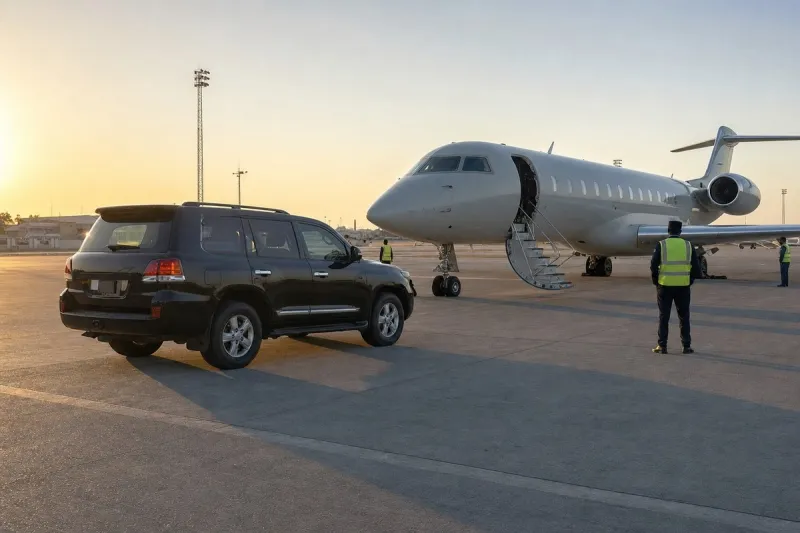
For business aviation the exposure sits in the same places the reporting names: Gulf and Levant routings, fuel stops on Europe-Asia legs, insurance terms and ground reliability at Dubai, Abu Dhabi, Riyadh and Amman. The detour economics on a long sector such as Mumbai-Amsterdam, and the daily rerouting volumes EUROCONTROL describes, indicate that the cost lands on every operator crossing the region rather than only those flying into it.
Two dates give the nearest checkpoints: November 16, when the EASA bulletins covering Iran, Saudi Arabia, the UAE and the Gulf fall due for review, and November 19, when Etihad's Riyadh and Dammam cancellations expire. Beyond those, any repeat of Iraqi time-boxed restrictions, a widening of the Jordanian advisory, or Houthi activity against Saudi Arabia that touches Red Sea routings would move planning assumptions again.