After Palm Beach Learjet crash, scrutiny falls on looser U.S. safety rules for private aircraft
Why It MattersPrivate operators run on lighter dispatch, pilot-experience and recorder requirements than airlines, so a fatal accident tends to shift scrutiny from one aircraft onto where the rules for the whole segment stop.
What happened
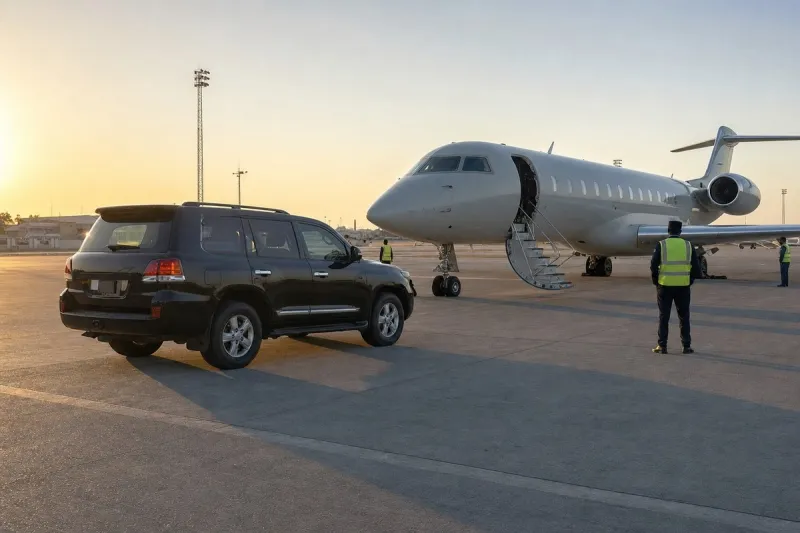
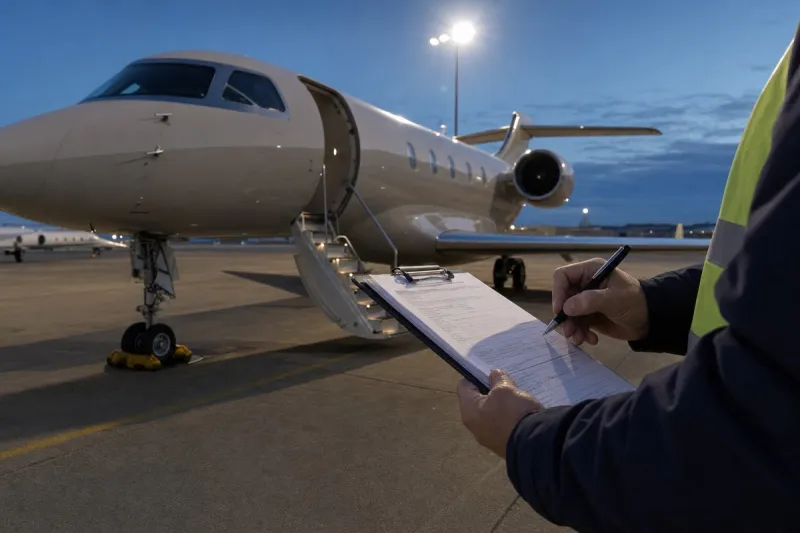
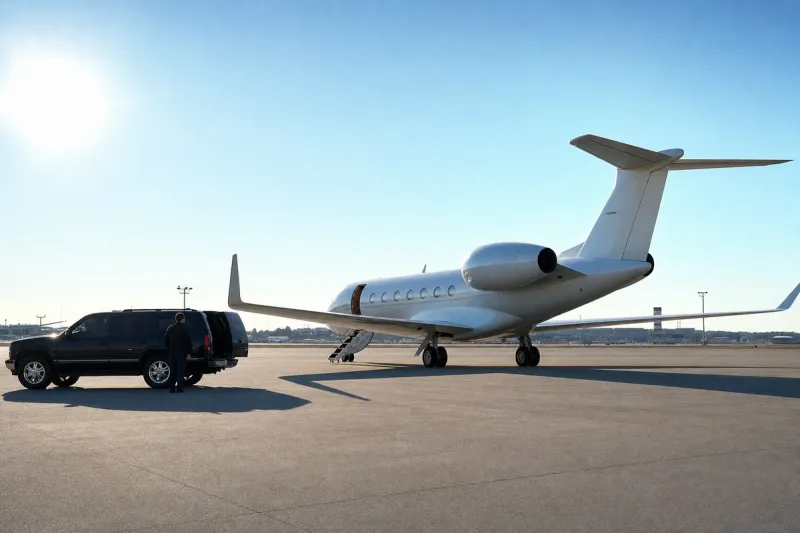
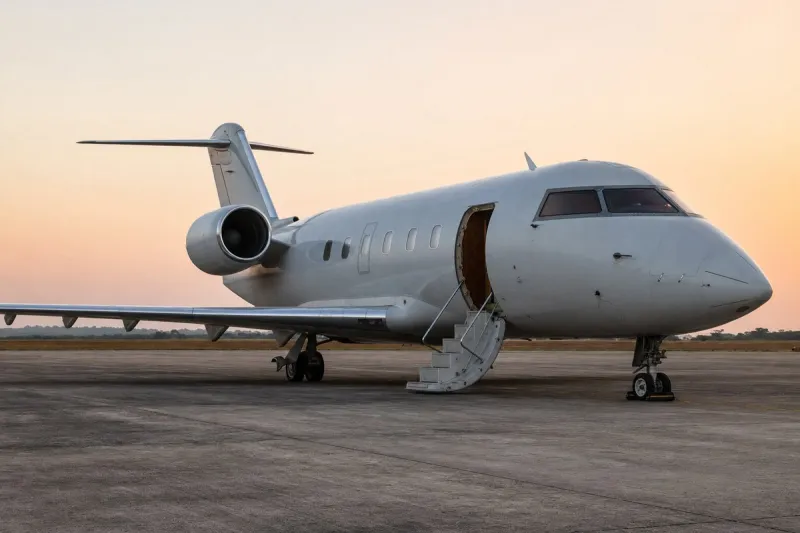
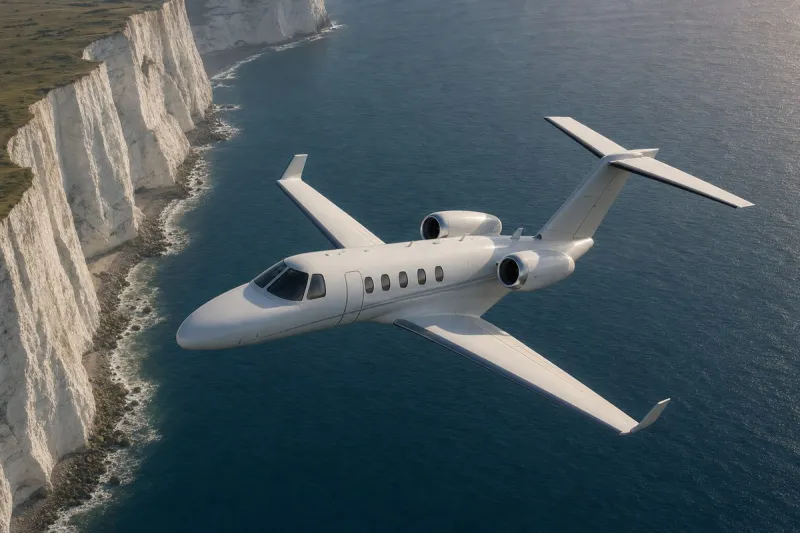
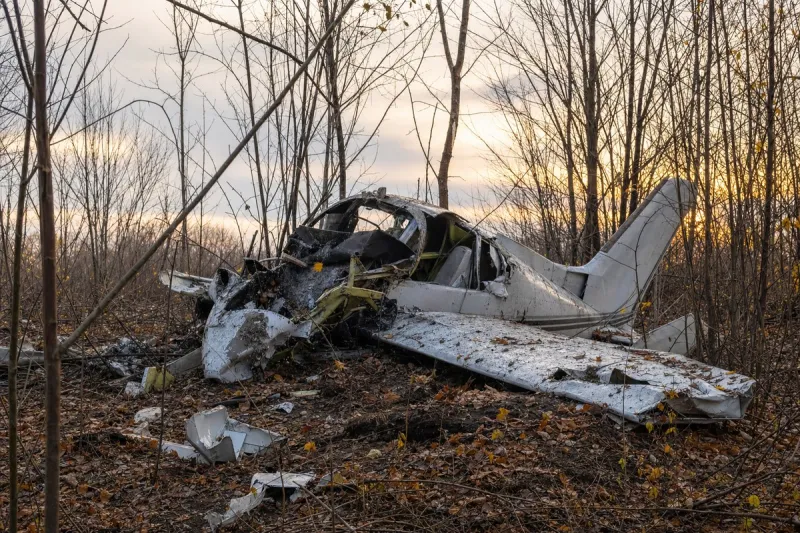
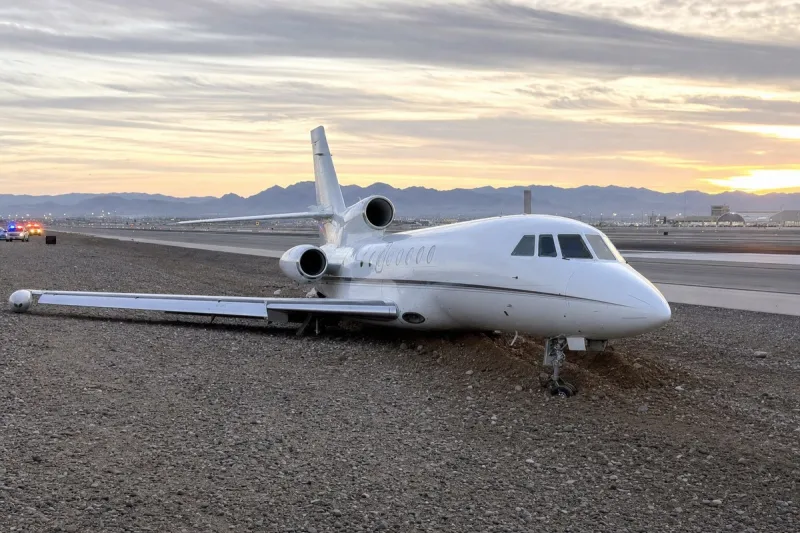
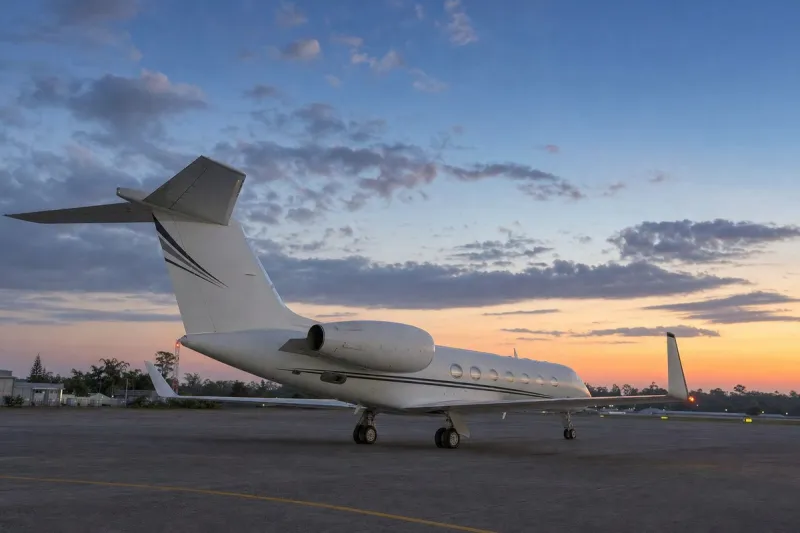
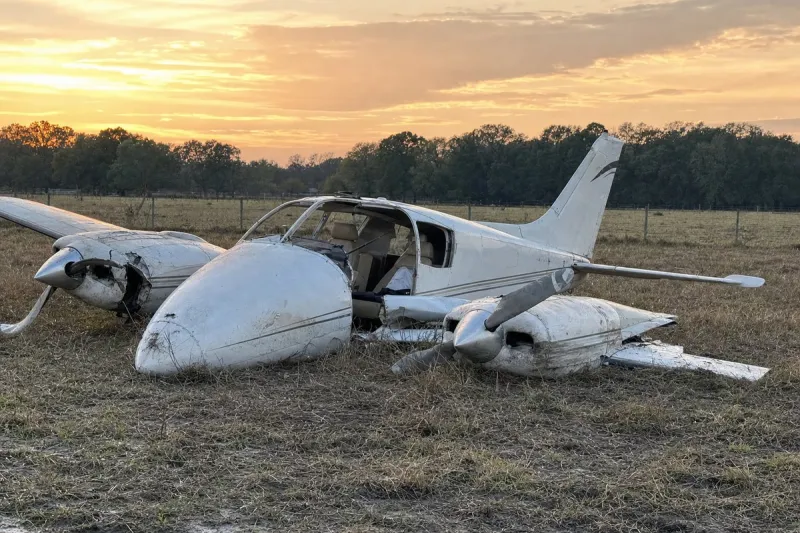
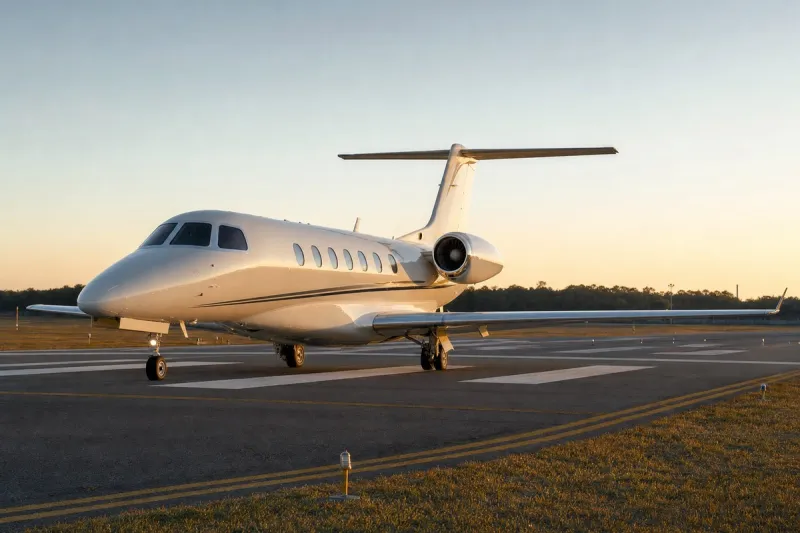
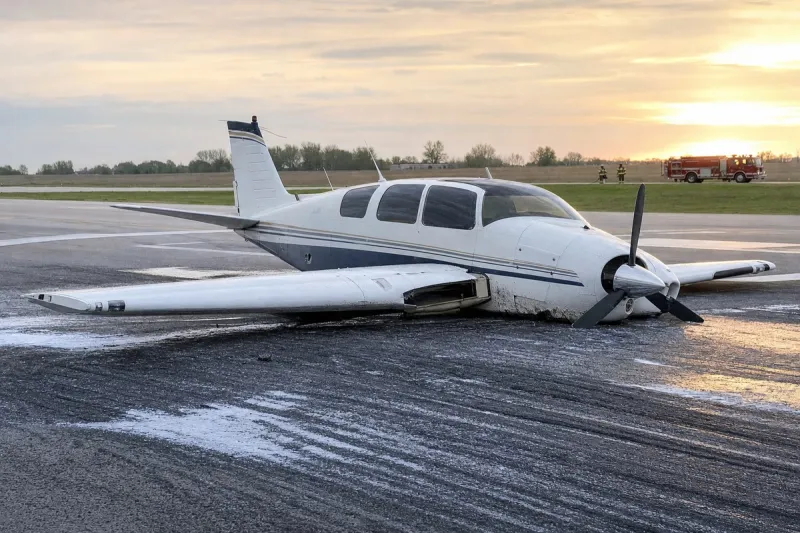
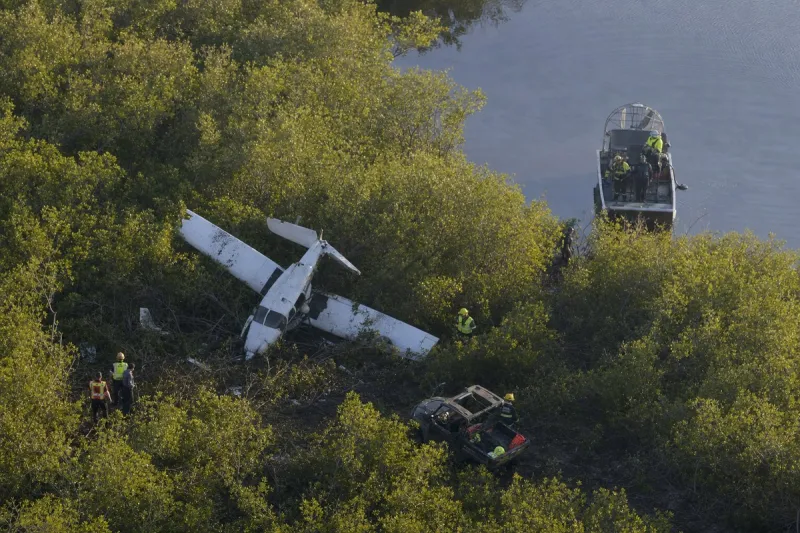
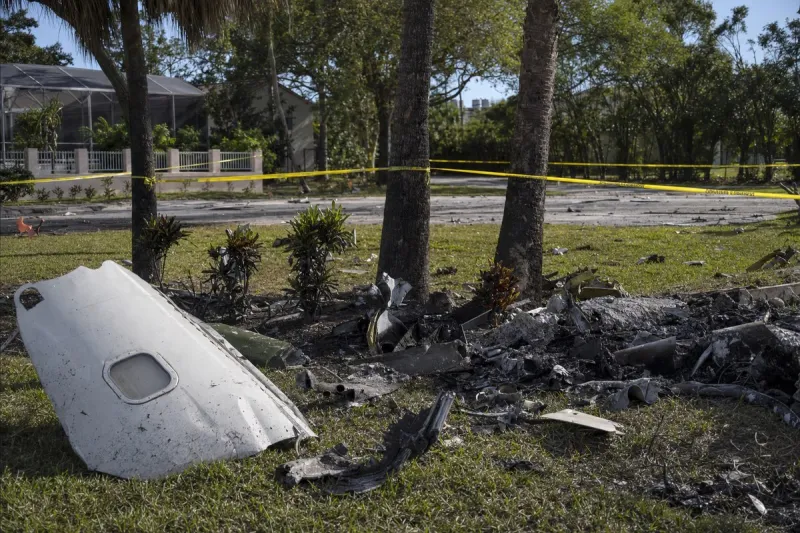
The Learjet crash in Palm Beach, Florida, killed all nine people on board and has drawn public attention to regulatory standards for private aircraft in the United States. Private flights make up a small share of U.S. civilian air traffic, and federal safety requirements for them are less stringent than those for conventional airlines. The Federal Aviation Administration (FAA) applies different regulations and certifications to commercial and private aircraft, including different rules on pilot training and aircraft maintenance.
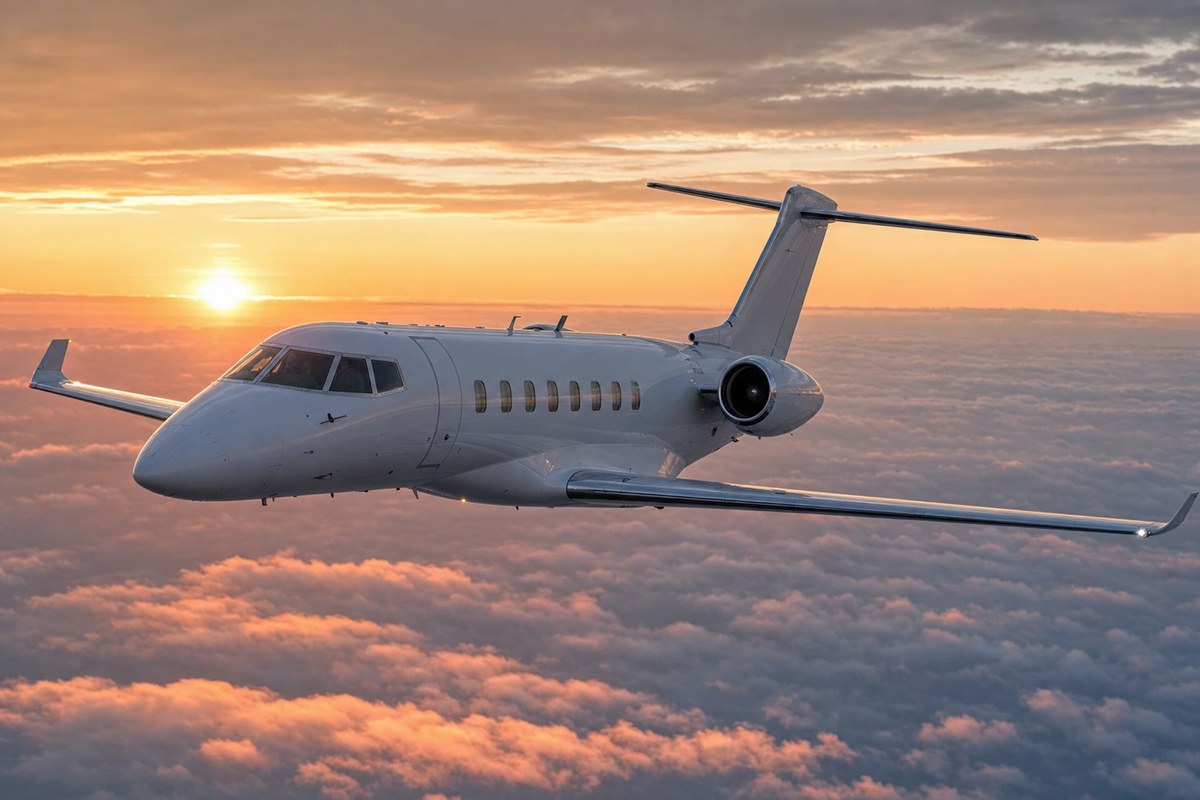
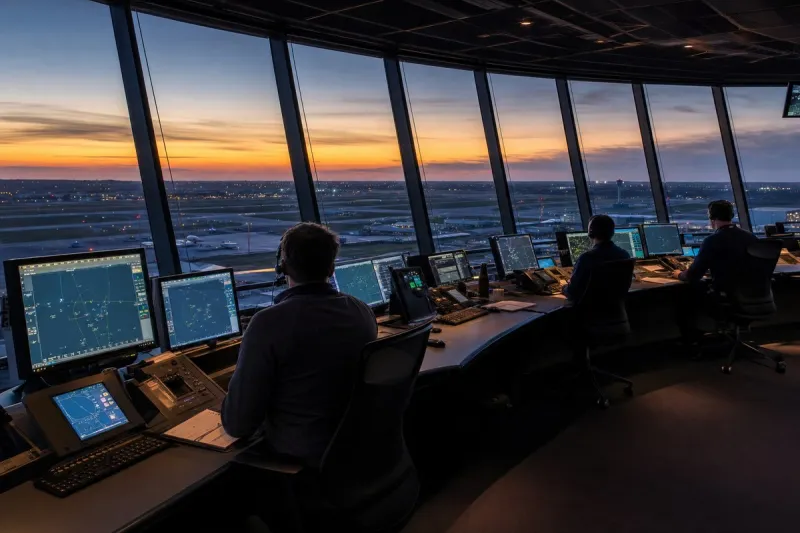
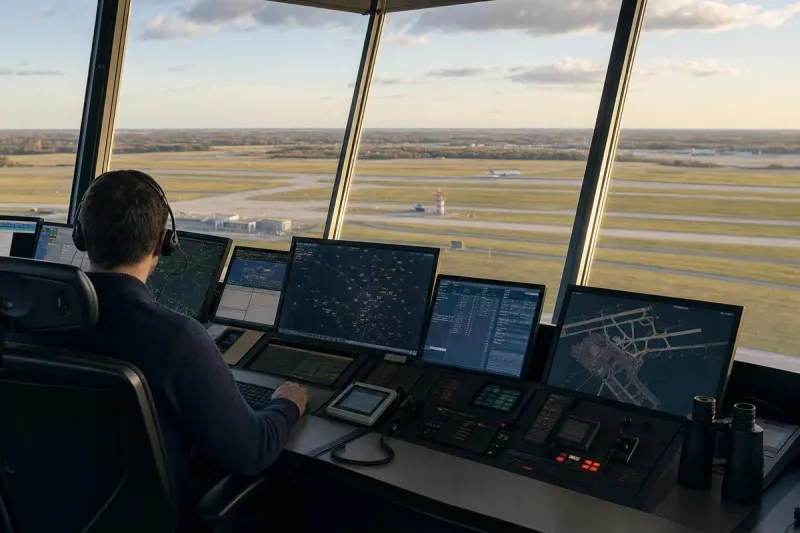
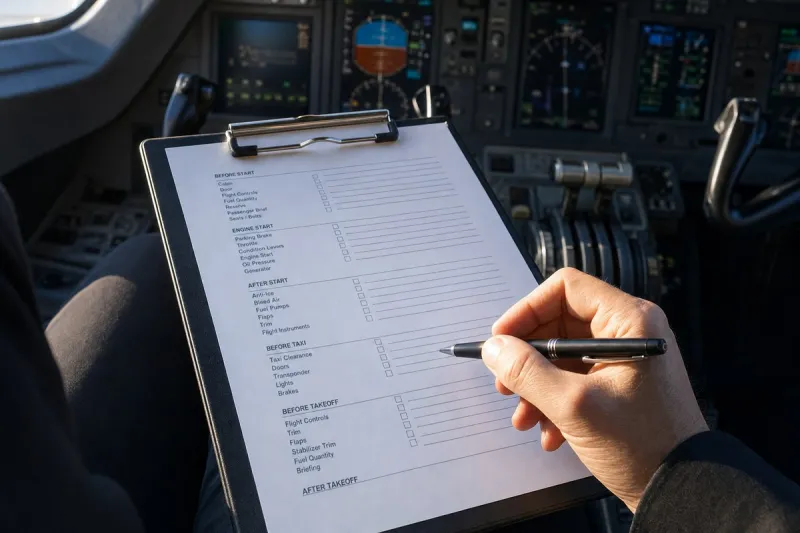
On flight dispatch, the National Transportation Safety Board (NTSB) has recommended that the FAA require most private flights to use properly trained flight dispatchers, but current rules do not mandate this. The FAA suggests that private operators name those responsible for flight operations in a manual. Former NTSB senior investigator Greg Feith said that at airlines, decisions are made jointly by dispatchers and flight crews, while at private jet operators pilots assess factors such as weather and decide whether to fly. In the November 1 accident, investigators are trying to determine why the flight ended as it did.
On pilot qualifications, airline pilots typically must log 1,500 flight hours, a requirement some politicians and aviation officials dispute. For private flights, pilots can generally obtain a co-pilot's license with at least 250 hours, and need 500-1,200 hours to serve as captain, depending on flight conditions. Airline pilots face a mandatory retirement age of 65, while private pilots have no maximum age but must keep FAA medical certification and pass certain tests. Former NTSB vice president Bruce Landsberg said this could lead to uneven pilot quality and that financial pressure influences some decisions.
On safety management systems, which let employees report faults without fear of penalty, the requirement is mandatory for major airlines and manufacturers such as Boeing, but the FAA has only recently applied it to private aircraft leasing companies. Except for very small companies, all must complete installation by May 28, 2027.
On recorders, the NTSB said the maintenance history of the Learjet 60 involved in the crash showed it had been fitted with a cockpit voice recorder, but it is unclear whether the device was still aboard at the time. Commercial airlines must carry both a cockpit voice recorder and a flight data recorder, whereas private aircraft need not carry both, depending on seat count and number of engines.
The accident-rate gap
NTSB data indicate that since 2015 the accident rate for privately chartered aircraft has consistently exceeded that of airlines. In 2024 it was five times higher than that of passenger and cargo airlines, which had no fatal accidents that year. The New York Post cited federal statistics suggesting private jets are about 80 times more dangerous than traditional passenger planes.
Air travel nonetheless remains among the safest modes of transport in the U.S. One study found commercial flights are roughly 700 times safer than driving. Nearly 40,000 people died in U.S. road accidents in 2024, and the U.S. Department of Transportation reported that cars accounted for 99% of traffic accident injuries in 2023. Mihhail Berezovski, associate professor at Embry-Riddle Aviation University, said the probability of death per commercial flight is far lower than for activities such as skiing, scuba diving, marathon running and skydiving.
Industry impact & what to watch
The Palm Beach accident lands on a segment where the safety architecture is assembled differently from the airline model. Dispatch, crew experience, recorder fitment and safety reporting are each handled by lighter or optional requirements, and in private operations much of the go/no-go judgement sits with the pilot rather than being shared with a dispatcher. A single fatal event tends to expose those seams all at once, which is why attention moves from one aircraft to the rule set around it.
The comparison also cuts the other way. Airline operations are the benchmark, but private and charter flying is a different risk product with different economics, and the gap in accident rates reflects structure as much as individual behaviour. For charter buyers and the operators serving them, the practical read is that standards above the regulatory minimum, such as dispatch support, safety management systems and recorder fit, are where operators differentiate themselves.
The next dated milestone is the May 28, 2027 deadline for safety management system installation among private aircraft leasing companies. On the accident itself, the open items are the investigators' determination of why the flight ended as it did and whether the Learjet 60's cockpit voice recorder was still aboard.