House Aviation Subcommittee Cancels FAA Chief Bedford Hearing as Controller Back Pay Delayed to January 2027
Why It MattersPostponed oversight alongside a delayed controller payout shows that modernization funding, workforce pay and staffing are tied together, and unresolved controller grievances can undercut confidence in large infrastructure programs.
What happened
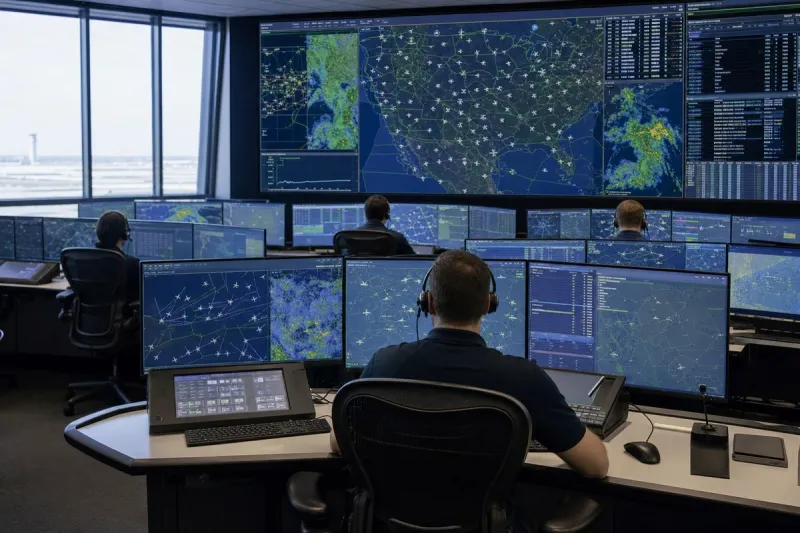
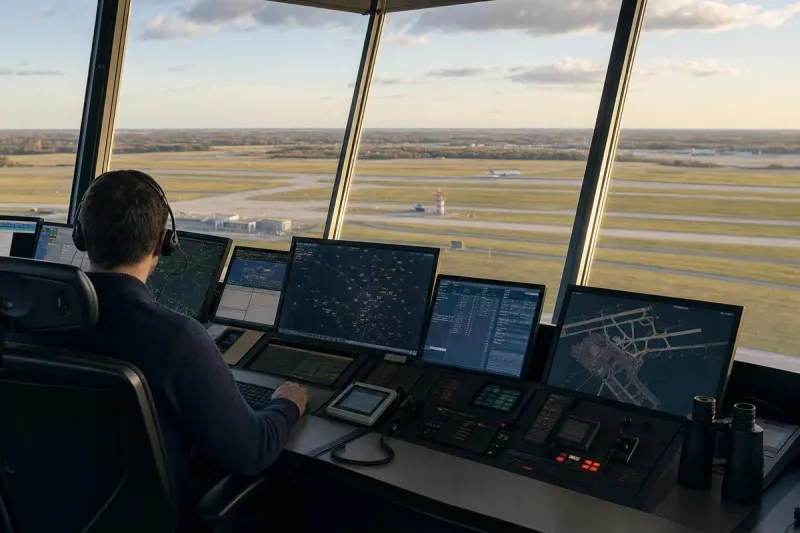
The House Transportation and Infrastructure Subcommittee on Aviation canceled a hearing with FAA Administrator Bryan Bedford less than 24 hours before his scheduled Tuesday appearance, according to the committee. The Washington Examiner reported that the hearing was set to examine the FAA's $12.5 billion air traffic-control modernization program, as the agency and the Transportation Department sought another $30 billion from Congress. Bedford also faced unresolved questions about controller pay and staffing.

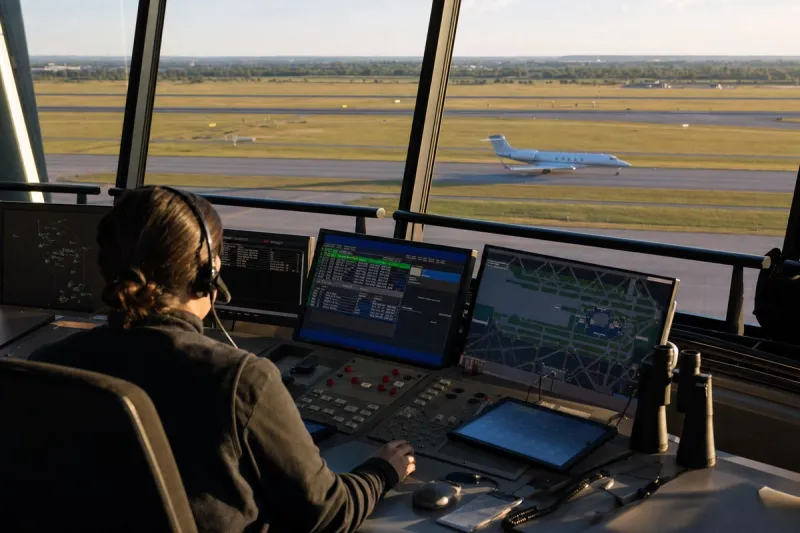
At a September hearing, Democratic lawmakers asked why about 11,000 certified air traffic controllers had not received a 2.8% raise that Congress funded in April. Bedford had said in August that the raise was being held until FAA leaders could "unlock more productivity" from controllers. The FAA and the National Air Traffic Controllers Association later agreed to apply the raise to future pay and provide back pay dating to Jan. 11. Union President Nick Daniels told members in October that the raise would reach payroll Nov. 5.
More than two dozen controllers subsequently told the Examiner that roughly 10 months of back pay had not arrived. In an Oct. 30 message, the union said the FAA began processing the raise Nov. 2 and that employees would not receive the money until January 2027. It attributed the delay to about 83,000 entries that had to be made manually in the agency's data system. Union members blamed both the FAA and their union, saying they had not been clearly warned that everyone would not be paid Nov. 5. Anonymous controllers described practical costs from the delay.
Industry impact & what to watch
Two threads that Congress had intended to examine together now sit apart: a $12.5 billion modernization program with a further $30 billion request attached, and a workforce that has waited most of a year for a raise Congress funded in April. Large infrastructure spending depends on the people who run the system, so a pay dispute left unresolved becomes part of the case lawmakers weigh when asked for more money.
A manual process involving about 83,000 entries also illustrates how much of the agency's administrative backbone still depends on hand entry, which sits uneasily beside a program meant to modernize the air traffic system.
The next markers are a rescheduled hearing with Bedford and whether controllers see the back pay in January 2027 as the union has told them.