Global Airlines Placed Into Compulsory Liquidation by UK Court; Sole Airbus A380 9H-GLOBL Faces Sale
Why It MattersThe failure shows how a start-up airline built on one wet-leased widebody carries no balance-sheet cushion once creditors turn, and how a stored superjumbo's resale value depends on a heavy maintenance bill.
What happened
The Gazette has given official notice that Global Airlines has been placed into compulsory liquidation through a winding-up order. The order was made on November 4 but was only confirmed in the official public record now.
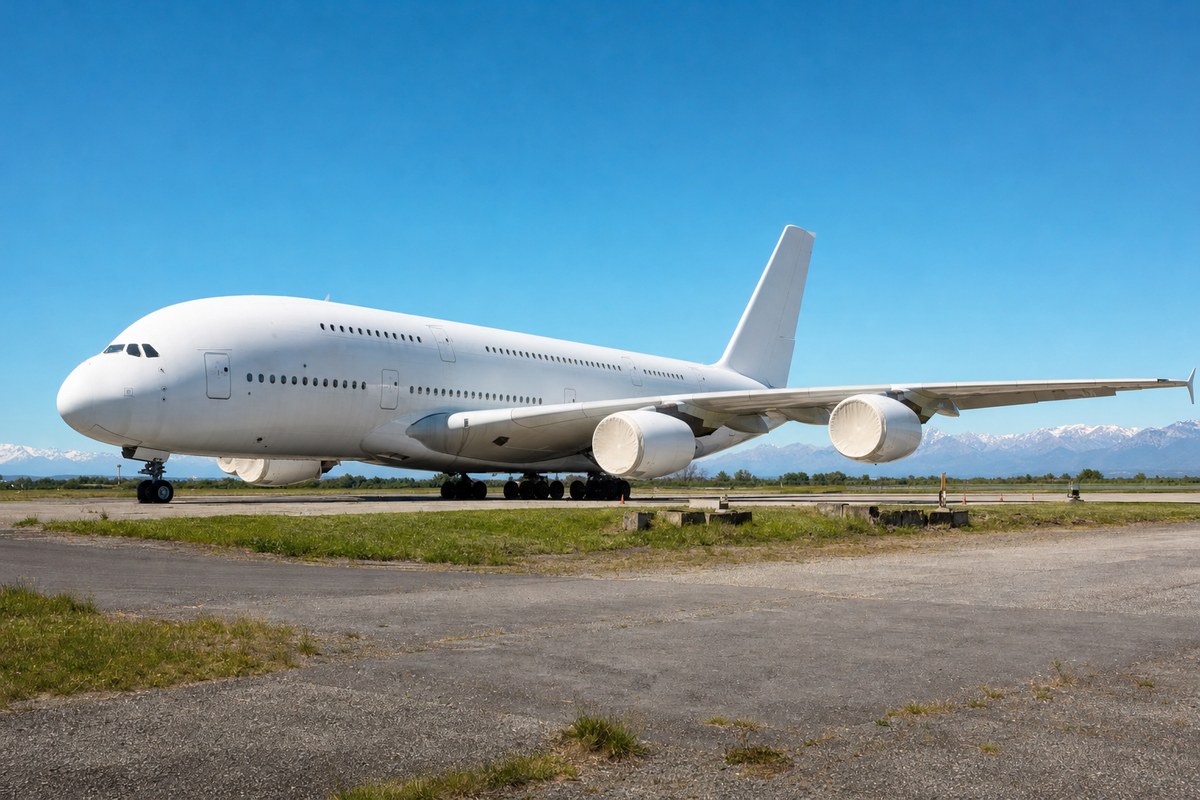
The airline's main asset is its single Airbus A380, registration 9H-GLOBL, which has been in long-term storage at Tarbes-Lourdes-Pyrénées Airport (LDE) since July 2025. The aircraft joined the fleet in January 2024 and was operated for a short time under a wet lease from Hi Fly Malta, flying a small number of charter flights between the UK and New York. It is expected to be sold by court-appointed liquidators.
A petition was brought against Global Airlines by creditors who say the company could not pay its debts, and several hearings were held, the most recent in October. Supporting creditors included Tom Stokely and Prashant Uttamchandani, both former Global Airlines directors, who were represented by the law firm Katten Muchin Rosenman and secured the winding-up order. An official receiver is expected to be assigned to sell the company's assets. James Asquith remains a director of Global Airlines.
The airline had planned flights to the Maldives, Toronto, Vancouver and Mexico City, with UK–Maldives flights the most publicized plan. It also hoped to grow its fleet; in 2025 it applied its livery to an Airbus A340 operated by Hi-Fly, but only for promotional purposes, and it never came close to owning a second aircraft. Simple Flying has contacted Global Airlines for comment.
How compulsory liquidation proceeds
Under UK law, individuals can petition the courts to liquidate a company that cannot pay its debts. Once an order is made, directors lose control of the company and the official receiver investigates its finances.
Assets are then secured, creditors are invited to submit claims, employees are dismissed with their entitlements calculated, and the assets are sold with the proceeds distributed among those owed money.
Industry impact & what to watch
Global Airlines was a one-aircraft carrier with a stated route ambition far larger than its fleet. Its only real asset was a single widebody, and that asset sat on the ground for months before the court acted. Start-up airlines built on one leased or lightly financed aircraft have no second asset to fall back on when creditors press, and the liquidation outcome here is largely a function of what that one aircraft can fetch.
That is where the A380 matters. The aircraft has been stored at LDE since July 2025 while awaiting an expensive, mandatory 12-year D-check, a cost any buyer would have to absorb before operating it. Heavy-check liability is therefore likely to weigh on the price liquidators can achieve, and it limits the pool of plausible buyers to parties with the appetite and capital for a superjumbo return to service.
The next dated step is the appointment of an official receiver and the start of the asset sale. How the A380 is marketed, and at what price against the creditor claims, will show whether a stored, check-due superjumbo still carries meaningful value in the secondary market.