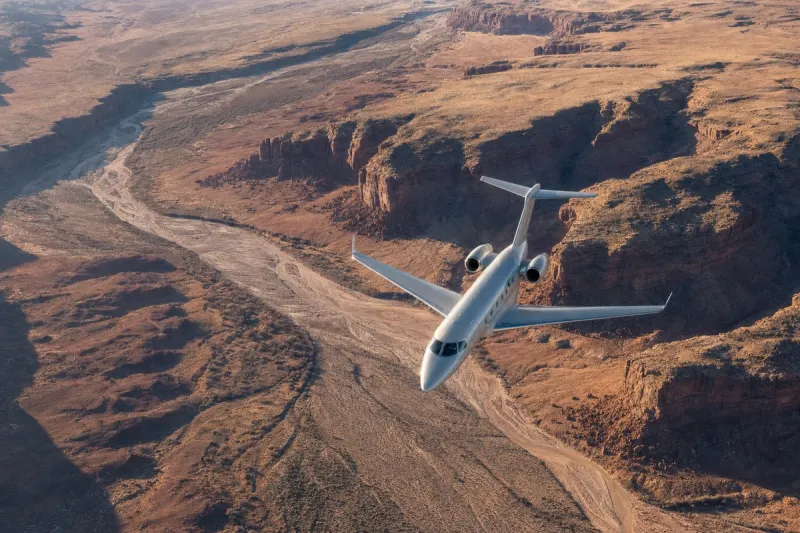
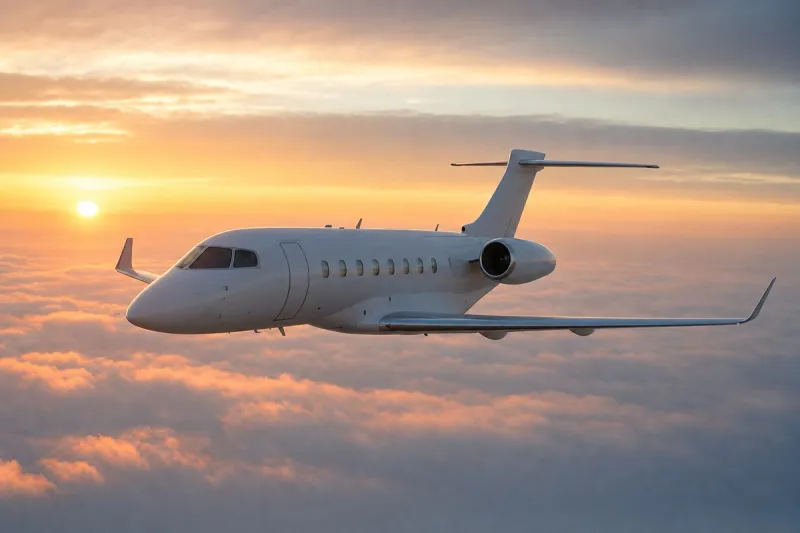
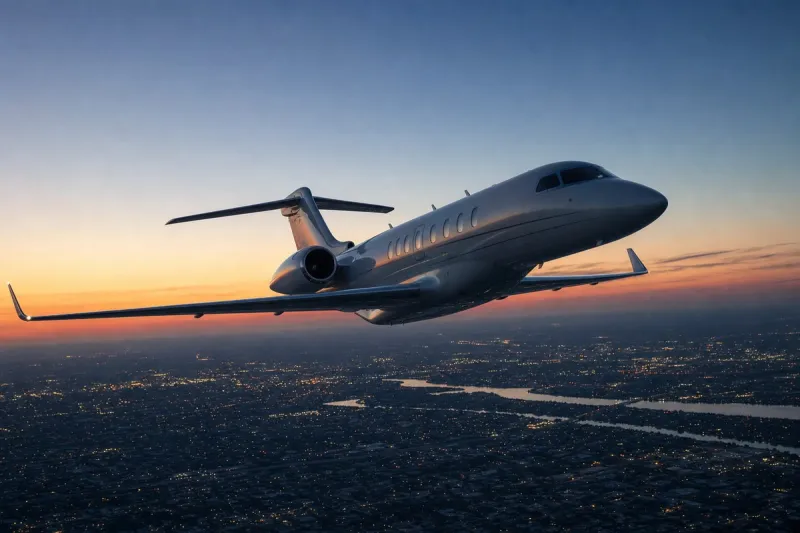
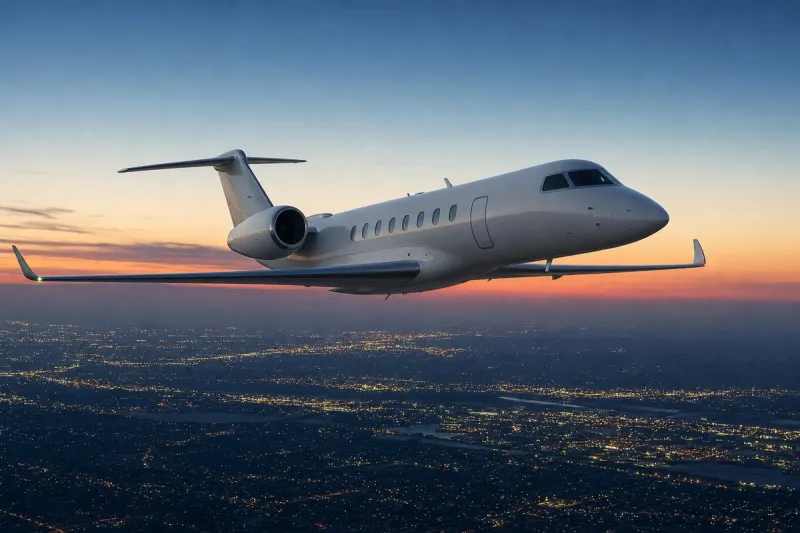
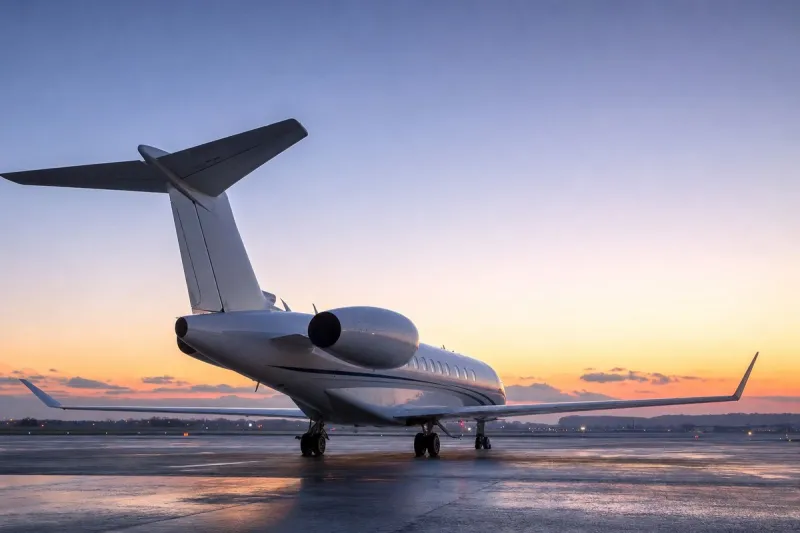
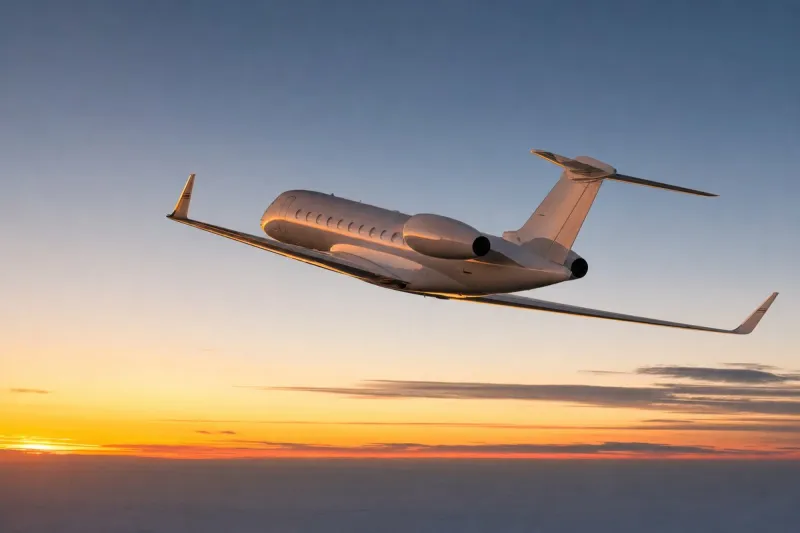
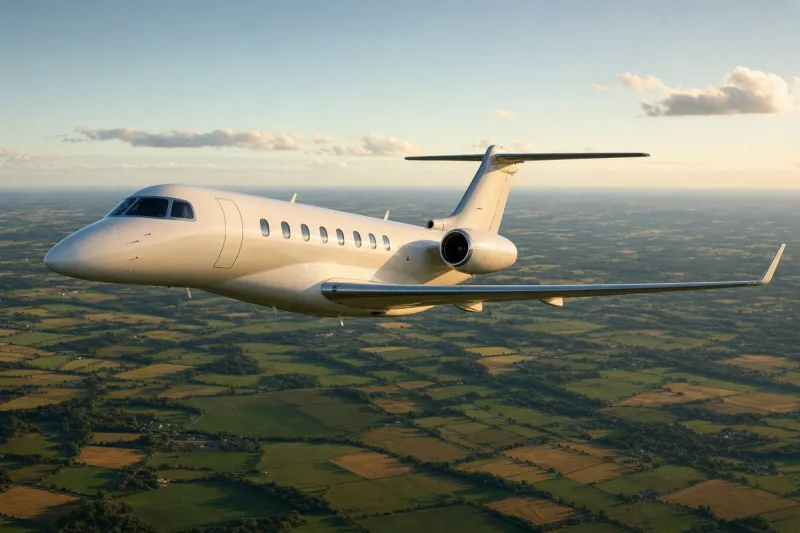
Bombardier Global 7500 Marks Seven Years in Service as Successor Global 8000 Enters Service
Why It MattersA one-week service-bulletin path from the 7500 to 8000 configuration shows how a manufacturer can keep an installed ultra-long-range fleet current without forcing owners into new-build purchases.
What happened
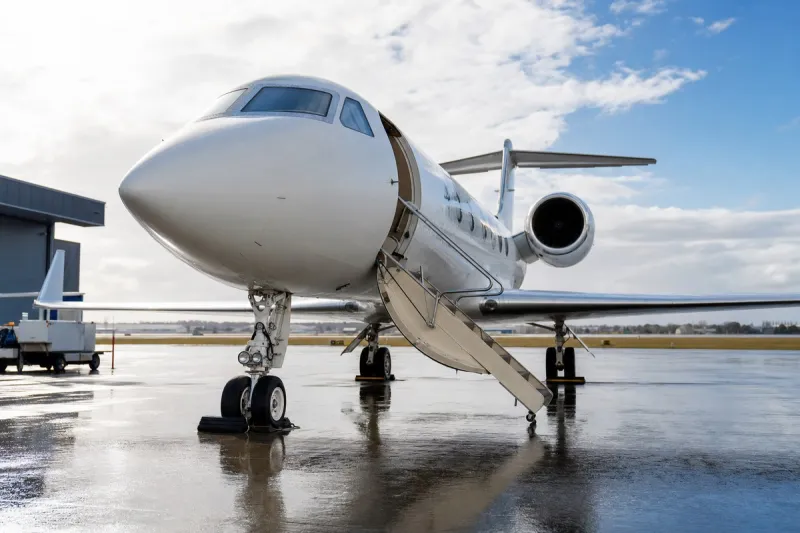
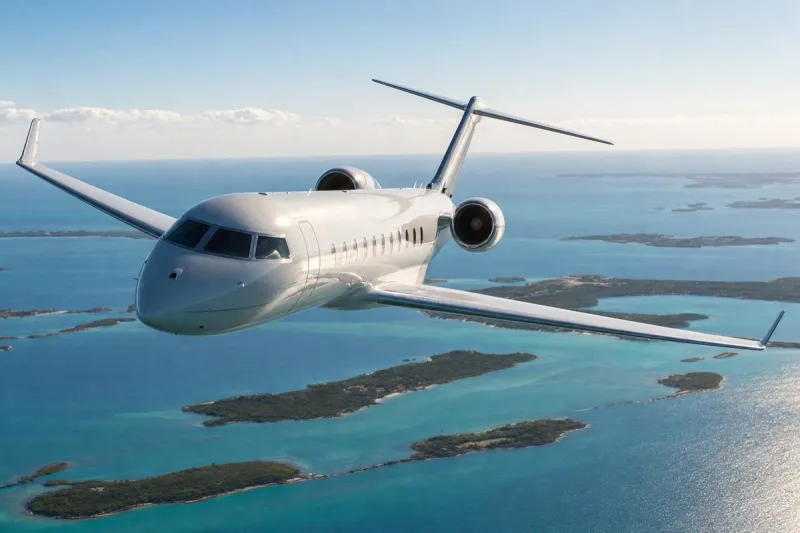
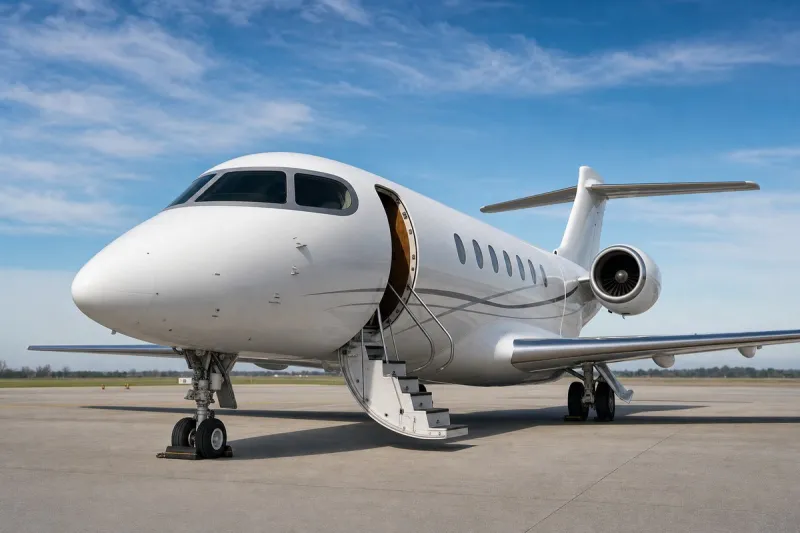
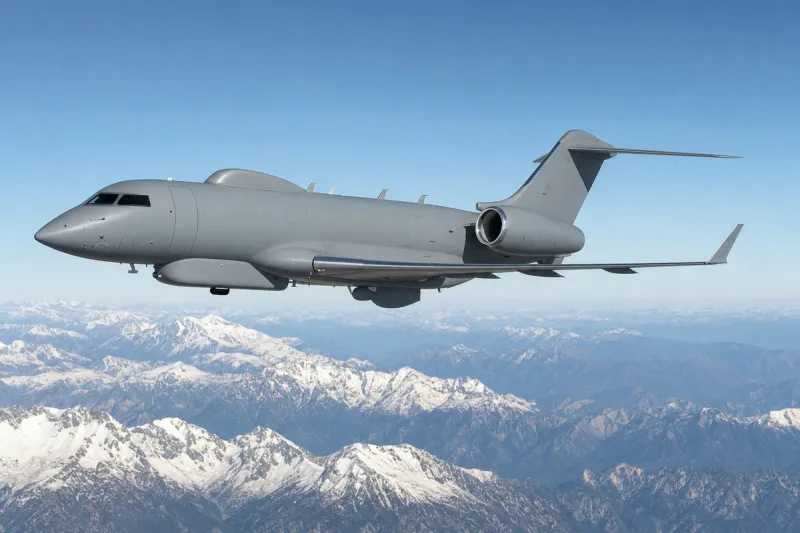
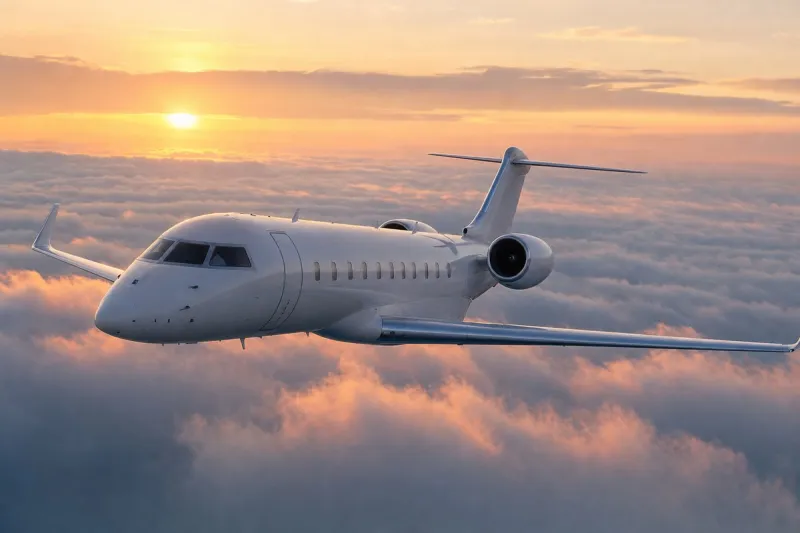
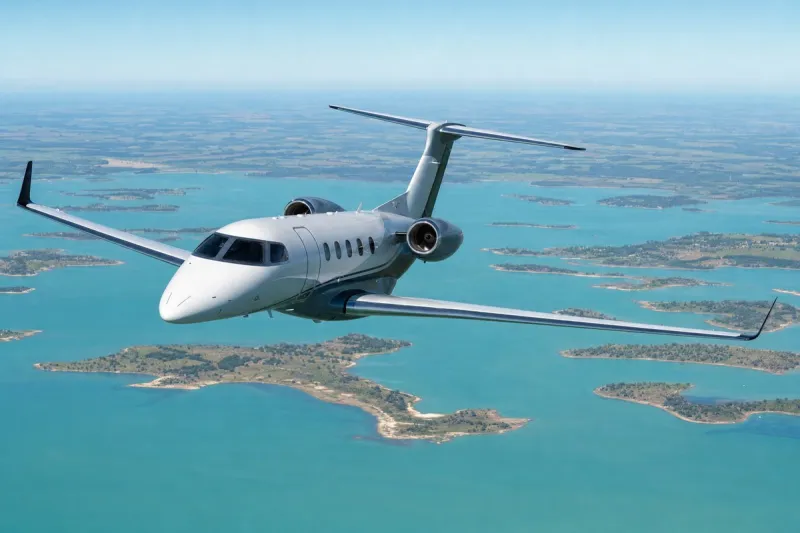
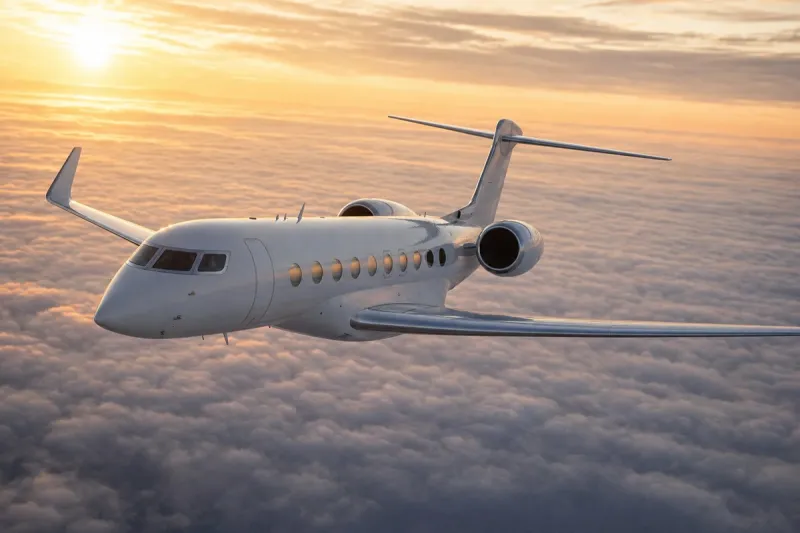
The Bombardier Global 7500 entered service in December 2018 as the largest and longest-range purpose-built business jet delivered at that time. In 2019, one flew from Singapore to Tucson, Arizona, more than 8,000 nautical miles without stopping, setting a business-aviation distance record.
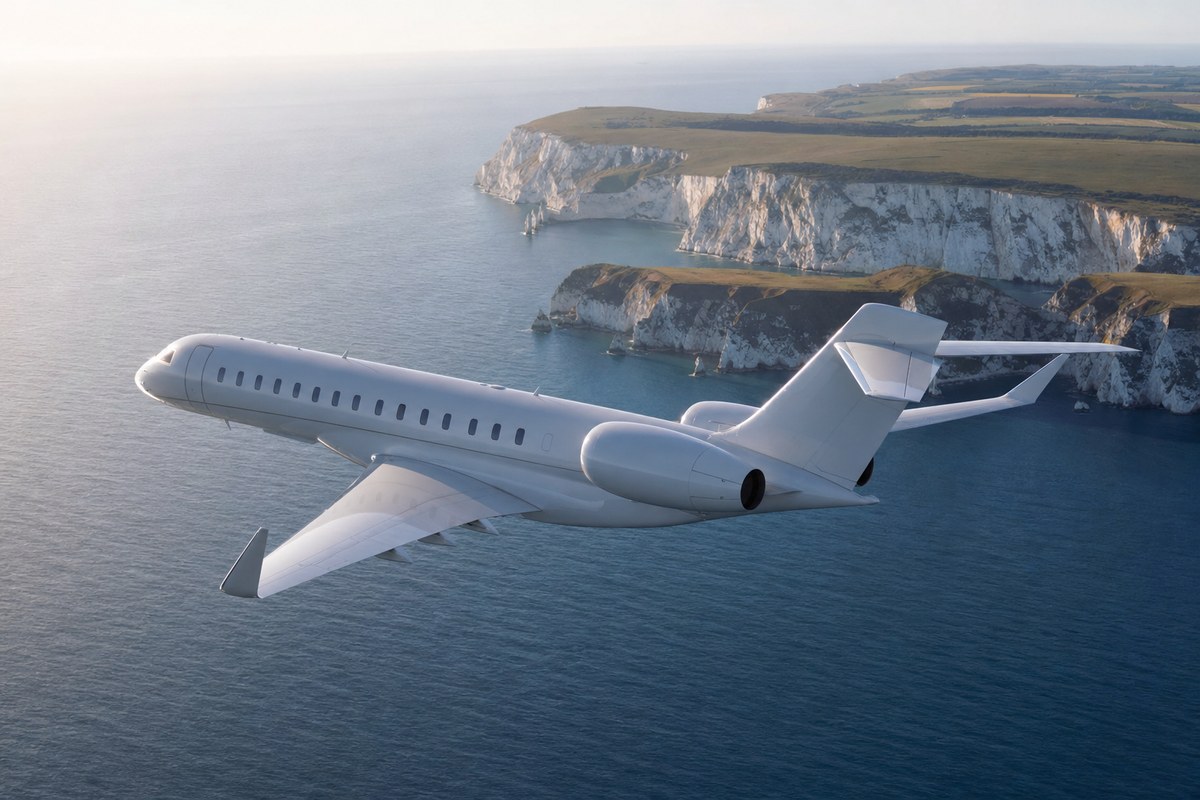
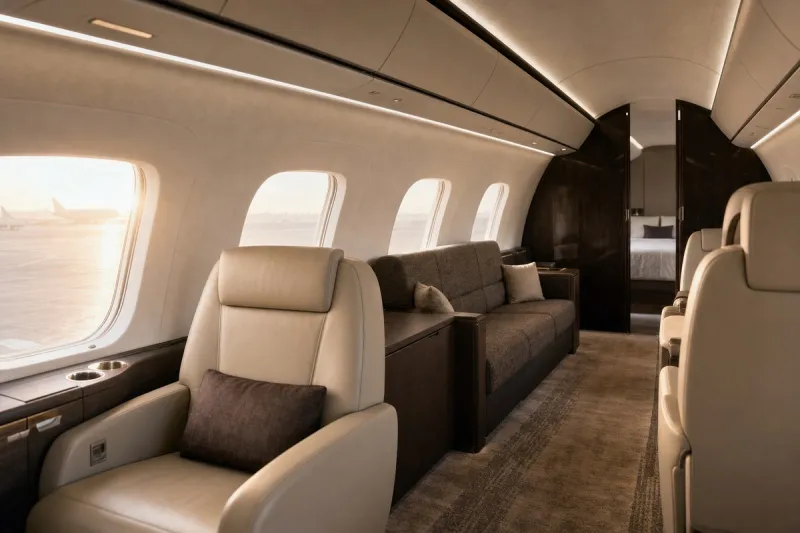
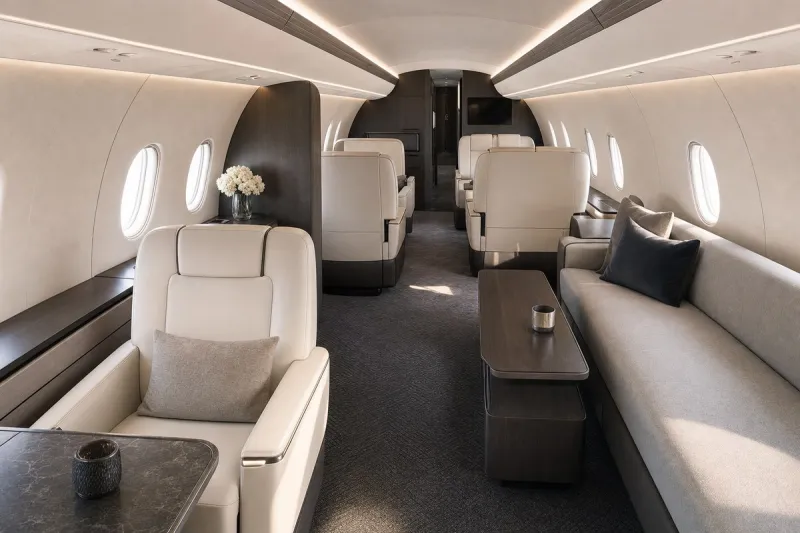
The aircraft's certified range is 7,700 nautical miles at Mach 0.85, with a top speed of Mach 0.925. Its 54-foot cabin is divided into four living zones: a club suite, a conference and dining suite, an entertainment suite, and a rear stateroom with an available full-size bed and en-suite shower. It seats up to 19, with typical configurations of 13 to 17. Features include the in-house developed Nuage seat and the Smooth Flĕx Wing. NetJets made Global aircraft a cornerstone of its long-range offering.
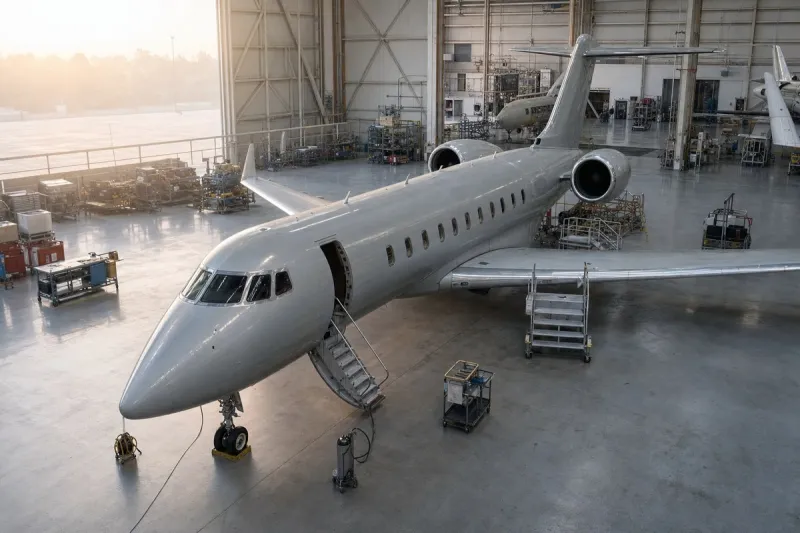
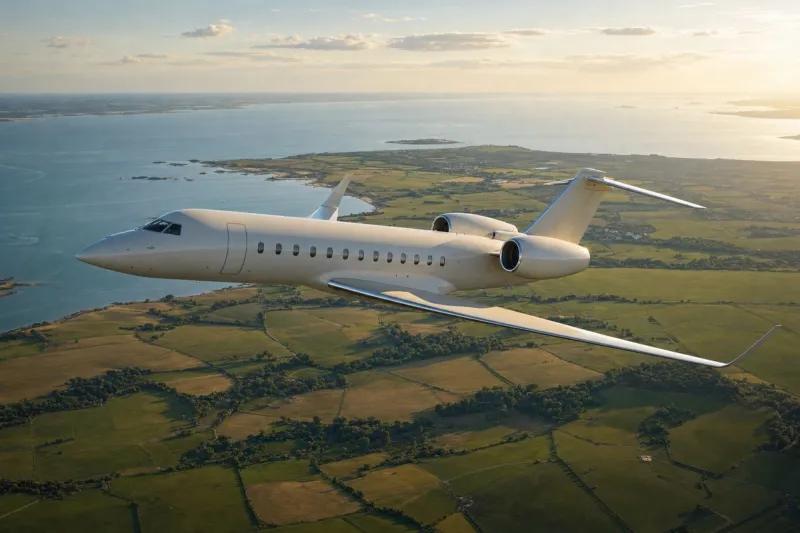
Bombardier's successor, the Global 8000, entered service in December 2025 with NetJets as a fleet launch customer. It keeps the 7500's fuselage and four-zone cabin but extends range to 8,000 nautical miles, raises maximum speed to Mach 0.95 and lowers cabin altitude. Bombardier offers existing 7500 aircraft a service-bulletin upgrade to 8000 configuration, taking roughly one week.
A new Global 7500 listed in the high-$70 million range in its later production years, while a new Global 8000 lists at $78–82 million. The Gulfstream G700 offers a wider, longer cabin and a 7,750 nautical mile range, while the 7500 has a slightly higher top speed.
Industry impact & what to watch
The 7500 and 8000 share a fuselage and a four-zone cabin, and the difference lies in range, speed and cabin altitude. In the ultra-long-range segment that matters for how aircraft hold value: when a successor is largely the same airframe, an existing aircraft can be brought close to current specification through a modification rather than a replacement. The roughly one-week upgrade Bombardier offers is the mechanism that keeps 7500 owners and fleet operators within reach of 8000 performance.
The pricing the material gives frames that choice. A late-production new 7500 listed in the high-$70 million range and a new 8000 lists at $78–82 million, so the two new-build prices sit close together. For a buyer, the practical comparison is therefore between aircraft of similar list price that differ in range and speed, and between a new 8000 and an upgraded 7500, not simply between old and new.
The competitive reference point in the material is the Gulfstream G700, which trades a wider, longer cabin and a 7,750 nautical mile range against the 7500's slightly higher top speed. The 8000's stated 8,000 nautical miles and Mach 0.95 move Bombardier's figures on both range and speed, and the next dated markers worth following are further 8000 deliveries following NetJets' fleet launch.