Canada's Budget 2026 Outlines Plan for 40- to 50-Year Airport Operating Concessions at Four Major Airports
Why It MattersMoving from not-for-profit airport authorities to concession operators would shift Canadian airport capital from debt and retained surplus toward long-horizon equity, with fee rules and aeronautical charges becoming the contested terms.
What happened
Canada's Budget 2026 sets out in greater detail the federal government's plan to seek private investment in its airports through long-term operating concessions. Prime Minister Mark Carney announced on September 15, 2026, that the government will pursue concessions to operate Toronto Pearson, Vancouver, Montréal-Trudeau and Calgary airports, while retaining ownership of the land and assets.
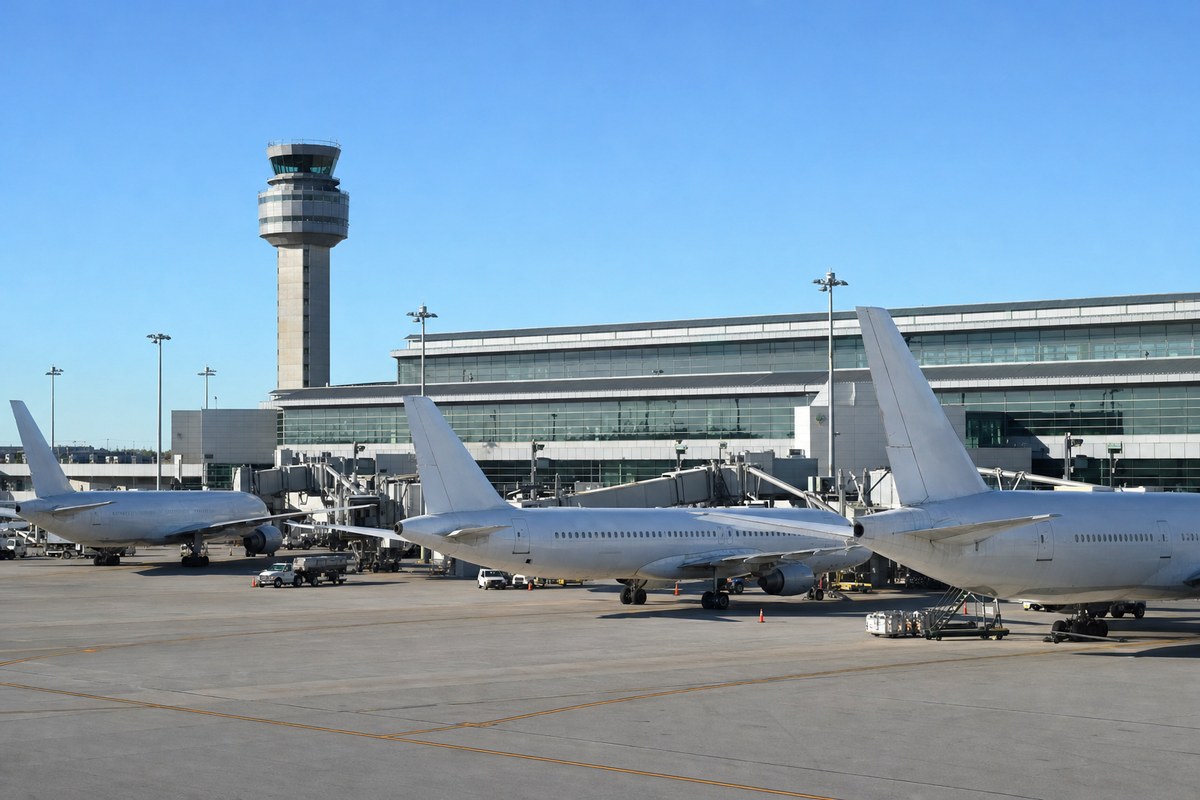
Under the model, experienced investors, such as Canada's pension funds, would operate the airports for 40- to 50-year terms. Operators would be subject to strong oversight, and airport fees would be subject to clear rules to protect travellers. The Canada Strong Fund and local Indigenous communities would receive equity stakes in the concessions, though the size and structure of those stakes remain to be determined.
Budget 2026 proposes to allocate CA$37.6 million over three years to complete due diligence, develop the concession framework, obtain specialized commercial and legal advice, and run a competitive process to select the operator of the first airport operating concession by early 2029. The government also proposes to introduce the legislation needed to implement and establish the concessions. Proceeds would be reinvested to support improvements across the air transportation system, including regional airports, air connections between communities and local transportation infrastructure.
The budget also announces complementary measures. For airports that continue under the existing model, the government intends to adjust the ground rent formula. Smaller airports would benefit from support for new air routes and infrastructure at regional airports and eligibility for the Airports Capital Assistance Program within the National Airports System. New legislation would also improve transparency around airport fees and strengthen performance reporting and governance.
How the current model works
Under the current model, the federal government owns airport land and assets and leases them to not-for-profit airport authorities under long-term ground leases, with rent based on a percentage of gross revenues. The National Airports System, established under the 1994 National Airports Policy, currently comprises 23 airports operated by 21 airport authorities.
Because these authorities are not-for-profit, surpluses are reinvested in the airports. As they cannot issue share capital, debt financing and self-generated revenues have been their main sources of capital.
Industry impact & what to watch
A concession changes who supplies the capital and who is entitled to the return. An authority that cannot issue shares funds terminal and airfield work from debt and its own revenues, and returns its surplus to the airport. A concession holder brings equity and expects a return over a multi-decade term, so the airport's pricing and investment decisions will increasingly be set by that return and by whatever rules cap it. For airlines and business-aviation users, the fee-regulation framework is therefore the part of the plan that determines costs at these four airports.
The four named airports are the largest in the system, so the choice of which goes first will shape the template the others inherit. The terms that carry the most weight are the specific fee-regulation rules, any investment or service-quality commitments imposed on operators, and the size and structure of the Canada Strong Fund and Indigenous equity stakes. The sale of operating rights to investors with long horizons, such as pension funds, also reflects the general logic of airport concessions elsewhere: the owner gets a lump of proceeds while the operator takes on the long-run capital programme.
Several elements are still unresolved: which airport moves first, the content of the implementing legislation, possible amendments to the Aeronautics Act and the Canada Transportation Act, the refinancing of existing airport authority debt, and how and when stakeholder consultations will take place. The next concrete milestone is the competitive process that Budget 2026 funds, which is meant to select the first operator by early 2029.