Grand Forks Council Preliminarily Approves Five-Year Property Tax Incentive for Cirrus Aircraft Expansion
Why It MattersLocal property tax abatements are becoming a standard tool for keeping aircraft manufacturing capacity in place, while the dissent shows that ownership ties can now complicate even routine municipal incentive votes.
What happened
The Grand Forks City Council has preliminarily approved a five-year, 100 percent business property tax incentive for Cirrus Aircraft. The vote passed 6-1.
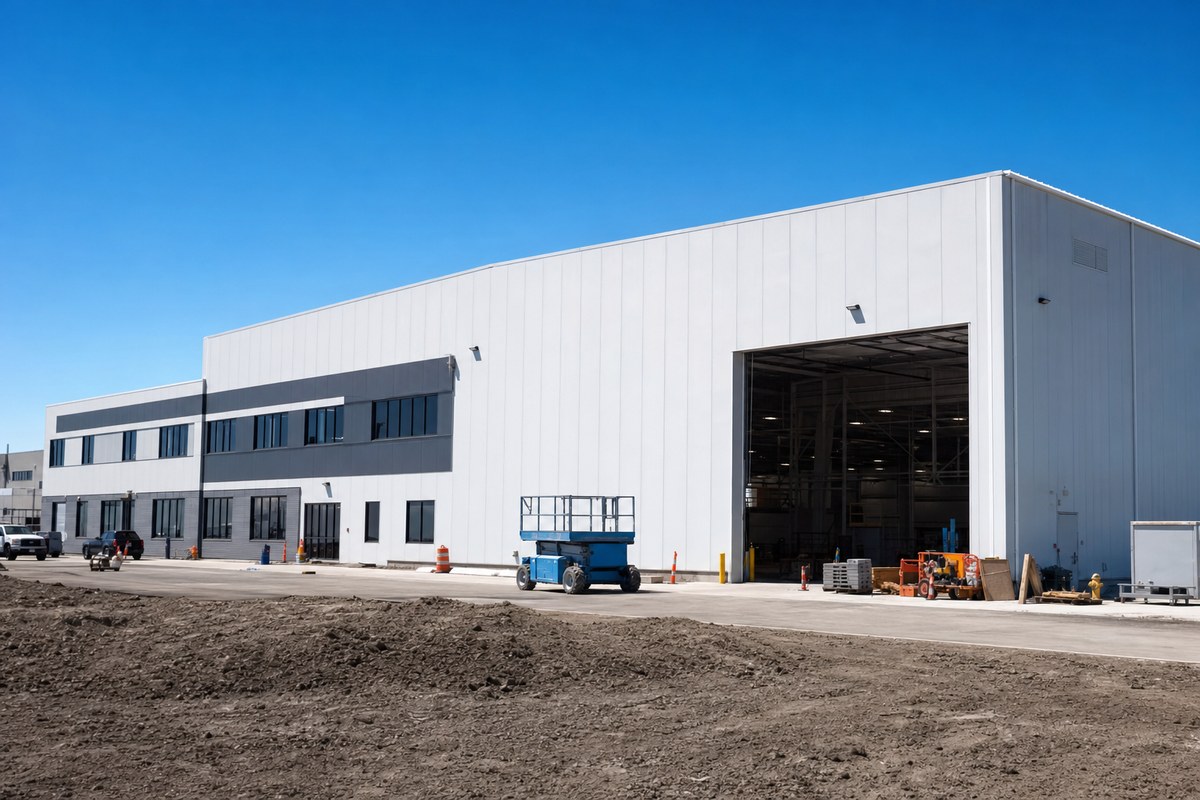
Cirrus plans to proceed with the second phase of an expansion project that includes a 50,000-square-foot expansion and 13 new staff members.
Councilwoman Rebecca Osowski cast the dissenting vote. She said she does not want to give Cirrus tax breaks because of the company's relationship and ties with China, but added that there is more to her vote than that. Last year, the council approved a 10-year, 100 percent tax incentive for an earlier expansion.
Industry impact & what to watch
Property tax abatements of this kind are a common lever local governments use to keep aircraft production capacity in their jurisdiction. A second incentive following a ten-year abatement last year suggests the city treats the Cirrus expansion as a continuing commitment rather than a one-off decision.
The dissent is the more unusual element. A council member linking a tax incentive to a manufacturer's ties with China shows that ownership and international relationships can enter local economic-development votes, even where the project itself is a modest 50,000-square-foot expansion with 13 jobs.
The approval is described as preliminary, so the next step is the council's final action on the incentive. Whether the vote stays at 6-1 at that stage, and whether Osowski spells out the other reasons behind her no vote, are the points that would show how much of the opposition is about Cirrus specifically and how much is about incentive policy generally.