Sheltair Completes $16 Million Hangars 18 and 19 at Orlando Executive Airport, Adding About 65,000 Square Feet
Why It MattersLarge-cabin hangar and MRO-capable space is being added at a secondary business-aviation airport ahead of demand, showing how FBO operators build facilities around anchor tenants and large-cabin aircraft requirements.
What happened
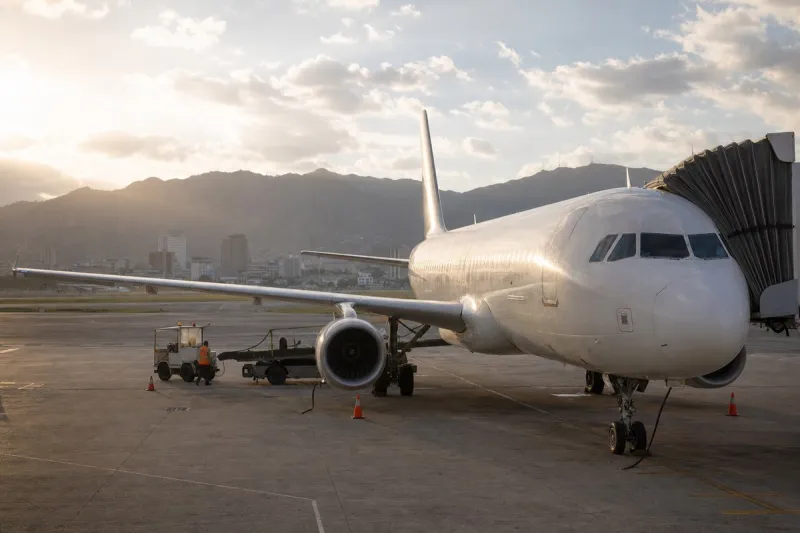
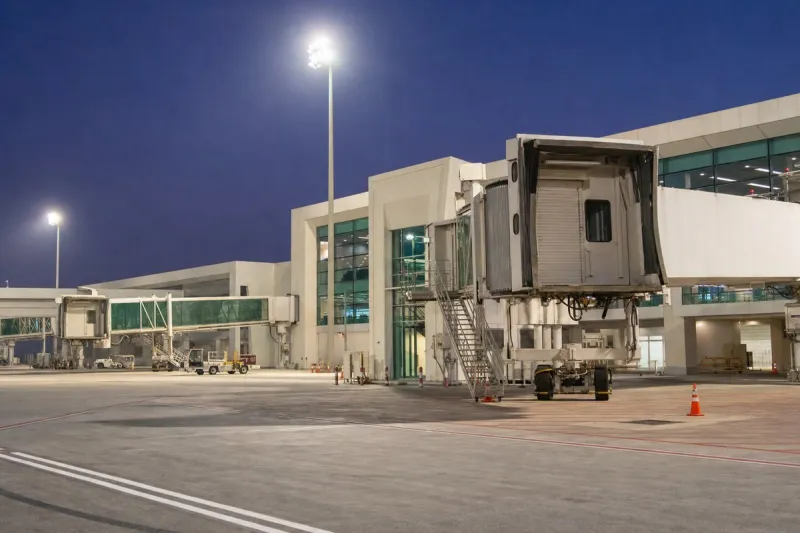
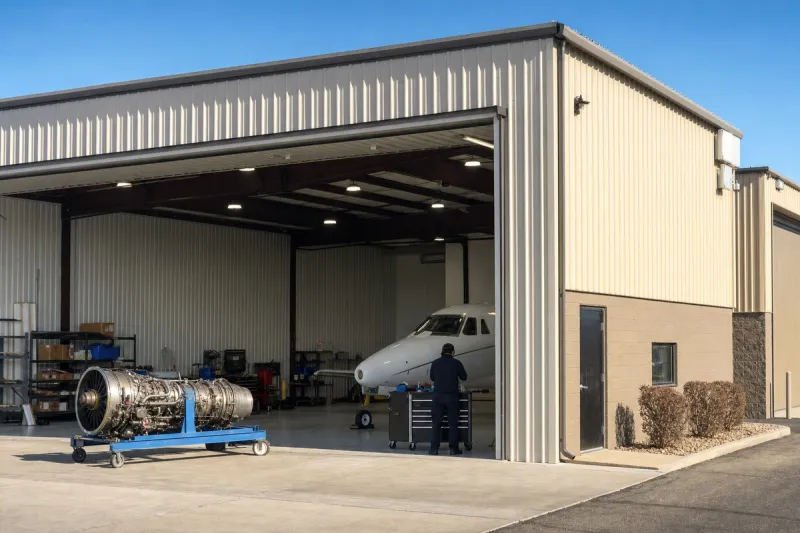
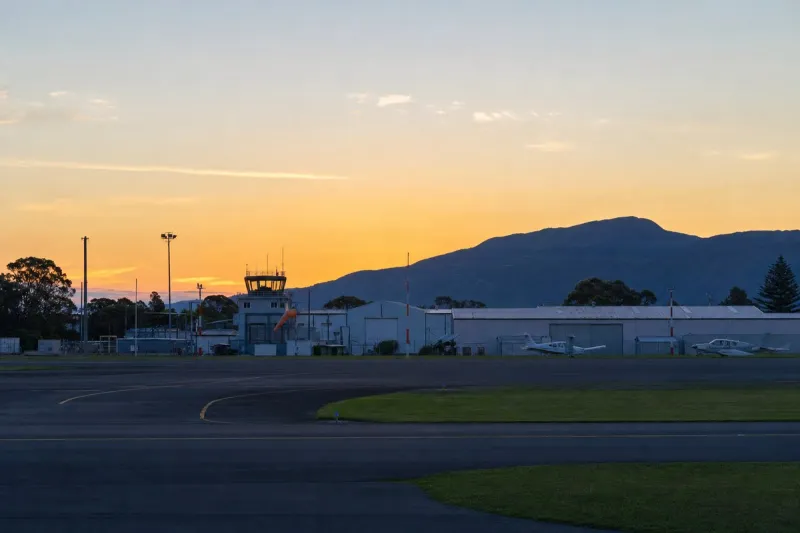
Sheltair, an FBO and aviation facilities development provider, announced on Nov. 12, 2026 that it has completed Hangars 18 and 19 at Orlando Executive Airport (ORL). The project represents an estimated $16 million investment and adds approximately 65,000 square feet of hangar and office space to the company's Orlando campus.
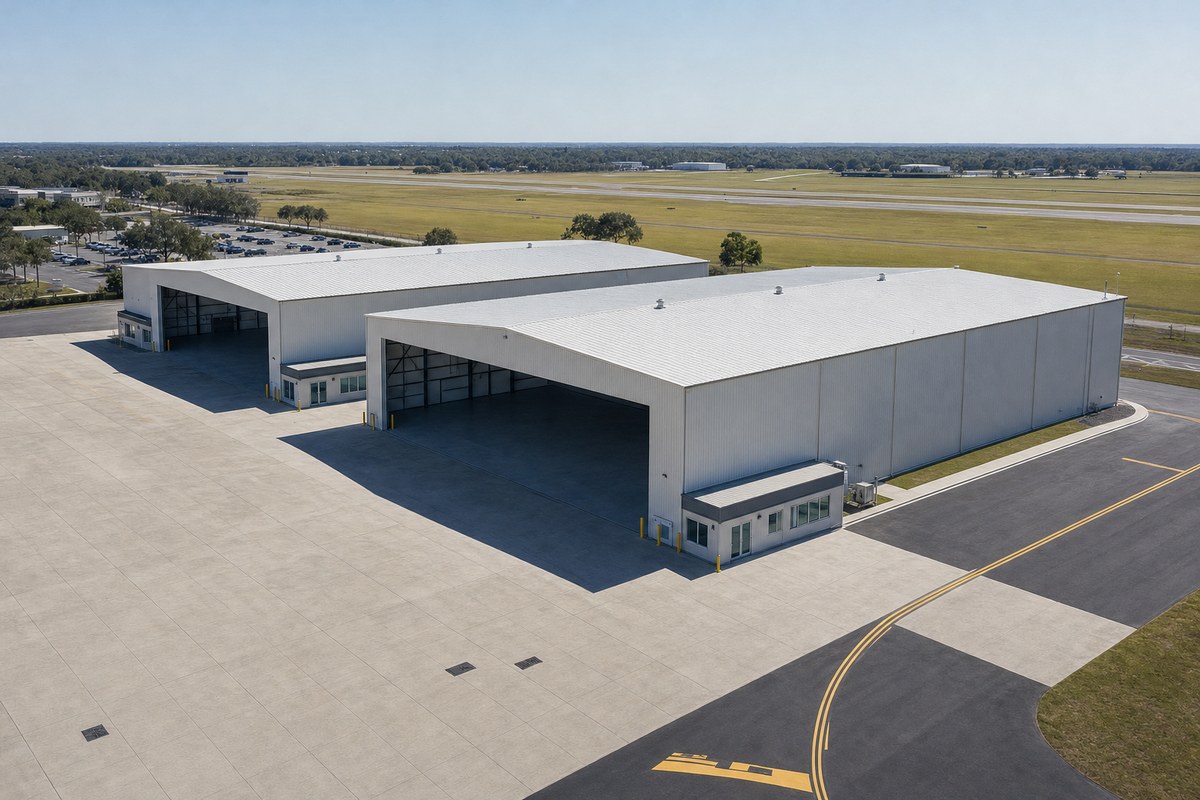
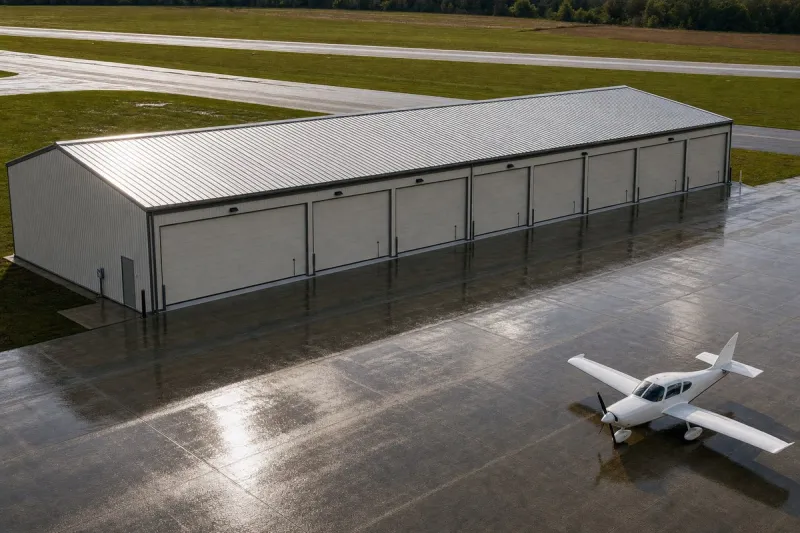
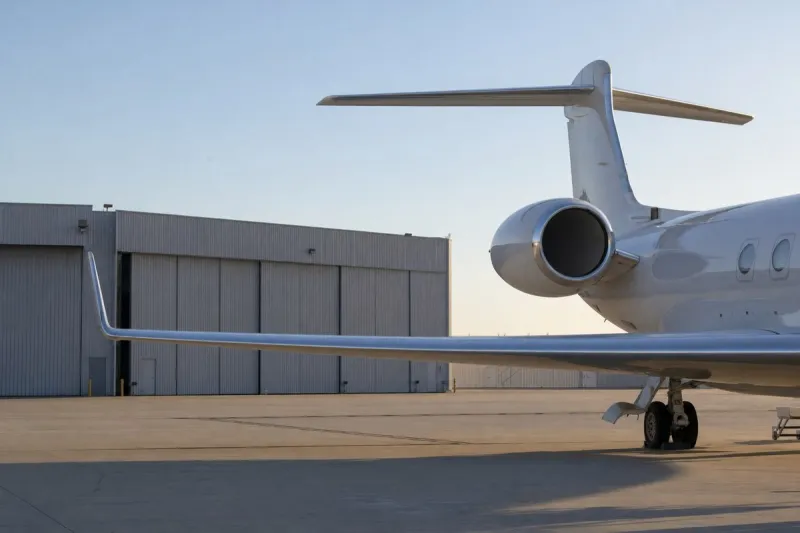
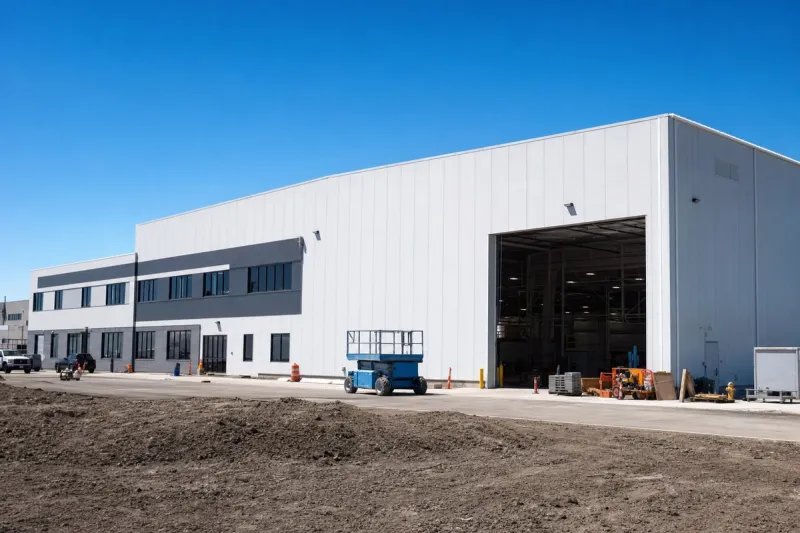
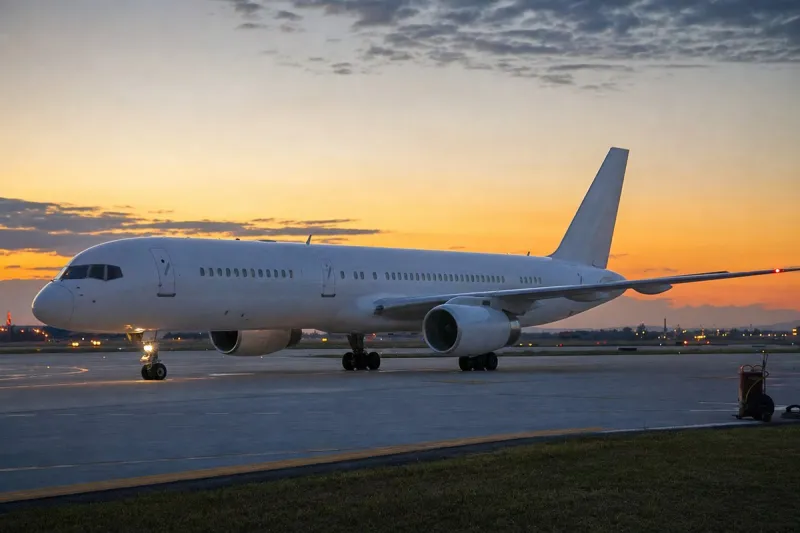
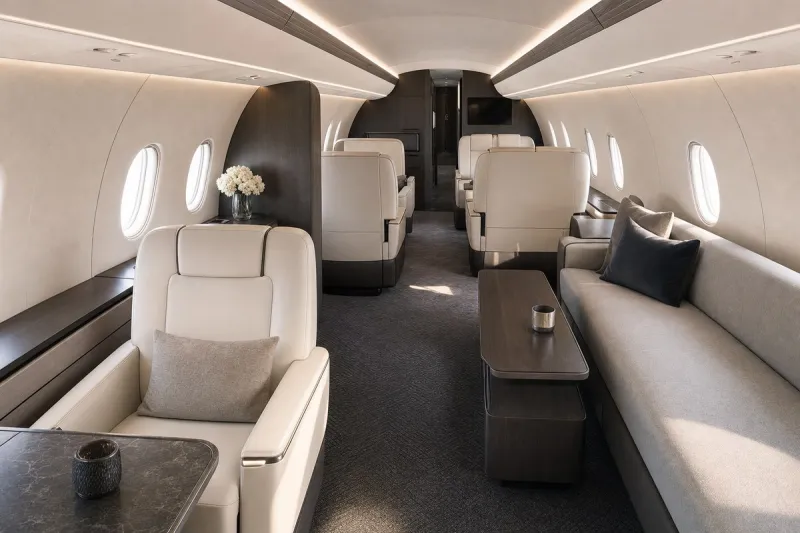
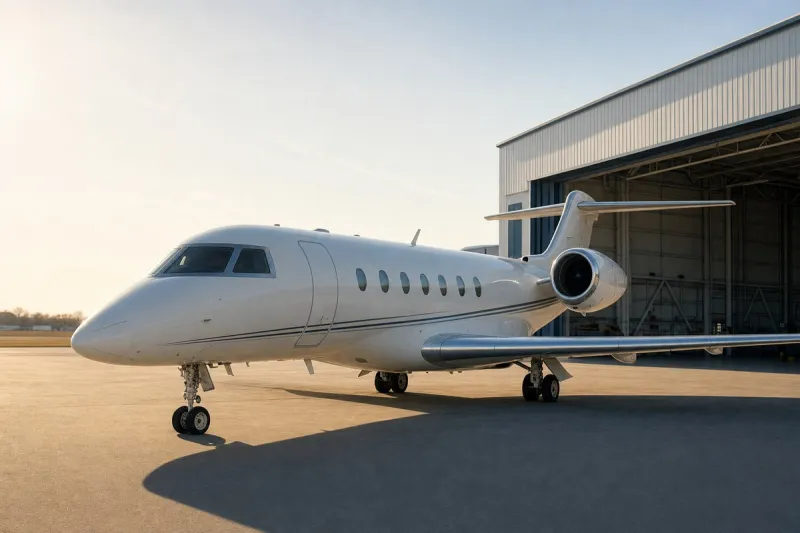
Hangar 18 spans approximately 32,956 square feet and was designed to support Maintenance, Repair and Overhaul operations. Hangar 19 covers approximately 32,504 square feet and provides additional aircraft storage capacity. Both facilities can accommodate large-cabin aircraft, including the Gulfstream G650 and Bombardier Global Express 6000.
With the project complete, Sheltair's total hangar and office inventory at ORL approaches 430,000 square feet. The company has been present at the airport since 2003, has added multiple hangars since then, and completed an executive terminal in 2019.
The new facilities will open with Northern Jet, one of Sheltair ORL's legacy tenants. Tony Sherbert, Senior Vice President of Properties at Sheltair Aviation, said the expansion reflects continued investment in the Orlando area. He described Orlando as a growing business hub and a major tourism hub, and thanked the Greater Orlando Aviation Authority for the partnership.
Sheltair ORL operates as a full-service FBO providing ground support for pilots, passengers and aircraft operators. Founded in 1963 by Jerry Holland and now led by President Lisa Holland, Sheltair describes itself as the nation's largest privately owned aviation network, operating 15 FBOs and more than 4.7 million square feet of aviation-related properties.
Industry impact & what to watch
Hangar space sized for the Gulfstream G650 and Bombardier Global Express 6000 is a deliberate choice about which customers an FBO wants to hold. Large-cabin aircraft need bigger doors, deeper floor plates and more clearance than mid-size jets, so a facility built to that envelope can serve almost any business jet but not the reverse. Pairing one hangar designed for MRO work with one for storage is a common way to spread the fixed cost of a building across two revenue streams.
Opening with an existing tenant already in place is how FBO groups usually de-risk this kind of build. A legacy customer taking space on day one means a share of the new square footage is already earning revenue while the remainder is marketed to transient and based operators. The ground-lease relationship with the airport authority, which Sherbert credited, is the other structural piece: hangar investment at a public airport proceeds only as far as the authority's land and lease terms allow.
The next fact that would show how much of the new space is committed is which operators and maintenance providers move in beyond Northern Jet, and whether the MRO-oriented Hangar 18 attracts a named service provider.