Jasper County Airport completes new eight-unit T-hangar in Rensselaer, Indiana
Why It MattersThe build shows how small public-use airports can turn deferred federal infrastructure allocations into hangar capacity, tying their growth to grant timing and the scarcity of covered aircraft storage.
What happened
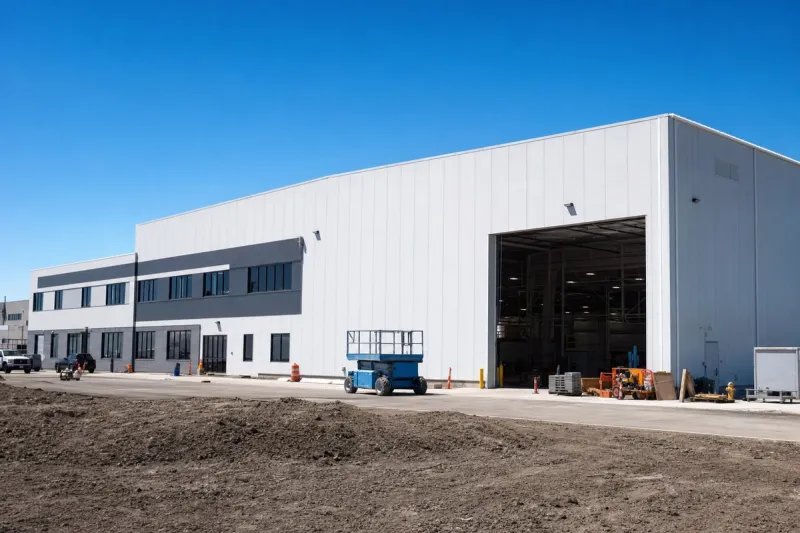
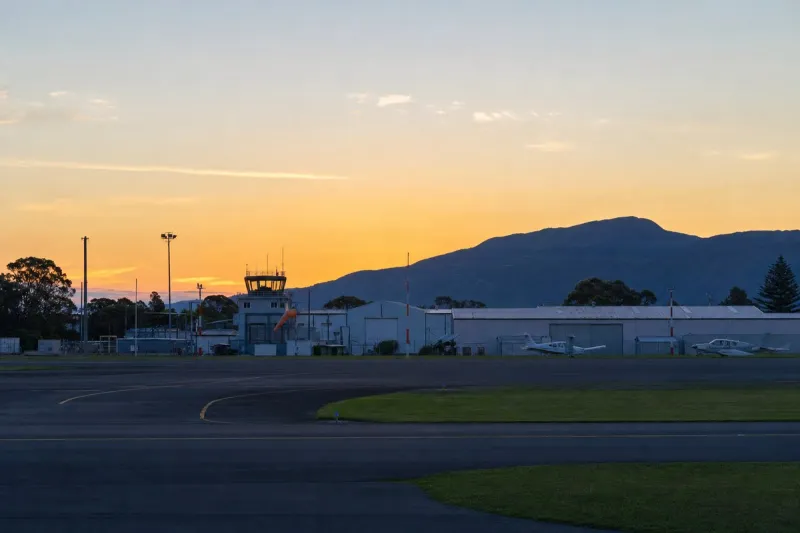
Jasper County Airport (KRZL), a public-use general aviation airport in Rensselaer, Indiana, has completed a new eight-unit T-hangar and is now welcoming tenants, according to county officials. Construction began in March 2026, and Hamstra Builders, Inc., of Wheatfield served as general contractor.
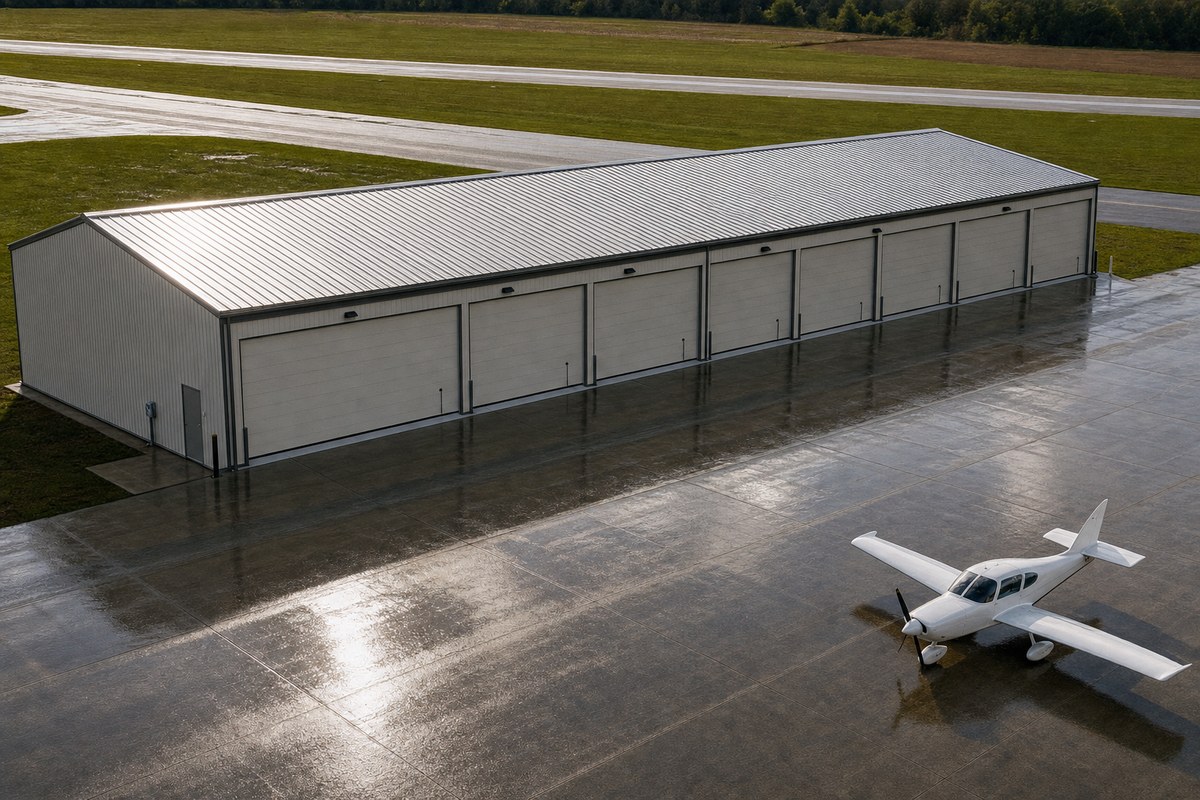
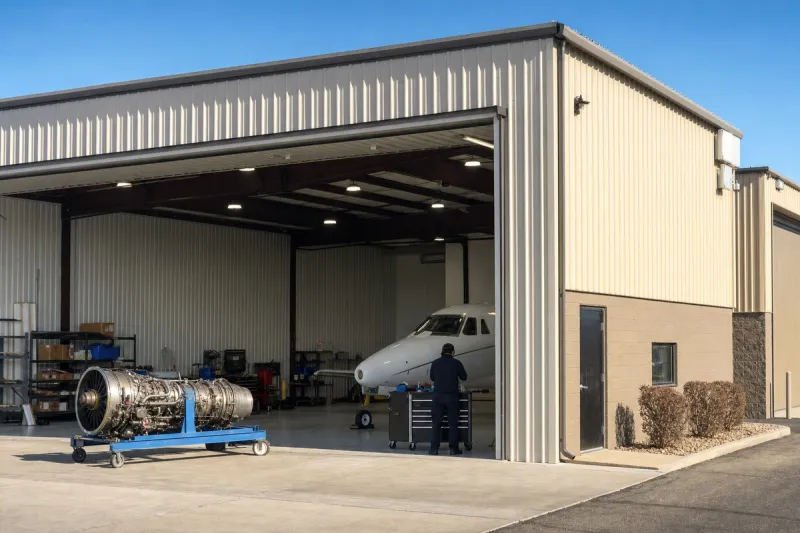
The building provides eight individual aircraft storage units. The hangar doors are 14 feet high and range from 42 to 56 feet wide, which lets the facility take a range of general aviation aircraft. The new structure is much larger than the older hangars on the airfield.
The project was funded in large part through federal airport infrastructure money under the Infrastructure Investment and Jobs Act (IIJA), signed into law in November 2021. The airport chose to roll over its allocated funding, and it accumulated approximately $740,000 in federal and state grant funding for the hangar. Airport funds covered the remaining costs.
Officials said the facility answers an ongoing need for additional aircraft storage in the region and will help the airport serve aircraft owners, support local aviation activity and accommodate future growth. The airport offers aircraft storage, fuel, flight training, aircraft rental and other aviation services, and supports aviation education and community outreach.
Industry impact & what to watch
At small public-use airports, hangar capacity is usually limited by how fast capital can be assembled, not by pilot demand alone. A single grant cycle rarely covers a multi-unit building, so airports that hold their federal allocation back and combine it with state money can finance a structure of this size. Choosing to roll over IIJA funds, as Jasper County did, is a deliberate trade: the airport waits, and in return gets a project large enough to matter.
Covered storage also does more than collect rent. Based tenants bring fuel sales, rental and training activity to the airfield, which is why officials describe the hangar as support for local aviation and future growth rather than as a standalone real-estate project. Door widths of 42 to 56 feet suggest the design targets a mix of aircraft types, not a single class.
The next milestone to follow is how quickly the eight units fill, since occupancy is what shows whether the stated storage need translates into leases.