Opinion: Jet A Diesel Piston Engines Gain Ground Amid Unleaded Avgas Delays, but Weight and Cost Limit Their Appeal
Why It MattersPressure to end 100LL is drawing diesel engines into the unleaded transition, yet their weight and cost mean they will likely serve niche operators rather than the broader light piston fleet.
An AOPA opinion piece examines whether compression-ignition engines that burn Jet A could ease general aviation's leaded-fuel problem. The EPA, the courts and local governments have pushed against tetraethyl lead in 100LL, and the FAA's EAGLE initiative has targeted a full transition away from leaded avgas by the end of 2030. GAMI's G100UL holds an STC covering virtually all piston airplanes, Swift Fuels' 100R has an STC for some engines, and Lyondell/VP Racing's 100E remains in testing. At EAA AirVenture in Oshkosh, former FAA Deputy Administrator Chris Rocheleau said a new transition roadmap was coming.
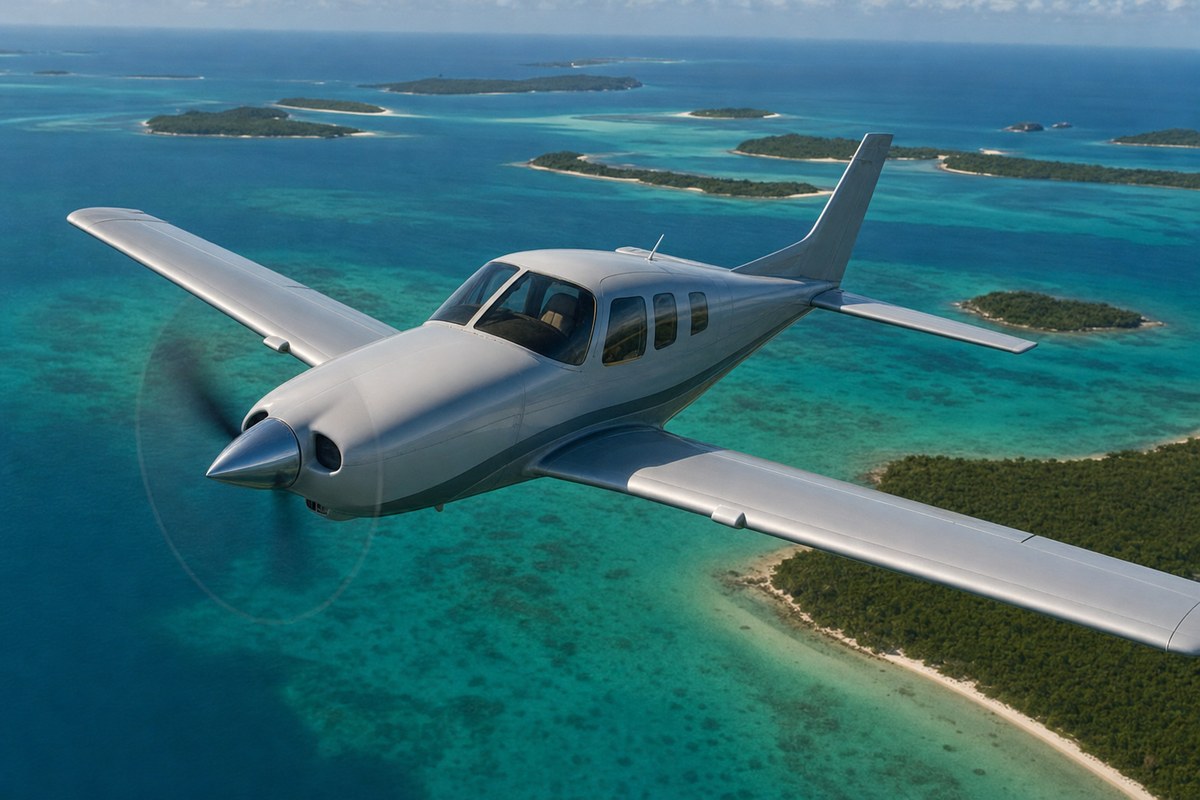
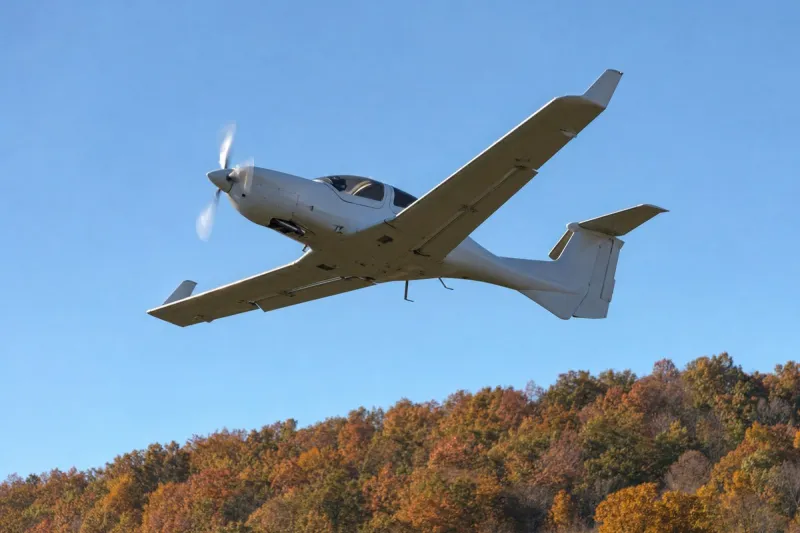
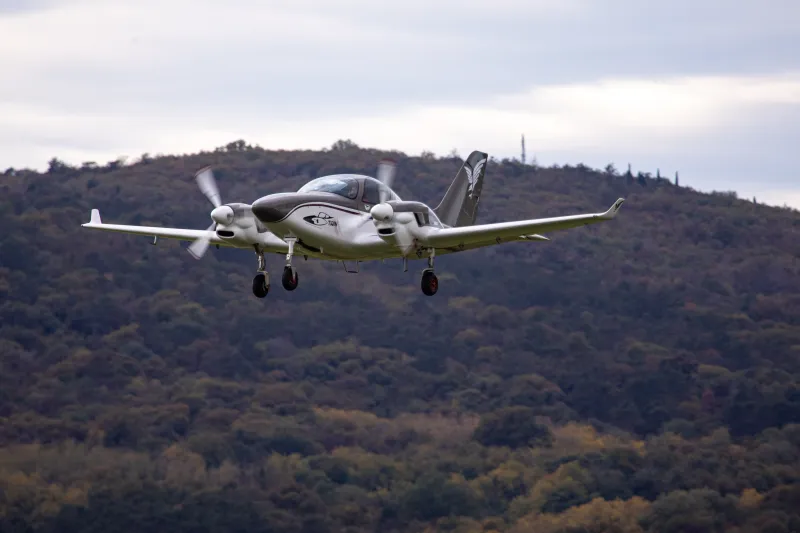
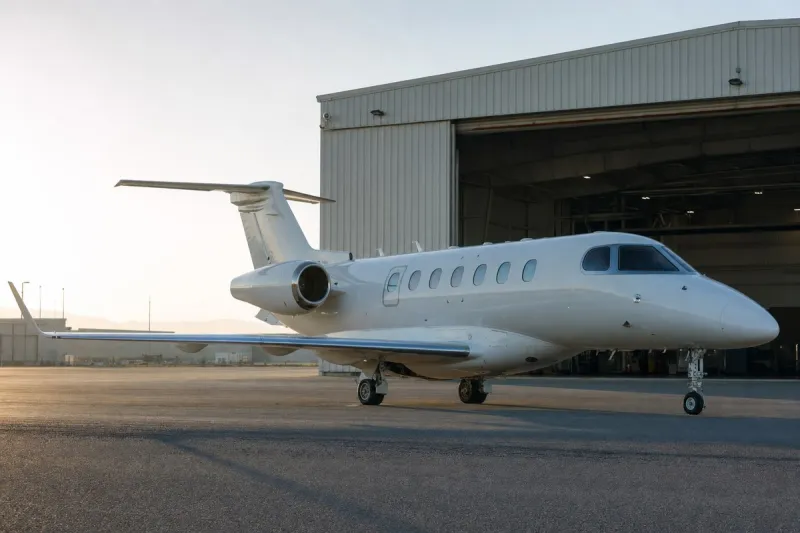
The article names three main diesel engine makers. The Diamond DA42-VI uses two Austro AE300 turbodiesels, and the AE300/AE330 family also powers the DA40 NG and DA62. Continental's CD-series (CD-155, CD-170, CD-265/CD-300) is the most active in retrofits, with fuel consumption quoted at about 0.35 lb/hp/hr versus 0.42 to 0.48 for a well-tuned gasoline engine in cruise; Continental is flight-testing a CD-300 conversion for the Cessna 206, with STC approval targeted for 2027. DeltaHawk's DHK180 was type-certified in 2023. At AirVenture, Piper showed the first flying Seminole DX prototype. Cessna certified the diesel Turbo 172 JT-A (Continental CD-155) in 2017 but discontinued it in 2018 citing weak demand, and canceled a diesel Skylane program using a French SMA engine in 2015 without delivering an aircraft. The CD-155 remains available as a 172 retrofit STC.
The author cites a weight penalty: Continental's CD-170 weighs 306 to 344 lb dry versus roughly 290 to 310 lb for a comparable Lycoming IO-360, the Austro AE300 weighs 410 lb for 168 hp, and the DHK180 weighs about 357 lb. In a light single, 40 to 80 extra pounds reduces useful load, and in a light twin it can affect engine-out climb and service ceiling. Jet A weighs about 6.7 lb per gallon versus 6 for 100LL. Continental diesels run on time-between-replacement schedules (1,800 hours for the CD-170, up to 2,100 for the CD-135/CD-155, or 12 years) instead of overhauls.
The author concludes diesels suit high-time operators, flight schools, international flying where Jet A is the only fuel, and buyers of airplanes designed around the engine, but make less sense for low-time private owners who fill every seat or for airframes without an STC path.