Sonoma County Supervisors Approve $360,000 for Voluntary 'Fly Quiet' Program and Alternative Flight Procedure Study
Why It MattersWhere an airport cannot impose curfews or limit access, noise management shifts to voluntary commitments, community forums and federal procedure redesign, so its results depend on airline cooperation and FAA timelines.
What happened
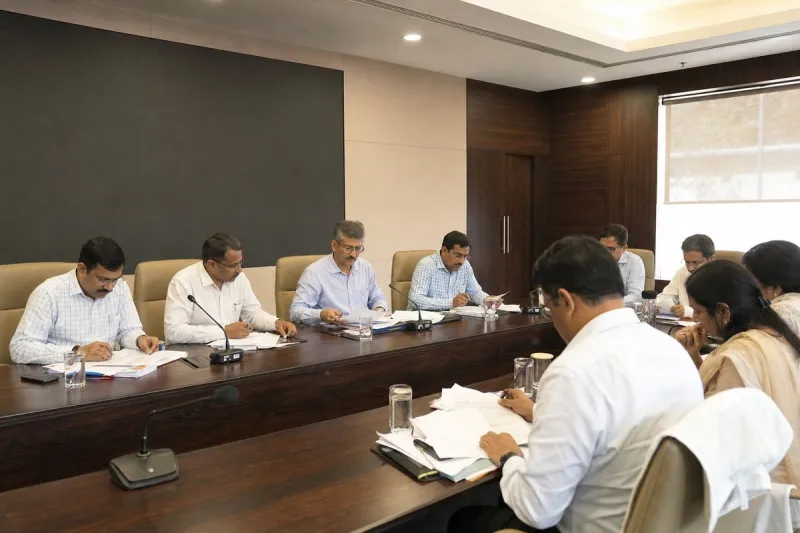
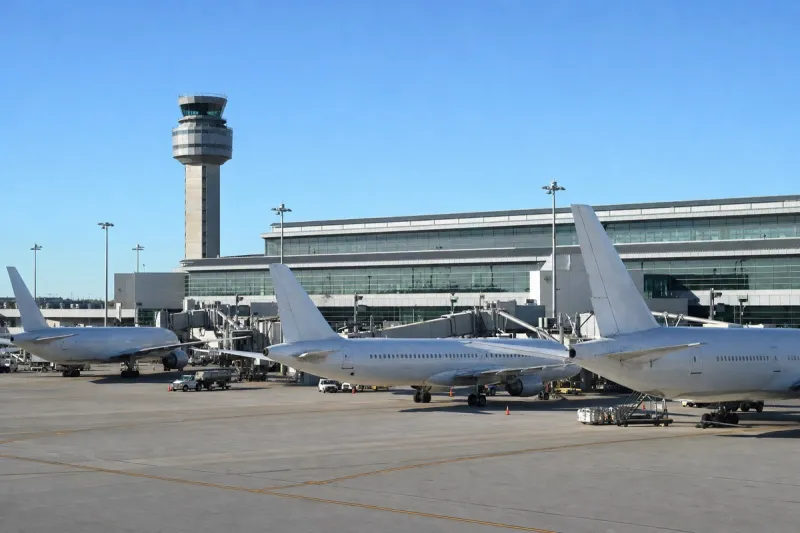
Sonoma County supervisors voted 3-2 on Nov. 3 to approve $360,000 in airport noise-reduction consulting contracts for Charles M. Schulz–Sonoma County Airport. The package includes $90,000 for a voluntary Fly Quiet program and $270,000 to develop alternative arrival and departure procedures. The money comes from the airport's enterprise fund, not the county general fund.
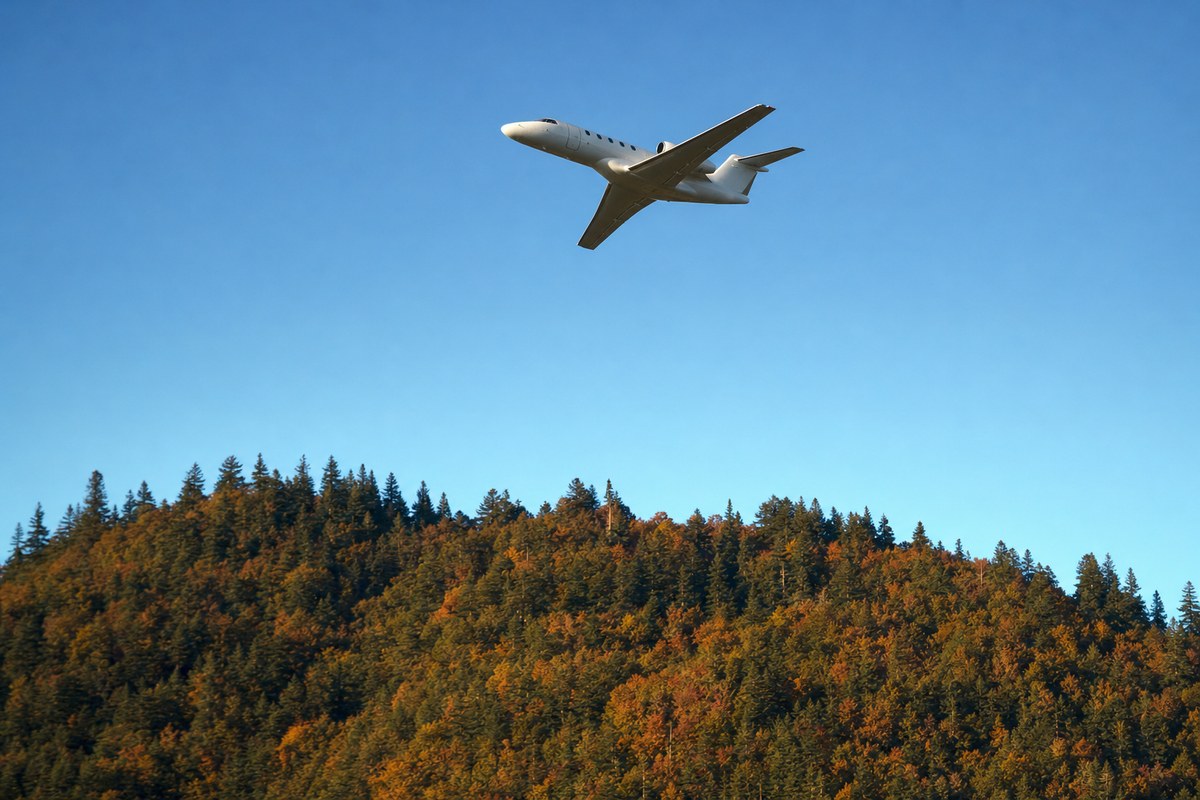
Eight members of the public spoke, raising concerns about aircraft noise, the effectiveness of voluntary restrictions and the airport's expansion. Some urged a pause on the design contract until the Federal Aviation Administration responds to a requested alternative departure route. One supervisor opposed spending another $385,000, including a separate estimated $25,000 annual noise-modeling subscription, noting that the FAA has recently increased use of the older CHRLY (Charlie) 8 departure procedure and complaints have declined. Airport Manager Jon Stout said Charlie 8 will eventually be retired as aviation shifts toward satellite navigation. Supervisor Hopkins, whose district includes much of western Sonoma County, questioned the effectiveness of voluntary commitments and asked for comparisons of noise exposure under Charlie 8 and the newer RREHD (Red) 1 procedure.
Stout said the Fly Quiet program would bring airline representatives, residents and the FAA together, with a proposed roundtable of about 15 members. Modeled on the program in Jackson Hole, Wyoming, it calls for voluntary low-noise hours, pilot education, airline scorecards and public noise reporting; it cannot mandate a curfew or restrict airport access. Supervisor James Gore's motion passed with direction for staff to build out the program and its community participation over the next two months.
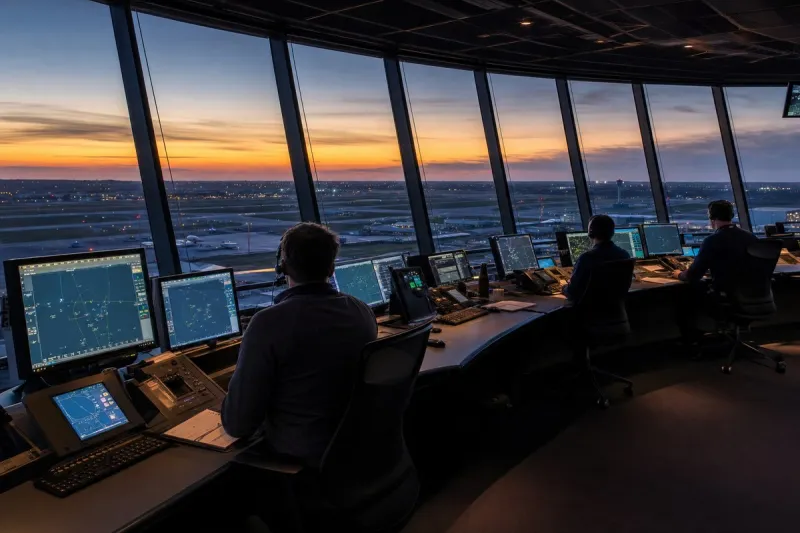
The $270,000 contract with Cignus Consulting will examine as many as 16 concepts, advancing eight for potential FAA review over 12 to 15 months. Separately, federal officials are reviewing previously submitted RREHD 2 revisions intended to raise aircraft altitudes before turns, along with arrival changes. Stout said the revised departure procedures would raise aircraft elevations by about 1,600 to 2,000 feet at various points, reducing ground-level noise by up to 4.8 decibels. A speaker questioned whether the calculated 3.3-decibel improvement in Occidental would provide meaningful relief.
Airport records show 46,131 noise complaints from January through July, up 329% from 10,755 a year earlier. Airline takeoffs and landings rose 42% in September from a year earlier, to 1,372, and 20.8% through the first nine months. The Board of Supervisors is to choose on Dec. 8 among three alternative fair-weather approach routes for potential FAA consideration.
Industry impact & what to watch
Sonoma County's approach reflects the limits that govern most US airport sponsors. Airspace and flight procedures sit with the FAA, and an airport operator generally cannot dictate curfews or restrict access, so its tools are voluntary programs, stakeholder forums and proposals sent to federal reviewers. The Fly Quiet design borrows from Jackson Hole for that reason: scorecards and public reporting create reputational pressure on carriers without any legal compulsion.
The case also shows how growth and community tolerance are linked. Commercial activity at the airport rose sharply this year while complaint counts climbed far faster than traffic, and the debate on the dais turned on whether voluntary measures can keep pace. Funding the work from the airport enterprise fund keeps the cost off the county general fund, but it still draws on money the airport would otherwise have for its own operations.
The next dated milestone is the Dec. 8 board choice among three fair-weather approach routes, followed by the two-month window for staff to build out the Fly Quiet program. The longer test is the 12-to-15-month procedure review and the FAA's handling of the RREHD 2 revisions, which will show whether altitude gains of 1,600 to 2,000 feet translate into relief that residents regard as meaningful.