Ukraine Approves Framework to Resume Air Medical Evacuations Using State Emergency Service Aircraft
Why It MattersMoving patient and organ transport onto state-operated aircraft shows how wartime medical logistics can be built around government fleets, with routing, aircraft availability and security checks set by the public emergency system.
What happened
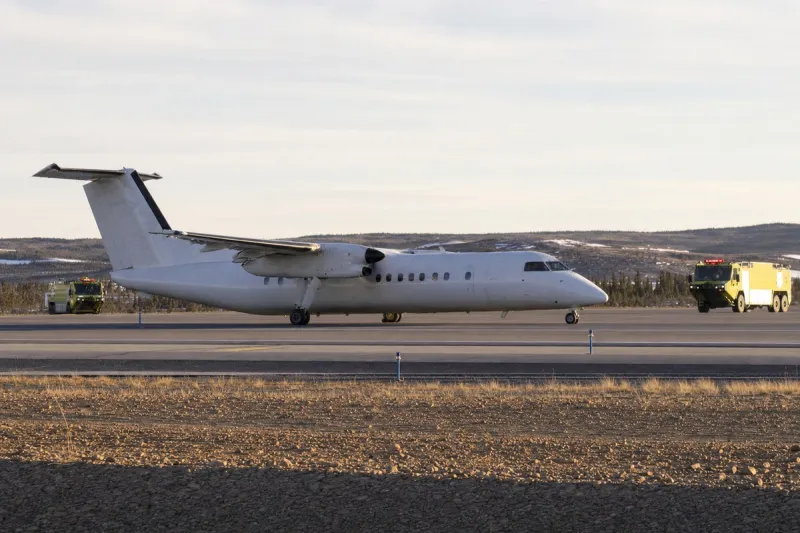
Ukraine's Cabinet of Ministers has approved a framework to resume air medical evacuations using aircraft operated by the State Emergency Service (SESU). It sets procedures for transferring critically ill patients and transporting donor organs. SESU aircraft may be used for interhospital transfers when ground transport is too slow, impractical, or poses additional risks to patients, and the arrangements also cover cross-border evacuations for Ukrainians who need specialist treatment abroad.
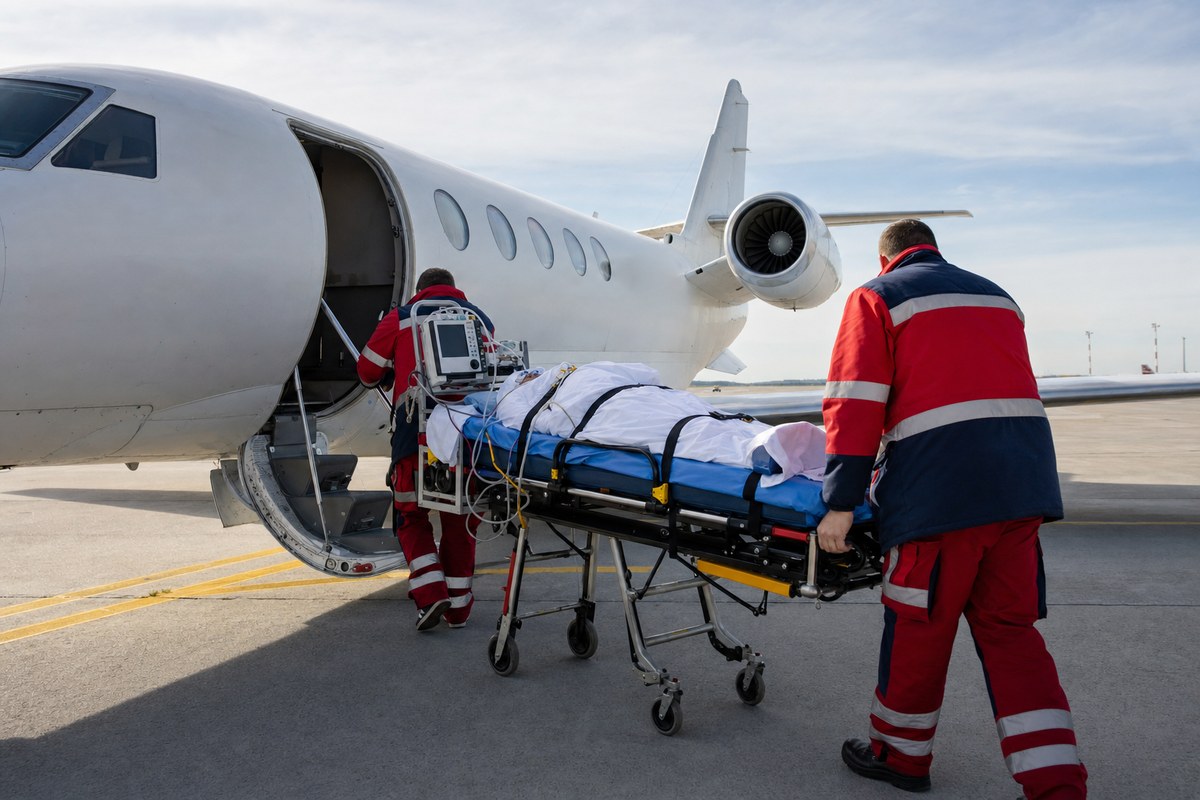
Health Minister Viktor Liashko said the mechanism could substantially cut journey times to medical facilities in neighboring countries. According to the ministry, transfers from Kharkiv or Vinnytsia to the medical evacuation hub in Rzeszów, Poland, currently take at least 12 hours by road. Air transport could reduce this to roughly two to three hours. The government expects the arrangements to become operational before the end of 2026, supporting the evacuation of war casualties accepted for treatment in European countries through the Medevac Ukraine program.
On organ transport, SESU aircraft may be deployed when road transport of a donor heart would take more than two hours, or when transporting lungs or a liver would take more than five hours. Specialist medical retrieval teams and their equipment may also be carried.
Ukraine's Scientific and Practical Centre for Emergency Medical Care and Disaster Medicine will coordinate requests between hospitals and emergency services. SESU will provide aircraft and crews, with individual missions subject to technical feasibility, weather conditions, and security assessments. The measures build on Ukraine's existing targeted medical evacuation system, under which more than 3,700 evacuations have been conducted. The procedures will remain in force throughout martial law and for six months after it ends.
Industry impact & what to watch
Air medical work is usually split between dedicated air ambulance operators and hospital-linked services, with commercial charter filling gaps. Here the government is assigning the mission to a state emergency fleet and writing the trigger points into regulation: a heart that needs more than two hours by road, lungs or a liver that need more than five. Thresholds like these give coordinators a clear test for when an aircraft is justified, which is a different logic from a market where a hospital or insurer books a flight and a provider prices it.
The design also shows where the constraints sit. Each mission depends on technical feasibility, weather and security assessments, and a single coordinating centre matches hospital requests to the emergency service's aircraft and crews. For anyone following air ambulance demand in the region, the practical variable is how many missions the state fleet can actually fly once cross-border transfers to Rzeszów begin.
The next milestone is the start of operations, which the government expects before the end of 2026. The first Medevac Ukraine transfers flown under the new procedures will show how much of the 12-hour road journey the air link removes in practice.